What Is the Best Homemade Jewelry Cleaner for Gold and Silver?
Discover what is the best homemade jewelry cleaner for gold, silver, and gemstones. Learn safe DIY recipes, exact ratios, and materials to avoid.

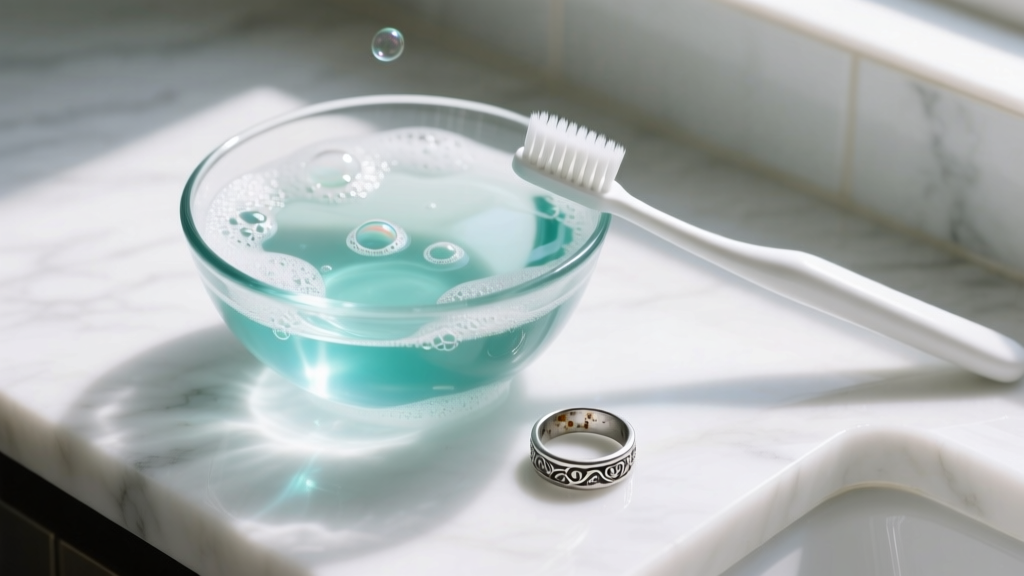
When beginners ask, 'what is the best homemade jewelry cleaner,' the answer is never a single universal recipe. The internet is flooded with DIY cleaning hacks, but many of these viral trends—like using toothpaste or boiling water—can cause irreversible micro-scratches, thermal shock, or chemical degradation to your precious metals and gemstones. To properly clean your jewelry at home, you must match the cleaning agent to the specific metallurgical and mineralogical properties of the piece.
In this comprehensive guide, we break down the exact science behind homemade jewelry cleaners, providing you with precise ratios, safe water temperatures, and the specific household ingredients you must absolutely avoid to protect your investment.
The Science of DIY Jewelry Cleaning: Why Abrasives Fail
A common misconception is that scrubbing tarnished jewelry with baking soda paste or toothpaste will restore its shine. While this may remove heavy oxidation, it does so through mechanical abrasion. Toothpaste contains silica or calcium carbonate, which rank around a 3 to 4 on the Mohs hardness scale. Pure 24k gold is incredibly soft (Mohs 2.5), and even alloyed 14k or 18k gold can be easily micro-scratched by these pastes. Over time, using abrasive DIY cleaners will strip away the high-polish finish, leaving a dull, matte appearance that requires professional machine polishing to fix.
The best homemade cleaners rely on chemical reactions or mild surfactants rather than physical friction. By understanding how to lift dirt and reverse oxidation chemically, you preserve the structural integrity and mirror finish of your jewelry.
What Is the Best Homemade Jewelry Cleaner for Sterling Silver?
Sterling silver (92.5% silver, 7.5% copper) is highly prone to tarnishing due to the copper content reacting with sulfur compounds in the air. The absolute best homemade cleaner for solid sterling silver (without porous gemstones) is the Aluminum Foil and Baking Soda Bath.
The Ionic Transfer Bath Recipe
This method does not scrub the tarnish away; it reverses the chemical reaction that created it through a galvanic (ionic) transfer.
- Materials: A glass bowl, aluminum foil, baking soda (sodium bicarbonate), and hot water.
- The Ratio: 1 tablespoon of baking soda per 1 cup of hot water.
- Temperature: Water should be hot to the touch (around 140°F or 60°C), but never boiling, to prevent thermal shock to any soldered joints.
Step-by-Step: Line the glass bowl with aluminum foil, shiny side up. Place your tarnished silver jewelry directly onto the foil so the metal touches the aluminum. Sprinkle the baking soda over the jewelry, then pour the hot water into the bowl. You will immediately see bubbling and smell a faint sulfur (rotten egg) odor. This is the aluminum pulling the silver sulfide off your jewelry and transferring it to the foil. After 3 to 5 minutes, remove the silver with wooden or plastic tongs (never metal, which can cause scratching), rinse in cool distilled water, and dry.
The Safest Homemade Cleaner for Solid Gold and Platinum
Gold and platinum do not tarnish like silver, but they easily accumulate sebum, lotions, and dead skin cells, which dull their brilliance. According to the Gemological Institute of America (GIA), the safest and most effective homemade cleaner for gold and platinum is a mild surfactant soak.
The Mild Surfactant Soak
You need a degreasing agent that is tough on oils but gentle on metal alloys. The gold standard for DIY is original, non-ultra concentrated blue dish soap (such as Dawn).
- The Ratio: 2 to 3 drops of mild dish soap per 1 cup of lukewarm water (approx. 95°F or 35°C).
- Agitation: Use an 'extra-soft' or 'baby' toothbrush. Standard 'soft' bristles are often still too stiff and can cause micro-marring on high-karat gold.
Let the gold or platinum jewelry soak for 15 to 20 minutes to allow the surfactants to break down the lipid bonds of the oils. Gently brush the back of the settings (where the most grime accumulates) with the baby toothbrush, rinse under a gentle stream of lukewarm water, and dry.
Gemstone Safety: When to Ditch the DIY
Knowing what is the best homemade jewelry cleaner also means knowing when not to use one. Gemstones have vastly different physical properties, porosity levels, and treatments. A cleaner that makes a diamond sparkle can completely destroy an opal or a pearl.
| Gemstone | Mohs Hardness | Porosity / Sensitivity | Safe for DIY Soak? |
|---|---|---|---|
| Diamond | 10 | Low / Cleavage planes | Yes (Mild Soap) |
| Sapphire / Ruby | 9 | Low / Heat sensitive if fractured | Yes (Mild Soap) |
| Emerald | 7.5 - 8 | High / Usually oil-treated | No (Wipe only) |
| Opal | 5.5 - 6.5 | High / Contains water (5-10%) | No (Wipe only) |
| Pearl | 2.5 - 4.5 | Very High / Organic, acid-sensitive | No (Damp cloth) |
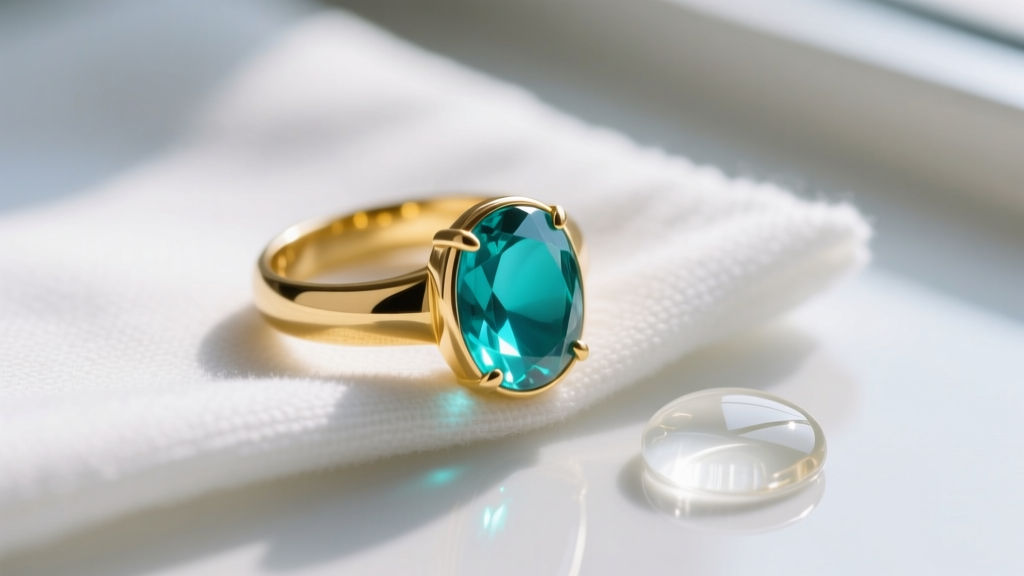
As noted in GIA's Pearl Care guidelines, organic gems like pearls, coral, and amber are highly sensitive to acids and chemicals. Even the mild acids found in some tap waters or the alkalinity of baking soda can etch the nacre of a pearl, permanently dulling its luster. For porous and organic gems, the only safe 'cleaner' is a barely damp, lint-free microfiber cloth wiped gently after each wear.
Common Household Ingredients That Ruin Jewelry
To protect your collection, you must banish the following items from your DIY cleaning repertoire:
- Chlorine Bleach: Sodium hypochlorite is the enemy of gold alloys. It causes 'chlorine stress corrosion cracking,' which weakens the copper and zinc alloys in 14k and 18k gold, eventually causing prongs to snap and gemstones to fall out.
- Ammonia: While sometimes used in commercial cleaners for diamonds, household ammonia is far too harsh for porous stones, treated gems (like fracture-filled diamonds or dyed jade), and can strip the rhodium plating off white gold.
- Toothpaste: As mentioned, the abrasive silica ruins high-polish finishes and can become permanently lodged in the intricate crevices of filigree or pave settings.
- Lemon Juice / Vinegar: The high acidity will eat away at the copper in sterling silver and rose gold, causing a pitted, reddish surface that cannot be reversed at home.
Expert Tip: Never use a wire brush, paper clips, or metal tweezers to pick grime out of jewelry settings. Always use wooden toothpicks or plastic dental picks to prevent scratching the precious metal.
The Final Step: Proper Drying and Polishing
The cleaning process is only half the battle; how you dry your jewelry is equally critical. Never use paper towels or tissue paper to dry your jewelry. These products are made from wood pulp and contain microscopic wood fibers that act like sandpaper on highly polished gold and platinum, leaving a web of micro-scratches over time.
Instead, use a 100% lint-free microfiber cloth or a dedicated jeweler's polishing cloth (which is impregnated with microscopic jeweler's rouge for a final buff). For intricate settings, pave diamonds, or filigree work where water gets trapped, use a can of compressed air (held upright to prevent freezing propellant from spraying) or a clean, dedicated makeup brush to wick away the moisture. By combining the correct chemical bath with proper drying techniques, your homemade jewelry care routine will rival professional ultrasonic and steam cleaning results.


