How to Clean Permanent Jewelry: Tools & Care Guide
Discover how to clean permanent jewelry safely. Our buying guide covers the best ultrasonic cleaners, solutions, and tools for welded chains.

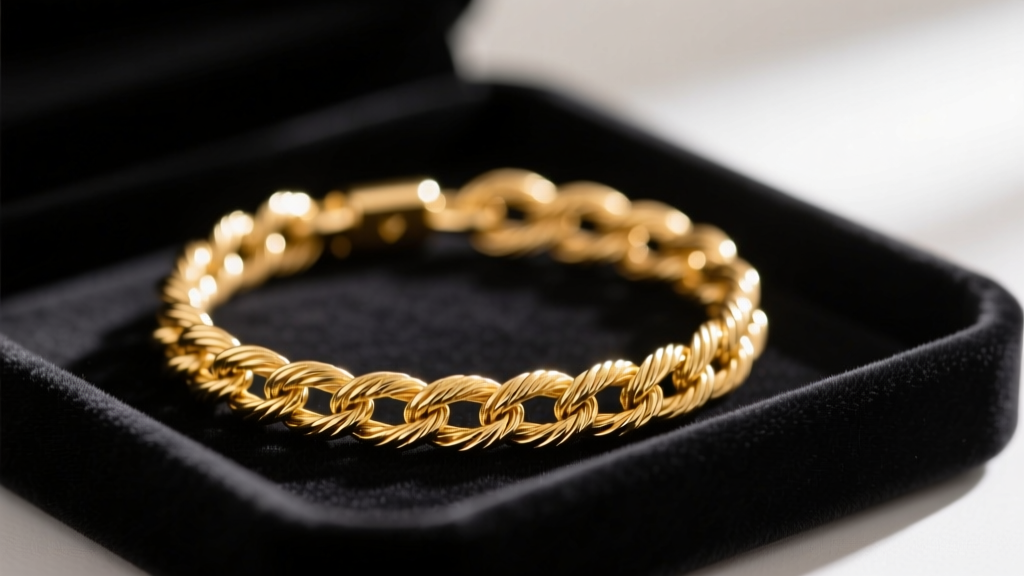
Permanent jewelry has revolutionized the way we wear and experience our favorite accessories. By eliminating the clasp and replacing it with a seamless micro-weld, these pieces offer a minimalist, uninterrupted aesthetic. However, the absence of a clasp also means you cannot easily remove the chain to clean it. Learning how to clean permanent jewelry requires a specialized approach, as the heat-affected zone (HAZ) of the weld and the delicate nature of the chains demand specific tools and solutions. In this comprehensive buying guide, we break down exactly what to look for when purchasing cleaning kits, ultrasonic machines, and maintenance tools for your welded pieces.
The Vulnerability of the Micro-Weld
Before investing in any cleaning products, it is crucial to understand the anatomy of a permanent jewelry weld. According to industry experts featured in JCK Online, most permanent jewelry is fused using either a micro-TIG (tungsten inert gas) arc welder or a precision laser welder. These machines melt the metal links together without the use of solder. While this creates a remarkably strong bond, the weld point can be slightly more brittle than the surrounding chain if the pulse was too hot or too cold.
Because there is no solder (which often contains lower-melting-point alloys like zinc or cadmium), the weld is pure to the chain's metal. However, aggressive abrasives can wear down the microscopic bead of the weld, and harsh chemical dips can cause micro-fractures in the heat-affected zone. Therefore, the tools you buy must be explicitly designed for delicate, continuous-wear gold and platinum alloys.
The 2026 Buyer’s Guide to Permanent Jewelry Cleaning Kits
When shopping for cleaning supplies, you will encounter a vast array of options. Here is what to look for in the three essential categories of permanent jewelry care.
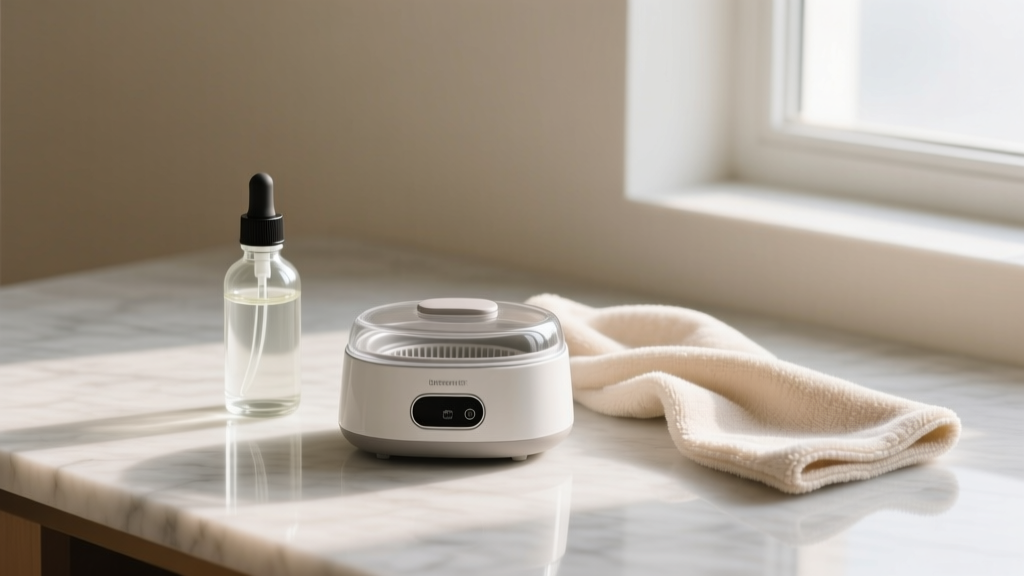
1. Ultrasonic Cleaners: Frequency Matters
Ultrasonic cleaners use high-frequency sound waves to create microscopic cavitation bubbles in a liquid solution. When these bubbles collapse, they blast away sebum, lotion, and dead skin cells trapped in the chain links. When buying an ultrasonic cleaner for permanent jewelry, frequency is the most critical specification.
- 42kHz to 45kHz (The Sweet Spot): This is the ideal frequency range for jewelry. It provides enough cavitation power to dislodge body oils from rope and box chains without being so aggressive that it damages the metal.
- 20kHz to 25kHz (Avoid): These lower frequencies are designed for heavy industrial degreasing and carburetor cleaning. The cavitation bubbles are larger and more violent, which can cause metal fatigue and micro-fractures at the weld point of a delicate 14k gold chain.
- 80kHz and above (Too Gentle): Often used for optics and silicon wafers, these frequencies are too mild to effectively break down the heavy body oils and cosmetic build-up that permanent jewelry accumulates.
Buying Tip: Look for a machine with a stainless steel inner tank (SUS304 grade) and a removable silicone basket. Never let your permanent jewelry rest directly on the metal bottom of the tank while the machine is running, as the vibration can scratch the gold.
2. Cleaning Solutions: Surfactants vs. Solvents
The liquid you put into your ultrasonic cleaner—or use for hand-washing—is just as important as the machine. The Gemological Institute of America (GIA) recommends warm water and a few drops of mild, phosphate-free dish soap for routine gold care. However, for a dedicated buying guide, we recommend investing in specialized jewelry surfactant drops.
Look for ammonia-free and phosphate-free alkaline surfactants. Products like Connoisseurs Dazzle Drops or Blitz Concentrate are formulated to break the surface tension of water, allowing it to penetrate the microscopic gaps in a cable or rope chain. Avoid any product labeled as a 'silver dip' or 'instant tarnish remover,' as these typically contain thiourea, a toxic chemical that is entirely unnecessary for solid gold and can cause severe skin irritation if left on a continuous-wear bracelet.
3. Agitation Tools: Brushes and Cloths
Even with an ultrasonic machine, you will occasionally need to manually agitate stubborn build-up. Never buy a standard adult toothbrush for this task. The nylon bristles on a medium or hard brush have a hardness rating that can leave micro-scratches on high-polish 18k gold links. Instead, purchase an extra-soft baby toothbrush or a dedicated goat-hair makeup brush. For drying and buffing, buy a lint-free, non-impregnated microfiber cloth. Impregnated polishing cloths (which contain mild abrasives and tarnish-inhibiting chemicals) should only be used on the solid links, avoiding the weld point to prevent chemical buildup.
Comparison Chart: Choosing the Right Cleaning Agent
Use this table to determine which cleaning agent to buy based on your specific jewelry needs and lifestyle.
| Cleaning Agent Type | Best Used For | Weld-Safe? | Estimated Price Range |
|---|---|---|---|
| Mild Alkaline Surfactant Drops | Daily/Weekly maintenance, ultrasonic baths | Yes (Highly Safe) | $8 - $15 |
| Phosphate-Free Dish Soap | Quick home cleaning, travel | Yes | $3 - $6 |
| Ammonia-Based Jewelry Dips | Heavy tarnish on alloyed metals (10k/14k) | Use with Caution | $6 - $12 |
| Silver Dips (Thiourea) | Sterling silver only | NO (Avoid for Gold) | $5 - $10 |
| Baking Soda Pastes | Heavy oxidation on rustic metals | NO (Highly Abrasive) | $1 - $3 |
Chain-Specific Cleaning Nuances
Not all permanent jewelry chains are created equal. The style of chain you purchased dictates the type of cleaning tools you should prioritize.
Rope and Helical Chains
Rope chains feature a twisted, helical structure that mimics the look of a woven rope. While beautiful, the deep grooves between the twists are magnets for sebum, dead skin, and rich body lotions. A simple wipe-down will not suffice. If you wear a permanent rope chain, an ultrasonic cleaner is practically mandatory, as the cavitation bubbles are the only way to reach inside the tight spirals without bending the links.
Box Chains
Box chains consist of hollow, square links. The primary issue with box chains is that water and cleaning solutions can become trapped inside the hollow interiors. If not dried properly, this trapped moisture can lead to skin irritation or, in the case of lower-karat gold alloys, internal tarnishing. When buying tools for a box chain, invest in a small, cool-setting hair dryer or a compressed air duster (like those used for camera lenses) to blow water out of the hollow links after washing.
Cable and Curb Chains
These flat or oval interlocking links are the easiest to maintain. A simple soak in warm surfactant water followed by a gentle agitation with a baby toothbrush is usually all that is required to keep them looking pristine.
Step-by-Step Home Cleaning Protocol
Once you have acquired the right tools, follow this professional-grade protocol to clean your permanent jewelry safely at home.
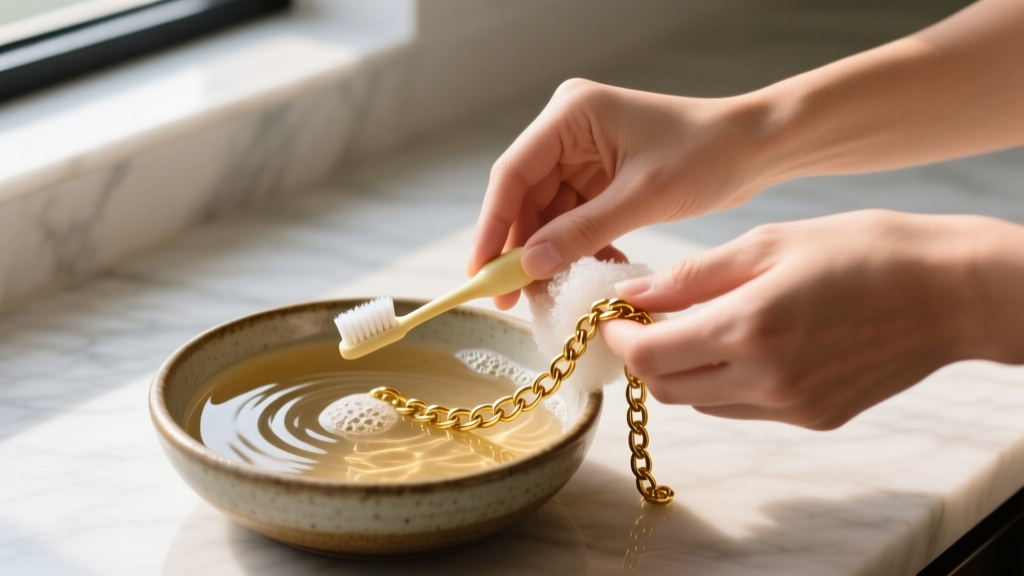
- Prepare the Bath: Fill a small glass or ceramic bowl with warm (not hot) water. Add 3-4 drops of your alkaline surfactant or mild dish soap.
- Soak: Allow your wrist or ankle to rest in the bowl, submerging the chain for 3 to 5 minutes. This softens hardened lotions and oils.
- Agitate: Take your extra-soft baby toothbrush and gently sweep along the chain. Pay special attention to the area directly adjacent to the micro-weld, where skin cells tend to accumulate.
- Rinse: Rinse the chain under lukewarm running water. Ensure the drain is plugged to prevent any accidental loss if a weld were to fail.
- Dry and Buff: Pat the chain dry with your non-impregnated microfiber cloth. For box chains, use a blast of cool air to clear the hollow links.
The 'Never Buy' List: Ingredients That Destroy Welds
To protect your investment, avoid purchasing any cleaning products that contain the following:
- Chlorine / Bleach: Chlorine is the enemy of gold alloys. It reacts with the copper and silver in 14k and 18k gold, causing a phenomenon called 'stress corrosion cracking,' which will inevitably cause your permanent jewelry to snap at the weld or weak points.
- Abrasive Powders (Baking Soda, Toothpaste): These are harder than gold on the Mohs scale. They will permanently dull the high-polish finish of your chain and leave microscopic scratches that attract even more dirt in the future.
- Hard-Bristled Brushes: Anything labeled 'medium' or 'firm' will cause surface marring.
Studio vs. Home: When to Seek Professional Ultrasonic Care
While a home cleaning kit will handle 90% of your maintenance, there are times when you should return to your original jeweler or a professional welding studio. If your permanent jewelry features gemstone charms or diamond stations integrated into the chain, avoid using home ultrasonic cleaners. The vibrations can loosen the prongs or fracture tension-set stones. In these cases, a professional jeweler will use specialized, localized steam cleaners and microscope-assisted brushing to clean around the stones without compromising the integrity of the permanent weld.


