Jewelry Polishing Cloth Trends: 2026 Care & Fabric Guide
Discover 2026 jewelry polishing cloth trends, from eco-friendly bamboo blends to material-specific weaves for scratch-free luxury care.

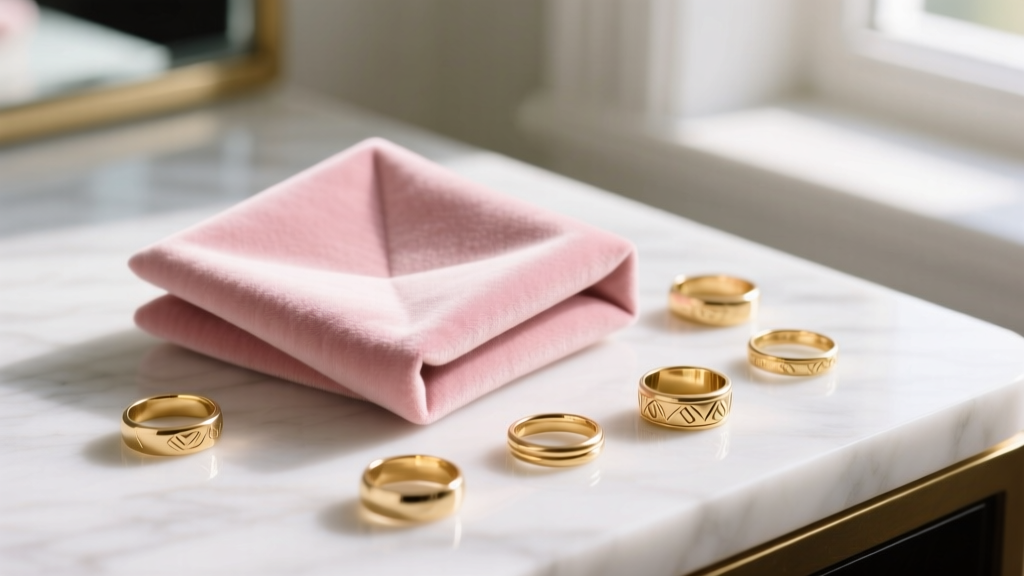
The Evolution of the Jewelry Polishing Cloth in Modern Styling
Once relegated to the dusty back rooms of bench jewelers and hidden inside generic plastic sleeves, the jewelry polishing cloth has undergone a massive aesthetic and functional renaissance. As we navigate the style and care trends of 2026, the modern collector views maintenance tools not as mere utilities, but as integral components of the luxury unboxing and daily styling experience. The shift toward mindful consumption and heirloom preservation has elevated the humble polishing rag into a highly engineered, material-specific accessory.
Today’s style-conscious jewelry enthusiasts understand that improper cleaning methods can irreparably damage high-polish finishes and delicate gemstone settings. According to the Gemological Institute of America (GIA), the accumulation of everyday oils, lotions, and environmental pollutants not only dulls the brilliance of precious metals but can also accelerate localized corrosion if left unchecked. Consequently, the market has responded with a new generation of polishing textiles that marry advanced material science with sophisticated, vanity-ready design.
The Science of the Weave: Why Paper Towels Destroy Gold
To understand the necessity of a dedicated jewelry polishing cloth, one must first examine the Mohs scale of mineral hardness. Pure 24k gold sits at a mere 2.5 to 3 on the Mohs scale, while 18k and 14k gold alloys range slightly higher but remain remarkably soft. Platinum is harder, sitting around 4 to 4.5. Conversely, the wood pulp fibers used to manufacture standard paper towels and tissue paper possess a Mohs hardness of 4 to 5.
When you wipe a high-polish 18k gold ring with a paper towel, you are effectively dragging microscopic shards of wood across a softer metal surface. Over time, this creates a web of micro-scratches that diffuses light, transforming a mirror-like finish into a dull, satin-like haze. A premium microfiber or tightly woven cotton flannel cloth bypasses this issue entirely. High-quality microfiber utilizes split fibers—often a blend of 80% polyester and 20% polyamide—that create microscopic hooks. These hooks trap dust, grit, and oils within the weave rather than pushing them across the metal’s surface, ensuring a scratch-free polish.
Understanding GSM and Weave Density
In 2026, discerning buyers are looking at GSM (Grams per Square Meter) to judge cloth quality. Standard promotional jeweler cloths typically hover around 150 to 180 GSM. However, the current trend in luxury care favors heavy-weight, 300+ GSM micro-suede and double-layered flannel. These denser weaves provide a plush buffer that protects raised settings, such as pavé diamonds or delicate prongs, from snagging during the polishing process.
Chemical Treatments: Rouge vs. Anti-Tarnish Agents
Not all jewelry polishing cloths are created equal; the distinction between treated and untreated weaves is a cornerstone of proper jewelry care. Treated cloths are impregnated with specific chemical compounds designed to interact with metal oxides and sulfides.
- Jeweler’s Rouge (Iron Oxide): Often found in yellow or red-tinted inner layers of dual-cloth systems, rouge provides a micro-abrasive action that gently removes a microscopic layer of tarnished metal to reveal the pristine surface beneath. It is ideal for heavy oxidation on sterling silver.
- Anti-Tarnish Inhibitors: Many modern silver polishing cloths are treated with proprietary tarnish-inhibiting agents (such as zinc-based compounds) that leave behind an invisible, protective molecular layer. This layer slows the reaction between silver and atmospheric hydrogen sulfide, significantly extending the time between necessary polishings.
- Untreated Micro-Suede: Strictly mechanical in action, untreated cloths are mandatory for porous gemstones like pearls, opals, and turquoise, as well as for plated jewelry (like gold vermeil), where chemical abrasives could strip the delicate outer layer.
Jewelers of America consistently advises against using harsh chemical dips or abrasive pastes on plated or porous items, making the untreated, high-GSM polishing cloth the safest and most effective tool for daily maintenance of mixed-material pieces.
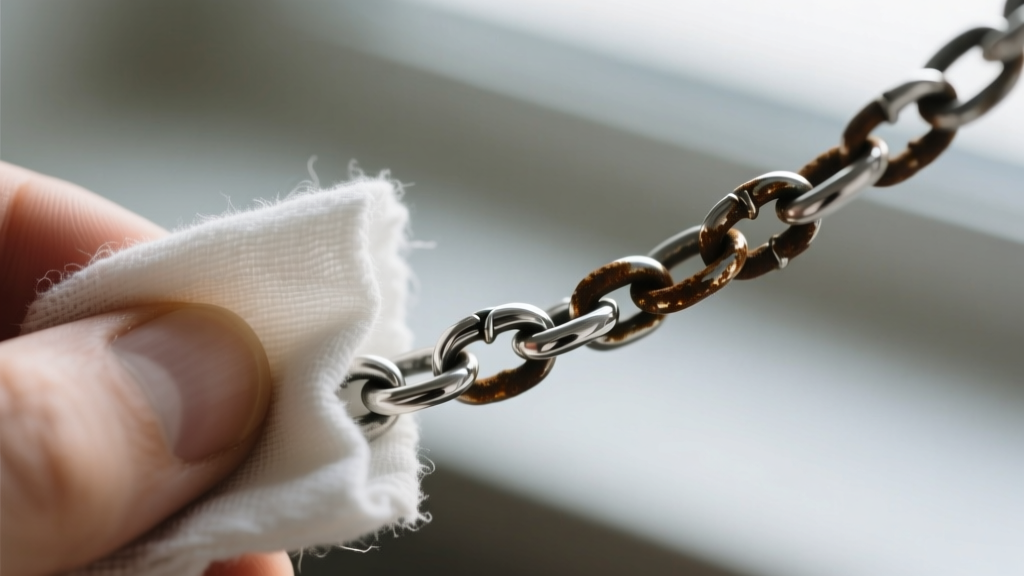
2026 Fabric Innovations: Sustainable & High-Performance Blends
The most significant trend in the 2026 jewelry care market is the intersection of sustainability and performance. Traditional microfiber, while effective, is fundamentally a petroleum-based plastic that sheds microplastics when washed. In response, leading textile manufacturers have introduced bamboo-charcoal and organic cotton-blend polishing cloths.
Bamboo-derived rayon fibers offer natural antibacterial properties and exceptional moisture-wicking capabilities, making them ideal for removing acidic skin oils from the interior bands of rings. When blended with long-staple organic cotton, the resulting fabric achieves a lint-free polish that rivals synthetic microfiber, but with a fully biodegradable end-of-life profile. Furthermore, luxury brands are now packaging these eco-conscious cloths in reusable, embossed vegan-leather sleeves, transforming a functional cleaning tool into a stylish travel accessory that aligns with the modern collector's aesthetic values.
Material-Specific Matching Matrix
Using the wrong cloth on a specific metal or gemstone can lead to catastrophic damage, particularly with soft plating or organic gems. Use the following matrix to curate your care kit:
| Material / Gemstone | Recommended Cloth Type | Treatment Required? | Critical Warnings |
|---|---|---|---|
| 18k / 14k Solid Gold | 300+ GSM Micro-Suede | Untreated | Avoid rouge; it can dull high-polish finishes over time. |
| Sterling Silver (Heavy Tarnish) | Dual-Layer Flannel | Rouge / Tarnish Remover | Use the treated inner layer first, then buff with the outer. |
| Gold Vermeil / Plated | Ultra-Soft Bamboo Blend | Strictly Untreated | Any abrasive will strip the gold layer down to the base metal. |
| Platinum | Tight-Weave Cotton | Light Polishing Agent | Platinum develops a patina; use gentle pressure to restore luster. |
| Pearls & Opals | Untreated Microfiber | Strictly Untreated | Never use chemical treatments; wipe gently after every wear. |
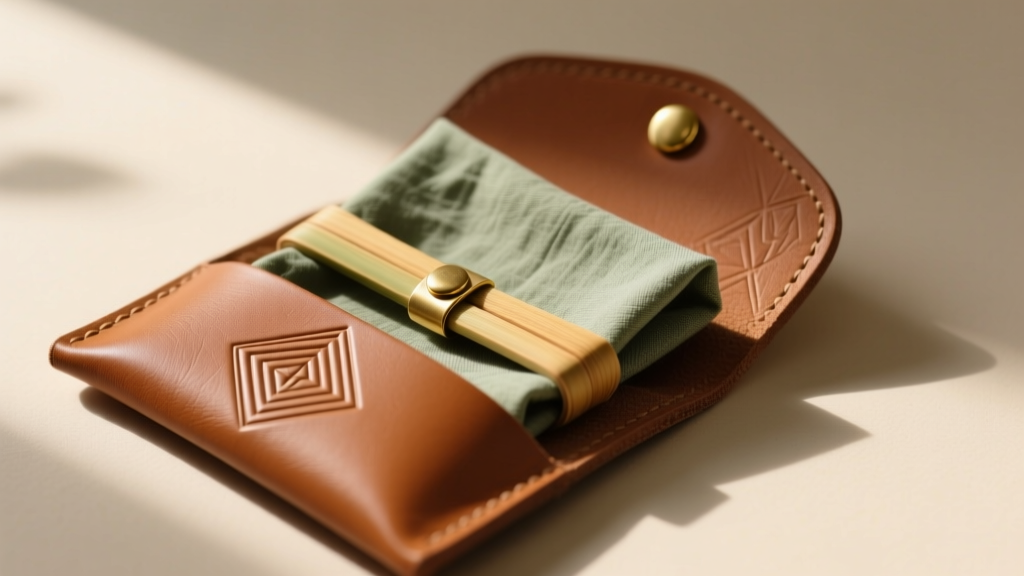
The Aesthetics of Care: Luxury Branding Trends
In the current era of curated digital lifestyles and vanity organization, the visual appeal of care products matters. The generic, neon-yellow and black-treated squares of the past are being replaced by cloths in muted, sophisticated tones—terracotta, sage green, and charcoal grey. High-end jewelry houses are now including bespoke, monogrammed polishing cloths inside their primary packaging, treating the cloth as a permanent, branded artifact of the purchase experience.
This trend extends to the independent artisan market, where silversmiths and goldsmiths are partnering with local textile artists to produce limited-run, hand-loomed polishing wraps. These wraps often feature subtle, tone-on-tone embroidery and are tied with organic cotton twine, elevating the act of jewelry maintenance into a mindful, almost ritualistic practice that honors the craftsmanship of the piece itself.
Maintenance Protocol: Washing and Retiring Your Cloths
A common misconception is that all jewelry polishing cloths can be tossed into the washing machine. The care protocol depends entirely on the cloth’s chemical treatment and fiber composition.
Caring for Treated Cloths
If your cloth is impregnated with jeweler's rouge or anti-tarnish agents, never wash it. Water and detergent will strip the active compounds, rendering the cloth useless for chemical polishing. Furthermore, as the cloth turns black, it is simply accumulating silver sulfide and microscopic metal particles. This discoloration is normal and indicates the cloth is working. You should only retire a treated cloth when it becomes stiff, saturated, or begins to tear, as a stiff cloth can cause mechanical scratching.
Caring for Untreated Microfiber and Bamboo Blends
Untreated cloths used for removing skin oils and lotions must be washed regularly to prevent trapped grit from scratching your jewelry. Wash them in warm water with a mild, fragrance-free liquid soap. Crucially, never use fabric softener or dryer sheets. Softeners coat the fibers in a waxy residue that clogs the microscopic hooks in microfiber, destroying its ability to trap dust and oils. Air dry the cloths flat to maintain their structural integrity and GSM density.
Final Verdict: Curating Your 2026 Care Kit
The modern jewelry polishing cloth is a triumph of specialized engineering and thoughtful design. By moving away from destructive household alternatives and investing in material-specific, high-GSM weaves, collectors can preserve the optical brilliance and structural integrity of their most prized pieces. Whether you opt for a sustainable bamboo blend for your daily-wear gold hoops or a dual-layer treated flannel for your heirloom silver, the right cloth is the ultimate insurance policy for your jewelry’s enduring legacy.


