Best Jewelry Tarnish Remover Buying Guide (2026)
Find the right jewelry tarnish remover with our 2026 buying guide. Compare chemical dips, electrolytic pens, and cloths for safe, effective metal care.

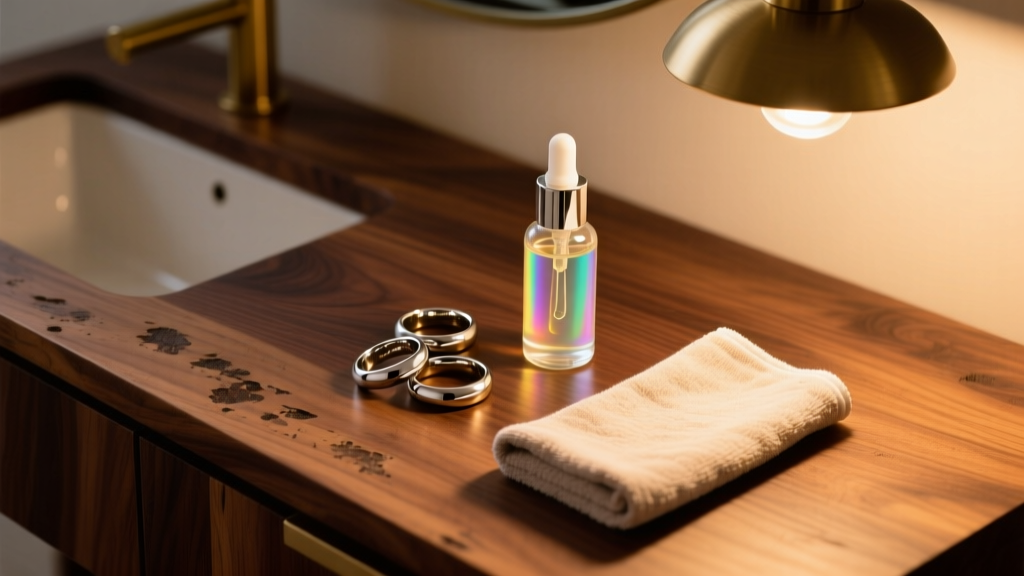
Not all tarnish is created equal, and neither are the products designed to remove it. Walk down any aisle or browse online in 2026, and you will see dozens of options promising instant brilliance. However, using the wrong jewelry tarnish remover on a specific metal alloy or gemstone can result in irreversible micro-pitting, stripped plating, or shattered porous stones. This comprehensive buying guide cuts through the marketing fluff, breaking down the exact chemical mechanisms, material compatibilities, and price-to-performance ratios you need to make an informed purchase.
The Chemistry of Tarnish: Why Your Metals Oxidize
Before buying a remover, you must understand what you are actually removing. Pure gold (24k) and pure platinum do not tarnish. Tarnish primarily affects sterling silver (92.5% silver, 7.5% copper) and brass.
- Silver Sulfide (Ag2S): The black/dark grey film on sterling silver, caused by a reaction with sulfur compounds in the air or on your skin.
- Copper Oxide (CuO): The brownish or greenish film that forms on the copper alloys mixed into your sterling silver, brass, or lower-karat gold.
Different removers target these compounds using vastly different chemical pathways. According to the Gemological Institute of America (GIA), understanding these pathways is critical to preventing structural damage to your jewelry.
The 4 Core Categories of Tarnish Removers
When shopping, you will encounter four primary technologies. Here is how they stack up against each other in terms of efficacy, safety, and cost.
| Remover Type | Active Mechanism | Best For | Avg. Price (2026) | Risk Level |
|---|---|---|---|---|
| Chemical Dips | Thiourea / Acid-base dissolution | Heavy silver tarnish, chains | $8 - $15 | High (Gemstones) |
| Treated Cloths | Mild abrasives + chemical anti-tarnish | Light maintenance, daily wear | $5 - $12 | Low |
| Electrolytic Pens | Galvanic reduction (Ion transfer) | Intricate filigree, prongs | $25 - $45 | Medium |
| Foaming Cleaners | Surfactants + mild chelating agents | Gold alloys, diamond settings | $10 - $20 | Low |
Gemstone Safety Matrix: The "Never-Dip" List
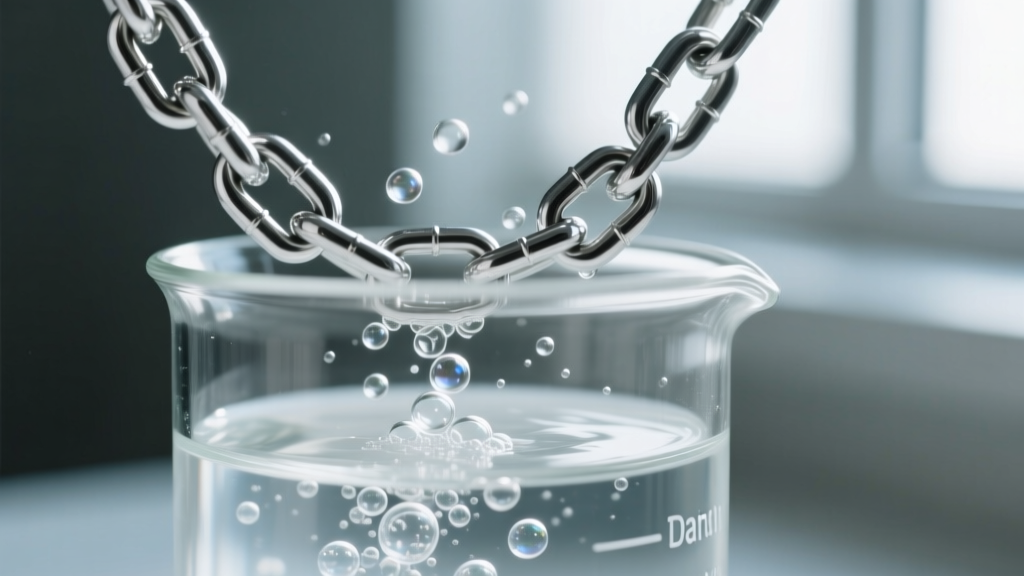
The most common jewelry disaster occurs when a well-meaning owner drops a multi-gemstone piece into a liquid silver dip. Chemical dips rely on thiourea, a highly reactive organosulfur compound that strips tarnish in seconds but will permanently etch, cloud, or dissolve porous and treated stones.
Stones That Tolerate Mild Chemical Dips
Hard, non-porous stones (Mohs hardness 7.5+) generally survive brief exposure to liquid dips, though the prongs holding them may weaken over time if the acid concentration is high.
- Diamonds
- Sapphires & Rubies (Corundum)
- Cubic Zirconia
The Absolute "Never-Dip" List
If your jewelry contains any of the following, you must avoid liquid chemical dips entirely. Stick to dry treated cloths or specialized non-abrasive foams.
- Organics: Pearls, Amber, Coral, Ivory, Tortoiseshell.
- Porous Stones: Turquoise, Lapis Lazuli, Malachite, Opal, Onyx.
- Treated Stones: Emeralds (almost always oil-filled), Mystic Topaz (coated).
Ingredient Deep-Dive: What to Look For on the Label
Turn the bottle around. If you are buying a liquid jewelry tarnish remover, the ingredient list tells you everything about its aggressiveness.
Thiourea-Based Dips
This is the active ingredient in heavy-duty "instant" dips. It works incredibly, but it leaves a sulfurous residue that can actually accelerate future tarnishing if not thoroughly rinsed and dried. Furthermore, the EPA classifies thiourea as a potential carcinogen, meaning you should use these products with gloves and proper ventilation. Buy these only for heavy, neglected silver chains without gemstones.
Electrolytic Action (No-Chemical Pens)
A newer technology gaining massive traction in 2026 involves electrolytic cleaning pens. These use a mild saline solution and a small electrical current to reverse the galvanic reaction, turning silver sulfide back into pure silver without removing any base metal. While the upfront cost is higher ($30+), they are infinitely safer for the structural integrity of antique or heavily worn silver.
Buying Checklist: 5 Questions to Ask Before Checkout
- What is the primary metal? (Ensure the bottle explicitly states safety for that specific karat or alloy; brass cleaners will strip gold plating).
- Are there porous or treated stones? (If yes, immediately discard liquid dips from your cart).
- Is the jewelry plated? (Vermeil and gold-plated pieces will lose their micron-thin plating if exposed to abrasive pastes or harsh thiourea dips).
- Does the product require rinsing? (Non-rinse foams are convenient but less effective on heavy oxidation; dips require thorough water rinsing to halt the chemical reaction).
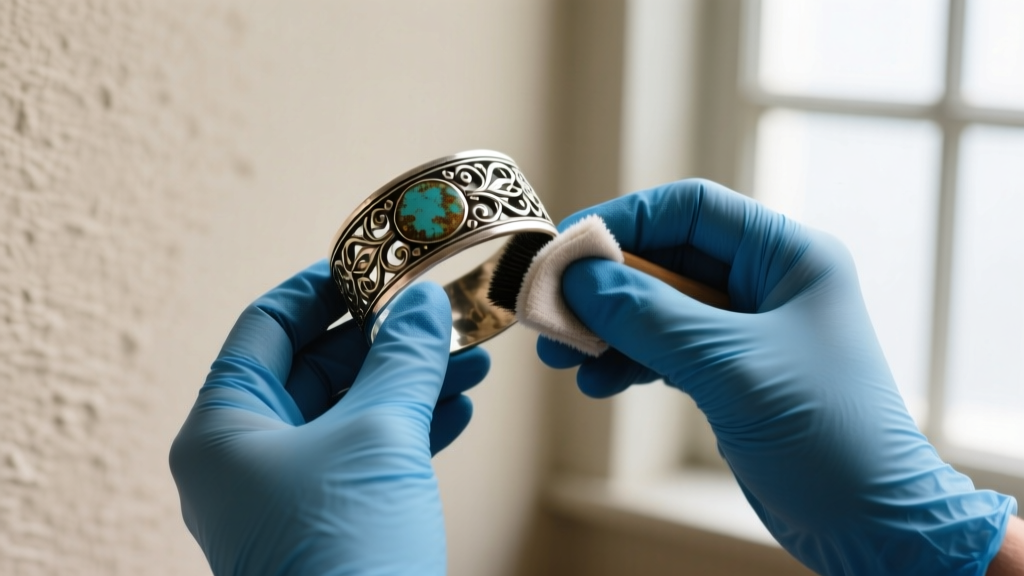
- What is the applicator type? (Brushes are great for diamond pavé; soft sponges are better for wide cuff bracelets).
Expert Verdict: Building Your 2026 Care Kit
"The biggest mistake collectors make is relying on a single 'miracle' liquid. Professional jewelers use a tiered approach: mechanical removal for light daily oils, mild surfactant foams for gemstone settings, and targeted chemical or electrolytic reduction only when heavy sulfide buildup occurs."
For the ultimate, safe setup, we recommend purchasing a dual-system kit. Invest in a high-quality, dual-layer treated polishing cloth (typically impregnated with jeweler's rouge and an anti-tarnish inhibitor) for weekly maintenance. Pair this with a targeted, thiourea-free foaming cleaner for your gemstone-set pieces. Reserve the harsh, instant liquid dips strictly for solid silver chains and un-set wedding bands, and always follow up with a distilled water rinse and a microfiber dry to halt the chemical process.


