A Beginner's Guide to Using a Non Toxic Jewelry Cleaner
Discover how to safely clean your rings and necklaces with a non toxic jewelry cleaner. Learn DIY recipes, brand picks, and gemstone safety tips.

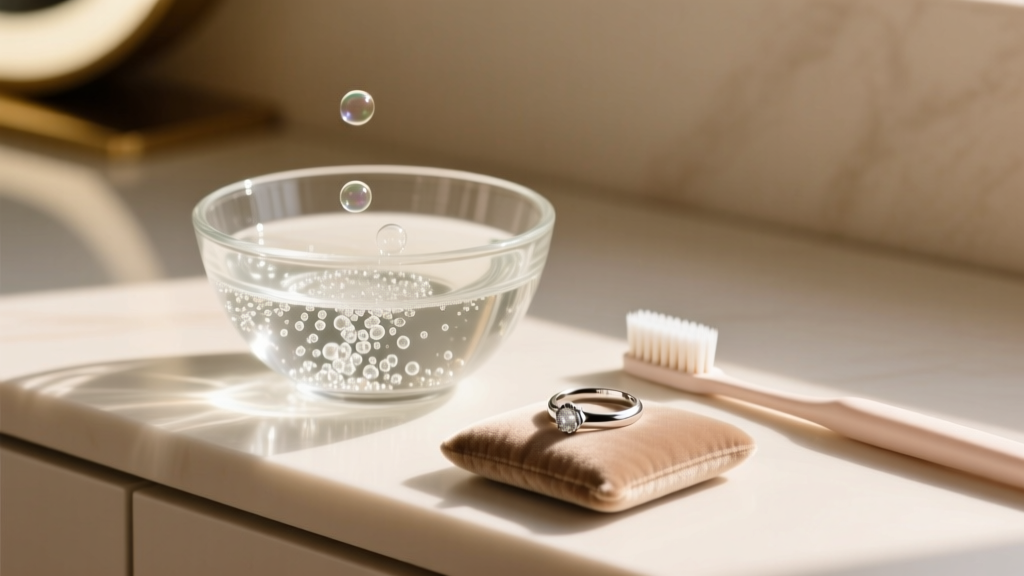
When you invest in fine jewelry, keeping it pristine is a top priority. However, many conventional jewelry dips and ultrasonic solutions rely on harsh, volatile chemicals that can irritate your skin, degrade delicate gemstones, and harm the environment. As consumers become more health-conscious, the demand for a reliable non toxic jewelry cleaner has skyrocketed. Whether you are dealing with a tarnished sterling silver chain or a diamond engagement ring coated in daily lotion buildup, transitioning to eco-friendly, skin-safe cleaning methods is one of the best decisions you can make for your collection.
This beginner-friendly guide will demystify the chemistry behind safe jewelry care, provide exact measurements for effective DIY soaks, and help you understand which materials require specialized, gentle handling.
What Exactly Makes a Jewelry Cleaner 'Non-Toxic'?
In the jewelry care industry, the term 'non-toxic' generally refers to formulations that are free from volatile organic compounds (VOCs), corrosive acids, and heavy metal chelators. Traditional silver dips, for example, often rely on thiourea—a chemical compound that strips tarnish instantly but is a known carcinogen and can cause severe respiratory irritation. Similarly, many commercial gold cleaners use concentrated ammonia to cut through grease, which can degrade the structural integrity of porous stones and irritate the user's lungs.
A true non toxic jewelry cleaner relies on mild, plant-derived surfactants and neutral pH levels to lift oils, dead skin cells, and environmental dust without chemically altering the metal or the gemstone. These cleaners are safe to use in unventilated spaces, safe for accidental skin contact, and safe to rinse down standard household drains without harming local water ecosystems.
The Chemistry of Safe Cleaning: Ingredients to Avoid
Before you purchase a commercial eco-cleaner or mix a DIY solution, you must know which chemicals to actively avoid. Here is a breakdown of common toxic jewelry cleaning agents and their specific failure modes:
| Chemical Agent | Commonly Found In | Why It Is Harmful |
|---|---|---|
| Thiourea | Instant silver dips | Highly toxic, carcinogenic, and leaves a sulfide residue that accelerates future tarnishing. |
| Ammonia | Gold and diamond cleaners | Causes respiratory irritation and can fracture treated gemstones like fracture-filled diamonds. |
| Sodium Lauryl Sulfate (SLS) | Harsh commercial degreasers | An aggressive surfactant that can strip natural oils from organic gems like pearls and coral. |
| Chlorine / Bleach | Household cleaners, tap water | Reacts with copper alloys in 14k and 18k gold, leading to stress corrosion cracking and prong failure. |
Top DIY Non Toxic Jewelry Cleaner Recipes
You do not need to spend $20 on a boutique eco-cleaner to achieve professional results. By utilizing simple, food-grade, and plant-based ingredients, you can create highly effective non toxic jewelry cleaners at home. The secret lies in using distilled water rather than tap water, as municipal tap water contains chlorine and trace minerals that can spot or tarnish soft metals.
The Everyday Castile Soap Soak
This is your go-to solution for diamonds, sapphires, platinum, and solid gold. It relies on the gentle degreasing power of plant-based surfactants.
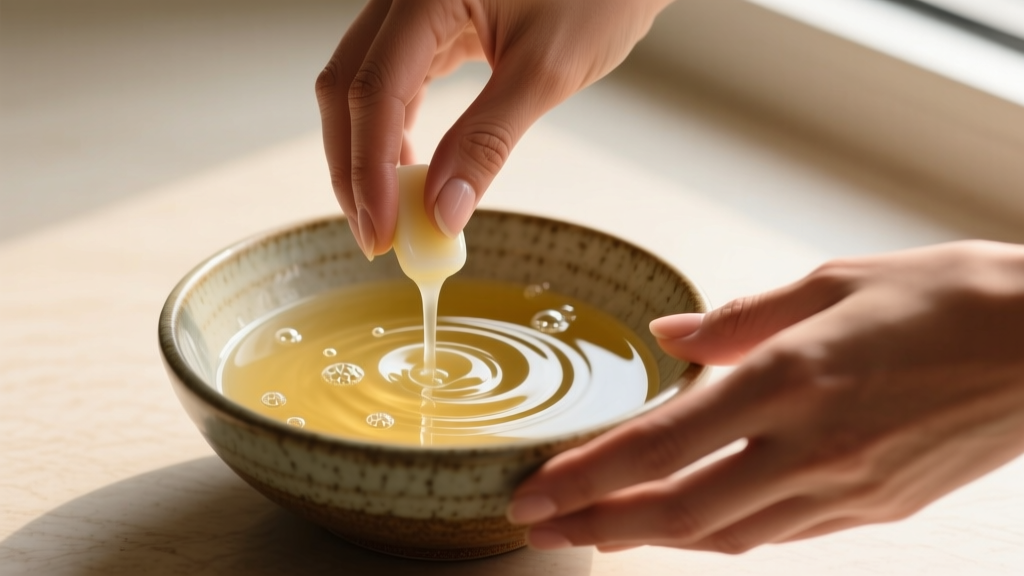
- Ingredients: 1 cup warm distilled water, 1/4 teaspoon unscented liquid Castile soap (such as Dr. Bronner's Baby Unscented).
- Method: Mix gently to avoid creating excessive suds. Soak your jewelry for 10 to 15 minutes. Use a baby toothbrush with extra-soft bristles to gently sweep behind the gemstone settings where lotion accumulates.
- Rinse & Dry: Rinse under a gentle stream of distilled water and pat dry with a lint-free microfiber cloth.
The Baking Soda Paste (For Solid Silver Only)
Warning: Baking soda is highly abrasive on a microscopic level. While it is a fantastic non-toxic tarnish remover for solid sterling silver, it will cause micro-scratches on high-polish gold and platinum, eventually dulling the metal's luster. Never use this on gemstones.
- Ingredients: 2 tablespoons aluminum-free baking soda, 1 tablespoon distilled water.
- Method: Create a thick paste. Apply it to a soft, damp cellulose sponge (never a paper towel, which contains wood fibers that scratch silver). Gently rub the silver in straight lines, not circles, to match the metal's grain.
- Rinse & Dry: Rinse thoroughly and buff immediately with a dedicated silver polishing cloth.
Commercial Non-Toxic Cleaners: What to Look For
If you prefer the convenience of a pre-mixed commercial solution, look for brands that transparently list their ingredients. In 2026, the gold standard for non-toxic commercial jewelry cleaners relies on Decyl Glucoside or Lauryl Glucoside. These are ultra-mild, non-ionic surfactants derived from corn starch and coconut oil. They effectively break down sebum and cosmetic oils without requiring harsh alkaline pH adjusters.
'When evaluating an eco-friendly jewelry cleaner, always check the pH level. A safe, non-toxic cleaner should sit right around a neutral pH of 7. Anything below 5 (acidic) or above 9 (alkaline) risks damaging soft metals and treated stones over time.' — Master Bench Jeweler Insights
Avoid products that list 'proprietary fragrance blends,' as these often contain hidden phthalates and synthetic alcohols that can dry out organic gemstones.
Gemstone and Metal Compatibility Guide
Even the safest, most non toxic jewelry cleaner can cause damage if the physical mechanics of the cleaning process are wrong for the stone. You must understand the Mohs Hardness Scale and porosity levels of your specific gems.
Porous and Organic Stones (Mohs 2.5 - 5.5)
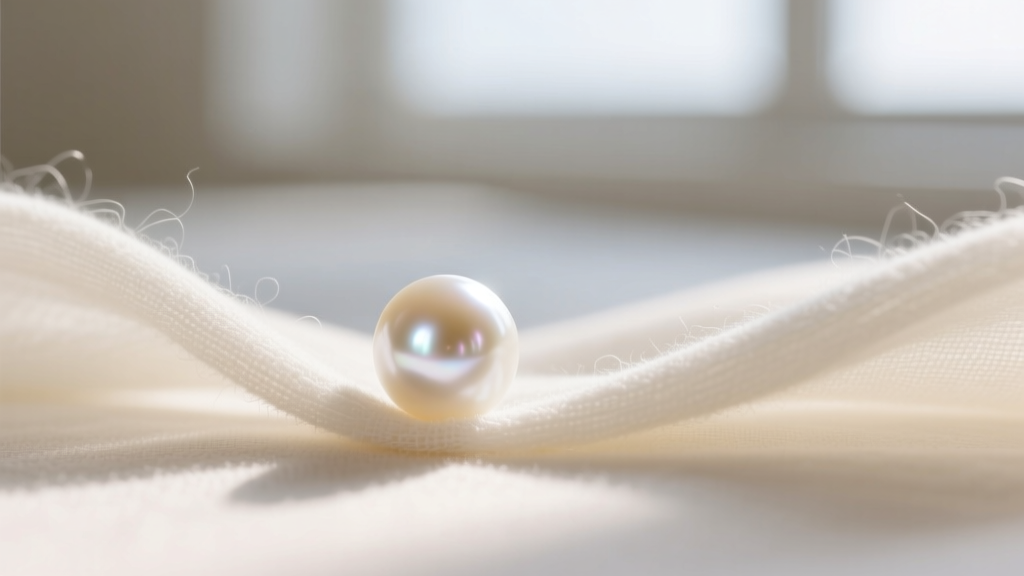
Stones like pearls, opals, turquoise, malachite, and coral are incredibly delicate. They are porous, meaning they will literally absorb liquids. If you submerge a strand of Akoya pearls in soapy water, the silk thread will stretch and degrade, and the pearls may absorb the soap, leading to a permanent cloudy appearance.
- The Non-Toxic Fix: Never soak porous stones. Instead, dampen a microfiber cloth with plain distilled water and gently wipe the surface of the stone. For pearls, use a cloth very lightly misted with a 50/50 mix of distilled water and olive oil to restore luster.
Hard and Durable Stones (Mohs 7.5 - 10)
Diamonds, rubies, and sapphires are highly resistant to scratching and chemical damage. The primary issue with these stones is not the gem itself, but the grease that accumulates on the pavilion (the bottom of the stone), which blocks light refraction and makes the diamond look cloudy. The Castile soap soak mentioned above is perfectly safe and highly effective for these durable stones.
Step-by-Step Cleaning Routine for Beginners
To establish a safe, non-toxic maintenance routine, follow this standardized protocol recommended by the Jewelers of America for standard diamond and gold pieces:
- Inspect First: Before any liquid touches your jewelry, use a magnifying glass to check the prongs. If a prong is lifted or loose, do not soak or brush the piece; the stone could fall out.
- The Soak: Submerge the piece in your warm Castile soap solution for exactly 10 minutes. This softens hardened lotions and sebum.
- The Agitation: Using an extra-soft baby toothbrush, brush the jewelry gently. Focus on the underside of the setting. Do not scrub the top of the gemstone aggressively.
- The Rinse: Plug your sink drain (or use a separate bowl) and rinse with distilled water to prevent water spots.
- The Dry: Use a hair dryer on the 'cool' setting to blow water out of hard-to-reach crevices, then buff the metal with a clean, dry microfiber cloth.
When to Skip DIY and See a Professional
While a non toxic jewelry cleaner is excellent for routine maintenance, it cannot reverse deep chemical tarnish, remove heavy oxidation from intricate filigree, or fix structural issues. If your sterling silver has turned completely black and the baking soda paste isn't cutting it, or if your white gold ring is showing its natural yellow-gold undertones, it is time to visit a professional jeweler.
Professionals use specialized electrolytic polishing and high-frequency ultrasonic machines that are calibrated to specific metal alloys. Furthermore, a professional cleaning always includes a structural integrity check, ensuring your prongs, clasps, and jump rings are secure before you resume your daily wear. By combining professional annual check-ups with your weekly non-toxic home cleaning routine, your jewelry will remain brilliant, safe, and structurally sound for generations.


