Razzle Dazzle Jewelry Cleaner Review: Budget & Value Assessment
Is Razzle Dazzle jewelry cleaner worth your money? We break down the cost-per-use, chemical safety, and value compared to DIY and ultrasonic methods.

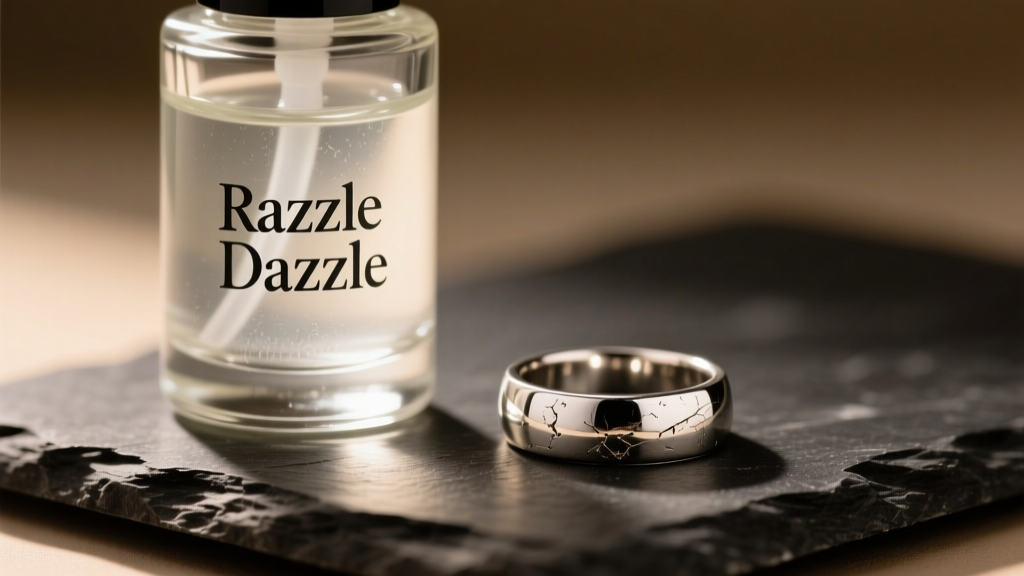
The jewelry care market is saturated with promises of instant brilliance, but as any seasoned collector knows, marketing hype rarely translates to metallurgical results. When evaluating the Razzle Dazzle jewelry cleaner line, the modern consumer must look beyond the aesthetic packaging and assess the actual chemical efficacy, material safety, and long-term financial value. In this comprehensive budget and value assessment, we strip away the fluff and analyze whether this commercial solution earns a permanent spot on your vanity, or if your money is better spent on ultrasonic technology and DIY surfactant blends.
The Chemistry of Clean: Surfactants vs. Harsh Dips
To understand the value proposition of the Razzle Dazzle jewelry cleaner, we first have to examine its chemical architecture. Many budget-tier commercial silver dips rely heavily on thiourea, a chemical compound that aggressively strips silver sulfide (tarnish) through a reduction reaction. While effective, thiourea-based dips emit a distinct sulfur odor, can cause micro-pitting in sterling silver over time, and are highly toxic if ingested or left on the skin.
Razzle Dazzle formulates its liquid solutions using a blend of non-ionic surfactants and mild chelating agents. Instead of chemically burning off the tarnish layer, these surfactants lower the surface tension of water, allowing the solution to penetrate the microscopic crevices of a setting and lift away sebum, lotions, and environmental dust. For light tarnish and daily grime, this is a vastly superior and safer approach. However, for heavily oxidized vintage pieces, a surfactant-based liquid will require mechanical assistance—such as a soft-bristled brush or a treated polishing cloth—to achieve a mirror finish.
Cost Breakdown: Razzle Dazzle vs. Market Alternatives
Assessing value requires a strict cost-per-use analysis. As of 2026, the price of precious metals and professional jewelry maintenance has surged, making at-home care more financially critical than ever. Below is a comparative breakdown of the Razzle Dazzle liquid cleaner against its primary market competitors and alternative methods.
| Cleaning Method | Average Cost (2026) | Cost Per Use | Efficacy on Heavy Tarnish | Gemstone Safety Profile |
|---|---|---|---|---|
| Razzle Dazzle Liquid (8 oz) | $12.99 | ~$0.15 | Moderate (Requires brushing) | High (Safe for most non-porous stones) |
| Connoisseurs Dazzle Drops | $14.50 (Concentrate) | ~$0.08 | Moderate | High |
| Wright's Silver Cream | $9.49 (8 oz) | ~$0.20 | High (Mild abrasive) | Low (Avoid on gems) |
| Entry-Level Ultrasonic | $35.00 (Hardware) | ~$0.02 (w/ Dawn) | High (Cavitation action) | Low (Vibrations fracture inclusions) |
| DIY Surfactant Blend | $0.50 (Ammonia/Dawn) | ~$0.01 | Low to Moderate | Moderate (Ammonia damages porous gems) |
From a purely financial perspective, the Razzle Dazzle jewelry cleaner sits in the mid-tier. It is slightly more expensive per ounce than making a DIY solution of warm water, a drop of Dawn dish soap, and a splash of household ammonia. However, the value emerges in its gemstone safety profile. Ammonia, while excellent for cutting grease on diamonds, will permanently etch the nacre of pearls and dehydrate opals. Razzle Dazzle's ammonia-free formulation mitigates the risk of catastrophic user error, saving you from potentially ruining a $500 gemstone to save ten cents on cleaning solution.
The Hidden Value: Preserving Rhodium Plating
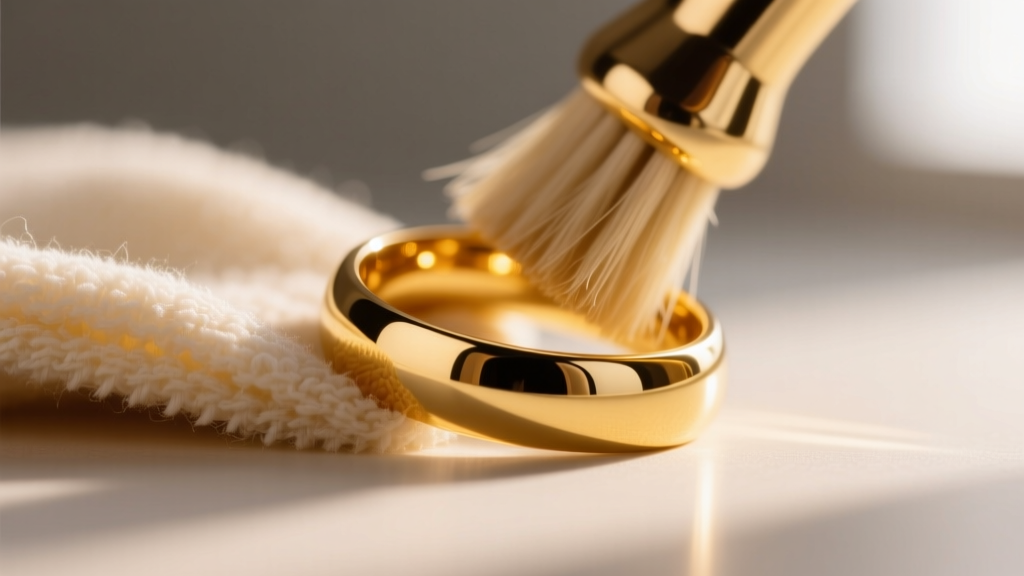
One of the most overlooked aspects of jewelry maintenance budgeting is the cost of white gold upkeep. White gold is inherently a pale yellow alloy; it achieves its brilliant, silvery-white appearance through a microscopic plating of rhodium, a platinum-group metal that is exceptionally rare and expensive.
According to the Federal Trade Commission (FTC) guidelines on gold jewelry, consumers must be aware that plating wears away over time. Harsh chemical dips and abrasive polishing cloths accelerate this degradation. In 2026, professional rhodium replating at a bench jeweler typically costs between $85 and $130 per ring. Because the Razzle Dazzle jewelry cleaner relies on gentle chelation rather than abrasive stripping, it preserves the rhodium layer significantly longer than budget silver creams. If using this cleaner delays your need for replating by just six months, the $13 bottle has effectively paid for itself three times over.
How It Handles Sterling Silver Tarnish
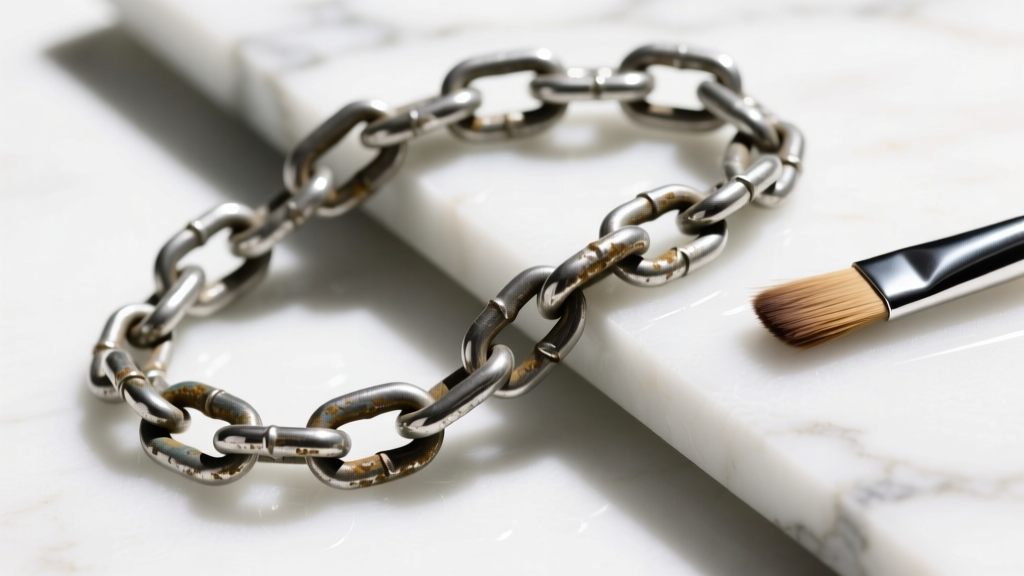
Sterling silver (92.5% silver, 7.5% copper) tarnishes when the copper alloy reacts with sulfur in the atmosphere to form copper sulfide. While Razzle Dazzle's liquid solution is excellent for removing the oils that trap sulfur against the metal, it is not a miracle worker for black-stage tarnish. For heavy oxidation, the true value in the Razzle Dazzle ecosystem is pairing their liquid soak with their treated microfiber polishing cloths. The cloth contains embedded anti-tarnish inhibitors that leave a microscopic protective barrier on the silver, slowing the re-oxidation process.
Gemstone Porosity and the Mohs Scale
A critical component of any value assessment is understanding what a product cannot do. The Gemological Institute of America (GIA) strictly advises against submerging porous gemstones in any liquid commercial cleaner. You must evaluate your jewelry wardrobe before purchasing the Razzle Dazzle jewelry cleaner.
- Safe for Submersion: Diamonds (Mohs 10), Sapphires (Mohs 9), Rubies (Mohs 9), and solid gold/platinum settings without fracture-filled inclusions.
- Clean with Caution (Damp Cloth Only): Emeralds (Mohs 7.5-8, often oil-treated), Tanzanite (Mohs 6.5-7, highly cleavage-prone).
- Never Submerge: Pearls, Opals, Turquoise, Coral, Lapis Lazuli, and Malachite. Liquid exposure can cause crazing, chemical etching, or dissolution of the stone's structural integrity.
If your collection consists primarily of diamond solitaires and plain gold bands, this cleaner offers excellent, safe value. If your collection is heavy on organic gems and opaque cabochons, your budget is better allocated toward specialized, non-liquid polishing tools.
Final Verdict: Who Should Buy Razzle Dazzle?
The Razzle Dazzle jewelry cleaner is not a magical eraser for deep scratches, nor is it a heavy-duty industrial descaler for neglected estate jewelry. It is, however, a highly effective, chemically safe maintenance tool for the modern jewelry wearer.
The Bottom Line: For collectors who wear their 14k gold, platinum, and diamond jewelry daily and need a safe, ammonia-free weekly maintenance soak, the Razzle Dazzle jewelry cleaner offers a strong return on investment. The cost-per-use is low, and the gentle formulation protects expensive rhodium plating and delicate prong settings from the micro-abrasions caused by harsher budget alternatives.
If you are dealing with heavily oxidized vintage silver or require deep cavitation cleaning for intricate pavé settings, you should bypass liquid soaps entirely and invest in a professional-grade ultrasonic cleaner or a specialized silver reduction bath. But for everyday brilliance and safe gemstone care, Razzle Dazzle earns its place in the 2026 jewelry care arsenal.


