Can Hydrogen Peroxide Clean Jewelry? Pre-Gift Care Guide
Discover if hydrogen peroxide is safe for cleaning jewelry before gifting. Expert occasion-matched care tips for diamonds, silver, and pearls.

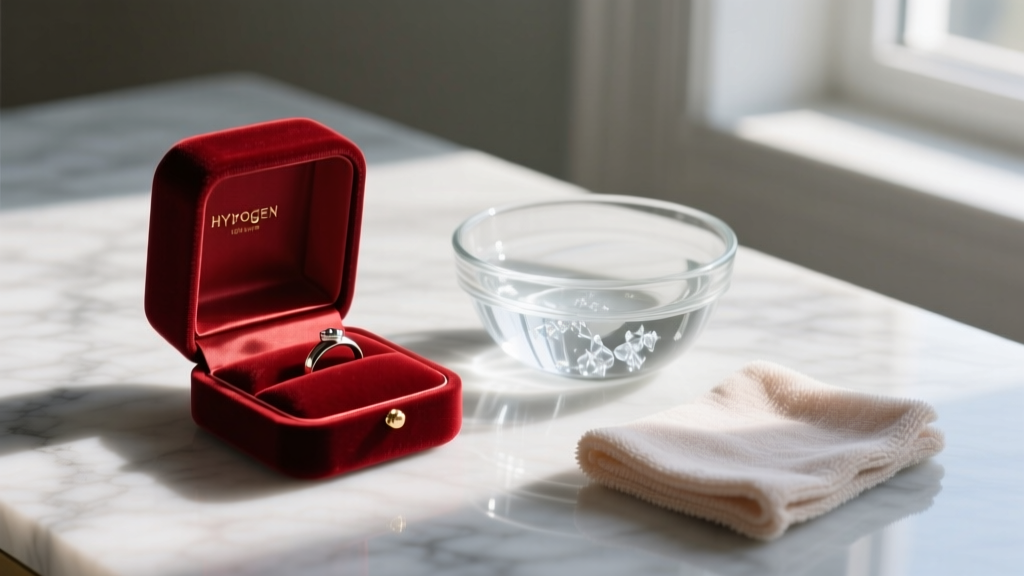
The Gifting Dilemma: Preparing Jewelry for Presentation
The unboxing moment is the climax of any jewelry gift. Whether you are presenting a vintage heirloom for a milestone anniversary or a sleek sterling silver piece for a holiday stocking stuffer, the condition of the metal and gemstones dictates the recipient's first impression. When time is short and the jewelry box is open on the bathroom vanity, many well-meaning gifters turn to the medicine cabinet and ask: can hydrogen peroxide clean jewelry safely? The short answer is highly nuanced. While hydrogen peroxide (H2O2) is a staple for disinfecting minor cuts, its chemical properties make it a volatile choice for precious metals and delicate gemstones. In this comprehensive gifting guide, we break down the chemistry of H2O2, match cleaning methods to specific gifting occasions, and provide expert alternatives to ensure your present sparkles flawlessly.
The Chemistry: Why H2O2 is a Double-Edged Sword
To understand why household hydrogen peroxide (typically a 3% aqueous solution) can be dangerous to jewelry, we must look at its molecular structure. H2O2 is a powerful oxidizing agent. The weak oxygen-oxygen bond breaks down readily, releasing reactive oxygen species. This is excellent for destroying organic bacteria and breaking down dried lotions or skin oils. However, this same oxidative power is precisely what causes irreversible damage to many jewelry materials.
According to the Gemological Institute of America (GIA), oxidizing agents can severely compromise fracture-filled diamonds and destabilize porous gemstone structures. Furthermore, H2O2 reacts aggressively with electron-rich base metals. If your gift contains copper alloys (common in 14k gold, rose gold, and sterling silver), the peroxide will accelerate oxidation, resulting in rapid, uneven tarnishing and surface pitting. Using H2O2 is not a universal shortcut; it is a chemical gamble that requires strict material awareness.
Occasion-Matched Cleaning: What to Gift and How to Prep
Matching your cleaning protocol to the occasion and the specific materials of your gift is the hallmark of a thoughtful, knowledgeable giver. Here is how to approach the most common gifting scenarios.
Engagements & Anniversaries: Diamonds, Sapphires, and Platinum
For high-stakes romantic occasions, platinum and high-clarity diamonds are the standard. Platinum is a noble metal and highly resistant to the oxidizing effects of 3% hydrogen peroxide. Similarly, pure carbon diamonds will not chemically react with H2O2. However, there is a critical caveat: if the diamond has been fracture-filled (a common clarity enhancement process using glass-like resins), hydrogen peroxide will cloud and degrade the filler, leaving a permanent milky haze inside the stone. Sapphires and rubies (corundum) are generally safe from H2O2, but if they have been fracture-filled with lead glass or oiled, the peroxide will strip the treatment. For these monumental gifts, skip the peroxide and use a specialized, non-oxidizing foaming diamond cleaner.
Graduations & Heirlooms: Pearls, Opals, and Turquoise
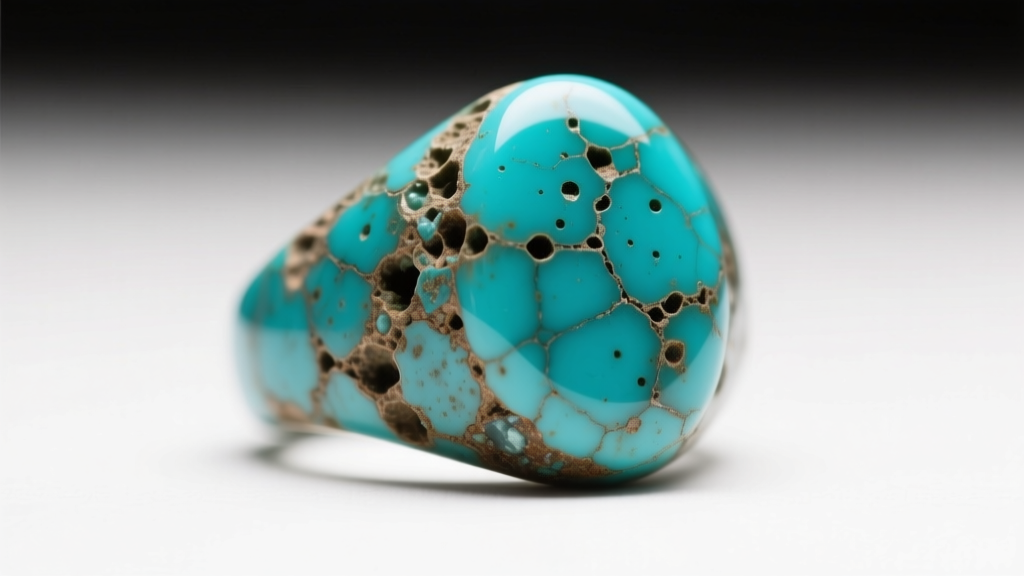
Gifting organic or porous gemstones for a graduation or passing down a family heirloom requires extreme gentleness. Pearls are composed of nacre (calcium carbonate), which is highly susceptible to acidic and oxidizing degradation. Submerging pearls in hydrogen peroxide will dull their luster, weaken the silk threading, and eventually dissolve the outer nacre layers. Opals contain 3% to 10% water within their silica structure; harsh chemicals can cause "crazing" (a network of fine internal cracks) and permanent clouding. Turquoise and emeralds are similarly porous and often treated with oils or resins. H2O2 will strip these oils, leaving the stones dry, brittle, and discolored. For these sentimental gifts, a simple wipe with a damp, lint-free microfiber cloth is the only safe pre-gift preparation.
Holidays & Milestones: Sterling Silver and Gold Alloys
Sterling silver (92.5% silver, 7.5% copper) is a beloved holiday gift, but it is notoriously reactive. When hydrogen peroxide contacts sterling silver, a rapid chemical reaction occurs, forming silver oxide (tarnish). Instead of cleaning your silver chain or cufflinks, a peroxide soak will turn them dark grey or black within minutes. Similarly, 14k and 18k yellow or rose gold contain significant amounts of copper and zinc. Prolonged exposure to H2O2 will oxidize these alloy metals, causing unsightly dark spotting on the surface of the jewelry. For silver and gold alloy gifts, rely on mechanical polishing or specialized chemical dips designed specifically for those metallurgies.
The Ultimate Pre-Gift Cleaning Compatibility Matrix
Use this quick-reference table to determine if hydrogen peroxide is appropriate for the specific piece you are preparing to gift.
| Material / Gemstone | H2O2 Safe? | Ideal Gifting Occasion | Recommended Pre-Gift Cleaning Method |
|---|---|---|---|
| Platinum & Untreated Diamonds | Yes (Brief soak) | Engagements, Major Anniversaries | Mild dish soap, warm water, soft brush |
| Sterling Silver (925) | NO (Causes rapid tarnish) | Holidays, Birthdays | Anti-tarnish polishing cloth, silver dip |
| 14k / 18k Gold Alloys | NO (Oxidizes copper/zinc) | Milestones, Graduations | Commercial non-ammonia gold cleaner |
| Pearls & Coral | NO (Dissolves nacre) | Weddings, Mother's Day | Damp microfiber cloth, gentle wipe |
| Opals & Turquoise | NO (Causes crazing/pitting) | Heirloom Pass-downs | Dry, soft-bristled brush only |
| Fracture-Filled Diamonds | NO (Clouds resin filler) | Anniversaries | Warm water, no harsh chemicals |
Better Alternatives: Building a Jewelry Care Add-On Gift
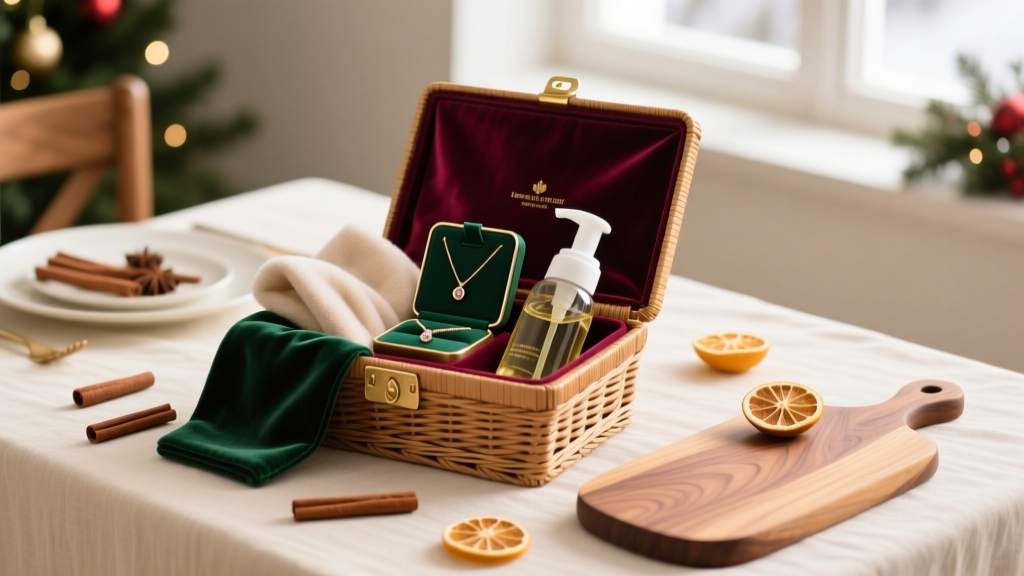
Rather than risking damage with household chemicals, elevate your gifting experience by pairing the jewelry with a professional care kit. According to Jewelers of America, providing the recipient with the proper maintenance tools extends the life of the piece and shows a deep level of consideration. Here are the industry-standard products to include in your gift presentation:
- Connoisseurs Quick Clean: An excellent, ammonia-free foaming cleaner safe for most precious metals and hard gemstones. It comes with a built-in brushing basket, making it a perfect user-friendly gift.
- Hagerty Silversmiths Pump Spray: If you are gifting sterling silver, this non-abrasive spray neutralizes sulfur compounds that cause tarnish without scratching the silver's delicate patina.
- Cape Cod Metal Polishing Cloths: These reusable, treated cotton cloths are infused with a gentle polishing compound. They are the gold standard for restoring high-shine finishes to gold and silver cufflinks, chains, and bands.
- Town Talk Anti-Tarnish Strips: A highly practical stocking stuffer. These chemically treated paper strips absorb airborne sulfur and prevent silver and copper alloys from tarnishing while sitting in the jewelry box.
Expert Gifting Tip: Never wrap freshly cleaned jewelry in standard tissue paper or cardboard while it is still damp. The sulfur compounds and acids present in standard paper products will induce rapid tarnishing on silver and copper alloys. Always dry the piece completely with a lint-free cloth and store it in an acid-free, tarnish-resistant flannel pouch before placing it in the gift box.
Final Polish: Presentation Matters
So, can hydrogen peroxide clean jewelry? Only in a very narrow set of circumstances involving untreated hard stones and noble metals like platinum. For the vast majority of gifting scenarios—involving sterling silver, gold alloys, pearls, and porous gems—hydrogen peroxide is a destructive force that will ruin the unboxing experience. By understanding the metallurgy and gemology of your gift, and by investing in professional, material-specific cleaning alternatives, you ensure that your present remains as brilliant and enduring as the occasion it celebrates.


