What Kind of Jewelry Doesn't Tarnish? 2026 Gift Guide
Discover what kind of jewelry doesn't tarnish in our 2026 gift guide. Match low-maintenance metals to every occasion for a lasting, care-free present.

The Ultimate Care-Free Gift: Understanding Tarnish-Free Metals
When selecting a meaningful gift, the last thing you want is for your present to turn dull, green, or black after a few months of wear. If you have ever found yourself asking what kind of jewelry doesn't tarnish, you are not alone. Tarnish is a chemical reaction that plagues many popular metals, but by understanding metallurgy, you can choose pieces that remain brilliant for a lifetime. In this 2026 gift guide, we break down the exact materials that resist oxidation, how to match them to your recipient's lifestyle, and the specific cleaning protocols required to keep them looking pristine.
The Science of Tarnish: Why Some Metals Stay Bright
Tarnish is essentially a thin layer of corrosion that forms on the surface of metals when they react with non-metals like oxygen, sulfur, or moisture. Sterling silver, for instance, contains 7.5% copper, which reacts with sulfur in the air to create black silver sulfide. Similarly, lower-karat gold alloys (like 10k or 14k) contain copper and zinc, which can oxidize and cause skin discoloration or surface dullness over time.
To find jewelry that genuinely does not tarnish, we must look toward noble metals and refractory metals. These materials possess a high resistance to corrosion and oxidation, even in humid or highly active environments. According to the Gemological Institute of America (GIA), noble metals like platinum are virtually immune to the chemical reactions that cause standard tarnish, making them the gold standard for heirloom gifting.
What Kind of Jewelry Doesn't Tarnish? The Core Materials
Not all "tarnish-resistant" claims are created equal. Here are the definitive, scientifically backed metals that will not tarnish, along with their specific grades and characteristics.
1. Platinum and Palladium (The Noble Metals)
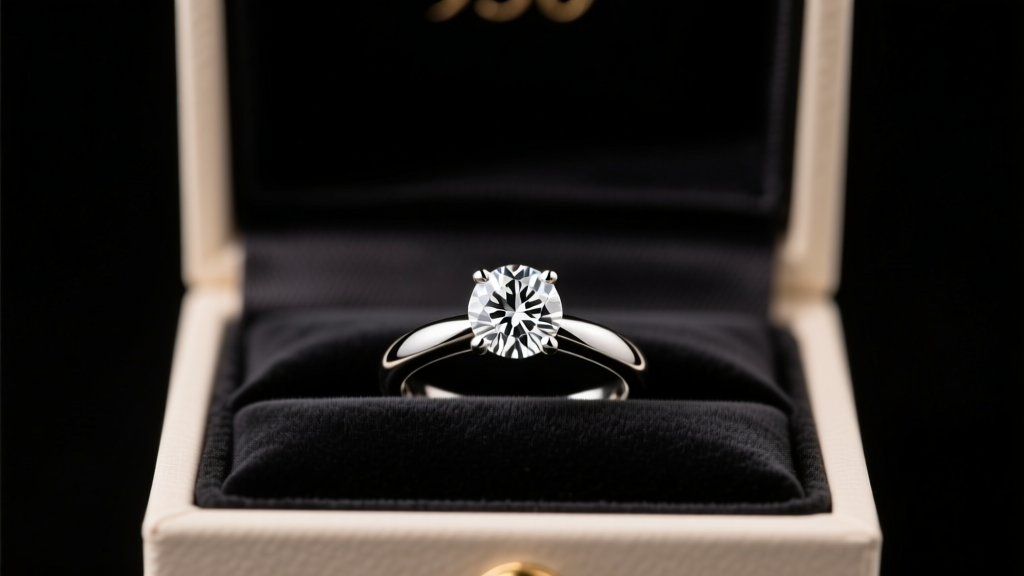
Platinum (specifically 950 Pt, which is 95% pure platinum alloyed with 5% ruthenium or iridium) is entirely hypoallergenic and will never tarnish, fade, or change color. Instead of tarnishing, platinum develops a soft, frosted "patina" over years of heavy wear due to microscopic scratches. This patina is highly prized by jewelry enthusiasts and can be easily polished back to a mirror finish. Palladium, a sister metal in the platinum group, shares these exact non-tarnishing properties but is significantly lighter and more affordable.
2. Titanium (The Aerospace Workhorse)
When jewelers use titanium, they are typically utilizing Grade 5 titanium (Ti-6Al-4V). This aerospace-grade alloy is incredibly strong, lightweight, and completely impervious to oxygen and moisture corrosion. It will not rust, tarnish, or turn the skin green. Because it is biocompatible, it is also the premier choice for fresh body piercings and recipients with severe metal allergies.
3. Tungsten Carbide (The Modern Armor)
Tungsten carbide is not a pure metal but a composite of tungsten and carbon atoms. It is famously scratch-resistant—ranking between 8.5 and 9 on the Mohs hardness scale—and is entirely immune to tarnish. However, buyers must ensure the tungsten is bound with nickel rather than cobalt. Cobalt-bound tungsten can react with skin oils and environmental chemicals, leading to pitting and surface degradation, whereas nickel-bound tungsten remains perfectly stable.
4. 316L Surgical Stainless Steel (The Budget Champion)
For a highly affordable, care-free gift, 316L marine-grade stainless steel is exceptional. The "L" stands for low carbon, and the alloy contains molybdenum, which drastically increases its resistance to chlorides and industrial solvents. It will not tarnish or rust under normal wear conditions, making it ideal for everyday fashion jewelry.

Occasion Matching: Gifting Tarnish-Free Pieces by Lifestyle
Knowing what kind of jewelry doesn't tarnish is only half the battle; matching the metal to the recipient's daily routine ensures the gift is both practical and cherished. Use the framework below to select the perfect material.
| Occasion / Recipient | Ideal Metal | Estimated Budget | Lifestyle Match |
|---|---|---|---|
| Engagements & Milestone Anniversaries | 950 Platinum | $800 - $3,000+ | Heirloom quality, prestige, everyday wear without color loss. |
| Men's Wedding Bands & Active Professionals | Tungsten Carbide (Nickel-bound) | $40 - $150 | Heavy manual labor, gym-goers, scratch-prone environments. |
| Graduation & First "Real" Jewelry | 316L Stainless Steel | $25 - $90 | Students, budget-conscious buyers, trendy everyday fashion. |
| Body Piercings & Sensitive Skin | Grade 5 Titanium | $30 - $120 | Hypoallergenic needs, swimmers, medical professionals. |
Cleaning & Care: Maintaining "Zero-Tarnish" Jewelry
While these metals will not chemically tarnish, they are not immune to accumulating sebum, lotions, soap scum, and environmental dirt. A buildup of oils will make even the brightest platinum look dull and gray. Proper cleaning is essential to maintain their optical brilliance.
The Universal Gentle Clean
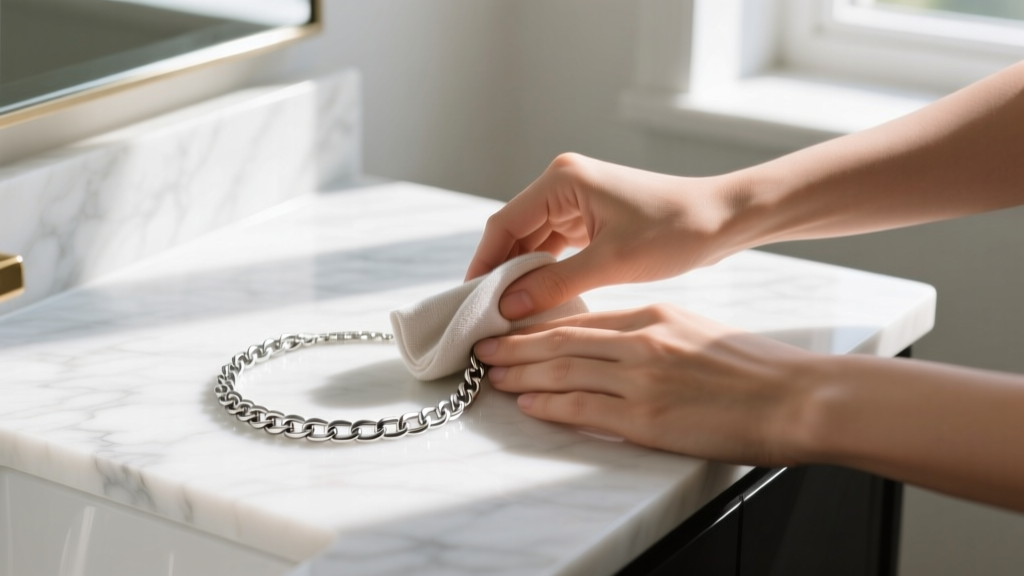
For all the metals listed above, the safest and most effective cleaning method involves a simple solution of warm water and a few drops of mild, non-detergent dish soap (such as original Dawn). Soak the piece for 15 minutes, then gently agitate it with a soft-bristled baby toothbrush. Rinse under lukewarm tap water and pat dry with a lint-free microfiber cloth.
Ultrasonic Cleaner Safety
Ultrasonic cleaners use high-frequency sound waves to cavitate dirt away from jewelry. Platinum, Titanium, and Stainless Steel are entirely safe in ultrasonic machines, provided they do not contain fragile gemstones like emeralds or opals. Tungsten Carbide, however, should generally be kept out of ultrasonic cleaners; the intense vibrations can sometimes cause micro-fractures in the carbide structure if the ring has been previously dropped or stressed.
Chemicals to Strictly Avoid
Even non-tarnishing metals have vulnerabilities. Never expose any jewelry to household bleach. Bleach can cause severe pitting in the alloy binders of tungsten and can weaken the structural integrity of stainless steel over time. For detailed gemstone and metal care protocols, always refer to the GIA Gem Care and Cleaning Guide.
What to Avoid: The "Tarnish-Resistant" Traps
When shopping for gifts, beware of marketing terms like "tarnish-resistant" or "anti-tarnish." These often describe base metals that have been plated with a microscopic layer of rhodium or gold. Gold vermeil (gold plated over sterling silver) and rhodium-plated brass will absolutely tarnish once the plating wears away, exposing the reactive core metal to the air and skin acids.
If your goal is to gift a piece that requires zero re-plating and will never turn the wearer's skin green, you must insist on solid metals. Always check the stamp: look for 950 Pt, 316L, or Ti. Avoid anything labeled "GP" (Gold Plated), "GEP" (Gold Electroplated), or "Vermeil" if longevity and tarnish-prevention are your primary concerns.
Final Thoughts on Gifting Longevity
Understanding what kind of jewelry doesn't tarnish elevates your gifting strategy from a simple transaction to a thoughtful investment in the recipient's daily life. By selecting 950 platinum for milestones, tungsten for rugged durability, or 316L steel for accessible everyday style, you ensure your gift remains as vibrant in 2036 as the day it was unwrapped. Pair your metal choice with a gentle cleaning routine, and you will gift not just a beautiful object, but a truly care-free experience.


