The Best Solution for Jewelry Cleaner: 2026 Trend Analysis
Discover the top trending solution for jewelry cleaner in 2026. We analyze bio-enzymatic formulas, material safety, and expert care frameworks.

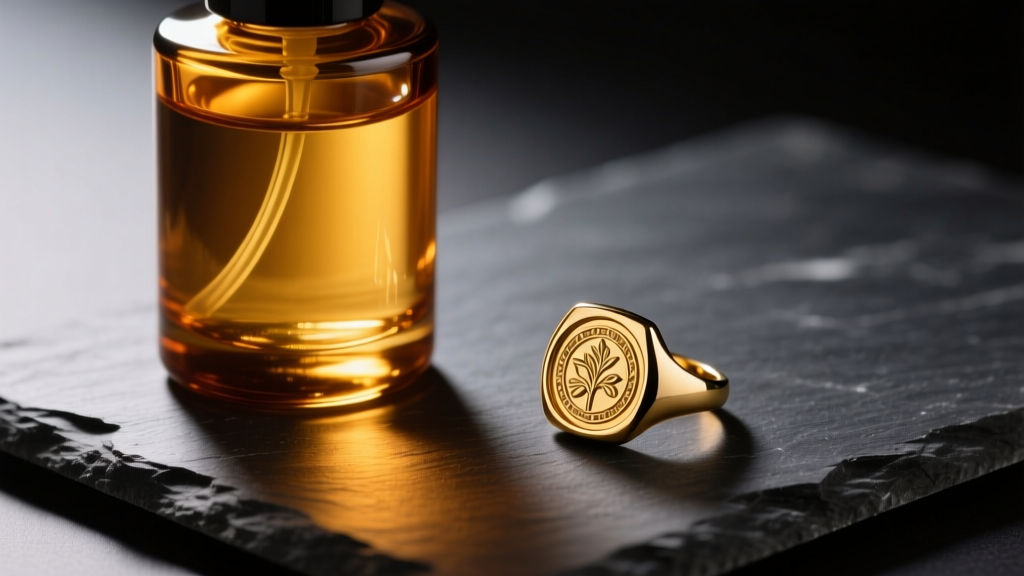
The landscape of fine jewelry maintenance has undergone a radical transformation. As we navigate 2026, the modern collector and stylist are no longer satisfied with the harsh, ammonia-based chemicals of the past. Today, finding the right solution for jewelry cleaner is as much about material science and sustainability as it is about restoring brilliance. The intersection of style and care has birthed a new era of bio-enzymatic formulas, nanoparticle suspensions, and pH-balanced surfactants designed specifically for the complex alloys and lab-grown gemstones dominating the current market.
At Jewelry Style Radar, we have analyzed the chemical compositions, failure modes, and stylist preferences driving this year's top cleaning trends. Whether you are maintaining a vintage 14k yellow gold signet ring or a contemporary platinum setting with a CVD diamond, understanding the chemistry behind your cleaning solution is critical to preserving your investment.
The Chemistry Shift: Why Ammonia is Out
For decades, ammonia was the undisputed king of commercial jewelry cleaning solutions. Its high pH effectively stripped sebum, lotions, and environmental grime from diamond pavilions. However, the 2026 consensus among master jewelers and metallurgists is clear: ammonia is a liability for modern alloy compositions.
The primary failure mode of ammonia-based cleaners is stress corrosion cracking (SCC). Many contemporary white gold alloys utilize nickel or palladium as bleaching agents. When exposed to alkaline ammonia solutions repeatedly, the microscopic grain boundaries of these alloys can degrade, leading to brittle prongs and catastrophic stone loss. Furthermore, ammonia aggressively strips rhodium plating, accelerating the yellowing effect in white gold and forcing more frequent, expensive re-plating sessions.
Instead, the industry has pivoted toward non-ionic surfactants, such as decyl glucoside. Derived from corn and coconuts, these plant-based surfactants lower the surface tension of water without altering its pH, effectively lifting oils from high-refractive-index stones without threatening the structural integrity of the metal setting.
2026 Trend Report: Top Solutions Compared
To understand what top stylists and gemologists are recommending this year, we compiled data on the most prevalent categories of liquid cleaners currently on the market. The shift toward eco-toxicity scoring reflects a broader consumer demand for sustainable luxury care.
| Solution Type | Active Agent | Best Application | Price Range (8oz) | Eco-Toxicity Score |
|---|---|---|---|---|
| Bio-Enzymatic | Protease & Lipase Enzymes | Organic buildup, daily wear, porous gems | $22 - $35 | 9.5/10 |
| Nanoparticle Silver Dip | Colloidal Silver & Thiourea-free acids | Heavy tarnish on sterling silver (925) | $28 - $45 | 7.0/10 |
| pH-Neutral Surfactant | Decyl Glucoside | Lab-grown diamonds, moissanite, platinum | $18 - $28 | 9.0/10 |
| Traditional Alkaline | Ammonia & Isopropanol | Untreated, high-durability diamonds only | $8 - $15 | 3.5/10 |
According to industry analyses published by JCK Online, bio-enzymatic cleaners have seen a 140% increase in market share over the last eighteen months, driven by their ability to safely break down protein-based grime (like sweat and skin cells) without relying on volatile organic compounds (VOCs).
Gemstone-Specific Failures: Beyond the Mohs Scale
A common misconception in jewelry care is that the Mohs hardness scale dictates chemical resistance. This is a dangerous fallacy. Hardness only measures scratch resistance; it tells you nothing about a gemstone's chemical stability or porosity.
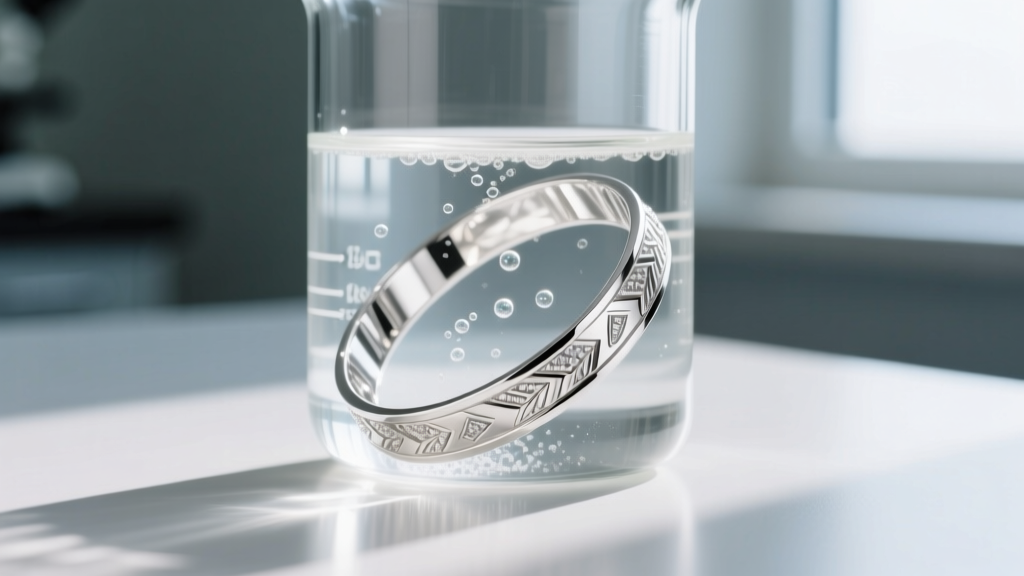
The Emerald and Opal Vulnerability
Emeralds (Mohs 7.5-8) are notoriously fragile in ultrasonic and chemical environments. Nearly all commercial emeralds are treated with cedar oil or synthetic resins to mask natural fissures. Using a solvent-heavy solution for jewelry cleaner will dissolve this oil, leaving the stone looking cloudy and heavily included. Similarly, opals contain between 5% and 10% water. Cleaners containing alcohols or desiccating agents will draw this moisture out, resulting in 'crazing'—a network of microscopic internal cracks that destroys the stone's play-of-color.
The Lab-Grown Diamond Phenomenon
Chemical Vapor Deposition (CVD) and High Pressure High Temperature (HPHT) diamonds possess identical physical properties to mined diamonds, but their surface tension affinities can differ slightly due to the absence of certain natural mineral inclusions. Top gemologists at the Gemological Institute of America (GIA) consistently recommend gentle, non-ionic surfactants for lab-grown stones to prevent the buildup of static-attracted dust, which can dull their exceptional fire and scintillation.
Ultrasonic Synergy: Lowering the Cavitation Threshold
The modern jewelry care wardrobe frequently includes a 40kHz ultrasonic cleaner. However, the machine is only half the equation; the liquid medium dictates the safety and efficacy of the process. Ultrasonic cleaning works through cavitation—the rapid formation and collapse of microscopic vacuum bubbles in the liquid.
In 2026, premium cleaning solutions are specifically engineered with cavitation modifiers. These compounds reduce the surface tension of the water just enough to allow cavitation bubbles to form at lower energy thresholds. This means the collapsing bubbles are smaller and gentler, effectively dislodging microscopic debris from under the girdle of a diamond without subjecting delicate pave prongs to the violent shockwaves that cause metal fatigue and stone loss.
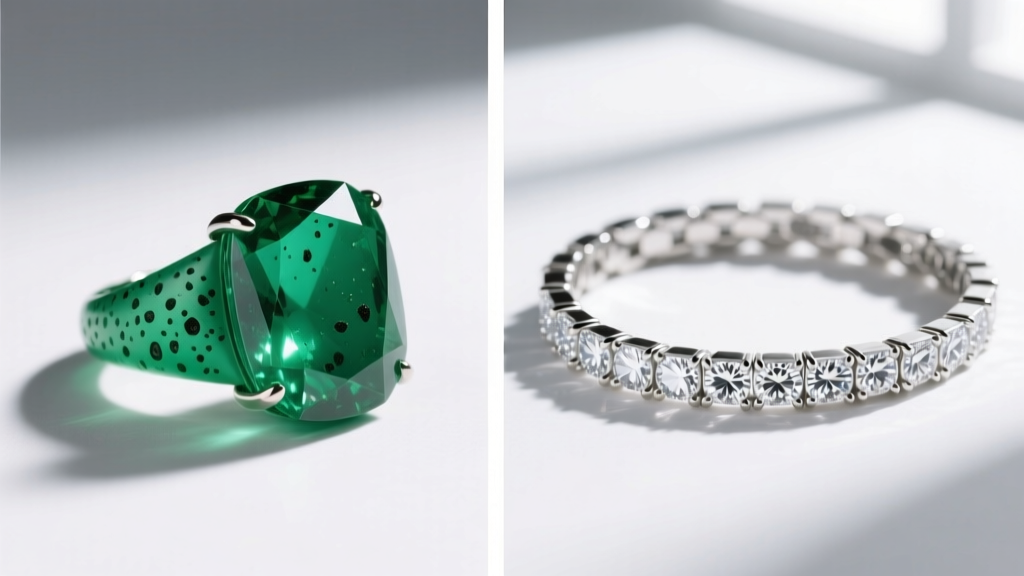
"The biggest mistake I see collectors make is pairing a high-powered 40kHz ultrasonic machine with a harsh, low-viscosity solvent. You are essentially micro-sandblasting your pave settings. A high-quality, enzyme-based solution acts as a cushion, allowing the sound waves to clean without compromising the structural integrity of the metal."
— Master Bench Jeweler & Metallurgist, 2026 Symposium on Advanced Gemological Care
Building Your 2026 Jewelry Care Wardrobe
To align with current best practices and protect your collection, we recommend structuring your cleaning supplies around a three-tier system:
- Tier 1: The Daily Maintenance Spray. A pH-neutral, decyl glucoside-based mist. Keep this near your vanity for quick spritzes on diamond solitaires and platinum bands, followed by a wipe with a high-density microfiber polishing cloth (minimum 200 GSM to prevent micro-scratching).
- Tier 2: The Bio-Enzymatic Soak. A specialized enzyme bath used once a month. This is your primary solution for jewelry cleaner for intricate designs, filigree work, and pieces with heavy organic buildup. Submerge for 10-15 minutes, agitate gently with a horsehair brush, and rinse with distilled water to prevent hard water spotting.
- Tier 3: The Targeted Tarnish Eraser. Reserve nanoparticle silver dips strictly for solid sterling silver chains and bangles. Never allow these solutions to contact porous gemstones, pearls, or oxidized (blackened) silver detailing, as they will strip the intentional patina instantly.
Final Thoughts on Sustainable Brilliance
The evolution of the solution for jewelry cleaner reflects a broader maturation in the jewelry industry. As consumers invest in higher-quality, ethically sourced, and technologically advanced pieces, the aftercare must match that standard. By abandoning outdated, caustic chemicals in favor of precision-formulated, eco-conscious solutions, you ensure that your jewelry remains as structurally sound as it is visually breathtaking. In 2026, true style is not just about what you wear, but how intelligently you preserve it.