How to Clean Fake Jewelry: Troubleshooting Tarnish & Green Skin
Learn how to clean fake jewelry safely. Troubleshoot green skin, cloudy rhinestones, and flaking plating with expert restoration techniques.

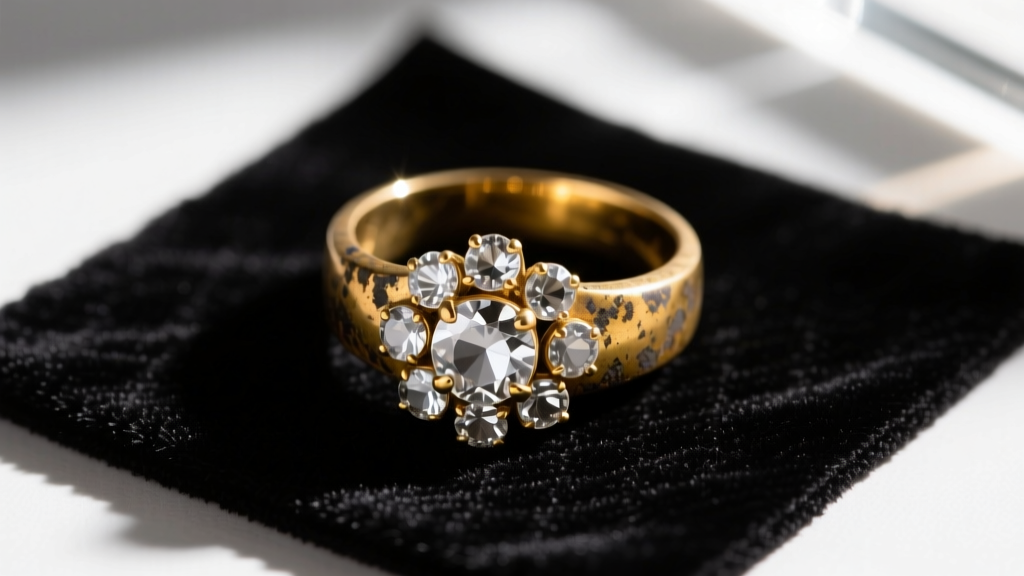
Fashion jewelry—often colloquially referred to as "fake" or costume jewelry—is a staple of modern accessorizing. However, learning how to clean fake jewelry requires a completely different approach than caring for solid gold or platinum. Unlike fine jewelry, costume pieces are typically constructed from base metals like brass, copper, or zinc alloys (pot metal), and then flash-plated with microscopic layers of gold, silver, or rhodium. The gemstones are usually cubic zirconia, glass, or acrylic, frequently held in place by industrial adhesives rather than secure metal prongs.
When you attempt to clean fake jewelry using standard ultrasonic machines, harsh chemical dips, or aggressive polishing pastes, you risk stripping the plating entirely, dissolving the glue holding the stones, or accelerating the oxidation process. This guide serves as your definitive troubleshooting manual for rescuing tarnished, cloudy, or skin-staining fashion jewelry without causing irreversible damage.
The Chemistry of Costume Jewelry: Why It Tarnishes and Turns Skin Green
To effectively troubleshoot damaged fashion jewelry, you must first understand the chemical reactions occurring at the surface level. The dreaded "green finger" phenomenon is not a sign of toxicity; it is a simple chelation reaction. When the copper or brass base metal is exposed (either through a scratch in the plating or a porous gold-tone finish), it reacts with the lactic acid, urea, and salts in your sweat. This creates copper chelate, a green compound that transfers directly to your skin.
Similarly, silver-tone fashion jewelry is usually brass plated with nickel or rhodium. When the underlying brass is exposed to sulfur compounds in the air or hydrogen sulfide in sweat, it forms copper sulfide, resulting in a dark, stubborn black tarnish. According to conservation guidelines outlined by the National Park Service Museum Handbook, base metals are inherently unstable when exposed to fluctuating humidity, meaning that improper storage is often the root cause of the damage you are trying to clean.
Step-by-Step Troubleshooting: How to Clean Fake Jewelry Safely
Because costume jewelry encompasses a wide variety of manufacturing techniques, there is no single "universal" cleaning solution. You must diagnose the specific failure mode of your piece and apply the corresponding targeted remedy.
Scenario 1: The "Green Finger" Copper/Brass Reaction
The Problem: The interior band of your ring or the back of your bracelet pendant is turning your skin green, and the metal looks dull or slightly pinkish (indicating the gold plating has worn through to the copper/brass core).
The Fix: Do not attempt to scrub the metal aggressively, as this will only remove more of the surrounding microscopic plating. Instead, clean the area gently with a microfiber cloth dampened with a 50/50 mix of distilled water and white vinegar to neutralize the surface salts. Dry it immediately and thoroughly. Once dry, apply a specialized jewelry sealant like ProtectaClear or a simple coat of clear, hard-drying nail polish to the interior band. This creates an inert, physical barrier between the reactive copper and your skin's acids, permanently halting the green reaction without altering the exterior look of the piece.
Scenario 2: Cloudy Rhinestones and Foil-Backed Gems
The Problem: Your vintage or high-street rhinestone earrings have lost their sparkle. The stones look milky, grey, or completely black from the back.
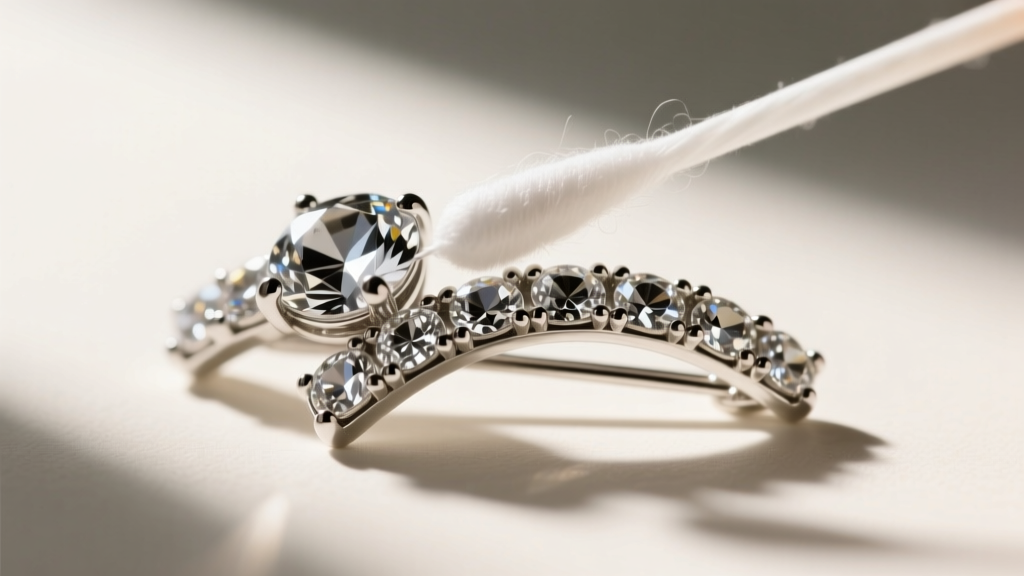
The Fix: Many fashion jewelry manufacturers use "foil-backed" stones (especially for Aurora Borealis or chaton crystals) to enhance light refraction. This foil is glued to the back of the glass or acrylic stone. If you submerge these pieces in water or use an ultrasonic cleaner, moisture seeps under the prongs, oxidizes the metallic foil, and dissolves the adhesive. The stone is now permanently cloudy. To safely clean the surface dirt without ruining the foil back, use a soft baby toothbrush dipped in a highly diluted solution of warm water and mild dish soap (like Dawn). Gently brush only the top facets of the stone. Wipe away the suds immediately with a barely damp cloth, and use a can of compressed air or a hairdryer on the "cool" setting to blast moisture out of the prong crevices. The Gemological Institute of America (GIA) consistently warns against soaking any gemstone that may be fracture-filled, foiled, or glued, as moisture intrusion is the leading cause of irreversible optical damage.
Scenario 3: Flaking Gold-Tone Plating and Brass Bleed-Through
The Problem: The gold or rose-gold plating on your favorite statement necklace is literally peeling off in microscopic flakes, revealing the brassy, yellowish base metal underneath.
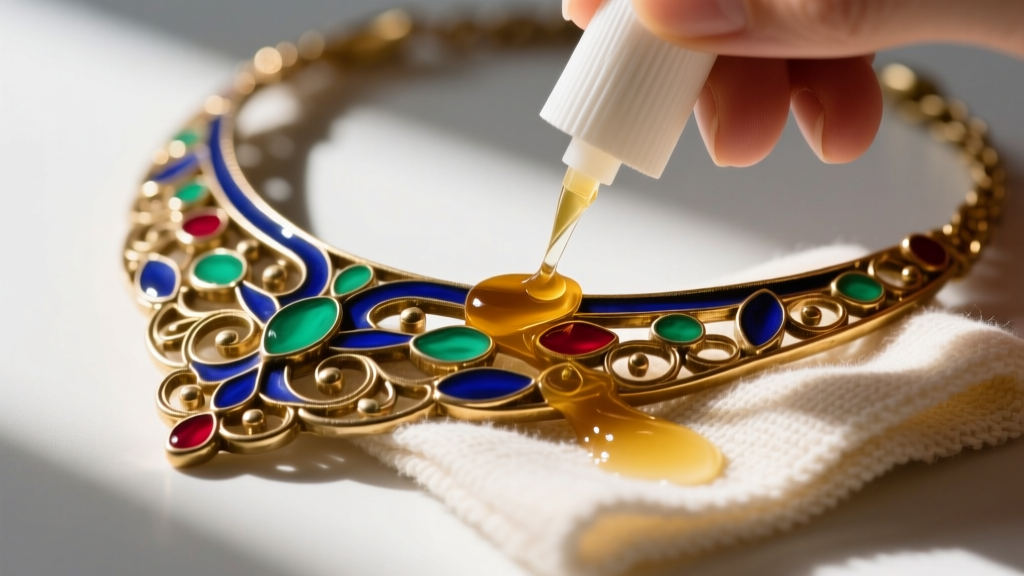
The Fix: Once flash-plating begins to delaminate or flake, you cannot reverse the process at home. Re-plating requires stripping the piece down to bare metal and using an electrochemical bath, which is cost-prohibitive for fashion jewelry. However, you can halt the degradation and make the piece safe to wear. First, use a soft-bristled brush to gently dislodge any loose, hanging flakes of plating that could scratch your skin. Next, clean the surface with a dry, lint-free polishing cloth to remove skin oils. Finally, apply a thin, even layer of Renaissance Wax (a micro-crystalline wax used by museum conservators). Buff it gently with a clean cloth. This seals the exposed brass from oxygen, prevents further flaking, and smooths over the rough edges where the plating has lifted.
The Ultimate Troubleshooting Matrix for Fashion Jewelry
Use this quick-reference table to diagnose your specific issue and avoid the most common mistakes people make when they attempt to clean fake jewelry using fine jewelry methods.
| Symptom | Root Cause | Safe Cleaning Protocol | Fatal Mistakes to Avoid |
|---|---|---|---|
| Green skin residue | Copper/brass reacting with sweat acids | Vinegar wipe, dry, apply clear sealant barrier | Scrubbing with baking soda (accelerates plating loss) |
| Cloudy / Black stones | Moisture oxidizing the foil-backing | Surface-only baby brush, compressed air dry | Soaking in water, ultrasonic cleaners, steam |
| White, powdery residue | Zinc alloy (pot metal) oxidation | Soft dry brush, seal with micro-crystalline wax | Using liquid silver dips or ammonia-based cleaners |
| Sticky / Gummy chains | Accumulated lotions, oils, and dead skin | Wipe with isopropyl alcohol on a cotton pad | Pulling or stretching the chain while it is brittle |
Preventative Maintenance: Sealing and Storage Protocols
The most effective way to manage the wear and tear of fashion jewelry is to control its environment. Base metals and adhesives are highly susceptible to ambient humidity and airborne sulfur.
- Anti-Tarnish Strips: Store your pieces in airtight ziplock bags alongside 3M anti-tarnish strips. These strips absorb sulfur compounds from the air inside the bag, drastically slowing the oxidation of silver-tone and copper-based pieces.
- Desiccant Packets: Always include a small silica gel packet in your jewelry boxes or storage bags to keep ambient humidity below 40%, which is the threshold where zinc alloy oxidation accelerates.
- The "Last On, First Off" Rule: Fashion jewelry should be the very last thing you put on after applying perfumes, hairsprays, and lotions, and the first thing you take off before showering or washing dishes. The alcohol and aerosolized chemicals in cosmetics can instantly cloud acrylic stones and degrade the adhesives holding them in place.
When to Throw It Out: Irreversible Damage Signs
While troubleshooting can extend the life of your favorite pieces, some damage is terminal. If a zinc alloy piece has developed "pot metal disease"—characterized by deep, structural pitting, bubbling under the plating, and a crumbly texture—the metal itself is degrading from the inside out. No amount of surface cleaning or waxing will stop this structural failure, and the piece will eventually snap or crumble. Similarly, if a rhinestone has lost its foil backing and turned completely opaque black, the only solution is to carefully pry the stone out with a needle-nose jeweler's plier and replace it with a new, foil-backed glass chaton of the exact same millimeter diameter. Recognizing when a piece has reached the end of its lifespan is just as important as knowing how to clean fake jewelry effectively.


