2026 Gift Guide: How to Clean Jewelry in an Ultrasonic Cleaner
Discover the best ultrasonic jewelry cleaners for 2026 gifting and learn exactly how to clean jewelry in an ultrasonic cleaner safely.

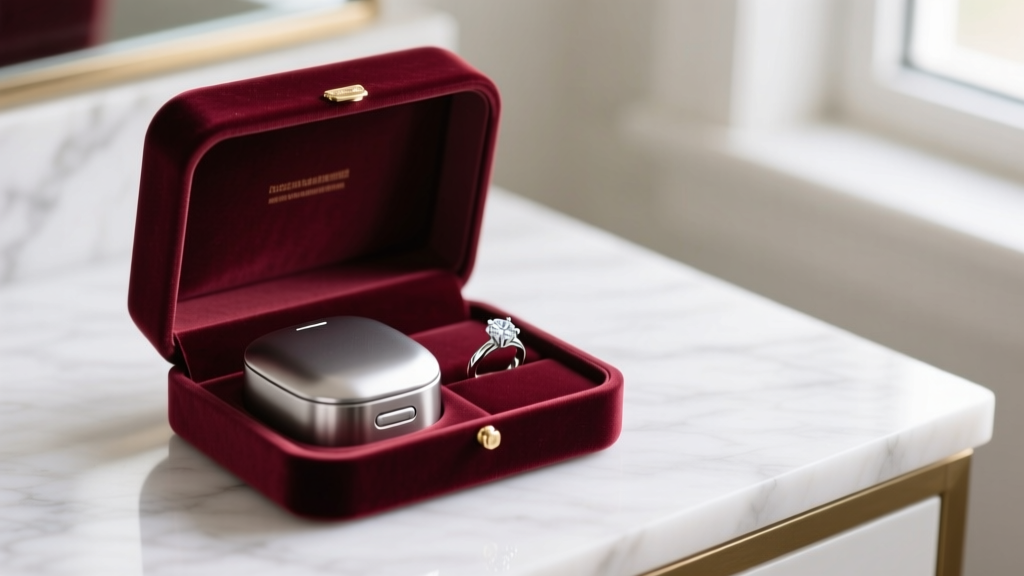
Gifting fine jewelry is a timeless gesture, but in 2026, the most thoughtful jewelry enthusiasts are elevating their presents by including the tools for long-term preservation. The ultrasonic jewelry cleaner has transitioned from a niche, professional jeweler's instrument to a highly coveted luxury vanity staple. Whether you are celebrating a milestone anniversary, a graduation, or a significant promotion, pairing a fine jewelry piece with a high-grade ultrasonic cleaner demonstrates a profound understanding of long-term value. However, giving the tool is only half the equation; the recipient must know how to clean jewelry in an ultrasonic cleaner without accidentally damaging their precious investments. This comprehensive guide bridges the gap between gifting and gemology, ensuring your present is both practical and safe.
The Science of the Gift: Why Ultrasonic Cleaners Dominate 2026
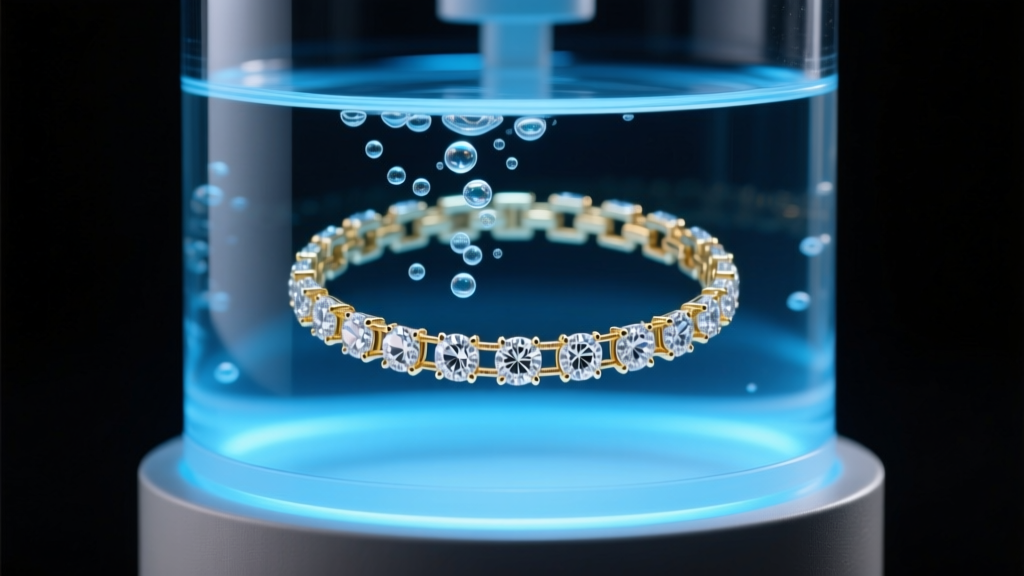
Unlike traditional soaking methods or manual brushing, ultrasonic cleaners utilize high-frequency sound waves to create a phenomenon known as cavitation. When a jewelry piece is submerged, the machine's transducer emits waves (typically between 40 kHz and 45 kHz for jewelry) that generate millions of microscopic vacuum bubbles in the liquid. These bubbles rapidly implode against the surface of the metal and gemstones, generating localized, microscopic bursts of energy that safely lift sebum, lotion, dead skin cells, and environmental dust from beneath prongs and inside intricate filigree work. For a gift, this means the recipient can achieve professional, 'just-bought' brilliance at home in mere minutes, preserving the structural integrity of their pieces without the micro-scratches caused by abrasive polishing cloths.
Occasion Matching: Selecting the Right Ultrasonic Model
Not all ultrasonic cleaners are created equal. When selecting a model to pair with a jewelry gift, you must match the machine's specifications to the recipient's lifestyle and the type of jewelry they own. Below is our 2026 occasion-matching framework to help you select the perfect hardware.
| Occasion | Recipient Profile | Recommended Cleaner Specs | Estimated Price Range |
|---|---|---|---|
| Engagement / Wedding | Wears diamond solitaires, platinum bands, and pavé settings daily. | 42 kHz frequency, 16oz capacity, stainless steel tank, heating function. | $60 - $90 |
| Graduation | Young professional needing quick maintenance for fashion and fine jewelry. | 45 kHz frequency, compact 12oz capacity, digital timer, auto-shutoff. | $35 - $55 |
| Anniversary (10+ Years) | Collector of high-end estate jewelry, vintage pieces, and complex settings. | Dual-frequency (40/80 kHz), 32oz capacity, premium sound-dampening lid. | $120 - $180 |
| Mother's Day | Sentimental wearer of delicate gold chains, birthstone pendants, and hoops. | 45 kHz gentle frequency, removable silicone basket, quiet operation motor. | $45 - $75 |
Step-by-Step: How to Clean Jewelry in an Ultrasonic Cleaner
Knowing exactly how to clean jewelry in an ultrasonic cleaner is essential for preventing damage and maximizing brilliance. Share this masterclass protocol with your gift recipient to ensure they get the best results.
1. Preparation and Solution Mixing
Never use plain tap water, as the dissolved minerals can leave microscopic hard-water spots on precious metals. Instead, fill the stainless steel tank with distilled water up to the indicated fill line. Add three to four drops of an ammonia-free, pH-neutral dish soap (such as original Dawn) or a specialized ultrasonic jewelry concentrate like Blitz or Connoisseurs. Avoid any cleaners containing chlorine, bleach, or harsh degreasers, which can pit gold alloys and degrade rhodium plating on white gold.
2. Temperature Optimization
If the gifted model features a heating element, set the temperature to exactly 104°F (40°C). Warm water lowers the surface tension of the liquid, allowing the cavitation bubbles to form more efficiently and penetrate tighter spaces beneath gemstone settings. Never exceed 120°F, as excessive heat can cause thermal shock to certain gemstones or melt the adhesive used in some semi-mount settings.
3. Basket Placement and Timing
Always place the jewelry inside the provided suspended basket. Never drop jewelry directly onto the floor of the tank. The bottom of the tank is where the transducer is mounted; direct contact can cause the high-frequency vibrations to physically abrade the metal or loosen delicate prongs over time. Set the timer based on the material (see guide below) and start the machine.
4. The Rinse and Dry
Once the cycle completes, remove the basket and immediately rinse the jewelry under a gentle stream of lukewarm distilled water to wash away the suspended dirt and soap residue. Pat dry with a lint-free microfiber cloth, or use a specialized jewelry air-blower to force water out from behind the gemstone culets.
Pro-Tip for Givers: Include a bottle of distilled water and a high-quality microfiber drying cloth in the gift box alongside the ultrasonic machine. This small addition shows meticulous attention to detail and ensures the recipient has everything they need for their first clean.
Material-Specific Timing and Frequency Guide
Different metals and gemstones require different exposure times to the cavitation process. Over-cleaning can lead to metal fatigue in older, brittle prongs. Use this quick-reference guide to determine the optimal cycle duration:
- Platinum & Diamonds: 5 to 7 minutes at 40-42 kHz. Platinum is incredibly dense and durable, while diamonds are a 10 on the Mohs scale, making them highly resistant to ultrasonic stress.
- 14k/18k Gold & Sapphires/Rubies: 3 to 5 minutes at 42 kHz. Corundum (sapphires and rubies) is very hard (Mohs 9), but the gold alloys require slightly less aggressive cleaning times to protect the prong tips.
- Sterling Silver: 1 to 3 minutes at 45 kHz. Silver is softer and prone to scratching if knocked against other pieces. Always clean silver alone in the basket.
- Delicate Pavé Settings: 1 to 2 minutes maximum. The constant vibration can eventually shake loose the tiny beads of metal holding micro-diamonds in place if the setting is already worn.
The 'Never Submerge' List: Protecting Delicate Gemstones
The most critical aspect of gifting an ultrasonic cleaner is educating the recipient on what cannot go inside. According to the Gemological Institute of America (GIA), several popular gemstones are highly susceptible to catastrophic damage from ultrasonic waves. If your gift recipient owns any of the following, they must stick to manual cleaning with a soft brush:
- Emeralds: Over 90% of commercial emeralds are fracture-filled with cedar oil or synthetic resins to improve clarity. The ultrasonic vibrations and warm water will strip this oil out, leaving the stone looking cloudy, heavily included, and fractured.
- Opals: Opals contain up to 20% water within their silica structure. The localized heat and vibration of cavitation can cause 'crazing'—a network of permanent, microscopic cracks that destroys the stone's structural integrity and play-of-color.
- Pearls and Coral: These are organic gemstones composed of calcium carbonate. They are incredibly soft and porous; an ultrasonic cleaner will literally dissolve their outer nacre layer, ruining their luster permanently.
- Tanzanite and Topaz: Both stones possess perfect cleavage planes, meaning they have natural structural fault lines. The microscopic shockwaves from the implosion of cavitation bubbles can cause these gems to split or shatter internally.
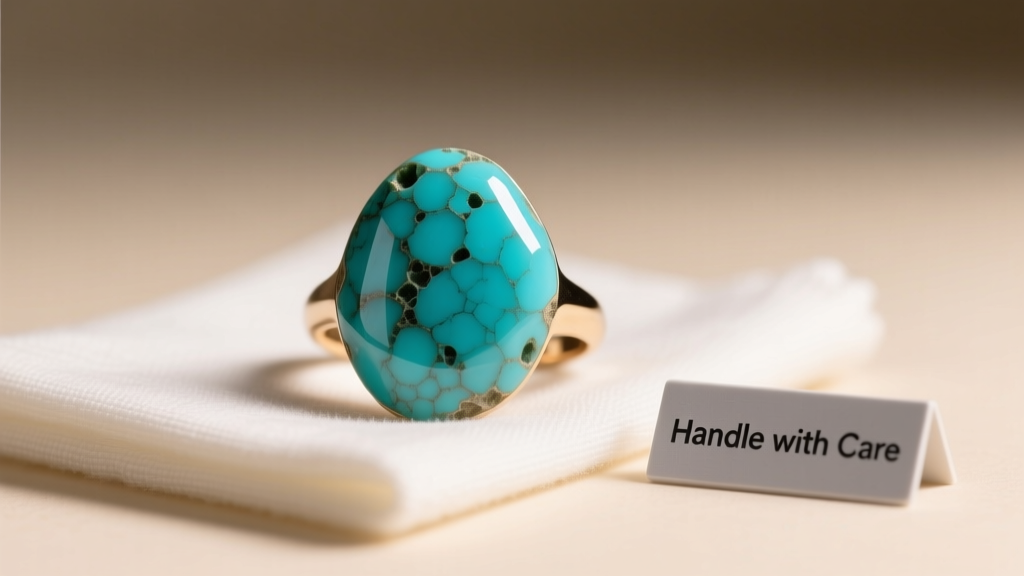
- Turquoise and Lapis Lazuli: These opaque, porous stones can absorb the cleaning solution, leading to permanent discoloration and chemical degradation.
For comprehensive guidelines on which treatments and enhancements are vulnerable to ultrasonic waves, the Jewelers of America provides excellent consumer resources that can be printed and included as an insert in your gift packaging.
Presentation and Post-Cleaning Care
When presenting an ultrasonic cleaner as a gift, aesthetics matter. Avoid handing over the machine in its plain corrugated shipping box. Instead, integrate it into a luxurious 'Jewelry Care Spa Kit'. Place the ultrasonic unit inside a high-quality leather or velvet-lined valet tray. Surround it with complementary care items: a soft horsehair detailing brush for manual pre-cleaning, a specialized silver anti-tarnish storage pouch, and a beautifully printed, customized copy of the cleaning protocols outlined in this guide. By framing the ultrasonic cleaner not just as an appliance, but as a complete preservation system, you transform a practical tool into an unforgettable, highly personalized luxury experience that will protect their cherished jewelry for decades to come.


