How to Clean Jewelry Using Baking Soda: A Troubleshooting Guide
Learn how to clean jewelry using baking soda safely. Troubleshoot chalky residue, scratched gold, and ruined gems with our expert chemical guide.

The Electrochemistry of the Baking Soda Soak
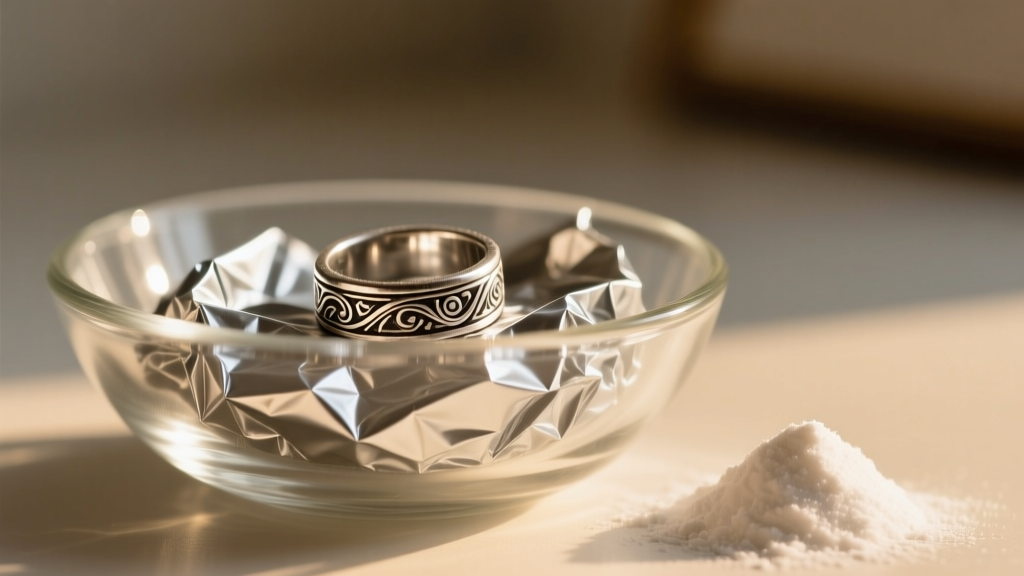
The internet is saturated with DIY jewelry cleaning hacks, but very few explain the actual science happening in the bowl. When you search for how to clean jewelry using baking soda, you are usually looking for the popular aluminum foil method. This is not a simple mechanical cleaning process; it is an electrochemical redox reaction. Silver tarnish is primarily silver sulfide (Ag2S). When sterling silver touches aluminum in an alkaline electrolyte solution (hot water and baking soda), an ion transfer occurs. The aluminum acts as an anode, sacrificing itself and pulling the sulfur atoms away from the silver cathode. The result is aluminum sulfide and pure, restored silver.
While this chemistry is brilliant for heavy silver tarnish, baking soda (sodium bicarbonate) is also a mild abrasive with a pH of around 8.3. This alkalinity and abrasiveness are exactly why this method becomes a disaster when applied blindly to gold, porous gemstones, or oxidized finishes. Below, we troubleshoot the most common failures encountered when using baking soda on jewelry and provide exact protocols to fix them.
Troubleshooting: 4 Common Baking Soda Disasters
Disaster 1: The Chalky White Film in Crevices
The Problem: After soaking a textured silver ring or a chain with tight links, you notice a stubborn, chalky white residue trapped in the crevices that won't wipe off.
The Cause: This is rarely the baking soda itself. It is usually a combination of hard water minerals (calcium carbonate) precipitating out of the hot water and reacting with the alkaline environment, or trapped oxidized debris that has been loosened but not flushed away.
The Fix: Do not scrub aggressively with a toothbrush, as you will grind the mineral deposits into the metal, causing micro-scratches. Instead, prepare a neutralizing rinse of 50% distilled water and 50% distilled white vinegar. Submerge the piece for exactly 60 seconds to dissolve the calcium carbonate, then immediately rinse under warm distilled water and blast the crevices with compressed air or a jewelry steamer.
Disaster 2: Etched and Cloudy Porous Gemstones
The Problem: Your turquoise, opal, or pearl cabochon has lost its polish, appears cloudy, or feels rough to the touch after a baking soda bath.
The Cause: Baking soda is highly destructive to porous and soft organic gems. According to the Gemological Institute of America (GIA), pearls and other organic gems are highly sensitive to alkaline chemicals, which can dissolve their calcium carbonate structure or strip their natural moisture. Turquoise (Mohs 5-6) is heavily treated and porous; the alkaline solution can penetrate the stone, altering its color and destroying the wax or epoxy stabilization.
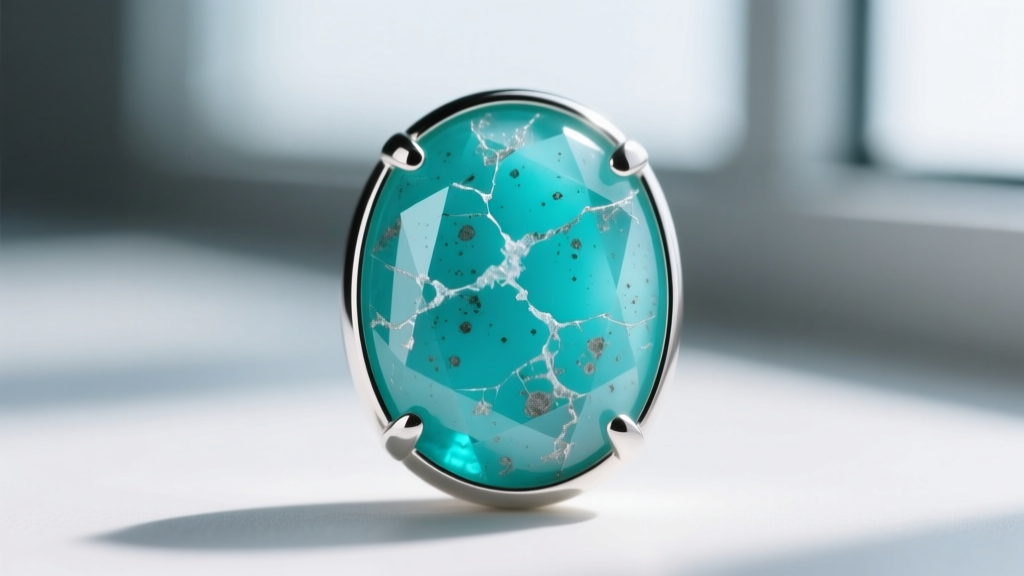
The Fix: Unfortunately, chemical etching on porous stones cannot be reversed at home. The stone must be sent to a professional lapidary to be re-sanded and polished on a cabbing machine. To prevent this, always remove porous stones from silver settings before performing an aluminum foil soak, or mask them completely with a water-resistant silicone putty.
Disaster 3: Micro-Scratches on High-Polish Gold
The Problem: You made a paste out of baking soda and water to scrub a 14k or 18k gold ring, and now the mirror finish looks dull and cloudy under direct light.
The Cause: Gold is a remarkably soft metal. Even though baking soda is considered a 'mild' abrasive in the kitchen, its crystalline structure is harder than pure gold and the alloys used in 14k and 18k gold. Rubbing the paste creates thousands of microscopic scratches that scatter light, destroying the mirror polish.
The Fix: You must re-polish the metal. For minor dulling, use a high-quality jeweler's rouge (iron oxide) on a soft muslin wheel or a specialized gold polishing cloth infused with micro-abrasives. For deep scratching, the piece requires professional buffing with tripoli compound followed by a final rouge polish.
Disaster 4: The Foul Rotten Egg Smell
The Problem: The cleaning bowl emits a strong sulfur (rotten egg) odor, and the silver looks clean but smells terrible.
The Cause: The redox reaction produces hydrogen sulfide gas, especially when the silver is heavily tarnished or the water is excessively hot. The gas gets trapped in the microscopic pores of the silver.
The Fix: Wash the jewelry with a pH-neutral dish soap (like Dawn) and warm water to break the surface tension and release the trapped gas. Always perform the baking soda soak in a well-ventilated area or outdoors.
The Definitive Material Compatibility Matrix
Before attempting to clean jewelry using baking soda, cross-reference your materials against this compatibility matrix. Ignoring these boundaries is the leading cause of irreversible DIY jewelry damage.
| Material | Baking Soda Soak (Foil Method) | Baking Soda Paste (Scrubbing) | Risk Factor & Notes |
|---|---|---|---|
| Sterling Silver (Plain) | Safe (Highly Recommended) | Unsafe | Paste causes micro-scratches; soak reverses tarnish perfectly. |
| Oxidized Silver | Unsafe | Unsafe | Will strip the intentional black oxidation patina immediately. |
| 14k / 18k Yellow Gold | Safe (Mildly Effective) | Unsafe | Gold doesn't tarnish like silver; paste will ruin the mirror polish. |
| White Gold (Rhodium Plated) | Unsafe | Unsafe | Alkaline solutions and abrasion will strip the rhodium flash. |
| Diamonds (Loose or Set) | Safe | Safe (with caution) | Diamonds (Mohs 10) are impervious, but grease traps require degreasers, not baking soda. |
| Pearls / Coral / Amber | Unsafe | Unsafe | Alkalinity dissolves calcium carbonate; destroys organic gems. |
| Turquoise / Lapis / Opal | Unsafe | Unsafe | Porous stones will absorb the solution, leading to cracking and color shifts. |
Expert Insight: If your silver jewelry features prong-set diamonds, the baking soda soak is safe for the stones. However, the sudden temperature change of the hot water can cause thermal shock if the water is near boiling. Always keep the water temperature around 190°F (88°C), not a rolling boil.
The Exact Protocol: Ion-Transfer Silver Cleaning
If you have confirmed your piece is solid sterling silver with no porous gemstones, oxidized finishes, or glued-in components, follow this exact protocol for optimal results.
- Prepare the Vessel: Line a glass or ceramic bowl with heavy-duty aluminum foil. Ensure the dull side faces up (though scientifically the reaction works either way, the dull side provides a slightly better surface area contact).
- The Electrolyte Ratio: Add exactly 1 tablespoon of baking soda and 1 tablespoon of non-iodized sea salt per 2 cups of water. The salt increases the electrical conductivity of the solution, speeding up the ion transfer.
- Temperature Control: Heat distilled water to 190°F (88°C). Avoid tap water, as chlorine and fluoride can cause secondary spotting. Pour the hot water into the foil-lined bowl.
- The Reaction: Submerge the silver, ensuring every piece physically touches the aluminum foil. You will see immediate bubbling. Leave plain chains for 2-3 minutes; leave heavily tarnished cast pieces for up to 5 minutes. Never exceed 10 minutes.
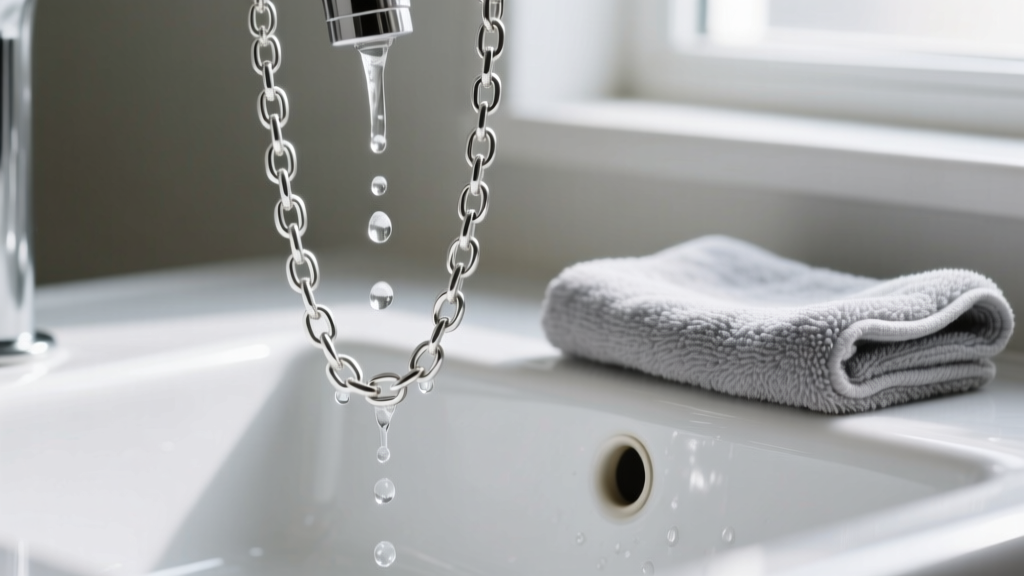
- Neutralization & Drying: Remove with wooden tongs (metal tongs can disrupt the galvanic cell or scratch the silver). Rinse immediately under warm distilled water. Pat dry with a lint-free microfiber cloth, then use a hairdryer on a cool setting to evaporate moisture from tight links.
When to Stop and Call a Professional Jeweler
While understanding how to clean jewelry using baking soda is a valuable skill for maintaining plain silver chains, bangles, and bands, it is not a universal cure-all. You must abandon DIY methods and seek a professional bench jeweler if:
- The Tarnish is Black and Flaky: This indicates severe silver sulfide buildup or environmental chemical damage that requires mechanical polishing with a motorized buffing wheel.
- The Piece Has Structural Fatigue: If prongs are bent or chain links are stretched, the agitation of a chemical bath can cause weak points to snap.
- The Jewelry is Antique or Valuable: Cleaning can drastically reduce the numismatic or antique value of a piece by removing its historical patina. Always consult an appraiser before cleaning estate jewelry.
By respecting the chemistry and understanding the limitations of sodium bicarbonate, you can safely restore your silver to its original brilliance without falling victim to the most common DIY cleaning disasters.


