Does Jewelry Cleaner Go Bad? Expiration & Troubleshooting Guide
Wondering if your jewelry cleaner expires? Learn the signs of degraded solutions, chemical breakdowns, and how to troubleshoot ineffective cleaning.

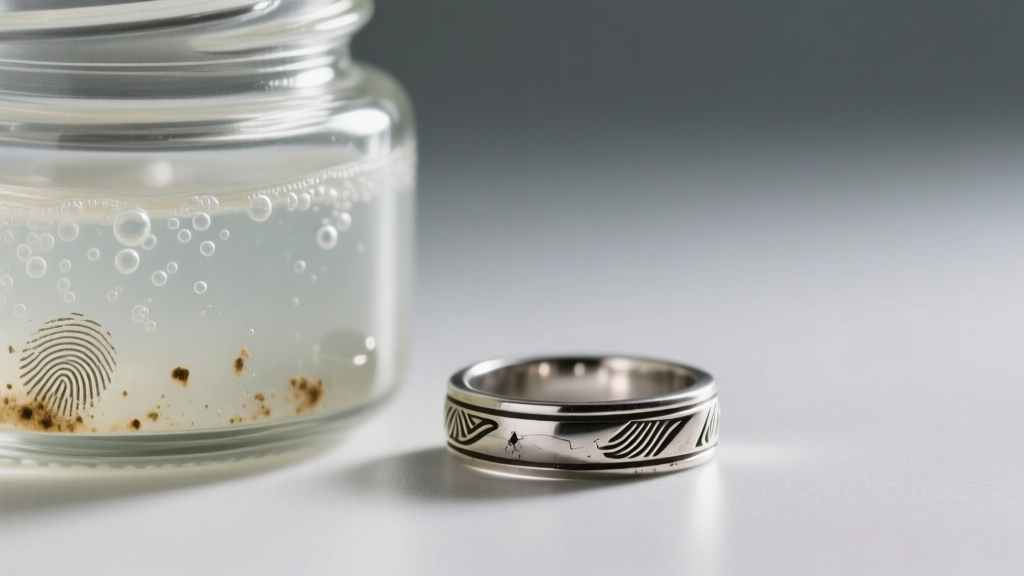
Have you ever reached for your trusted bottle of jewelry cleaner, only to find your diamond ring looking duller after a soak, or your sterling silver emerging with a strange white film? It is a common frustration among jewelry enthusiasts and collectors. The short answer to the question 'does jewelry cleaner go bad' is yes. However, unlike perishable foods, chemical solvents and surfactants degrade through complex molecular breakdowns rather than biological spoilage. Understanding these chemical shifts is critical for troubleshooting ineffective cleaning and preventing accidental damage to precious metals and porous gemstones.
As of 2026, with the rise of advanced ultrasonic technologies and specialized enzymatic soaks, the chemical stability of jewelry cleaning agents has become a vital aspect of gemological care. Using a degraded solution will not only fail to remove tarnish and sebum buildup, but it can also leave microscopic residues that permanently cloud optical-grade gemstones. In this comprehensive troubleshooting guide, we break down the chemistry of expiration, how to identify a compromised solution, and the exact steps to take when your cleaning regimen fails.
The Chemistry of Expiration: Why Cleaners Degrade
To troubleshoot a failing cleaner, you must first understand its active ingredients. Commercial jewelry cleaners generally rely on three primary chemical mechanisms: alkaline solvents (like ammonia), surfactants (micelle-forming agents), and reducing agents (like thiourea for silver dips). Each of these is susceptible to environmental degradation.
Ammonia Evaporation and pH Shifts
Many gold and diamond cleaners utilize dilute ammonia to break down organic oils and lotions. Ammonia is highly volatile. Even in tightly sealed, semi-permeable plastic bottles, ammonia gas slowly escapes over 18 to 24 months. As the ammonia concentration drops, the pH of the solution shifts closer to neutral. A neutralized cleaner loses its alkaline cutting power, rendering it useless against heavy sebum buildup on pavé diamond settings.
Thiourea Oxidation in Silver Dips
Silver dips rely on thiourea and mild acids to chemically reduce silver sulfide (tarnish) back into pure silver. When exposed to oxygen or extreme temperature fluctuations, thiourea oxidizes and breaks down. According to the Gemological Institute of America (GIA), using compromised silver dips can result in incomplete tarnish removal and the precipitation of sulfur compounds, which leave a stubborn, crusty white residue on intricate filigree work.
Surfactant Hydrolysis
Surfactants lower the surface tension of water, allowing it to penetrate microscopic prongs and flush out debris. Over time, especially in DIY solutions or diluted ultrasonic fluids, surfactants undergo hydrolysis. The micellar structures collapse, meaning the liquid can no longer encapsulate and lift away dirt particles.
Commercial vs. DIY: Shelf Life Breakdown
Not all cleaners age at the same rate. Below is a comparative data table outlining the expected shelf life and primary failure modes of various cleaning solutions commonly used in home and professional settings.
| Cleaner Type | Active Ingredient | Average Shelf Life | Primary Degradation Factor |
|---|---|---|---|
| Commercial Liquid (e.g., Connoisseurs) | Ammonia / Surfactants | 18 - 24 Months | Ammonia evaporation via plastic permeability |
| Silver Dip Solutions (e.g., Hagerty) | Thiourea / Mild Acid | 12 - 18 Months | Oxidation and sulfur compound precipitation |
| Ultrasonic Concentrates | Non-ionic Surfactants | 24 - 36 Months | Chemical separation and micellar collapse |
| DIY Dish Soap & Water | Sodium Laureth Sulfate | 1 - 2 Weeks (Mixed) | Bacterial growth and surfactant breakdown |
| DIY Baking Soda Paste | Sodium Bicarbonate | Single Use Only | Carbon dioxide off-gassing and crystallization |
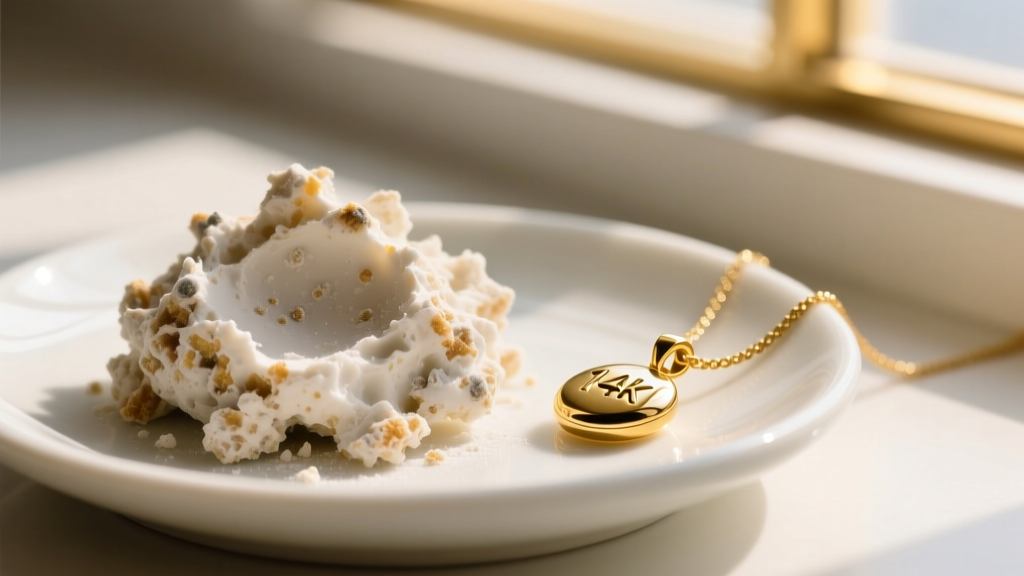
5 Warning Signs Your Jewelry Cleaner Has Gone Bad
If you are unsure whether your current bottle is past its prime, conduct a sensory and visual inspection. Look for these five critical warning signs before submerging your valuables.
- Olfactory Shifts: A fresh ammonia-based cleaner has a sharp, distinct sting to the nasal passages. If the solution smells flat, metallic, or entirely odorless, the active alkaline solvents have evaporated.
- Visual Precipitation: Hold the bottle up to a strong LED light. If you see floating particulates, cloudiness, or a sludge-like layer at the bottom, the chemical bonds have broken down, and the solution is actively precipitating solids.
- Phase Separation: Ultrasonic concentrates often feature a dual-action formula. If shaking the bottle vigorously fails to re-emulsify the separated layers, the binding agents have permanently failed.
- Loss of Cavitation Efficiency: In ultrasonic cleaners, degraded fluid fails to lower surface tension properly. You will notice a lack of the characteristic 'hissing' sound of cavitation bubbles, and dirt will remain trapped under gemstone girdles.
- Residue Left Behind: If your sterling silver emerges from a dip with a chalky white film, or your diamonds look smeared rather than brilliant, the cleaner is depositing degraded chemical byproducts onto the metal and stone surfaces.
Troubleshooting: What Happens When You Use Expired Cleaner?
Using a degraded cleaner is rarely catastrophic for hard stones like diamonds, rubies, and sapphires (Mohs 9-10), but it poses severe risks to porous and treated gemstones. For example, if an expired, pH-altered cleaner is used on opals, turquoise, or malachite, the compromised surfactants can carry dissolved metallic ions deep into the stone's porous matrix. This results in permanent internal staining that no professional lapidary can polish out.
Furthermore, expired silver dips that have oxidized can actually accelerate tarnishing. By leaving behind microscopic sulfur residues, the cleaner creates a localized environment that promotes rapid re-oxidation, meaning your silver will turn black again within days of cleaning.
How to Safely Dispose of and Replace Degraded Solutions
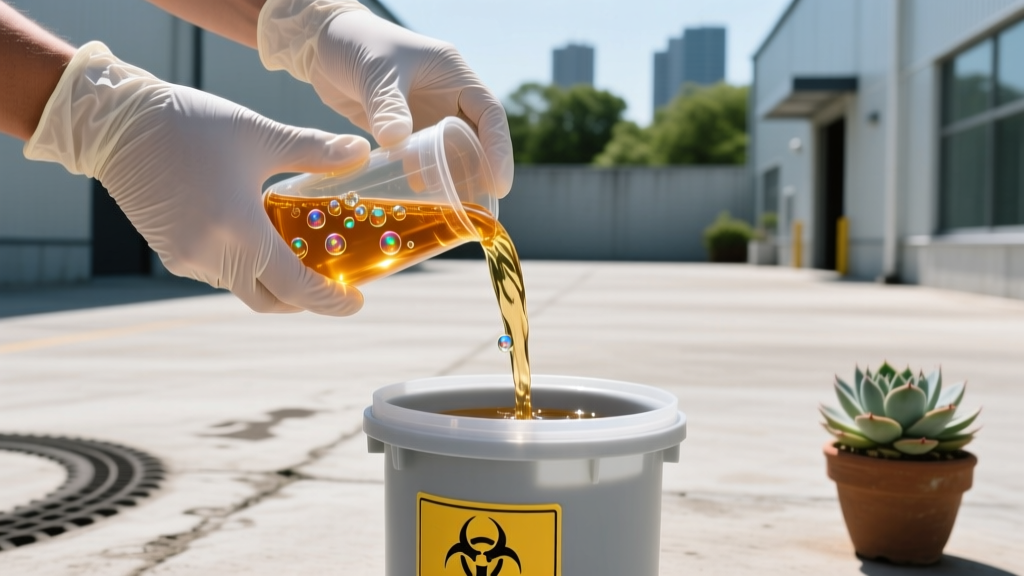
When troubleshooting confirms your cleaner is dead, proper disposal is paramount. Never pour degraded silver dips or heavy ammonia solutions down standard household drains, as the thiourea and heavy metal ions can contaminate local water tables. The Environmental Protection Agency (EPA) classifies certain spent chemical solvents as household hazardous waste (HHW). Always check your local municipal guidelines for chemical drop-off days. For mild, expired DIY soap solutions or neutralized commercial soaks, diluting them with copious amounts of water before draining is generally acceptable.
Expert Tips for Extending Your Cleaner’s Lifespan
While all chemical solutions eventually expire, you can significantly extend their efficacy by controlling their storage environment. Implement these professional storage protocols to maximize your investment:
- UV Light Protection: Ultraviolet radiation accelerates the breakdown of hydrogen peroxide and ammonia. Always store clear-bottled cleaners inside a dark cabinet or drawer, away from direct bathroom vanity lighting.
- Temperature Stabilization: Extreme heat causes volatile solvents to expand and escape through bottle seals, while freezing temperatures can permanently shatter the emulsion in ultrasonic concentrates. Store all solutions in a climate-controlled room between 60°F and 75°F (15°C - 24°C).
- Contamination Prevention: Never dip jewelry directly into the master bottle. The transfer of skin oils, lotions, and loose tarnish particles into the main reservoir will rapidly breed bacteria and neutralize the active surfactants. Always pour a small amount into a secondary glass dipping cup, and discard the used portion after cleaning.
Pro Tip: Write the date of opening on your jewelry cleaner bottle with a permanent marker. Most commercial brands are formulated to remain stable for exactly 18 months after the factory seal is broken, regardless of the printed manufacturing date.
By understanding the chemical realities of jewelry cleaning solutions, you can troubleshoot ineffective cleaning sessions, protect your most delicate porous gemstones, and ensure your precious metals maintain their optical brilliance for generations.


