Does Kate Spade Jewelry Tarnish? Care & Cleaning Guide
Does Kate Spade jewelry tarnish? Discover the science behind fashion jewelry plating, why it degrades, and expert cleaning tips to restore your pieces.

The Short Answer: Does Kate Spade Jewelry Tarnish?
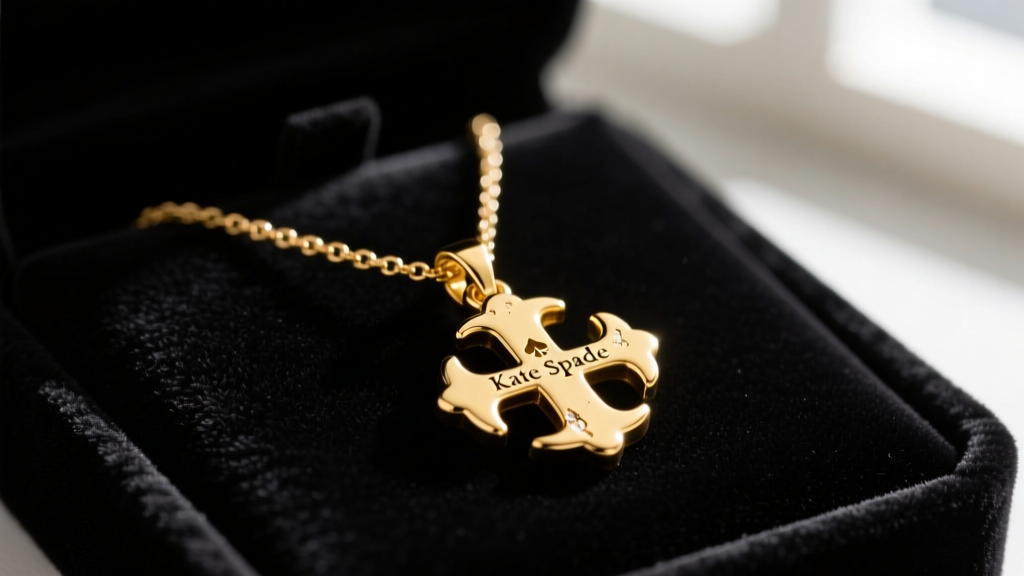
If you have ever asked, "does kate spade jewelry tarnish?" the short answer is yes. Like the vast majority of designer fashion jewelry, Kate Spade New York pieces are not crafted from solid precious metals. Instead, they rely on base metal cores coated with microscopic layers of gold, silver, or rhodium plating. Over time, exposure to environmental factors, skin chemistry, and friction will inevitably cause this plating to wear away, leading to tarnish and discoloration. However, understanding the metallurgy behind your favorite spade charm necklace or enamel floral earrings is the first step toward dramatically extending their lifespan. This comprehensive care guide will walk you through the exact science of fashion jewelry degradation and provide an expert-level protocol for cleaning and storing your pieces.
The Metallurgy of Kate Spade Fashion Jewelry
To properly care for your jewelry, you must understand what lies beneath the surface. According to the Federal Trade Commission Jewelry Guides, fashion jewelry must be accurately represented regarding its metal content. Kate Spade jewelry typically utilizes a base metal core—most commonly brass or a zinc alloy known as Zamak (a mixture of zinc, aluminum, magnesium, and copper). This core is chosen for its durability, weight, and ability to hold intricate cast details, such as the brand's signature 3D spade motifs.
Flash Plating vs. Vermeil
Once the base metal is cast and polished, it undergoes electroplating. Kate Spade pieces generally feature "flash plating," which deposits a very thin layer of precious metal (usually between 0.1 and 0.5 microns thick). This is distinctly different from gold vermeil, which legally requires a minimum of 2.5 microns of gold over a sterling silver base. Because flash plating is so thin, it acts more like a cosmetic finish than a permanent structural layer. Once this microscopic barrier is compromised by friction or chemical exposure, the underlying brass or zinc alloy is exposed to the atmosphere, initiating the tarnishing process.
The Chemistry of Tarnish: Why Plated Jewelry Degrades
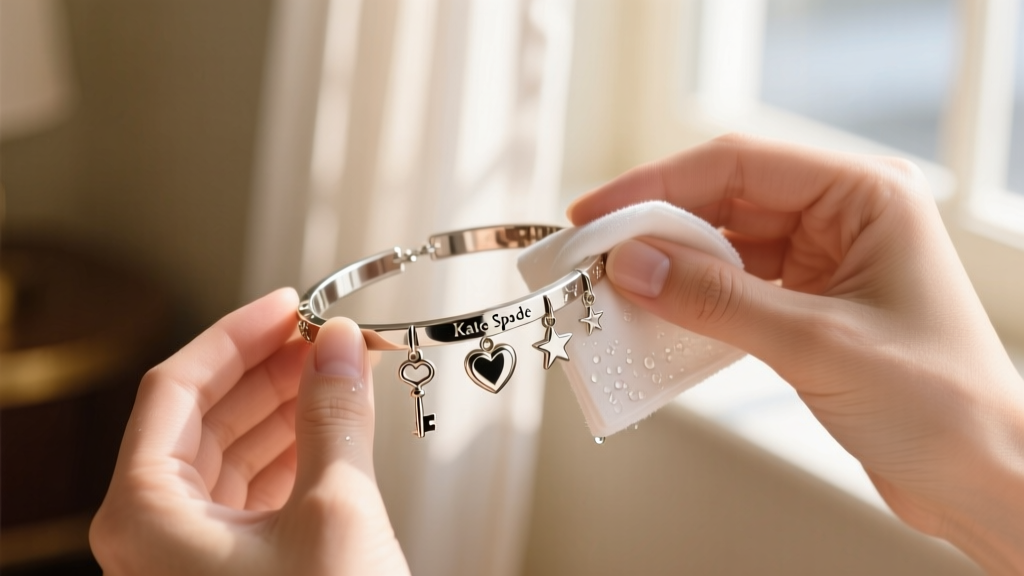
Tarnish is not simply "dirt"; it is a chemical reaction. When the copper content in the brass base metal is exposed to oxygen and sulfur compounds in the air, it forms copper oxide and copper sulfide. This manifests as a dark, dull, or sometimes greenish-black film on the surface of the jewelry. Furthermore, human sweat plays a massive role in accelerating this process. The pH level of human sweat typically ranges from 4.5 to 7.0. The natural acids, salts, and urea present in perspiration act as an electrolyte, rapidly corroding the thin plating and eating away at the base metal. Lotions, perfumes, and hairsprays introduce additional volatile organic compounds (VOCs) that break down the protective rhodium or gold layers even faster.
What NOT to Do: Cleaning Mistakes That Strip Plating
When searching for DIY jewelry cleaning hacks, many well-meaning owners accidentally destroy their fashion jewelry. Because Kate Spade pieces rely on delicate flash plating and glued components, aggressive cleaning methods will cause irreversible damage. Avoid the following at all costs:
- Baking Soda and Aluminum Foil Baths: While this electrochemical reaction is excellent for solid sterling silver, the alkaline nature of baking soda and the heat required will strip flash plating and cloud enamel finishes instantly.
- Ultrasonic Cleaners: The high-frequency cavitation bubbles generated by ultrasonic machines will shake loose the adhesive holding cubic zirconia (CZ) and crystal pavé accents in their settings, resulting in lost stones.
- Toothpaste and Abrasive Polishing Cloths: Toothpaste contains silica abrasives, and treated silver polishing cloths contain micro-abrasives designed to remove tarnish from solid metals. On plated jewelry, these act like sandpaper, scratching off the remaining gold or rhodium layer.
- Ammonia-Based Cleaners: Ammonia will aggressively oxidize the exposed base metal and cause severe pitting in Zamak alloys.
The Expert Protocol: How to Clean Kate Spade Jewelry Safely
To safely remove body oils, cosmetic residue, and early-stage surface oxidation without harming the plating or enamel, follow this gentle, Jewelers of America-aligned cleaning protocol:
- Prepare a Mild Surfactant Solution: Fill a small glass bowl with lukewarm (never hot) distilled water. Add two drops of a mild, phosphate-free, and lotion-free dish soap (such as original Dawn). Hot water can cause thermal shock, cracking cold enamel accents.
- Soak Briefly: Submerge the jewelry for no more than 3 to 5 minutes. This is just enough time to loosen sebum and cosmetic buildup without allowing water to seep into the micro-crevices of pavé settings.
- Agitate Gently: Using an extra-soft baby toothbrush (with bristles no thicker than 0.1mm), gently sweep the bristles over the metal and behind the settings. Do not scrub; let the bristles do the lifting.
- Rinse with Distilled Water: Rinse the piece under a gentle stream of distilled water. Avoid tap water, as the chlorine and heavy minerals can leave hard water spots that mimic tarnish.
- Dry Thoroughly: Pat the jewelry dry with a clean, lint-free microfiber cloth. Use a hair dryer on the "cool" setting to blow water out of the tiny crevices behind the spade charms and stone settings. Trapped moisture is the primary catalyst for base-metal corrosion.
Dealing with Enamel and Crystal Accents
Kate Spade is renowned for its vibrant cold enamel work and precision-set crystal pavé. Enamel is essentially a resin or fused glass-like coating that is highly susceptible to micro-fractures. When cleaning enameled pieces, never use a brush directly on the colored resin; instead, wipe it gently with a damp cotton swab. For crystal and CZ accents, avoid getting soap residue trapped under the girdle of the stone, as this will dull the refractive index and make the stones look cloudy. A wooden toothpick can be carefully used to dislodge dirt from the edge of the bezel setting without scratching the metal.
Long-Term Storage & Anti-Tarnish Prevention
Because you cannot stop the eventual wear of flash plating, your primary defense against tarnish is environmental control. Storing your jewelry properly when not in use is non-negotiable. Below is a comparison of storage methods and their effectiveness for plated fashion jewelry:
| Storage Method | Cost | Effectiveness | Best For |
|---|---|---|---|
| Original Flannel Pouches | Free (Included) | Low (Allows air flow) | Short-term travel |
| Airtight Ziploc Bags | Very Low | Medium (Blocks dust/moisture) | Everyday drawer storage |
| 3M Anti-Tarnish Strips | Low ($10-$15) | High (Absorbs sulfur gases) | Enclosed jewelry boxes |
| Silica Gel Desiccants | Low | High (Absorbs ambient moisture) | Humid climates/bathrooms |
| Hermetic Jewelry Vaults | High ($50+) | Maximum (Total climate control) | Archival/Collector pieces |
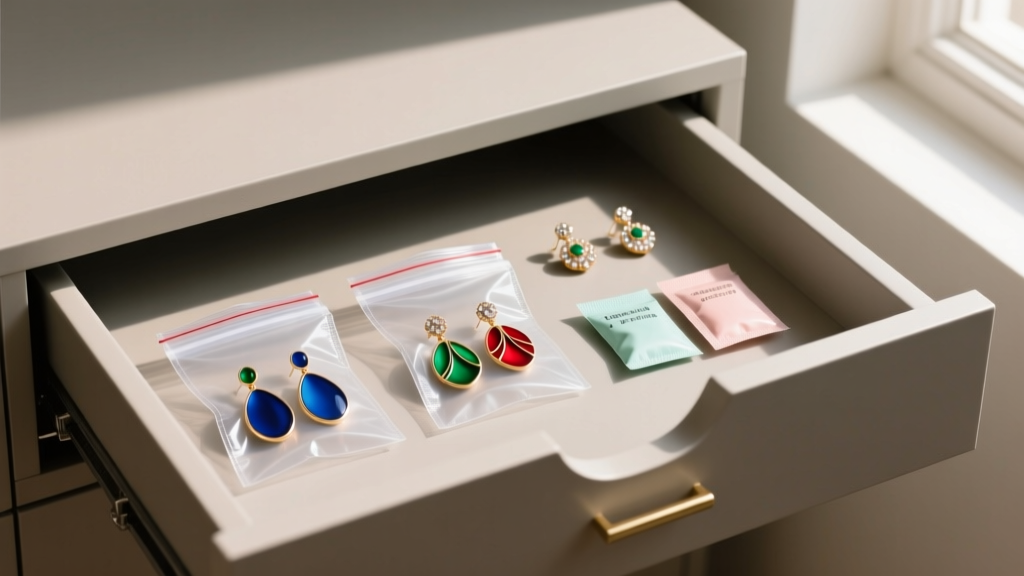
For the best results, place your cleaned and fully dried Kate Spade piece inside a small, airtight polyethylene ziplock bag. Squeeze out as much air as possible before sealing. Drop in a small silica gel packet to control humidity, and store the bag in a dark drawer away from direct sunlight, which can fade certain dyed enamel colors over time.
When to Seek Professional Re-Plating
There comes a point where cleaning is no longer viable. If the gold or silver tone has completely worn off the high-friction areas (such as the backs of rings or the clasps of bracelets), exposing the dull, grayish-yellow Zamak or reddish brass beneath, no amount of polishing will restore the color. In these cases, you must seek a professional electroplating service. A jeweler can polish out minor base-metal pitting and apply a new layer of 14k or 18k gold plating, or a heavy rhodium dip for silver-tone pieces. Expect to pay between $45 and $90 for this service. While this often exceeds the original retail value of a fashion jewelry piece, it is a worthwhile investment for sentimental items or discontinued, hard-to-find Kate Spade designs.
Expert Pro-Tip: Always follow the "Last On, First Off" rule. Put your Kate Spade jewelry on only after your perfume, lotion, and hairspray have completely dried, and take it off before you shower, swim, or exercise. This single habit will double the lifespan of your flash plating.
By respecting the material limitations of fashion jewelry and adhering to a gentle, moisture-controlled maintenance routine, you can keep your Kate Spade collection looking vibrant, polished, and tarnish-free for years to come. For more detailed insights on preserving delicate gemstone and enamel finishes, consult the Gemological Institute of America (GIA) care guidelines.


