The 2026 Trend Report: Which Jewelry Cleaner Solution Actually Works?
Discover the 2026 trends in jewelry cleaner solutions. We analyze botanical vs. chemical formulas, pH impacts on gems, and what top jewelers recommend.

The Great Formulation Shift of 2026
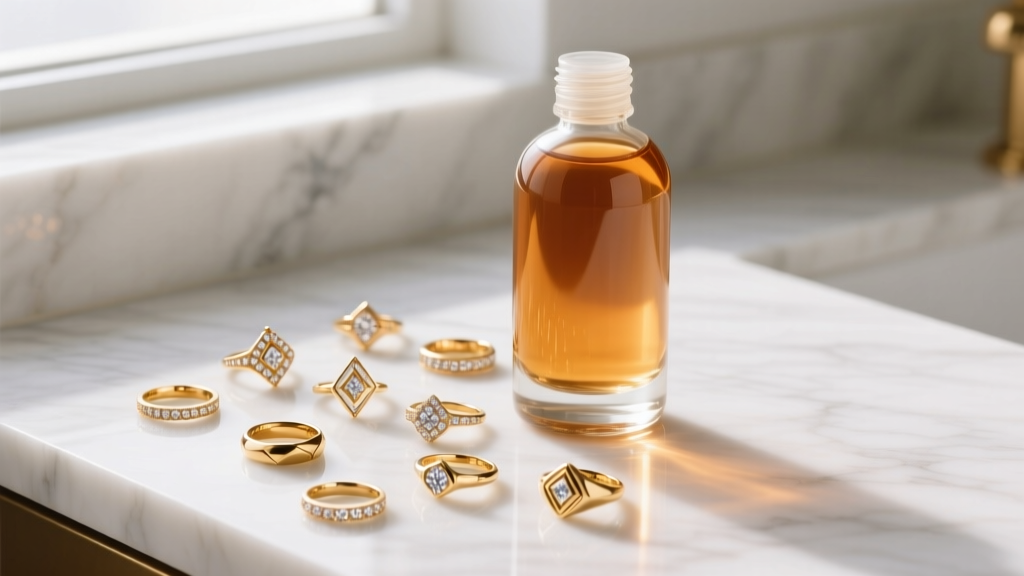
If you have walked into a high-end jewelry boutique or browsed the digital storefronts of master bench jewelers in 2026, you have likely noticed a profound shift in the products lining their shelves. The era of relying on harsh, ammonia-heavy liquids and toxic silver dips is officially over. Today, the market for a premium jewelry cleaner solution is defined by a demand for botanical surfactants, precise pH balancing, and environmental sustainability. As consumers become more educated about the micro-degradation of their precious metals and gemstones, the chemical composition of daily maintenance products has been forced to evolve.
In this comprehensive trend report, we analyze the current landscape of jewelry care chemistry. We will break down why legacy ingredients are being phased out, which modern compounds actually work at a molecular level, and how to match the right solution to your specific jewelry wardrobe—from porous organic gems to rhodium-plated fashion pieces.
The Fall of Thiourea and Ammonia
For decades, the gold standard for rapid silver tarnish removal was thiourea, while ammonia was the go-to degreaser for diamond solitaires. However, the regulatory and consumer landscape of 2026 has drastically altered this paradigm. Thiourea, a highly effective reducer of silver sulfide (tarnish), is now heavily restricted under European REACH regulations and is facing intense scrutiny from US environmental agencies due to its classification as a potential carcinogen and its toxic aquatic footprint. Consequently, top-tier brands have entirely reformulated their silver dips.
Similarly, ammonia-based solutions—which often boast a pH of 11 or higher—are now recognized by gemologists as a long-term hazard. While ammonia is excellent at cutting through sebum and cosmetic oils on diamonds, prolonged exposure or repeated soaking causes micro-fractures in the resin fillings of fracture-filled emeralds and degrades the cedar oil treatments used in lower-clarity stones. Furthermore, high-pH ammonia solutions strip the rhodium plating from white gold and sterling silver at an accelerated rate, leading to premature yellowing and increased bench-repair costs for the consumer.
The Rise of Biosurfactants and Enzymatic Cleaners
The dominant trend in the 2026 jewelry cleaner solution market is the integration of plant-derived biosurfactants and enzymatic cleaners. Instead of relying on caustic alkaline bases to dissolve grime, modern formulations utilize compounds like decyl glucoside (derived from corn and coconuts) and saponin extracts. These non-ionic surfactants lower the surface tension of water, allowing the liquid to penetrate microscopic crevices around prongs and pavé settings without attacking the metal lattice or gemstone inclusions.
Additionally, enzymatic cleaners—which utilize proteases and lipases to literally 'eat' the proteins found in dead skin cells and cosmetic residues—are gaining massive traction. These solutions operate at a perfectly neutral pH of 7.0, making them universally safe for almost all jewelry types, including the most delicate organic gems.
2026 Jewelry Cleaner Solution Matrix
To help you navigate the modern market, we have compiled a data matrix comparing the three dominant formulation types available this year.
| Formulation Type | Active Ingredients | pH Level | Best Used For | Strictly Avoid On |
|---|---|---|---|---|
| Botanical Surfactant | Decyl glucoside, aloe vera extract | 6.5 - 7.5 | Daily maintenance, porous gems, plated jewelry | Heavy, oxidized silver tarnish |
| Enzymatic Degreaser | Protease, lipase, amylase enzymes | 7.0 (Neutral) | Diamonds, sapphires, platinum, removing skin oils | Pearls (enzymes can degrade conchiolin) |
| Advanced Chelating Agent | EDTA alternatives, mild citric buffers | 4.5 - 5.5 | Stubborn tarnish on solid gold and silver | Carbonates (malachite, turquoise, pearls) |
Material-Specific Compatibility & Degradation Risks
Choosing the correct jewelry cleaner solution is not merely about aesthetics; it is about preserving the structural integrity of your investments. According to the Gemological Institute of America (GIA), improper chemical exposure is one of the leading causes of preventable gemstone degradation. Below, we break down the specific interactions between modern solutions and popular jewelry materials.
High-End Fine Jewelry (Platinum, 18k Gold, Diamonds)
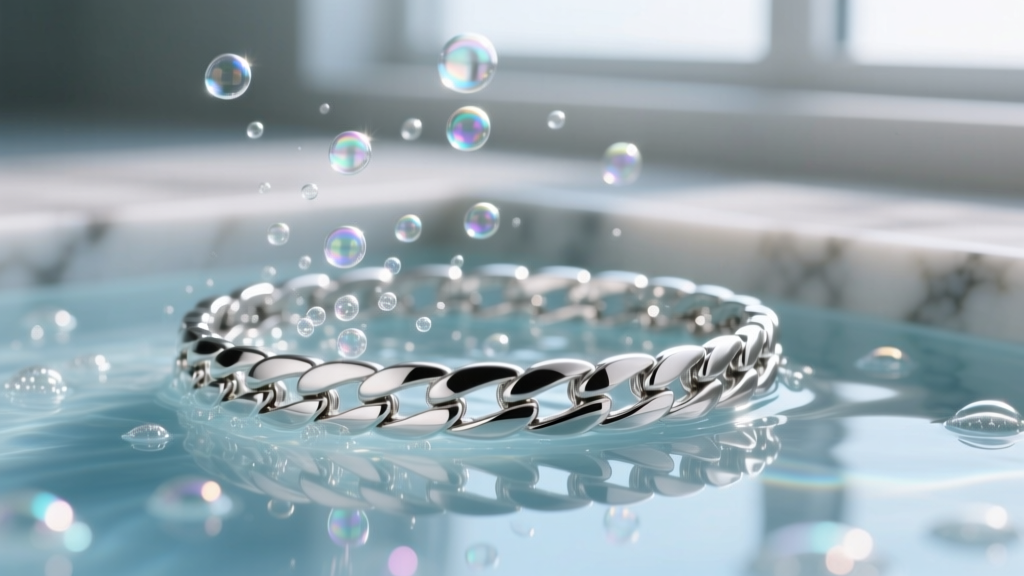
For high-hardness stones (Mohs 9-10) and noble metals, the primary goal is lipid removal. Diamonds are naturally lipophilic (oil-attracting), meaning they quickly accumulate a film of lotion and sebum that dulls their refractive index. In 2026, the preferred jewelry cleaner solution for these pieces is an enzymatic or mild botanical surfactant blend. These solutions effectively encapsulate oils and suspend them in water without leaving behind the sticky, film-forming residues that older soap-based DIY methods often produced. Platinum and high-karat gold are virtually impervious to these neutral solutions, ensuring lifelong brilliance without the risk of chemical etching.
Fashion & Plated Jewelry (Vermeil, Rhodium, Brass)
The explosion of heavy gold vermeil and rhodium-plated brass in the fashion sector has created a massive demand for ultra-gentle cleaning agents. Plated layers are measured in microns (typically 2.5 microns for high-quality vermeil). Legacy abrasive pastes and highly alkaline solutions literally strip these micron-layers away through chemical erosion and micro-scratching. The 2026 standard for plated jewelry is a waterless, botanical foam solution. These foams cling to the surface, allowing the surfactants to lift dirt without the need for aggressive mechanical brushing, thereby preserving the delicate electroplated finishes.
Porous & Organic Gemstones (Opal, Pearl, Turquoise)
This category requires the highest degree of caution. As detailed in the GIA's Pearl Care Guidelines, organic gems like pearls are composed of calcium carbonate and a protein called conchiolin. Acidic solutions, even mild chelating agents designed for silver tarnish, will instantly begin to dissolve the nacre of a pearl, resulting in irreversible etching and loss of luster. Similarly, turquoise and opals are highly porous; they will absorb colored dyes or harsh chemicals from inferior solutions, leading to internal discoloration and crazing (the formation of fine surface cracks).
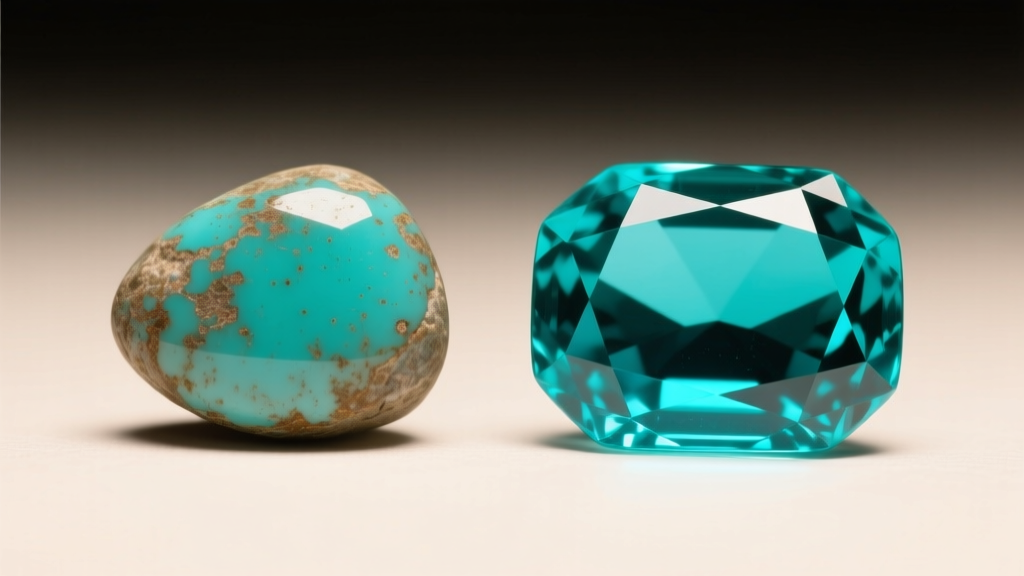
"In our lab, we see countless turquoise and opal cabochons ruined by consumers using generic 'all-purpose' silver dips. The porous matrix acts like a sponge, pulling in sulfides and acids that permanently alter the stone's internal chemistry. A neutral, plant-based surfactant applied with a damp, lint-free cloth is the only safe protocol." — Master Gemologist Appraiser, 2026 Industry Symposium
Ultrasonic Synergy: The New Standard for Bench Jewelers
The intersection of hardware and chemistry has yielded the most significant breakthrough in 2026: the pairing of ultrasonic cleaning machines with low-surface-tension botanical additives. Ultrasonic cleaners work via cavitation—the creation and violent collapse of microscopic vacuum bubbles in a liquid. When plain water is used, the surface tension is too high for the bubbles to penetrate tight pavé settings effectively.
By adding just three to five drops of a concentrated, plant-based jewelry cleaner solution to the ultrasonic tank, the surface tension drops dramatically. This allows the cavitation bubbles to reach deep into the gallery of a setting, blasting away trapped debris that a brush cannot reach. Importantly, because the modern botanical additives lack ammonia and chlorinated solvents, they do not emit toxic volatile organic compounds (VOCs) when agitated by the high-frequency sound waves, making them safe for both home consumers and professional bench jewelers to use in unventilated spaces.
The Verdict: What to Buy in 2026
The days of grabbing a generic, brightly colored liquid from a supermarket shelf are behind us. The 2026 jewelry cleaner solution market rewards specificity and chemical mindfulness. For the modern collector, the ideal cleaning kit includes a neutral enzymatic degreaser for diamonds and sapphires, a dedicated botanical foam for vermeil and plated pieces, and a simple, damp microfiber cloth for organic gems. By aligning your cleaning chemistry with the specific material science of your jewelry, you ensure that your pieces remain as structurally sound as the day they were cast.
References & Methodology
- Gemological Institute of America (GIA): Gem Care and Cleaning Guidelines
- Gemological Institute of America (GIA): Pearl Care and Cleaning
- European Chemicals Agency (ECHA): REACH Restrictions on Thiourea and Sulfide Reducers in Consumer Goods.
- 2026 Jewelers of America Bench Practices Symposium: Advances in Ultrasonic Cavitation and Surfactant Chemistry.


