What Type of Jewelry Doesn't Tarnish? A Troubleshooting Guide
Discover what type of jewelry doesn't tarnish, debunk common marketing myths, and learn how to troubleshoot unexpected discoloration on precious metals.

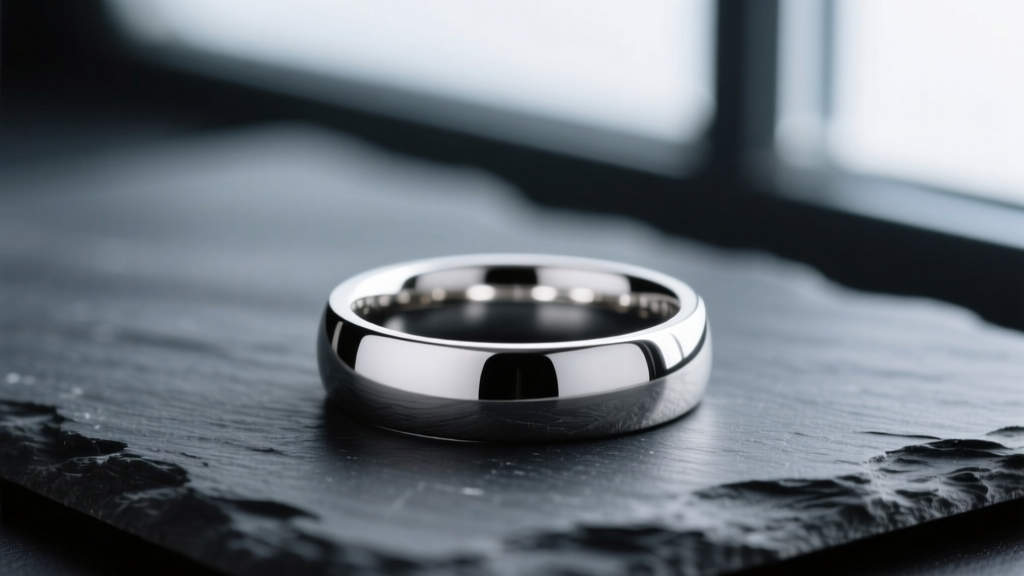
If you have ever found yourself asking what type of jewelry doesn't tarnish after a favorite piece turned dull, yellow, or left a green mark on your skin, you are not alone. The jewelry industry frequently uses the term "tarnish-free" as a blanket marketing claim, leading to widespread consumer frustration when pieces inevitably lose their luster. To effectively troubleshoot jewelry discoloration, we must first separate true chemical tarnish from plating wear, surface patina, and environmental contamination.
True tarnish is a chemical reaction—most commonly silver reacting with sulfur in the air to form black silver sulfide, or copper alloyed in gold reacting with oxygen and moisture to form copper oxide. However, many modern metals are metallurgically incapable of this reaction. This guide breaks down the exact alloys that resist tarnish, why your "safe" jewelry might still be failing, and how to restore it.
The "Tarnish-Free" Myth: Why Your Jewelry is Still Discoloring
The most common troubleshooting scenario in our editorial inbox involves white gold. Consumers purchase white gold under the assumption that it is a naturally white, tarnish-proof metal. In reality, white gold is an alloy of yellow gold mixed with white metals like nickel, palladium, or silver. To achieve a bright, reflective white finish, it is electroplated with a microscopic layer of rhodium (a platinum group metal).
Troubleshooting White Gold "Tarnish"
When your white gold ring begins to look yellow or dull, it is not tarnishing. The rhodium plating—which is typically only 0.75 to 1.0 microns thick on rings—has worn away due to friction, exposure to lotions, and the natural acidity of your skin. The underlying yellowish alloy is simply showing through. The solution is not a chemical tarnish dip, but a professional re-plating service, which typically costs between $40 and $80 depending on the jeweler.
Metals That Genuinely Resist Tarnish (And Their Specific Grades)
If you want to bypass plating wear and chemical tarnish entirely, you must look at specific elemental metals and their precise industrial grades. Not all titanium or steel is created equal in jewelry manufacturing.
1. Platinum (Pt950 and Pt900)
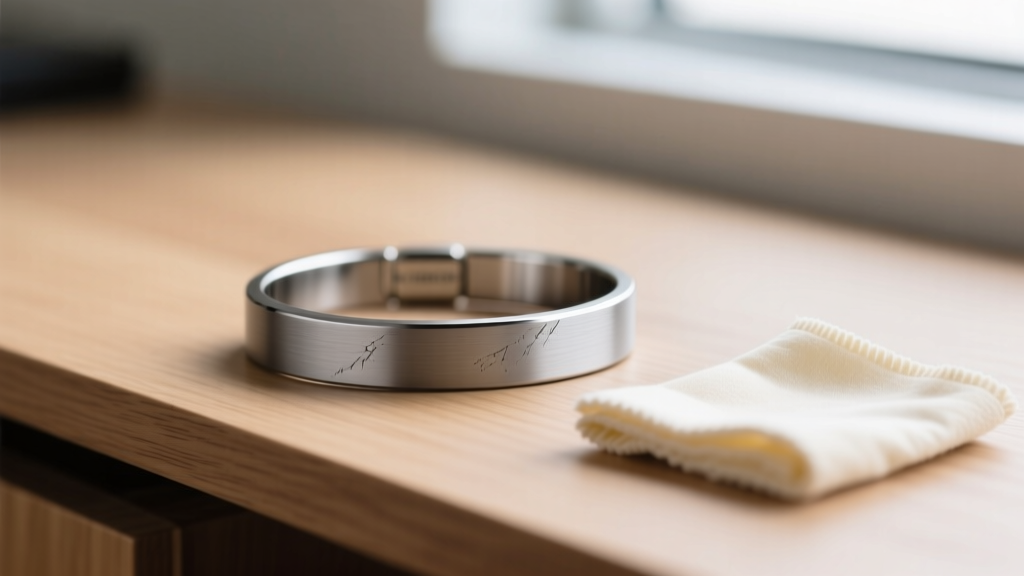
Platinum is a noble metal, meaning it is highly unreactive. According to the Gemological Institute of America (GIA), platinum does not oxidize or tarnish in air, even at high temperatures. Jewelry-grade platinum is usually stamped Pt950 (95% pure platinum, 5% ruthenium or iridium for hardness). While it will never chemically tarnish, it is a relatively soft metal that develops a "patina"—a satin-like finish caused by microscopic surface scratches displacing the metal. This is a physical texture change, not a chemical discoloration.
2. Titanium (Grade 5 / Ti-6Al-4V)
Commercially pure titanium (Grade 2) is highly resistant to corrosion, but Grade 5 titanium (an alloy of 90% titanium, 6% aluminum, and 4% vanadium) is the aerospace-grade standard used in high-end and body jewelry. Titanium instantly forms a passive, invisible oxide layer when exposed to oxygen. This layer is self-healing; if scratched, it immediately reforms, making the metal completely impervious to traditional tarnish, saltwater corrosion, and chlorine.
3. Surgical Stainless Steel (316L)
While 304 stainless steel can pit and discolor when exposed to the chlorides in human sweat or swimming pools, 316L stainless steel contains 2-3% molybdenum. This specific metallurgical addition drastically increases its resistance to localized corrosion and pitting. High-quality 316L jewelry will not tarnish, though it can accumulate surface oils and dead skin cells that mimic a dull, grayish tarnish.
Comparison Chart: True Tarnish Resistance vs. Failure Modes
| Metal Alloy | Tarnish Proof? | Actual Failure Mode | Restoration Method |
|---|---|---|---|
| Platinum (Pt950) | Yes | Patina (micro-scratches) | Professional repolishing |
| White Gold (Rhodium Plated) | No | Plating wear (yellowing) | Rhodium re-plating |
| Titanium (Grade 5) | Yes | Surface oil/dirt buildup | Ultrasonic cleaning / Dish soap |
| Stainless Steel (316L) | Yes | Surface grime / Pitting (if 304) | Warm soapy water / Microfiber |
| Sterling Silver (925) | No | Silver sulfide (black tarnish) | Electrochemical dip / Polishing cloth |
Troubleshooting Unexpected Discoloration on "Safe" Metals
Even when wearing guaranteed non-tarnishing metals, you may encounter secondary issues that mimic tarnish. Here is how to troubleshoot the most common anomalies.
The "Green Skin" Phenomenon with Stainless Steel
If your 316L stainless steel ring leaves a green or black mark on your finger, the metal itself is not tarnishing. This reaction is almost always caused by one of two factors:
- Mislabeled Base Metals: The item is actually brass or copper that has been flash-plated with a thin layer of steel. Once the plating wears through at the contact points, the copper core reacts with your sweat.
- Acidic Sweat and Nickel Sensitivity: While 316L is highly stable, individuals with highly acidic skin pH or specific nickel allergies may experience a localized galvanic reaction, leaving a dark residue. Jewelers of America recommends switching to solid titanium or platinum if you experience persistent skin reactions to steel alloys.
Dullness in Tungsten Carbide
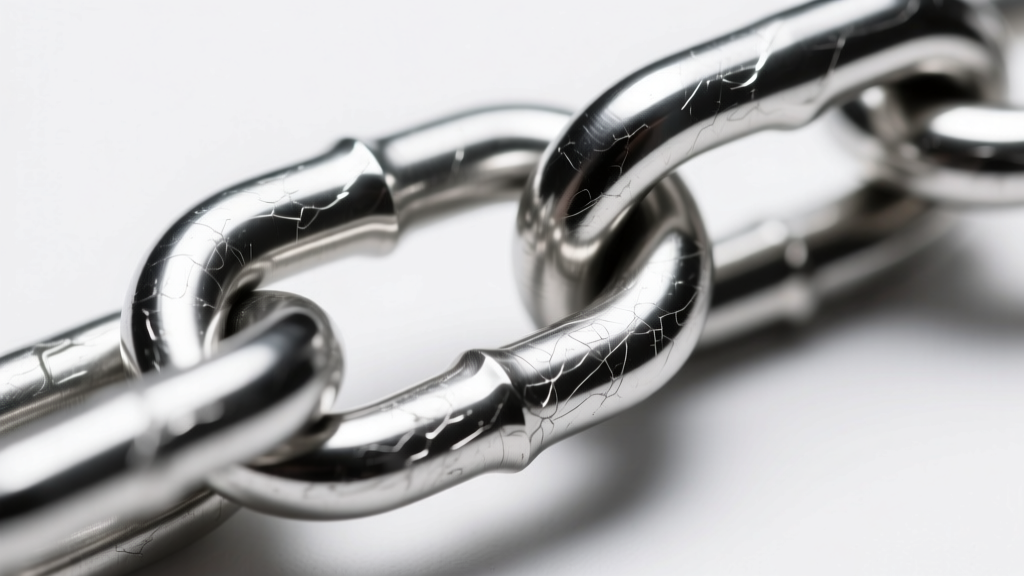
Tungsten carbide is heavily marketed as a metal that will never scratch or tarnish. While it is true that tungsten will not chemically tarnish, it is bonded using a metal binder (usually cobalt or nickel). If the jewelry is exposed to harsh chemicals like bleach or chlorine, the binder can oxidize, leading to microscopic pitting that makes the ring look permanently dull. Always ensure your tungsten jewelry uses a nickel binder rather than cobalt for maximum corrosion resistance.
How to Clean and Restore Non-Tarnishing Metals
Because platinum, titanium, and 316L steel do not suffer from chemical tarnish, you should avoid harsh chemical dips, silver polish, or abrasive baking soda pastes. These will only scratch the surface or degrade the polish.
The Universal Safe-Clean Protocol
- Prepare a Solution: Mix warm water with a few drops of mild, phosphate-free dish soap (like Dawn) in a glass bowl.
- Soak: Let the jewelry sit for 10-15 minutes to loosen sebum, lotions, and environmental dust.
- Agitate: Use an extra-soft baby toothbrush to gently sweep the crevices, particularly around gemstone settings where grime mimics metal tarnish.
- Rinse and Dry: Rinse under lukewarm running water and pat dry with a lint-free microfiber cloth.
Expert Warning on Ultrasonic Cleaners: While bare platinum, titanium, and steel are perfectly safe in ultrasonic cleaners, the high-frequency vibrations can shatter fracture-filled diamonds, opals, and emeralds. Always verify your gemstone's stability before utilizing ultrasonic technology, regardless of the metal's durability.
Expert Verdict: What Should You Actually Buy?
When deciding what type of jewelry doesn't tarnish, your choice should align with your lifestyle and maintenance tolerance. If you want a bright white metal but refuse to deal with rhodium re-plating every two years, Platinum (Pt950) is the undisputed champion, provided you accept its natural patina over time. For everyday, rugged wear—especially for body jewelry, watches, and men's bands—Grade 5 Titanium and 316L Stainless Steel offer unmatched, maintenance-free corrosion resistance at a fraction of the cost of precious metals.
By understanding the metallurgical reality behind marketing claims, you can stop fighting imaginary tarnish and start caring for your jewelry with scientifically sound methods.


