What to Use for Jewelry Cleaner: 2026 Trend Guide
Discover what to use for jewelry cleaner in 2026. We analyze trending eco-enzymes, smart ultrasonics, and bespoke care for lab-grown gems and mixed metals.

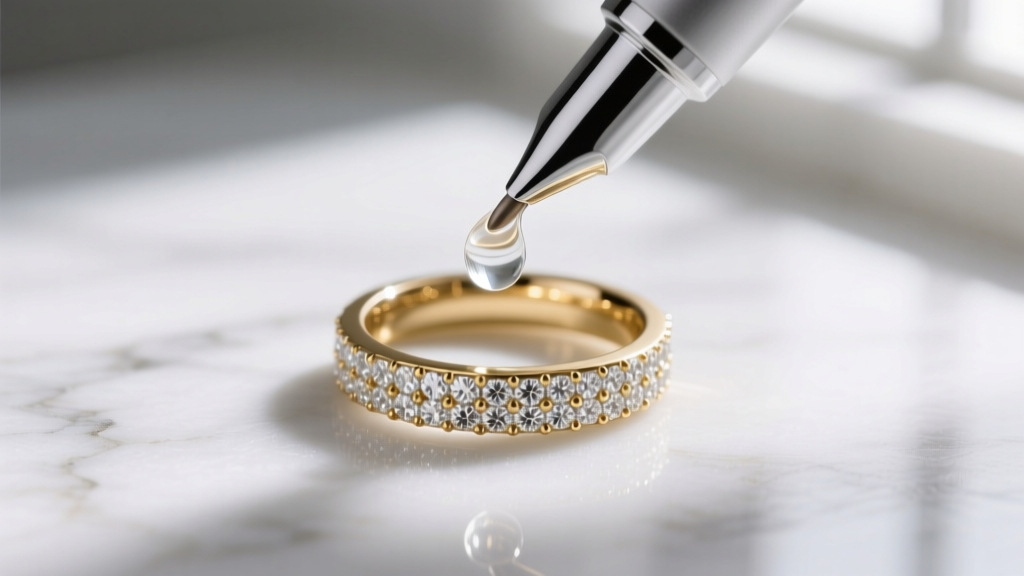
The landscape of fine jewelry maintenance has evolved dramatically. As we navigate 2026, the question of what to use for jewelry cleaner is no longer answered with a simple bowl of warm water and generic dish soap. The modern jewelry box is a complex ecosystem of lab-grown CVD diamonds, recycled 14k and 18k gold alloys, anodized titanium, and intricate micro-pave settings. Coupled with the rise of heavy, hydrophobic "clean beauty" skincare routines, traditional cleaning methods are failing to cut through the grime, and in some cases, actively damaging delicate finishes. As a style and trend analyst tracking the intersection of material science and daily wear, I have broken down the definitive 2026 care protocols, separating outdated myths from the latest bio-enzymatic and smart-tech breakthroughs.
The 2026 Shift: Bio-Enzymatic vs. Traditional Solvents
For decades, mild surfactants (like Dawn dish soap) were the gold standard for degreasing jewelry. However, the 2026 skincare market is dominated by lipid-heavy barriers featuring squalane, ceramides, and heavy silicones. These ingredients create a hydrophobic film that standard surfactants struggle to emulsify without aggressive scrubbing.
Enter bio-enzymatic jewelry cleaners. Formulated with targeted protease (to break down dead keratin/skin cells) and lipase (to dissolve complex sebum and cosmetic oils), these solutions work on a molecular level. Unlike harsh ammonia-based solvents that can strip the 0.1-to-0.2-micron rhodium plating off white gold or dull the polish on softer gems, enzyme pens and soaks safely lift hydrophobic films at room temperature. Leading brands are now packaging these in precision-brush applicators ($18–$25 retail), allowing users to target the gallery wire and culet of a stone without soaking the entire piece, which is critical for preserving porous gems like turquoise or opals.
Smart Ultrasonic Cleaners: Frequency and Material Matching
Ultrasonic technology has moved past the one-size-fits-all 42kHz frequency of the early 2020s. Today's smart ultrasonics feature adjustable sweep frequencies, recognizing that cavitation—the process where microscopic vacuum bubbles implode to blast away dirt—must be matched to the structural integrity of the jewelry.
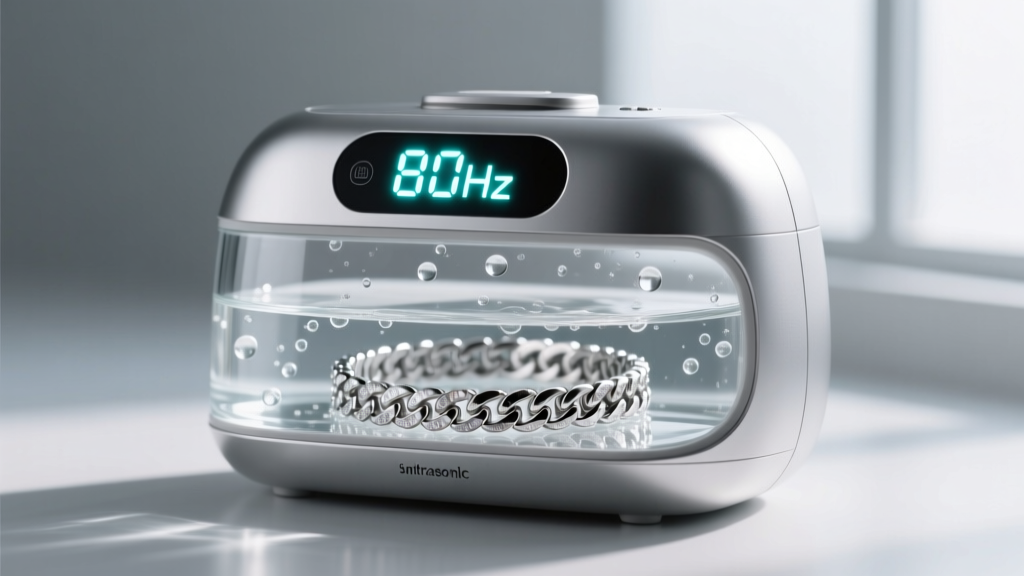
According to the Gemological Institute of America (GIA), while high-intensity cavitation is excellent for solid platinum and robust diamonds, it poses a severe risk to micro-pave settings, fractured-filled gems, and lab-grown emeralds. Using a lower frequency (42kHz) creates larger, more violent cavitation bubbles that can bend micro-prongs and dislodge sub-1mm melee diamonds. The 2026 trend relies on high-frequency (80kHz–120kHz) smart tanks, which generate millions of smaller, gentler bubbles that penetrate microscopic crevices without exerting destructive sheer force.
| Frequency Band | Bubble Size & Force | Best For (2026 Materials) | Failure Modes & Risks |
|---|---|---|---|
| 35kHz - 42kHz | Large / High Impact | Solid 14k/18k Gold, Platinum, Robust Diamonds | Can loosen micro-pave prongs; causes thermal shock in opals. |
| 45kHz - 60kHz | Medium / Moderate | Standard Gemstones, Sapphire, Ruby, Lab-Grown Diamonds | Risks stripping black rhodium or antique oxidized finishes. |
| 80kHz - 120kHz | Micro / Gentle Sweep | Micro-Pave, Emeralds, Tanzanite, Delicate Filigree | Less effective on heavy, baked-on cosmetic waxes without heat. |
Bespoke Care for Trending 2026 Metals & Alternative Alloys
As alternative metals surge in popularity within contemporary and bridal jewelry, knowing what to use for jewelry cleaner requires a metallurgist's mindset. The Jewelers of America consistently warns against treating all metals equally. Here is how to handle the trending materials of the year:
- Damascus Steel & Mokume Gane: These layered, multi-metal alloys (often combining high-carbon steel with nickel or copper) are prone to galvanic corrosion if left wet. Care Protocol: Use a pH-neutral, non-ionic cleaner. Never use ultrasonics, as the vibration can accelerate micro-delamination in poorly forged layers. Dry immediately with a microfiber cloth and seal with a micro-drop of mineral oil.
- Black Rhodium Plating: Highly sought after for its gothic, gunmetal aesthetic, black rhodium is incredibly thin. Care Protocol: Never expose to temperatures above 110°F (43°C). Heat causes the plating to micro-crack and flake. Use only room-temperature enzymatic soaks and pat dry—never rub.
- Anodized Titanium: The vibrant colors of anodized titanium are created by altering the oxide layer via electricity, not by dye. Care Protocol: Avoid any cleaner containing ammonia or mild abrasives (like baking soda pastes), which will chemically strip the oxide layer and revert the metal to dull gray.
The "Clean" Beauty Backlash: Troubleshooting Cloudy Gemstones
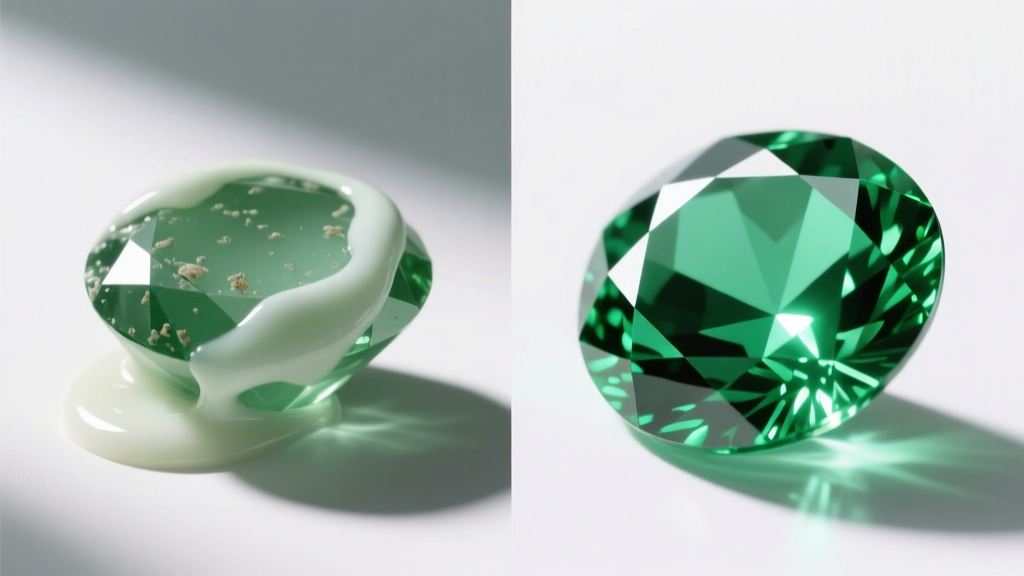
A massive trend in 2026 is the consumer confusion surrounding "cloudy" lab-grown and natural diamonds. Many consumers assume their stone has degraded or was poorly cut. In reality, the pavilion (the bottom of the stone) is coated in a microscopic layer of polymer-based skincare or haircare residue. Because light enters a diamond primarily through the pavilion, even a 2-micron film of lotion will cause total internal reflection to fail, resulting in a dead, glassy appearance.
To combat this, jewelers are recommending a two-step weekly protocol: a 3-minute soak in a heated (95°F) lipase-based enzymatic bath, followed by a gentle agitation with a high-density, ultra-soft horsehair brush. Standard nylon toothbrushes, historically recommended in DIY guides, are now recognized as too stiff, capable of leaving micro-scratches on high-polish gold galleries and softer gemstone girdles.
Expert Verdict: Building a 2026 Care Arsenal
Building a proper jewelry care kit in 2026 requires moving away from generic, multi-purpose solutions. Your arsenal should be segmented by material vulnerability:
- The Daily Degreaser ($18–$25): A bio-enzymatic pen with a precision horsehair brush for quick removal of squalane and sebum from diamond engagement rings and wedding bands.
- The Smart Ultrasonic ($85–$150): A dual-frequency tank (45kHz and 80kHz) with a digital temperature lock set to a maximum of 95°F to protect heat-sensitive treatments and platings.
- The Chemical-Free Polish ($15–$30): Impregnated microfiber cloths treated with nano-abrasive jeweler's rouge for restoring the luster to solid gold and platinum bands without the use of liquid solvents.
Ultimately, understanding what to use for jewelry cleaner is about respecting the chemistry of both the materials you wear and the cosmetics you apply. By aligning your cleaning technology with modern material science, you ensure your pieces maintain their structural integrity and optical brilliance for decades to come.


