Aura Permanent Jewelry: 2026 Budget & Value Assessment
Is aura permanent jewelry worth the premium? We break down 2026 sourcing costs, PVD welding challenges, and profit margins for DIY makers.

The "Aura" Trend in Permanent Jewelry: Hype vs. Reality
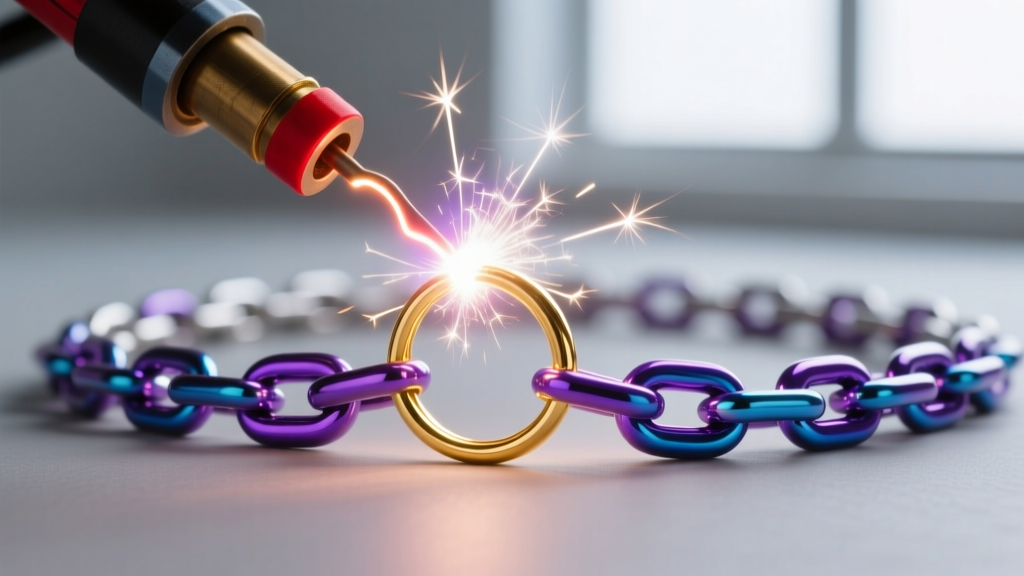
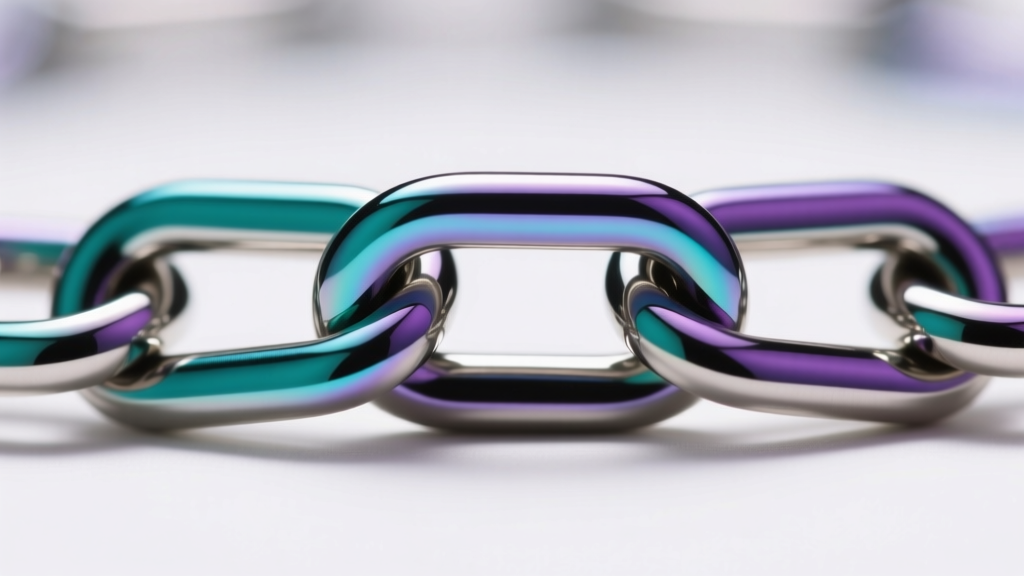
If you have been tracking permanent jewelry trends on TikTok or Instagram, you have undoubtedly encountered the term "aura." In the context of permanent jewelry, aura chains refer to stainless steel or titanium chains treated with a specialized PVD (Physical Vapor Deposition) coating that creates a dichroic, color-shifting effect. Depending on the light, these chains flash gradients of oil-slick purple, mermaid teal, or sunset orange. For the DIY jewelry maker and mobile permanent jewelry business owner, the aura trend presents a unique dilemma: it commands a massive premium from clients, but it introduces severe technical challenges at the welding bench.
As we move through 2026, the market has been flooded with cheap, poorly coated aura chains from overseas distributors that flake within weeks, alongside high-grade, jewelry-specific PVD chains from established suppliers. This guide provides a rigorous budget and value assessment of sourcing, welding, and retailing aura permanent jewelry, helping you decide if the investment aligns with your business model or personal DIY projects.
Material Breakdown: Sourcing Costs for Aura Chains
The perceived value of aura permanent jewelry is exceptionally high. Clients view the color-shifting effect as custom and rare, allowing makers to charge significantly more per inch than standard 14k gold-filled chains. However, your wholesale sourcing costs will vary wildly based on the base metal and the thickness of the PVD coating.
| Material Type | Wholesale Cost (per ft) | Coating Thickness | Durability & Tarnish | Retail Price (per inch) |
|---|---|---|---|---|
| Standard 14k Gold-Filled (Baseline) | $12 - $18 | N/A (Mechanically bonded) | High; lasts years with care | $4 - $6 |
| 316L Stainless Steel PVD Aura (Budget) | $8 - $14 | 0.1 - 0.25 microns | Low; chips within 3-6 months | $6 - $9 |
| 316L Stainless Steel PVD Aura (Premium) | $25 - $40 | 1.0 - 2.5 microns | Very High; scratch-resistant | $10 - $15 |
| Titanium Grade 5 PVD Aura | $55 - $80 | 2.0+ microns | Extreme; hypoallergenic | $18 - $25 |
For a sustainable business, avoid the budget-tier 0.1-micron coatings. While the upfront cost is appealing, the coating will wear off at the friction points (like the clasp or welding link), exposing the dull grey steel beneath and resulting in client complaints. Sourcing premium PVD chains from reputable suppliers like Stuller or specialized permanent jewelry wholesalers ensures the PVD layer is thick enough to withstand daily wear and the welding process.
The Hidden Costs: Welding Aura Chains Without Ruining the Finish
The biggest hurdle in offering aura permanent jewelry is the welding process. PVD coatings are incredibly sensitive to extreme, localized heat. A standard pulse arc weld delivers a micro-plasma spark that reaches temperatures upwards of 10,000°F. If you arc directly onto an aura-coated link, the PVD layer will instantly vaporize, leaving a permanent, ugly black or grey burn mark on the stainless steel.
Furthermore, cutting the chain exposes the raw, uncoated stainless steel core at the end links. When exposed to the oxygen in the air during the weld, this raw steel will oxidize and turn a dull rainbow-grey, ruining the seamless illusion of the aura gradient.
Optimal Welder Settings and Workarounds
To preserve the value of your materials and deliver a flawless product, you must adapt your welding technique. According to technical guidelines from Sunstone Welders, welding coated metals requires strict atmospheric control and indirect arcing.
- The Sacrificial Jump Ring Method: Never weld the aura chain links directly to one another. Instead, use a 3mm outer-diameter, 20-gauge (0.8mm) solid 14k yellow gold-filled or surgical steel jump ring. Thread the end links of the aura chain onto the jump ring, and place your welding electrode exclusively on the jump ring. The jump ring acts as a sacrificial bridge, absorbing the heat and preventing the PVD coating on the chain from burning.
- Argon Gas is Non-Negotiable: You must use Argon gas to shield the weld zone. Set your regulator to a steady flow of 1.5 to 2.0 CFH (Cubic Feet per Hour). The argon displaces oxygen, preventing the exposed steel core at the cut ends of the chain from oxidizing and rainbowing during the spark.
- Voltage and Pulse Width: If you are using a machine like the Orion 150s, use a lower voltage (around 25V - 30V) but a wider pulse width. This creates a broader, softer heat distribution rather than a sharp, piercing spark that could blow through the thin PVD layer.
Pricing Your Aura Permanent Jewelry Services
When assessing the budget and value of adding aura chains to your inventory, you must factor in the "fiddle time." Welding an aura chain takes approximately 30% longer than welding a standard gold-filled cable chain due to the careful positioning of the sacrificial jump ring and the mandatory argon gas setup.
Here is a real-world margin analysis for a standard 7-inch bracelet:
- Material Cost (Premium 1.5mm Aura Chain): ~$23.00 (at $33/ft)
- Consumables (Argon, 14k GF Jump Ring, Electrode wear): ~$2.50
- Total COGS (Cost of Goods Sold): $25.50
- Retail Price (at $12/inch): $84.00
- Gross Profit: $58.50 (69% Margin)
Compared to a standard 14k gold-filled bracelet (which typically yields a 75% margin but a lower total dollar profit of around $20-$30 per piece), aura permanent jewelry generates significantly higher gross revenue per appointment. The high perceived value of the "color-shifting" aesthetic means clients rarely push back on the $10-$15 per inch price point, especially when marketed correctly as a premium, specialized material.
Final Verdict: Is the Aura Premium Justified?
From a strict budget perspective, aura permanent jewelry requires a higher initial capital outlay for premium inventory and the absolute necessity of an argon gas setup (which adds roughly $150-$200 to your startup costs if you don't already have one). Furthermore, the learning curve for welding PVD-coated metals without burning the finish will cost you a few feet of ruined chain during practice.
However, from a value and ROI standpoint, the aura trend is highly justified for 2026. It serves as an excellent "upsell" or signature offering that differentiates your DIY brand or mobile welding business from the saturated market of standard gold and silver chains. By sourcing high-micron PVD chains from trusted suppliers like Rio Grande or dedicated permanent jewelry wholesalers, and by strictly adhering to the sacrificial jump ring welding method, you can offer a breathtaking, high-margin product that clients are eager to pay a premium for.


