Making Jewelry at Home: The 2026 Occasion Gift Guide
Discover the ultimate 2026 guide to making jewelry at home for every occasion. Learn material grades, gauge sizes, and project ideas for perfect gifts.

The Shift to Hyper-Personalized Gifting in 2026
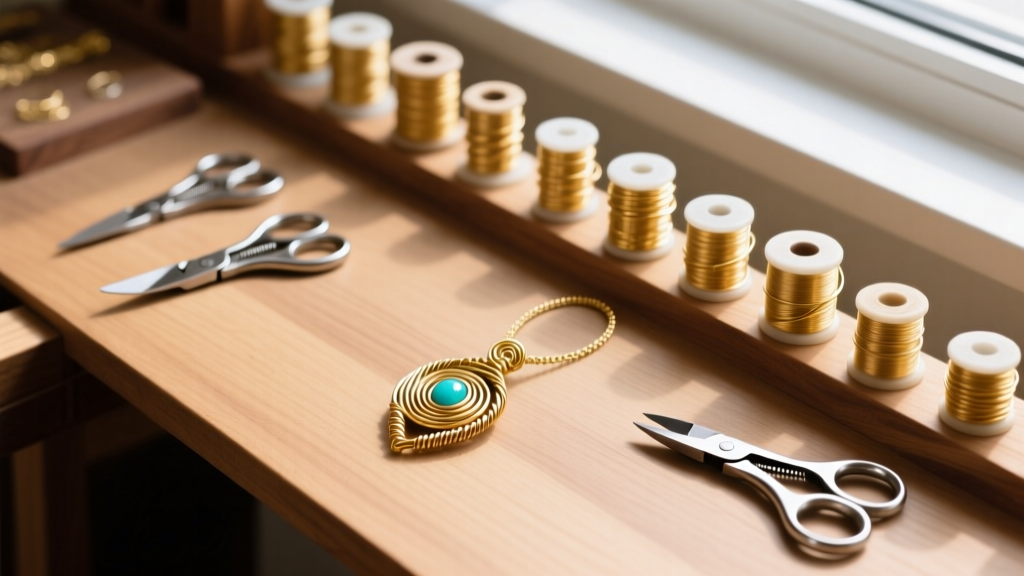
In 2026, the gifting landscape has shifted dramatically away from mass-produced luxury and toward hyper-personalized, sustainable, and emotionally resonant pieces. For artisans and hobbyists, making jewelry at home offers an unparalleled opportunity to craft bespoke gifts that speak directly to the recipient's milestones, birthstones, and personal aesthetics. Whether you are a beginner looking to craft a simple beaded bracelet or an intermediate wire-wrapper aiming for intricate pendant designs, matching your project to the specific occasion is the key to creating a memorable gift.
This comprehensive guide breaks down the best DIY jewelry projects for major life events, detailing the exact metal alloys, wire gauges, and hardware specifications you need to ensure your handmade gifts are not only beautiful but structurally sound and built to last.
Anniversaries & Milestones: Wire-Wrapped Gemstone Pendants
Anniversaries call for enduring materials and timeless designs. Wire wrapping is an ideal technique for making jewelry at home for these occasions because it requires no soldering, yet yields professional, heirloom-quality results when executed with the correct wire temper and gauge.
Material Deep Dive: Argentium Silver vs. Standard Sterling
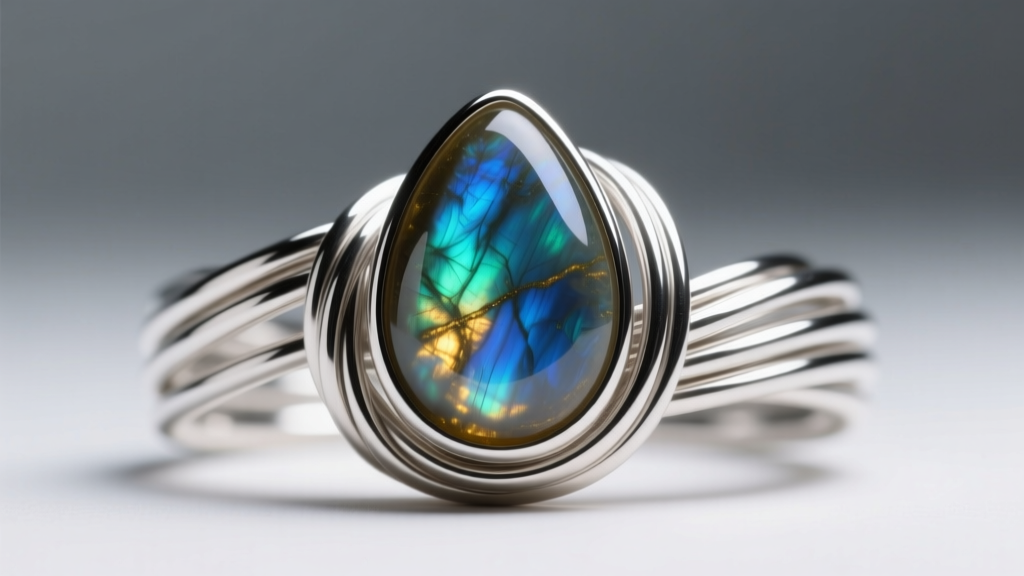
For milestone anniversaries, skip standard 925 sterling silver and opt for Argentium 935 silver. Argentium replaces some of the copper in traditional sterling with germanium, making it highly tarnish-resistant and brilliantly white. This means the recipient will spend less time polishing and more time wearing the piece. Furthermore, Argentium can be fused to itself without solder, a massive advantage for advanced home jewelers.
Gauge and Temper Specifications
- Base Frames: Use 20-gauge or 18-gauge wire in a half-hard temper. Half-hard wire has been partially work-hardened, giving it the structural integrity needed to hold a heavy cabochon without bending out of shape.
- Weaving and Coiling: Use 24-gauge or 26-gauge wire in a dead-soft temper. Dead-soft wire is highly malleable, allowing for tight, intricate weaves and seamless wraps around the base frame.
- Bail Construction: 20-gauge half-hard is ideal for creating a sturdy bail that can support the weight of a leather or metal chain.
Pro Tip: When cutting your wire, always ensure the flat side of your flush cutters faces the piece you intend to keep. This leaves a flush edge on your project and a sharp 'pincher' edge on the scrap wire, preventing accidental scratches on your gemstones.
Birthdays & Graduations: Birthstone Beading and Charm Linking
Birthdays and graduations are perfect occasions for vibrant, personalized pieces that incorporate the recipient's birthstone or school colors. When making jewelry at home for these events, durability is paramount, as beaded jewelry often faces daily wear and tear.
The Engineering of Bead Stringing
A common failure mode in DIY beaded jewelry is the snapping of the stringing material or the failure of the crimp. To avoid this, invest in high-quality 49-strand micro-wire (such as Soft Flex or Beadalon). The 49-strand construction offers superior drape and kink-resistance compared to 7-strand or 19-strand alternatives.
Hardware Matrix for Beaded Gifts
| Component | Recommended Specification | Why It Matters |
|---|---|---|
| Stringing Wire | 49-Strand, 0.015-inch diameter | Provides a silk-like drape while supporting up to 15 lbs of tension. |
| Crimp Tubes | 2x2mm Seamless Base Metal | Seamless tubes prevent the wire from slicing through the crimp during wear. |
| Clasps | Magnetic Tube or Lobster Claw | Magnetic clasps offer accessibility; lobster claws offer maximum security. |
| Wire Guardians | French Wire / Bullion | Protects the stringing wire from fraying against the metal clasp loop. |
For a modern 2026 aesthetic, consider asymmetric charm linking using 22-gauge gold-filled wire to connect faceted birthstone briolettes to a delicate cable chain. This creates a high-end, custom look that far exceeds the perceived value of the raw materials.
Holidays & Stocking Stuffers: Minimalist Stacking Rings
The holiday season demands projects that are quick to produce, cost-effective, and universally appealing. Minimalist stacking rings are the ultimate solution. They are lightweight, trendy, and allow you to produce multiple variations in a single bench session.
Mastering Gold-Filled Wire
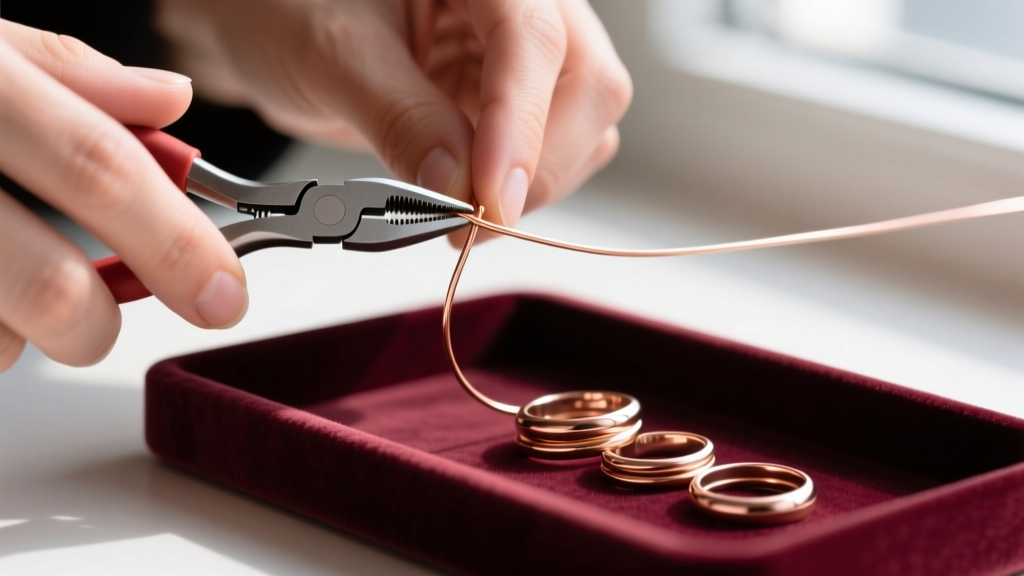
Solid gold is often cost-prohibitive for casual holiday gifts, making 14/20 gold-filled wire the industry standard for home artisans. According to Halstead, 14/20 gold-filled wire contains exactly 5% (or 1/20th) of its total weight in solid 14k gold, mechanically bonded to a brass core. Unlike gold-plated wire, which has a microscopic flash of gold that wears off in months, gold-filled wire will last a lifetime with proper care.
Cold Connection Ring Making
If you do not have a torch setup for soldering, you can create stunning tension rings or wrapped bands using cold connections.
- Measure and Cut: Wrap a piece of paper around a steel ring mandrel at the desired size, mark it, and cut your 16-gauge or 18-gauge gold-filled wire to length, adding 5mm for overlap.
- Shape: Use a rawhide mallet to form the wire around the mandrel. The rawhide prevents marring the gold layer while aggressively work-hardening the brass core.
- Finish: File the ends completely flat using a #4 cut hand file, then sand through 400, 600, and 800 grits for a mirror polish.
Troubleshooting Common Home Bench Failures
When making jewelry at home, tool marks and accidental work-hardening are the most frequent culprits behind ruined gifts. Here is how to troubleshoot like a professional:
- Tool Marks on Soft Metals: Standard steel pliers will dent gold-filled and fine silver wire. Wrap the jaws of your chain-nose and round-nose pliers with Tool Magic dip or painter's tape. Alternatively, invest in brass-jawed pliers, which are softer than your wire and will not leave gouges.
- Wire Snapping During Wrapping: If your wire keeps snapping while weaving, you are work-hardening it too quickly. Every time you bend metal, its crystal lattice tightens. To fix this, anneal your wire with a torch (if using silver) or simply buy dead-soft temper and handle it gently, avoiding repetitive bending in the exact same spot.
- Tarnished Gifts: Always include a 3M anti-tarnish strip inside your gift boxes. Copper-rich alloys like sterling silver will react to sulfur in the air; the anti-tarnish strip absorbs these gases, keeping your gift pristine until it is opened.
Packaging and Presentation: Elevating the Handmade Gift
The presentation of your handmade jewelry is just as critical as the craftsmanship. In 2026, eco-conscious packaging is highly valued by consumers and gift recipients alike. Source recycled cotton-filled boxes and stamp the exterior with a custom brass logo stamp and archival ink. Include a small, heavy-cardstock care card detailing the exact materials used (e.g., 'Crafted with 14/20 Gold-Filled Wire and Genuine Labradorite') and instructions for cleaning. This transparency builds immense trust and elevates your hobby into a premium gifting experience.
For further education on material properties and advanced techniques, Fire Mountain Gems offers an extensive library of tutorials and material safety data sheets that are invaluable for home jewelers looking to refine their craft.
Conclusion
Whether you are celebrating a 10-year anniversary with a wire-wrapped Argentium pendant, a 16th birthday with a birthstone charm bracelet, or a holiday season filled with gold-filled stacking rings, making jewelry at home allows you to infuse every piece with intention and love. By respecting the metallurgy, choosing the correct gauges, and finishing your pieces with professional-grade hardware, your handmade gifts will be cherished for generations to come.


