DIY Gift Guide: How Much Do Jewelry Designers Make?
Discover how much jewelry designers make in 2026 and use professional pricing insights to craft high-value DIY jewelry gifts for every occasion.

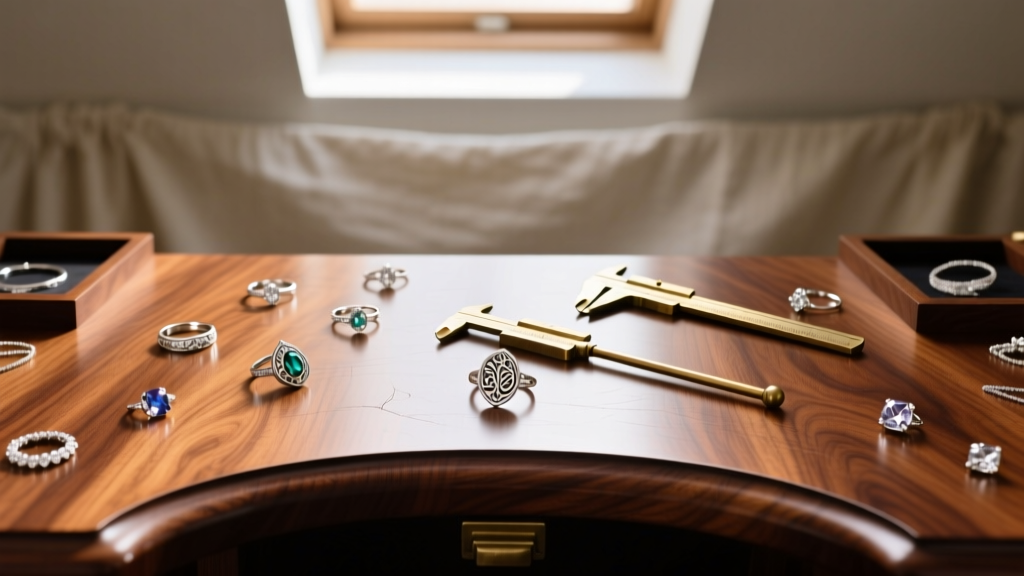
Gifting handmade jewelry is a deeply personal endeavor, but when crafting for major life milestones—such as weddings, 10-year anniversaries, or milestone graduations—the line between 'hobbyist craft' and 'professional fine jewelry' must be deliberately crossed. This transition often raises a critical question among advanced DIYers who are either appraising their gifts or considering a side hustle: how much do jewelry designers make? Understanding professional income brackets, material costs, and retail margins fundamentally changes how you source metals, gauge your labor, and match specific pieces to high-stakes occasions.
In this 2026 gift guide, we bridge the gap between DIY crafting and professional jewelry design. By analyzing what professional designers earn and charge, you can elevate your occasion-specific gifts from simple crafts to heirloom-quality treasures that command genuine respect and value.
The Financial Reality: How Much Do Jewelry Designers Make?
Before you can price your own labor or justify the cost of premium materials for a wedding gift, you need to understand the market. According to the U.S. Bureau of Labor Statistics, the median annual wage for jewelers and precious metal workers hovers around $48,000. However, independent bespoke designers and niche fine jewelry creators operate on vastly different margins, often dictated by their material choices and target occasions.
When you craft a gift, you are essentially 'paying' yourself the retail markup that a professional designer would capture. Here is a breakdown of the 2026 income landscape for jewelry designers, which can help you benchmark the perceived value of your own high-end DIY gifts.
| Designer Tier | Primary Occasion Focus | Avg. Annual Income (2026) | Typical Retail Markup |
|---|---|---|---|
| Hobbyist / Market Crafter | Casual gifts, festivals, birthdays | $12,000 - $28,000 | 1.5x - 2x Materials |
| Independent Artisan | Anniversaries, custom bridal | $45,000 - $75,000 | 3x - 4x Materials |
| Fine Bespoke Designer | High-jewelry weddings, heirlooms | $90,000 - $150,000+ | 5x - 10x Materials |
As the Gemological Institute of America (GIA) frequently notes in their industry reports, the leap from artisan to fine bespoke designer is almost entirely dependent on material integrity and occasion matching. A professional charging $600 for a wire-wrapped pendant isn't just selling wire; they are selling the guarantee that the metal will not oxidize against the skin during a 12-hour wedding reception.
Occasion Matching: Selecting Materials That Reflect Professional Value
If you want your DIY gift to rival the output of a designer earning in the top tiers, you must abandon craft-store supplies. Here is how to match professional-grade materials to specific gifting occasions.
Weddings & Milestone Anniversaries: The Gold Standard
For high-stakes romantic occasions, skin-safe, non-tarnishing metals are non-negotiable. Ditch standard copper or brass. Instead, invest in 14k Gold-Filled (1/20 14k GF). Unlike gold-plated wire, which has a microscopic flash of gold that wears off in months, 14k GF contains a thick, mechanically bonded layer of solid 14k gold that constitutes 5% of the total weight. It will last decades. For silver, upgrade from standard 925 Sterling to Argentium Silver (935 grade). Argentium replaces some of the copper alloy with germanium, making it highly tarnish-resistant and perfect for intricate wire-woven bridal cuffs that the recipient won't want to polish constantly.
Graduations & Career Milestones: Structural Gemstone Beading
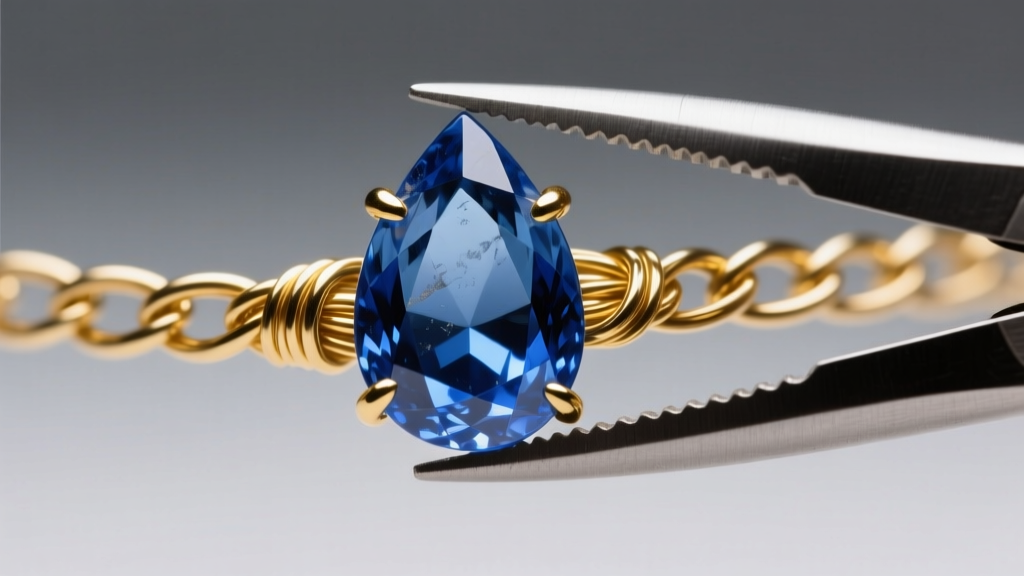
When gifting a necklace for a graduation, the focus shifts to durability and gemstone authenticity. Avoid dyed agates or glass beads. Opt for genuine faceted stones, such as 6mm rondelle lapis lazuli, labradorite, or moonstone. More importantly, the stringing material must match the professional standard. Never use elastic cord for high-end gifts; it degrades, stretches, and snaps. Instead, use 49-strand Beadalon wire in a 0.018-inch thickness. This aerospace-grade stainless steel wire, coated in nylon, offers the drape of silk thread with the tensile strength of steel, ensuring the graduation gift survives daily wear.
The 'Gift Value' Formula: Pricing Your DIY Creations
Even if you are giving the piece away, assigning a retail value elevates the perceived worth of the gift and helps you track your own ROI if you eventually transition from gifting to selling. Professional designers use a strict formula to ensure their hourly wage aligns with industry standards.
The Professional Pricing Formula:
(Materials Cost + Packaging) + (Hourly Labor Rate x Hours Spent) = Base Cost
Base Cost x 2 = Wholesale Price
Wholesale Price x 2 = Retail Value (The 'Gift Value')
For example, if you spend $25 on 14k GF wire and genuine gemstones, and it takes you 2 hours to weave a complex bezel (valuing your time at a modest $25/hour), your base cost is $75. The retail value of this gift is $300. When you present the gift, including a beautifully handwritten 'Certificate of Authenticity' that lists the exact material grades and the retail replacement value transforms a simple DIY project into a profound, high-value luxury experience.
Occasion-Specific Project Blueprints for the Advanced DIYer
To put these professional standards into practice, here are two blueprints for high-value occasion gifts that utilize advanced techniques and premium materials.
Blueprint 1: The 5th Anniversary 'Wood & Gold' Pendant
The traditional 5th-anniversary gift is wood. To elevate this, source a high-density, polished wood slice (like desert ironwood or stabilized burl). Using 20-gauge half-hard 14k GF wire, create a structural frame that hugs the organic shape of the wood. Half-hard wire provides the necessary tensile strength to hold the frame without bending out of shape. Use 28-gauge dead-soft 14k GF wire to weave intricate, tight coils around the main prongs. The contrast between the warm wood and the bright gold mimics the aesthetic of high-end bespoke designers who specialize in organic, nature-inspired bridal jewelry.
Blueprint 2: The 'Permanent' Friendship Bracelet (Clasp Alternative)
Permanent jewelry (welded chains with no clasp) is a massive trend for friend groups and bridesmaid gifts. While professional designers use expensive argon micro-welders to fuse 14k solid gold chains, DIYers can achieve a nearly identical, highly secure result using specialized findings. Source 14k solid gold rolo chain (1.5mm thickness) and use 14k gold soldered jump rings paired with a high-quality lobster clasp. Use two pairs of flat-nose pliers (like Tronex or Lindstrom) to apply opposing lateral pressure, ensuring the jump ring opens perfectly without warping the circular shape. This guarantees the chain won't slip open during daily wear.
Professional Packaging: The Hallmark of a True Designer
The final differentiator between a $50 craft fair pendant and a $400 designer piece is the unboxing experience. When gifting high-end DIY jewelry, the packaging must protect the materials and communicate luxury.
- Anti-Tarnish Protection: Always include a 3M anti-tarnish strip inside the box. These strips absorb sulfur and hydrogen sulfide from the air, preventing silver and copper alloys from oxidizing while stored.
- Polishing Cloths: Include a dual-layer Sunshine polishing cloth. The inner layer contains micro-abrasives and polishing compounds, while the outer layer buffs the metal to a high shine.
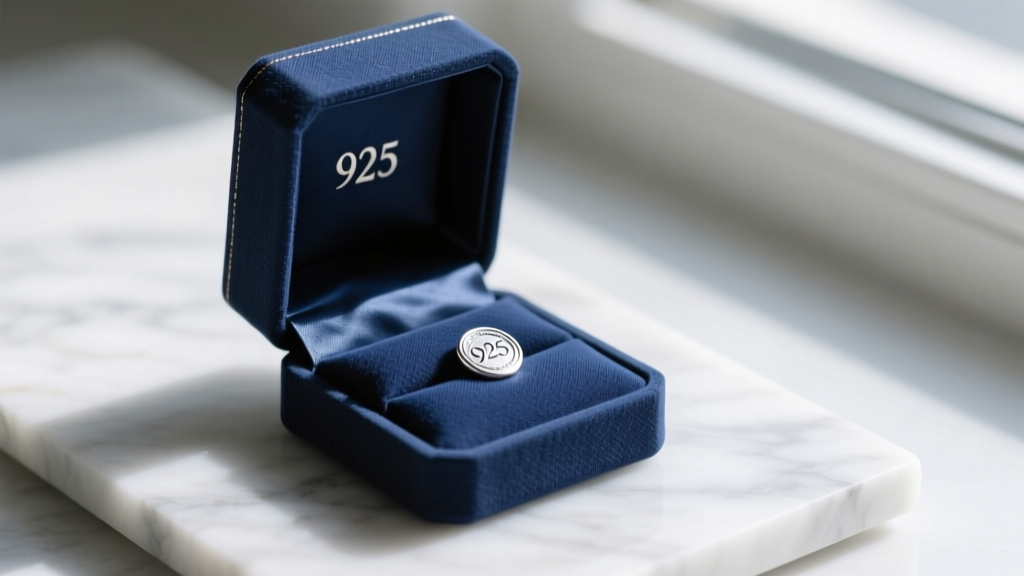
- Custom Hallmarking: Invest in a set of steel hallmarking stamps (e.g., '1/20 14k GF' or '925') and a brass stamping block. Stamping your maker's mark and the metal purity onto a small, flat sterling silver or gold-filled tag attached to the piece instantly authenticates it as a professional creation.
- Velvet or Linen Boxes: Avoid cheap plastic snap-cases. Opt for hinged boxes wrapped in matte linen or velvet, which absorb moisture and prevent the jewelry from sliding around during transit.
Conclusion: Gifting With Professional Intent
So, how much do jewelry designers make? They make a living by refusing to compromise on material integrity, structural durability, and presentation. By applying these exact same professional standards to your DIY jewelry gifts, you ensure that your creations aren't just relegated to a dusty drawer. Whether you are wire-wrapping a 14k gold bezel for a wedding or stringing genuine gemstones on aerospace-grade wire for a graduation, understanding the economics and standards of fine jewelry design allows you to craft occasion-specific gifts that carry genuine, lasting value.


