7 Budget DIY Jewelry Ideas: 2026 Cost & Value Guide
Discover 7 high-value budget DIY jewelry ideas for 2026. We break down material costs, perceived retail value, and ROI for wire wrapping and beading.

The landscape of independent jewelry making has shifted dramatically as we move through 2026. With global supply chain adjustments and a rising consumer preference for sustainable, handcrafted goods, the profit margins for artisan jewelry have never been more attractive—provided you know where to allocate your budget. If you are searching for diy jewelry ideas that balance low material costs with high perceived retail value, you must look beyond basic craft store kits and focus on strategic material sourcing and technical execution.
This guide breaks down seven high-ROI jewelry projects, analyzing exact material costs, required tooling, and the perceived market value of the finished pieces.
The Economics of Handmade Jewelry in 2026
Consumers in 2026 are highly educated about materials. They can spot cheap zinc alloys and gold-plated brass from a mile away, and they are willing to pay a premium for durability and ethical sourcing. The secret to budget jewelry making isn't buying the cheapest components; it is maximizing the perceived value of affordable, high-quality base materials. For example, a well-executed wire-wrapped pendant using raw, uncut semi-precious stones and oxidized copper can retail for upwards of $60, even if the raw materials cost less than $4. The value lies in the craftsmanship and the bespoke nature of the piece.
Strategic Material Sourcing
To maintain healthy margins, you must abandon retail craft stores and source from wholesale suppliers. According to industry standards outlined by Rio Grande, buying wire by the spool (typically 1 oz to 4 oz increments) reduces your per-foot cost by up to 70% compared to pre-packaged retail coils. Similarly, sourcing findings (clasps, jump rings, ear wires) from wholesale distributors like Halstead Bead ensures you are getting accurate metal stamps and reliable quality control, which prevents costly customer returns due to broken clasps or allergic reactions.
7 High-ROI DIY Jewelry Ideas (Cost vs. Value Breakdown)
1. 20-Gauge Copper Wire-Wrapped Pendants
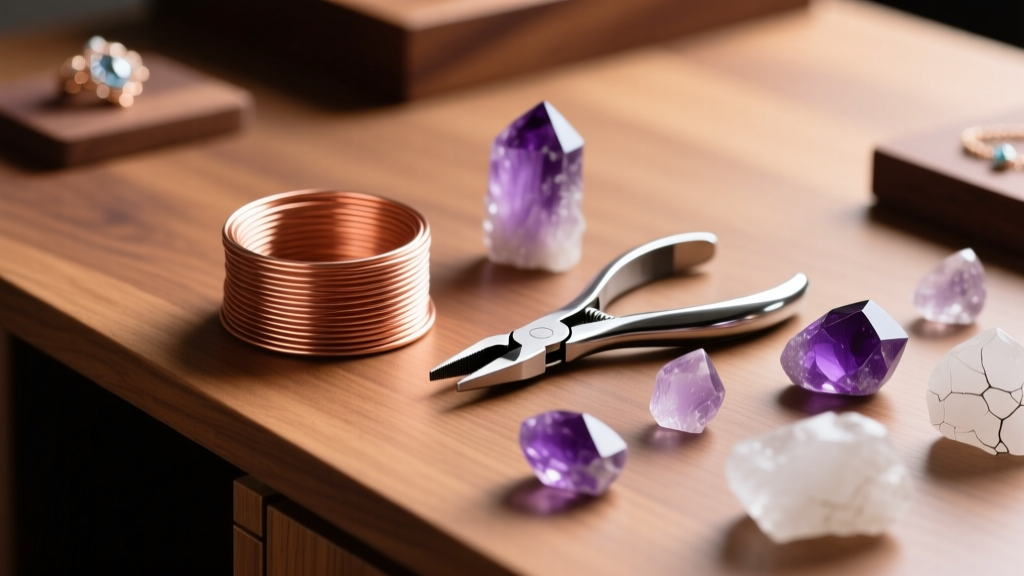
Wire wrapping remains one of the most cost-effective diy jewelry ideas because it requires no soldering or expensive torches. Use 20-gauge dead-soft copper wire for the main structural frame and 28-gauge wire for intricate weaving. Raw copper oxidizes quickly, which is a common failure mode for beginners. To solve this, polish the finished piece with a brass brush and seal it with a specialized jewelry coating like ProtectaClear. Pair the wire frame with a raw, unpolished amethyst or clear quartz point. Material Cost: $2.50 | Perceived Retail Value: $45 - $65.
2. Freshwater Pearl & Gold-Filled Bracelets
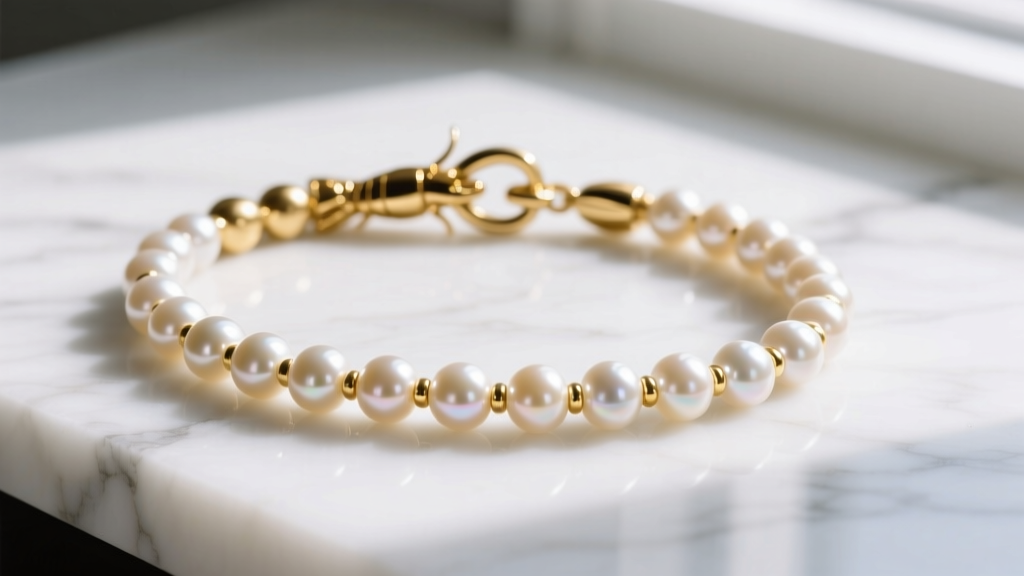
Gold-filled (GF) wire and findings offer the look and durability of solid gold at a fraction of the cost. By industry standards, 14/20 GF means that 1/20th of the total weight is solid 14k gold mechanically bonded to a brass core. Unlike gold-plated items that flake and tarnish within months, GF lasts for decades. String near-round freshwater pearls (which cost significantly less than perfectly round ones but offer a beautiful organic aesthetic) on a 49-strand, 0.018-inch Soft Flex beading wire. Secure the ends with 2mm crimp beads and crimp covers. Material Cost: $8.00 | Perceived Retail Value: $75 - $95.
3. Minimalist Brass Stacking Rings
Minimalist stacking rings are incredibly popular and require minimal material. Purchase 14-gauge half-hard brass wire. Cut to size, file the ends flush with a barrette needle file, and form the ring on a steel mandrel using a rawhide mallet to avoid marring the metal. The crucial step is work-hardening: tumble the rings in a rotary tumbler with stainless steel shot for 45 minutes. This compresses the metal surface, making it highly resistant to bending and giving it a brilliant shine. Material Cost: $1.20 | Perceived Retail Value: $22 - $30.
4. UV Resin & Dried Floral Pendants
Resin jewelry allows you to encapsulate real nature. While traditional two-part epoxy resin takes 24 hours to cure and is prone to yellowing if mixed improperly, modern UV resin cures in 3 to 5 minutes under a UV lamp and remains crystal clear. Use bezel trays made of surgical stainless steel and embed tiny dried forget-me-nots or fern fronds. The primary failure mode here is trapped air bubbles; use a heat gun on a low setting for two seconds to pop micro-bubbles before curing. Material Cost: $3.50 | Perceived Retail Value: $35 - $50.
5. Upcycled Glass Bead Chokers
Sustainability is a massive selling point in 2026. Source vintage or upcycled glass beads from estate sales or wholesale closeouts on platforms like Fire Mountain Gems. String them on a heavy-duty 0.8mm clear nylon cord, finishing with a sleek magnetic tube clasp. The contrast between vintage glass and modern, minimalist hardware creates a high-fashion aesthetic that commands premium pricing in boutique settings. Material Cost: $4.50 | Perceived Retail Value: $55 - $70.
6. Torch-Fired Enamel Cuff Bracelets
For makers willing to invest in a basic butane torch, enameling offers stunning results. Use 20-gauge copper cuff blanks. Apply a base coat of opaque white enamel, fire it until it turns glossy (about 60 seconds), and then use a sifter to apply a contrasting geometric pattern of transparent enamel. The heat-fusing process creates a glass-like finish that is incredibly durable and visually striking. Material Cost: $6.00 | Perceived Retail Value: $85 - $120.
7. Polymer Clay Statement Earrings
Polymer clay is lightweight, allowing for large, dramatic earring designs that won't weigh down the wearer's lobes. Use professional-grade clay (like Sculpey Premo) for its flexibility and colorfastness after baking. The most critical budget-saving tip here is your hardware: never use cheap alloy earring posts, as they will cause nickel allergies and ruin your brand's reputation. Invest in 20-gauge 316L surgical stainless steel or titanium posts. Material Cost: $1.00 | Perceived Retail Value: $28 - $40.
Cost vs. Perceived Value Matrix
| DIY Jewelry Idea | Est. Material Cost | Est. Labor Time | Perceived Retail Value | Profit Margin |
|---|---|---|---|---|
| Wire-Wrapped Pendants | $2.50 | 45 mins | $55.00 | 95% |
| Pearl & GF Bracelets | $8.00 | 30 mins | $85.00 | 90% |
| Brass Stacking Rings | $1.20 | 20 mins | $26.00 | 95% |
| UV Resin Pendants | $3.50 | 25 mins | $42.00 | 91% |
| Glass Bead Chokers | $4.50 | 15 mins | $62.00 | 92% |
| Enamel Cuffs | $6.00 | 60 mins | $100.00 | 94% |
| Clay Statement Earrings | $1.00 | 40 mins | $34.00 | 97% |
Hidden Costs and Failure Modes to Avoid
When calculating your budget, beginners often forget to factor in tool depreciation, packaging, and the cost of failed experiments. A $20 pair of flush cutters will eventually dull and need replacing after cutting thousands of wire wraps. Furthermore, tarnish is the enemy of perceived value. If you are selling copper or brass pieces, you must include an anti-tarnish strip in your packaging and provide the customer with a small polishing cloth. Finally, always double-check the metallurgical composition of your findings. Using nickel-containing base metals for items that pierce the skin (like ear wires) will result in severe allergic reactions and immediate chargebacks.
Final Verdict: Maximizing Your Craft Budget
The most profitable diy jewelry ideas in 2026 rely on the intersection of inexpensive, durable base materials and high-skill, meticulous finishing. By sourcing wholesale, mastering techniques like work-hardening and sealing, and prioritizing hypoallergenic hardware, you can build a highly lucrative jewelry business on a remarkably lean budget. Focus on the details—the flush wire ends, the perfectly closed jump rings, and the high-quality packaging—and your customers will gladly pay premium prices for your handcrafted work.


