Budget Jewelry Making Supplies and Tools: 2026 Value Guide
Discover the best budget jewelry making supplies and tools in 2026. We compare prices, material grades, and value to help beginners build kits cheaply.

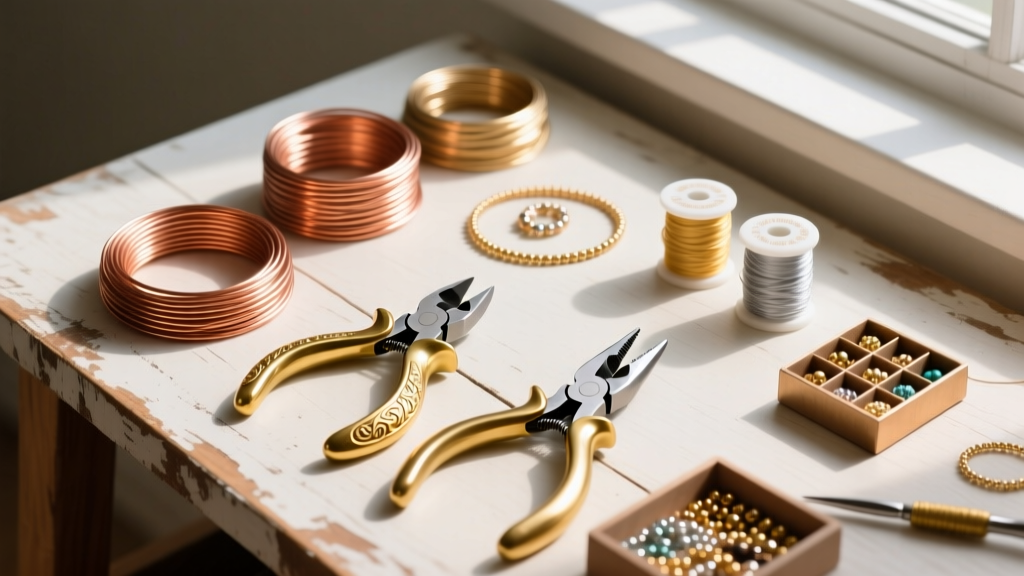
The barrier to entry in handmade jewelry is rarely a lack of creativity; it is almost always the perceived cost of equipment. As we navigate the 2026 market, the landscape of jewelry making supplies and tools has shifted. While premium European hand tools have seen price hikes due to manufacturing costs, mid-tier American and Asian brands have vastly improved their steel tempering and jaw alignment. This means beginners can now build a professional-grade starter kit without spending a fortune.
However, buying cheap is not the same as buying value. A $5 pair of craft-store cutters will ruin your wire, leave sharp burrs that scratch the skin, and break within a month. This guide breaks down exactly where to save, where to spend, and how to source high-quality jewelry making supplies and tools on a strict budget.
The True Cost of Starting: Budget vs. Premium
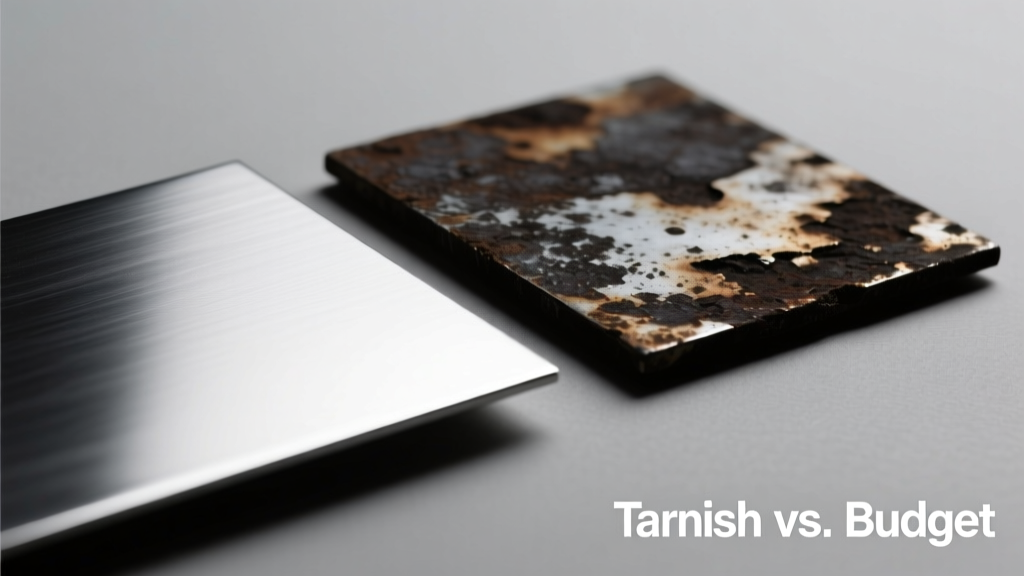
Many beginners fall into the trap of buying massive, 50-piece tool kits from random online marketplaces for $30. These kits are padded with useless items like cheap bead boards, low-grade crimping pliers, and serrated chain-nose pliers that will permanently mar soft metals. The failure mode of these budget kits is immediate: the flush cutters pinch rather than shear, the pliers have misaligned jaws that slip, and the spring mechanisms snap under pressure.
Instead of buying a pre-packaged kit, building an a la carte collection of jewelry making supplies and tools allows you to allocate your $150 budget strictly to the essentials. You only need three pairs of pliers, one high-quality cutter, and a strategic selection of practice wire to begin making professional-looking wire-wrapped pendants and beaded links.
Essential Hand Tools: Where to Save and Where to Spend
Flush Cutters: The Most Critical Investment
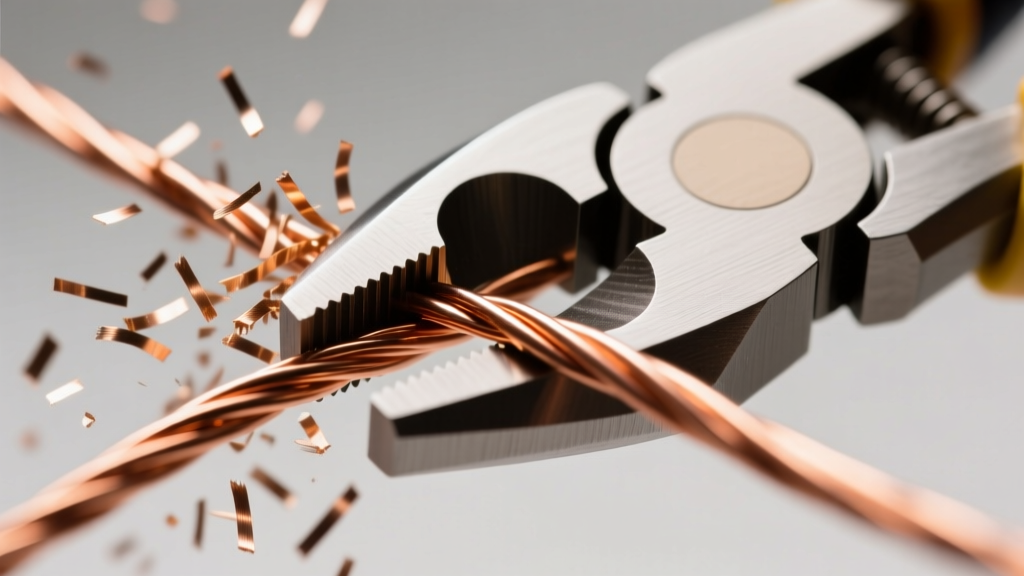
Your flush cutter is the workhorse of your bench. Cheap cutters use a 'pinch' cutting action, which deforms the wire and leaves a sharp, work-hardened burr. This burr will snag on clothing and scratch the wearer. You need a 'shear' cutter, which slices cleanly through the metal. The Xuron 2175 Maxi-Shear (typically around $26) is the undisputed king of value. It features a shear-cut jaw that leaves a flat, smooth finish on wires up to 12-gauge soft copper. Do not use these on memory wire or steel, as the hardened steel will chip the jaw edge.
Chain-Nose and Round-Nose Pliers
For chain-nose pliers, the interior jaw texture is everything. Serrated teeth will gouge and scratch soft metals like sterling silver and gold-filled wire. You must invest in smooth-jaw pliers. Wubbers and Maun offer excellent smooth-jaw options in the $20 to $35 range. For round-nose pliers, which are used to form loops and ear wires, look for a stepped jaw or a perfectly smooth tapered cone to prevent leaving indentations on your wire loops.
Tool Tier Comparison Chart
| Tool Type | Budget Tier (Avoid) | Value Tier (Recommended) | Premium Tier (Upgrade Later) |
|---|---|---|---|
| Flush Cutters | Generic Amazon ($8) | Xuron 2175 Maxi-Shear ($26) | Tronex 5115 Standard ($85) |
| Chain-Nose Pliers | Craft Store Serrated ($12) | Wubbers Smooth Jaw ($24) | Lindstrom RX Smooth ($95) |
| Round-Nose Pliers | Beadalon Basic ($15) | Wubbers Classic ($22) | Swanstrom Ergonomic ($65) |
| Nylon Jaw Pliers | Generic Plastic ($10) | Wubbers Nylon Jaw ($24) | Tronex Nylon Jaw ($70) |
Wire and Findings: Material Grades on a Dime
When evaluating jewelry making supplies and tools, wire is your primary raw material. The biggest mistake beginners make is practicing with expensive sterling silver or gold-filled wire. Silver work-hardens quickly, meaning it becomes stiff and brittle the more you bend it, leading to snapped ear wires and wasted money.
Copper and Brass Practice Wires
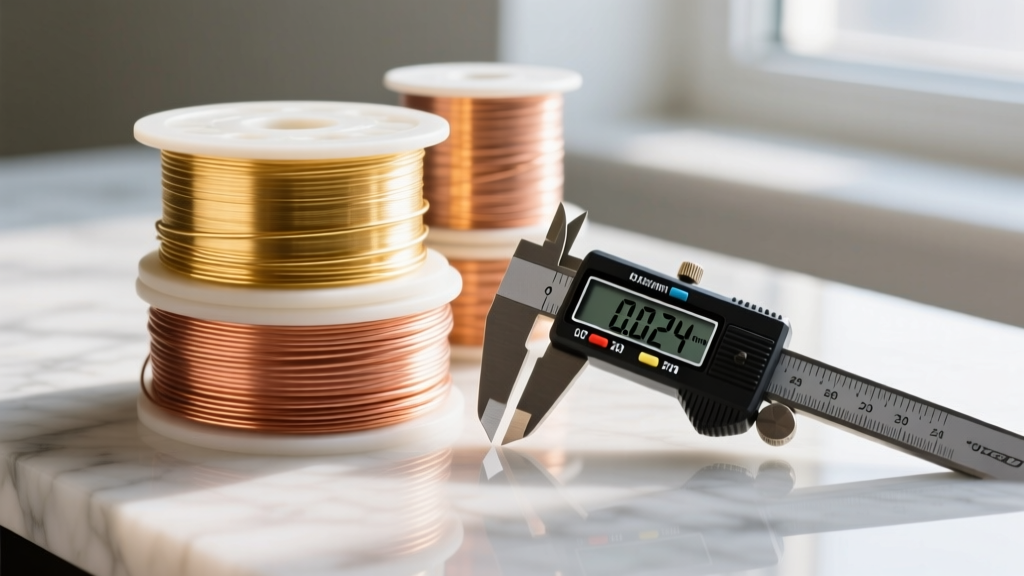
Dead soft bare copper is the ultimate practice metal. It is highly malleable, forgiving of mistakes, and cheap. A 4-ounce spool of 20-gauge dead soft copper wire costs roughly $8 to $12. Use 20-gauge for structural elements like ear wires and jump rings, and 24-gauge or 26-gauge for decorative weaving and binding. Brass is slightly harder and mimics the temper of 14k gold, making it an excellent secondary practice metal once you have mastered your tension control with copper.
Upgrading to Precious Metals
When you are ready to sell, avoid gold-plated wire. The gold layer is measured in microns and will rub off on the wearer's skin within weeks, exposing the base metal and causing allergic reactions. Instead, source 14/20 Gold-Filled wire. By industry standards, gold-filled wire must have a brass core mechanically bonded to a layer of 14k gold that constitutes at least 1/20th (5%) of the total weight. It behaves like solid gold, can be tumbled, and will not flake. Reputable suppliers like Rio Grande guarantee their gold-filled and sterling silver metallurgy, ensuring you are not buying counterfeit alloys laced with nickel or cadmium.
Sourcing Strategy: Maximizing Value in 2026
Where you buy is just as important as what you buy. The secondary market is flooded with stamped '925' silver that fails acid tests. To protect your brand and your customers, use the following sourcing framework:
- For Hand Tools: Buy directly from authorized tool distributors or specialized jewelry suppliers like Wire-Sculpture to avoid counterfeit Xuron or Lindstrom tools that use inferior pot-metal castings.
- For Precious Metals: Open a trade account with Halstead or Rio Grande. They require a business license, but their spot-price pricing on silver and gold-filled findings is significantly cheaper than retail craft stores.
- For Gemstone Beads: Avoid random marketplace vendors for precious stones. Stick to verified lapidaries or attend regional gem and mineral shows where you can inspect the drill holes and matrix inclusions in person.
Final Verdict: Building Your $150 Starter Kit
You do not need a $500 budget to start making beautiful, durable jewelry. By focusing on the structural integrity of your tools and the metallurgical quality of your wire, you can build a highly capable bench setup. Here is the exact 2026 allocation for a $150 starter kit of jewelry making supplies and tools:
- Xuron 2175 Maxi-Shear Flush Cutter: $26.00
- Wubbers Smooth Chain-Nose Pliers: $24.00
- Wubbers Round-Nose Pliers: $22.00
- Wubbers Nylon Jaw Pliers (for straightening): $24.00
- 4oz Spool 20g Dead Soft Copper Wire: $10.00
- 4oz Spool 24g Dead Soft Copper Wire: $10.00
- 1oz Spool 20g 14/20 Gold-Filled Wire: $22.00
- Pack of 50 Sterling Silver Ear Wires (French Hook): $12.00
Totaling exactly $150, this kit provides the precise tension control, clean cuts, and premium materials required to transition from a hobbyist to a professional jewelry designer. Invest in the steel that shapes the metal, and the metal that touches the skin, and never compromise on the flush cutters.