How to Make Sea Glass Jewelry: 2026 Occasion Gift Guide
Learn how to make sea glass jewelry for every occasion. Our 2026 gift guide covers wire wrapping techniques, glass grading, and styling tips.

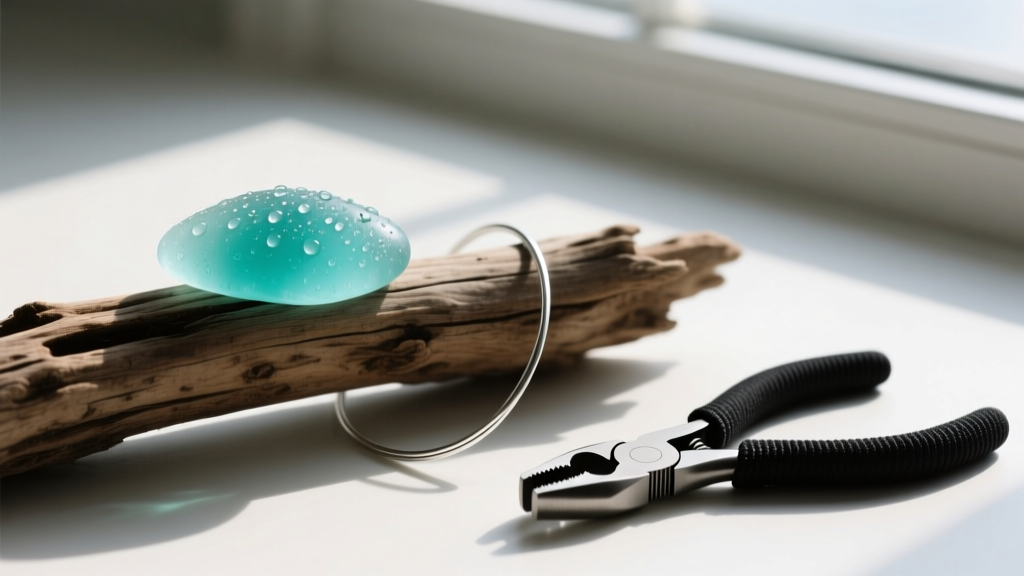
The Emotional Weight of Ocean Treasures
There is a profound intimacy in gifting something shaped by the ocean. When you learn how to make sea glass jewelry, you are not just crafting an accessory; you are curating a fragment of natural history. As we move through 2026, the shift away from mass-produced, fast-fashion accessories toward sustainable, story-driven gifting has made handcrafted sea glass jewelry more coveted than ever. Whether you are celebrating a milestone anniversary, a graduation, or a quiet moment of remembrance, matching the right piece of frosted glass to the right occasion elevates your gift from a simple trinket to a lasting heirloom.
This guide will walk you through the technical realities of sourcing, wire wrapping, and occasion-matching sea glass, ensuring your handmade gifts are both structurally sound and emotionally resonant.
Sourcing and Grading: Not All Glass is Gift-Worthy
Before you pick up your pliers, you must understand sea glass grading. The North American Sea Glass Association (NASGA) outlines strict criteria for what constitutes genuine, jewelry-grade sea glass. Using craft-grade glass for a milestone gift will result in a piece that feels rough, uneven, and unrefined.
| Grade | Characteristics | Best Occasion Match | Price Range (Per Piece) |
|---|---|---|---|
| Jewelry (Grade A) | Fully frosted, smooth edges, no chips, even color. | Weddings, Anniversaries, Major Milestones | $5.00 - $25.00+ |
| Craft (Grade B) | Slightly rough edges, minor chips, uneven frosting. | Casual Birthdays, Friendship Bracelets | $1.00 - $4.00 |
| Rough (Grade C) | Sharp edges, broken, heavily pitted. | Mosaics, Garden Art (Not Jewelry) | $0.10 - $0.50 |
Expert Tip: Never attempt to drill Grade A sea glass with a standard Dremel tool. The internal stress of the glass will cause it to shatter. If you must drill, use a hollow diamond core bit with a continuous water drip, but for 90% of gift projects, wire wrapping is the superior, non-destructive method.
Material Selection: Wire Gauges and Alloys
The metal you choose dictates the longevity of your gift. In 2026, Argentium Silver (935 or 960 purity) has largely overtaken traditional Sterling Silver (925) for high-end sea glass wrapping. Argentium contains germanium, making it highly tarnish-resistant—a crucial feature for gifts that may sit in a jewelry box for months before being worn.
- 20-Gauge Dead Soft: The backbone of your design. Use this for the main structural frame and the bail (the loop the chain passes through).
- 24-Gauge or 26-Gauge Dead Soft: Used for weaving, binding, and creating decorative cages around the glass.
- 14/20 Gold-Filled: Ideal for warm-toned glass (amber, brown, olive green). Ensure you buy 14/20 gold-filled, not gold-plated, to ensure the wire doesn't flake over time.
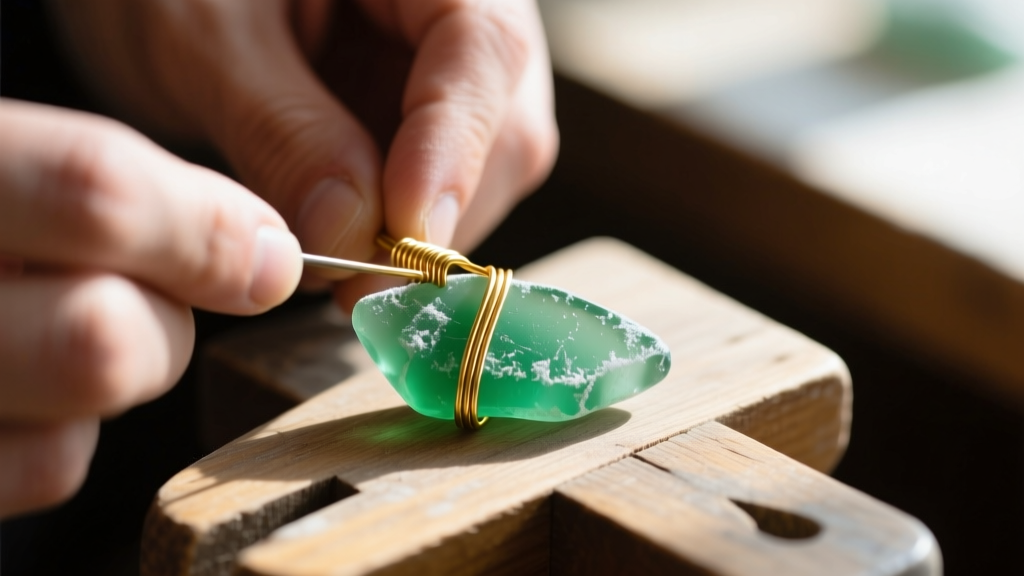
How to Make Sea Glass Jewelry: The Tension-Cage Wrap
The most elegant way to secure sea glass without obscuring its frosted texture is the tension-cage wrap. This technique uses structural wire to cradle the stone, relying on tension rather than glue or drilling.
Step 1: Create the Base Frame
Cut two 6-inch lengths of 20-gauge Argentium silver wire. Lay them parallel, slightly wider than the width of your sea glass piece. Using a 24-gauge binding wire, weave the two base wires together at the bottom to create a sturdy "U" shape that matches the bottom curve of your glass.
Step 2: Seat the Glass
Place the sea glass into the "U" frame. Gently bend the two 20-gauge wires up the sides of the glass. The wires should hug the natural contours of the piece. If the glass is asymmetrical, let the wire follow the asymmetry—do not force the glass into a symmetrical wire frame.
Step 3: Secure the Top and Form the Bail
Bring the wires to the top of the glass. Twist them together tightly just above the stone to lock it in place. Take the remaining wire tails and wrap them around a mandrel or a thick pen to form a bail. Tuck the sharp ends away using a cup bur or a file, ensuring no sharp edges can scratch the wearer or catch on clothing.
"The beauty of sea glass lies in its imperfections. Your wire wrapping should act as a custom-tailored suit, accommodating the unique shape of the glass rather than forcing it into a rigid, geometric mold." — Master Wire Weaver, Rio Grande Educational Archives
Occasion Matching Guide: Pairing Colors and Metals
Understanding the color psychology and rarity of sea glass allows you to tailor your handmade gifts to specific life events. According to data from the Rio Grande jewelry supplier database, pairing specific metal finishes with glass colors can dramatically alter the perceived value and emotional tone of the piece.
Weddings and Bridal Showers
The Palette: White, frosted clear, and rare cobalt blue.
The Metal: Bright Argentium Silver or Platinum-filled wire.
The Design: Minimalist, open-back bezels that allow light to pass through the glass. White sea glass, often originating from vintage milk bottles or insulators, symbolizes purity and new beginnings. A delicate, 20-gauge silver cage holding a perfectly frosted white triangle is a breathtaking, unconventional gift for a modern bride.
Milestone Anniversaries (10th, 25th, 50th)
The Palette: Sea foam green, soft aqua, and rare red/orange.
The Metal: 14k Gold-Filled or Rose Gold-Filled.
The Design: Intricate weaves and incorporated gemstone accents. Red and orange sea glass are exceptionally rare (often from vintage car taillights or Depression-era glassware). Gifting a wire-wrapped red sea glass pendant set in rose gold communicates deep rarity and enduring value, perfectly mirroring a decades-long marriage.
Graduations and New Beginnings
The Palette: Kelly green, amber, and deep brown.
The Metal: Oxidized Copper or Brass.
The Design: Bold, rustic, and grounded. Green and brown glasses are abundant, originating from beer and wine bottles. When wrapped in oxidized copper, which develops a beautiful natural patina over time, the piece becomes a metaphor for growth, resilience, and the passage of time—ideal for a graduate stepping into the real world.
Sympathy and Remembrance
The Palette: Muted ocean blues and soft, weathered teal.
The Metal: Unpolished Sterling Silver or Matte Titanium wire.
The Design: Simple, unadorned cradles. The goal here is not flashiness, but comfort. The ocean is a universal symbol of eternity and peace. A simple blue sea glass stone, gently held in matte silver wire, serves as a tactile grounding stone for someone navigating grief.
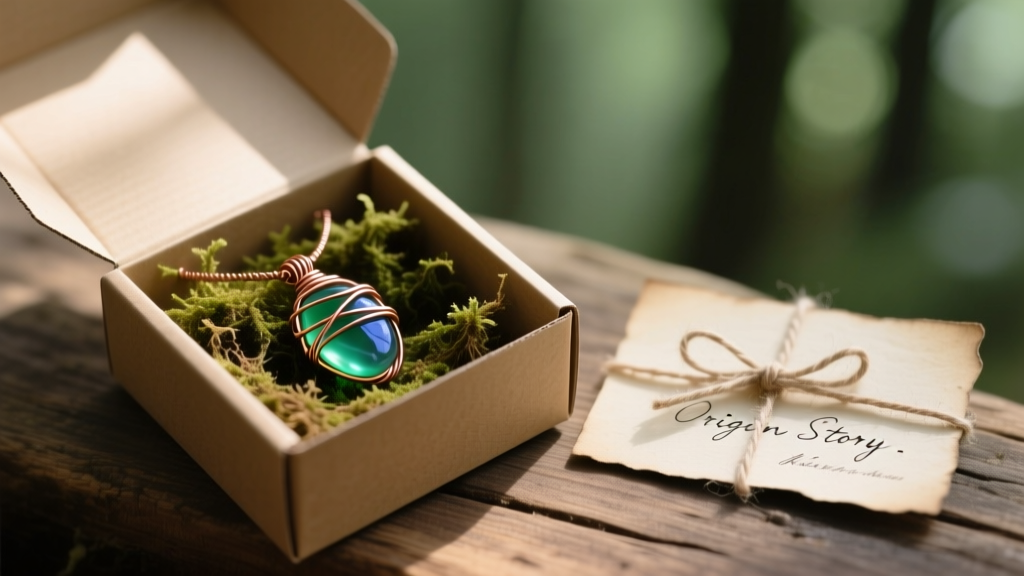
Packaging the Ocean: Presentation Matters
When gifting handmade sea glass jewelry, the unboxing experience is half the emotional impact. Ditch the glossy, mass-produced velvet boxes. In 2026, eco-conscious packaging is the standard for artisan goods.
- The Box: Use recycled kraft paper boxes lined with natural, sustainably harvested reindeer moss or dried sea lavender.
- The Chain: Avoid cheap brass chains that turn the skin green. Invest in 18-inch, 1.2mm rolo chains made of matching Argentium or gold-filled wire.
- The Story Card: This is non-negotiable. Include a heavy-stock card detailing where the glass was found (e.g., "Hand-collected on the shores of Cape Ann, Massachusetts"), its likely origin (e.g., "1920s apothecary bottle"), and the time it spent in the ocean. This transforms a pretty necklace into a conversation piece.
Troubleshooting Common Wire Wrapping Failures
Even experienced jewelers encounter issues when working with organic, asymmetrical materials. Here is how to solve the most common sea glass wrapping failures:
Problem: The glass keeps slipping out of the cage.
Solution: You are relying too much on tension and not enough on geometry. Add a "cross-weave" at the back of the stone using 26-gauge wire. This creates a textured friction-point against the back of the glass, preventing it from sliding forward through the front frame.
Problem: The wire is scratching the frosted surface.
Solution: You are using standard metal-jawed pliers. You must use nylon jaw pliers for any step where the tool touches the wire that is currently resting against the glass. If you must use metal pliers, wrap the jaws in painter's tape, though dedicated nylon pliers (like those from Tronex or Lindstrom) offer superior grip and protection.
Problem: The bail is too small for leather cords or thick chains.
Solution: Sea glass pendants are often heavy and require substantial chains. When forming your bail, wrap the wire around a 4mm steel mandrel rather than a pen. This ensures the bail will comfortably accommodate up to a 3.5mm leather cord or a heavy 2.5mm box chain.
Final Thoughts on Gifting the Sea
Learning how to make sea glass jewelry is a journey of patience and observation. By carefully selecting jewelry-grade materials, mastering the tension-cage wrap, and thoughtfully matching the color and metal to the recipient's life milestone, you create more than just a gift. You create a tangible piece of the earth's memory, wrapped in silver, ready to be worn and cherished for decades to come.


