Permanent Jewelry MRI Safety: Metals and Sourcing
Discover what to look for when sourcing metals for permanent jewelry MRI safety. Learn which grades, tools, and findings protect your clients.

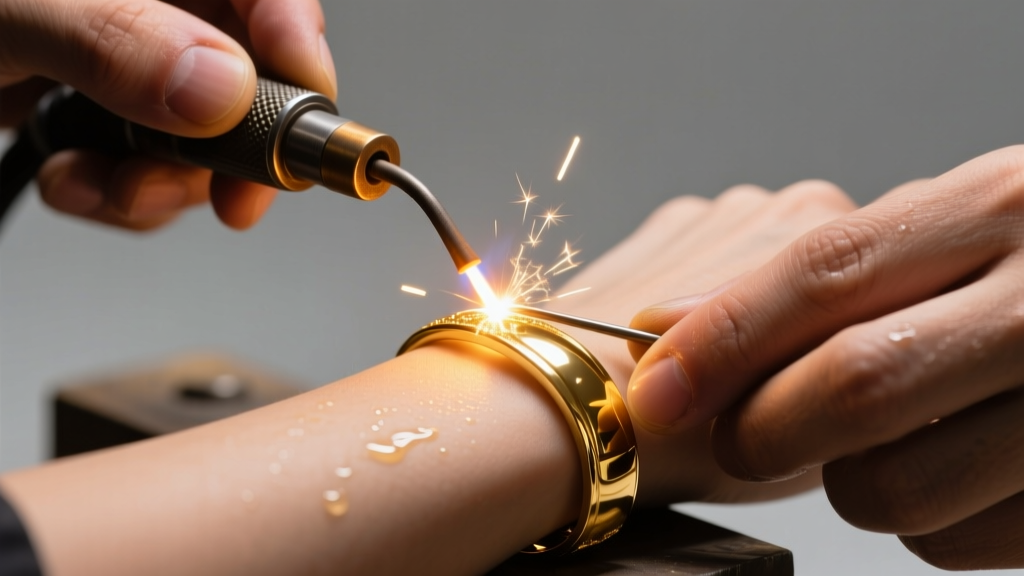
The Reality of Permanent Jewelry MRI Scans
As the permanent jewelry industry matures, professional makers and studio owners are facing increasingly complex questions from their clients. The most common and critical inquiry is no longer just about durability or tarnish resistance; it is about medical compatibility. Specifically, clients want to know about permanent jewelry MRI safety. When a client is welded into a continuous chain, they are trusting you with their long-term health and safety. If they are involved in an accident or develop a neurological issue requiring an MRI, the metal on their body becomes a matter of urgent medical concern.
From a DIY and professional sourcing perspective, understanding the metallurgy behind magnetic resonance imaging is non-negotiable. The FDA guidelines on MRI safety explicitly warn against ferromagnetic materials in the scanner room due to the risks of projectile displacement and radiofrequency (RF) induced thermal burns. As a maker, your sourcing decisions dictate whether your jewelry will safely pass through a 1.5T or 3T MRI machine, or whether it will require emergency removal. This buying guide breaks down exactly what to look for when sourcing metals, findings, and removal tools to ensure your studio operates at the highest safety standards.
Decoding Metal Grades: What is Truly MRI-Safe?
Not all precious metals or hypoallergenic alloys behave the same way inside a magnetic field. When sourcing wire, chain, and jump rings for your permanent jewelry kit, you must look beyond basic marketing terms like 'hypoallergenic' and demand specific metallurgical grades.
ASTM F136 Implant-Grade Titanium
If there is a gold standard for permanent jewelry MRI compatibility, it is ASTM F136 Titanium (Ti-6Al-4V ELI). This is the exact implant-grade titanium used in medical joint replacements and bone screws. It is paramagnetic, meaning it exhibits virtually zero magnetic attraction. Furthermore, titanium has a low atomic density, which means it will not cause 'susceptibility artifacts'—the starburst-like blurring on an MRI scan that obscures surrounding tissue. When buying titanium chain, always request the mill certificate from your supplier to verify it is F136 compliant, not just commercial-grade titanium.
Solid 14k and 18k Gold
Solid gold is generally non-ferromagnetic and will not be pulled by the MRI magnet. However, gold is a highly dense heavy metal. While it will not burn the client, it will cause localized artifacts on the scan. If the client is receiving a wrist or hand MRI, the gold chain may obscure the radiologist's view of the underlying carpal bones or tendons. For this reason, while safe from a magnetic pull standpoint, many radiologists will still request its removal for localized scans.
The Danger of 316L Surgical Stainless Steel
Many beginner makers source 316L stainless steel because it is cheap, durable, and marketed as 'surgical.' However, 316L contains iron, which makes it mildly ferromagnetic. While a lightweight chain might not become a dangerous projectile, the RF pulses from the MRI can induce electrical currents in the steel, leading to severe thermal burns on the client's skin. Never use stainless steel for permanent jewelry if you want to guarantee MRI safety.
| Material Grade | Magnetic Pull Risk | Artifact (Scan Blur) Risk | Welding Ease |
|---|---|---|---|
| ASTM F136 Titanium | None (Paramagnetic) | Extremely Low | Excellent (Requires Argon) |
| Solid 14k/18k Gold | None (Non-magnetic) | High (Due to density) | Excellent |
| Platinum (950) | None (Non-magnetic) | Very High | Difficult (High melt point) |
| 316L Stainless Steel | Moderate to High | Moderate | Good |
| Gold-Filled / Plated | Unpredictable (Core varies) | Unpredictable | Poor (Plating burns off) |
The Hidden Liability: Findings and Jump Rings
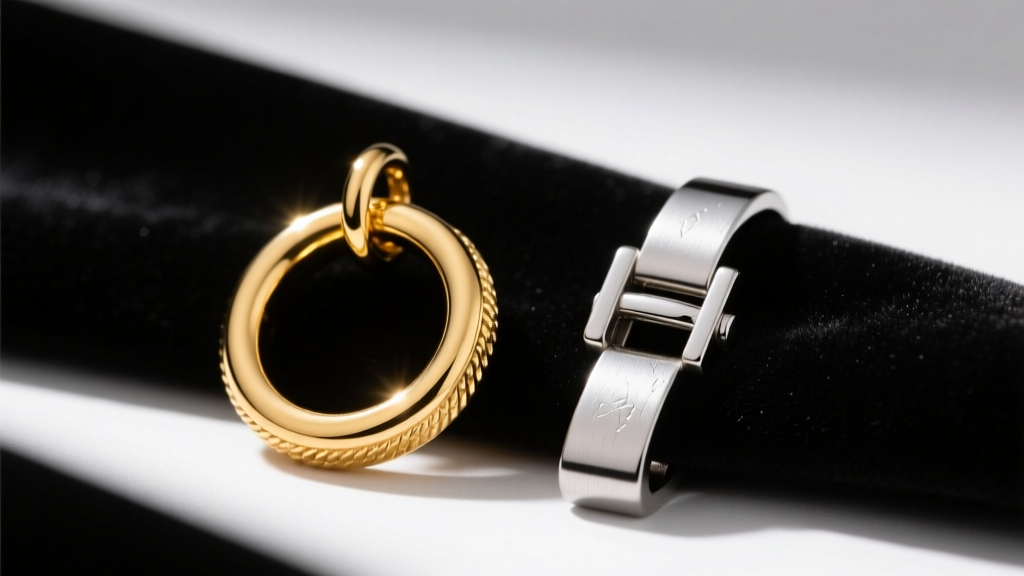
A common and catastrophic mistake in the permanent jewelry space is sourcing a high-quality, MRI-safe chain but securing it with inferior findings. If you use a 14k solid gold chain but close the loop with a gold-plated brass jump ring or a stainless steel lobster clasp, the entire piece is compromised.
When sourcing jump rings for your studio, you must buy from reputable suppliers like Rio Grande or specialized permanent jewelry wholesalers who guarantee the alloy composition of their soldered and unsoldered rings. For permanent wear, laser-welded or hard-soldered jump rings made of the exact same alloy as the chain are mandatory. This prevents the ring from pulling apart under tension and ensures uniform metallurgical safety. Avoid any supplier who cannot provide a breakdown of their base metals and plating thickness.
Maker's Rule of Thumb: The MRI machine does not care about the chain; it reacts to the weakest, most magnetic link in the entire assembly. Your jump ring must match your chain's grade.
Essential Removal Tools for Your Studio Kit
Even if you exclusively source ASTM F136 titanium and solid gold, MRI technicians operate under strict, blanket safety protocols. Many hospitals have a 'zero metal' policy for the scanner room and will simply refuse to scan a patient wearing permanent jewelry, regardless of the alloy. Therefore, part of your sourcing responsibility is equipping your studio—and advising your clients—on how the jewelry can be safely and swiftly removed in a medical emergency.
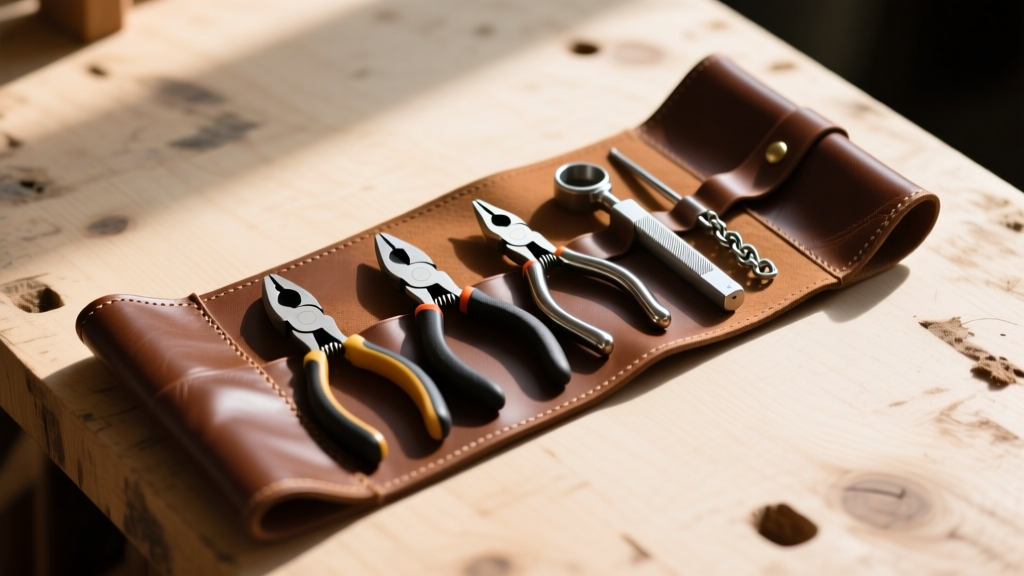
You should never use standard wire cutters, which have beveled blades that pinch the metal and can easily lacerate the client's skin. Instead, your buying guide for studio tools must include precision flush cutters.
- Lindstrom RX 8151 Flush Cutters: These feature a micro-bevel that cuts the jump ring completely flat, leaving no sharp edges to scratch the client during removal.
- Pigeon Nose or Chain Nose Pliers: Essential for gently prying the cut jump ring open without stretching or distorting the adjacent chain links.
- Neodymium Magnetic Testing Stone: Keep a rare-earth magnet at your workstation. Before welding any new batch of chain, test it against the magnet. If there is any pull, reject the batch from your supplier immediately.
Client Intake & Waivers: Protecting Your Business
Sourcing the right metals is only half the battle; documenting your safety protocols is the other. The American College of Radiology (ACR) places the ultimate responsibility of disclosing metallic objects on the patient. However, in the event of an injury, a client's legal team will look at the permanent jewelry studio.
Your studio intake forms must include a specific clause regarding permanent jewelry MRI protocols. You must clearly state that while you source non-ferromagnetic metals, hospital policies vary, and the client may be required to cut the jewelry off prior to a scan. Furthermore, you should provide a small 'emergency removal card' with every purchase, detailing the exact metal grade (e.g., 'Solid 14k Gold, Non-Ferromagnetic') so the client can hand it to an MRI technician or ER doctor in an emergency.
Sourcing Checklist for MRI-Safe Supplies
When evaluating a new wholesale supplier for your permanent jewelry business, run them through this rigorous checklist before placing a bulk order:
- Mill Certificates: Can the supplier provide documentation proving their titanium is ASTM F136 and their gold is nickel-free 14k/18k?
- Solid vs. Hollow Links: Hollow links can trap moisture and harbor bacteria, but they also behave differently under RF induction. Always source solid or densely welded links for medical safety.
- Clasp-Free Sourcing: Since permanent jewelry is welded, stop buying lobster clasps and spring rings entirely. Redirect that budget toward high-quality, soldered jump rings and continuous chain spools.
- Plating Guarantees: Ensure the supplier explicitly states their products are not gold-plated or gold-filled over a ferromagnetic base like brass or steel.
By prioritizing permanent jewelry MRI safety in your sourcing strategy, you elevate your brand from a trendy pop-up to a trusted, professional body-modification studio. Investing in premium, medically compatible metals and precision removal tools not only protects your clients but also insulates your business from the severe liabilities associated with medical imaging emergencies.


