Best Supplies to Make Jewelry with Beads (2026 Guide)
Discover the best supplies to make jewelry with beads in 2026. Our buying guide covers bead materials, stringing wires, crimps, and essential tools.

The 2026 Beading Renaissance: What You Need to Know
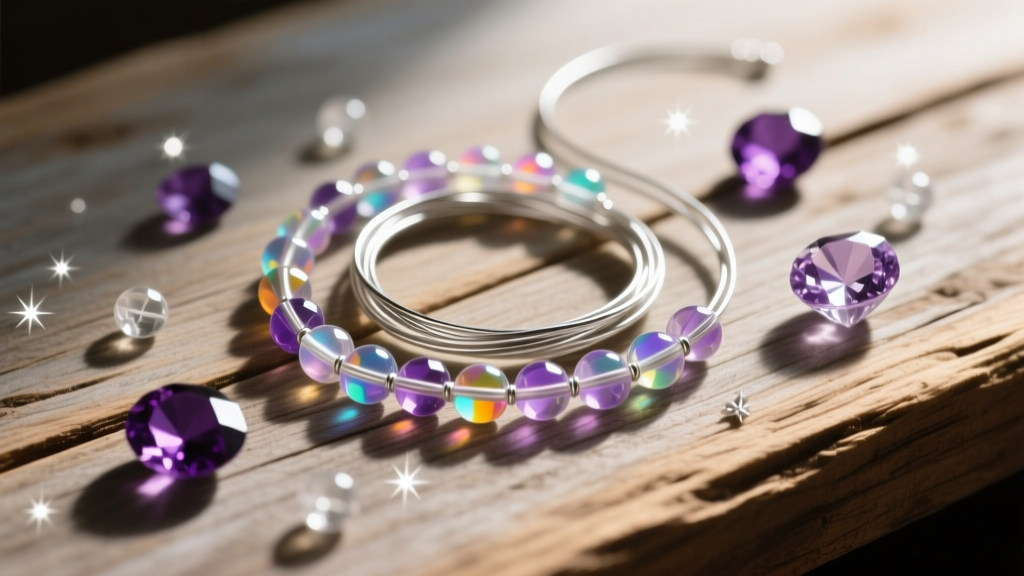
The art of beaded jewelry has evolved significantly, moving far beyond simple childhood friendship bracelets. In 2026, the trend of maximalist, layered gemstone necklaces and sustainable, upcycled glass bead designs has pushed DIY jewelry making into the realm of high-end boutique fashion. When you set out to make jewelry with beads, the sheer volume of supplies available can be overwhelming. Choosing the wrong stringing material or base-metal findings can lead to broken necklaces and tarnished designs within weeks. This comprehensive buying guide breaks down the exact material grades, gauge sizes, and hardware specifications you need to source professional-quality beading supplies that will stand the test of time.
Choosing the Right Beads: Material Grades and Sizing
Before purchasing stringing materials, you must understand the physical properties of the beads themselves. The GIA Gem Encyclopedia notes that gemstone hardness, measured on the Mohs scale, directly impacts how beads interact with stringing wires over time. Harder stones like quartz and agate (Mohs 7) can actually abrade softer stringing materials if the bead holes are not smoothly polished, while softer stones like turquoise (Mohs 5-6) or dyed howlite (Mohs 3.5) require gentler handling to prevent chipping around the drill holes.
Understanding Bead Hole Diameters
One of the most common mistakes beginners make is buying beading wire that is too thick for their chosen beads. Standard gemstone beads typically feature a 0.8mm to 1.0mm hole, while freshwater pearls often have much smaller, delicate holes ranging from 0.5mm to 0.7mm. Conversely, large-hole lampwork glass beads can have holes exceeding 2.0mm, requiring specialized spacers or thicker cord to prevent excessive friction and wear.
| Bead Material | Mohs Hardness | Avg. Hole Size | Price per 15" Strand |
|---|---|---|---|
| Natural Amethyst | 7 | 0.8mm - 1.0mm | $15 - $45 |
| Freshwater Pearl | 2.5 - 4.5 | 0.5mm - 0.7mm | $20 - $80 |
| Czech Glass (Fire Polished) | 5.5 - 6.5 | 0.8mm - 1.2mm | $4 - $12 |
| Swarovski/Precision Crystal | 6 - 7 | 0.8mm - 1.5mm | $8 - $25 |
Stringing Materials: The Backbone of Your Design
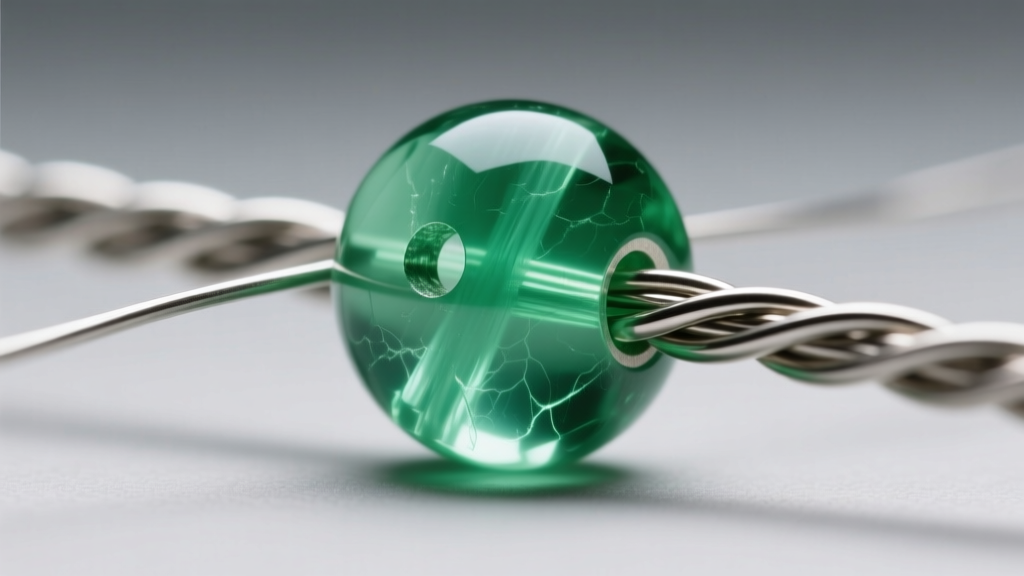
Learning how to make jewelry with beads requires a deep understanding of stringing mediums. The industry standard for durable, flexible bead stringing is nylon-coated stainless steel beading wire, often referred to generically as Tiger Tail. However, not all beading wires are created equal. The flexibility, drape, and kink-resistance of the wire are dictated by the number of micro-strands twisted together inside the nylon sheath.
Strand Count and Diameter Specifications
According to Soft Flex Company, a leading manufacturer of premium beading wire, you should select your wire based on the weight and abrasiveness of your beads:
- 7-Strand Wire: The most economical but least flexible option. It has a stiff drape and is highly prone to permanent kinking if bent. Best reserved for inexpensive, lightweight craft projects or rigid structural elements.
- 19-Strand Wire: Offers a middle ground in price and flexibility. Suitable for standard glass beads and lightweight gemstone projects where a moderate drape is acceptable.
- 49-Strand Wire: The professional standard for fine jewelry. It offers a supple, thread-like drape and exceptional kink resistance. Always use 49-strand wire for heavy gemstones, valuable crystals, or pieces intended for daily wear.
For diameter, a .019-inch (0.48mm) wire is the ultimate workhorse, fitting through 90% of standard gemstone and glass beads while providing excellent tensile strength (usually rated around 20-30 lbs). For delicate freshwater pearls or seed beads, drop down to a .013-inch (0.33mm) diameter. For heavy, oversized stone pendants, upgrade to a .024-inch (0.61mm) wire.
Findings and Hardware: Securing Your Design
Findings are the mechanical components that finish your jewelry. When you make jewelry with beads, the termination points are the most common failure zones. Skimping on crimps and clasps will ruin an otherwise beautiful design.
Crimp Tubes vs. Crimp Beads
Always opt for seamless crimp tubes over standard crimp beads. Crimp tubes provide a wider surface area for the wire to grip and are much easier to fold cleanly using a micro-crimping tool. The most versatile size is the 2x2mm tube. Material is equally critical: base-metal or plated brass crimps tend to crack or split when compressed, leading to catastrophic failure. Invest in .925 sterling silver or argentium silver crimp tubes. They are softer, compress securely without fracturing, and hold the wire tightly through years of wear.
Crimp Covers and Wire Protectors
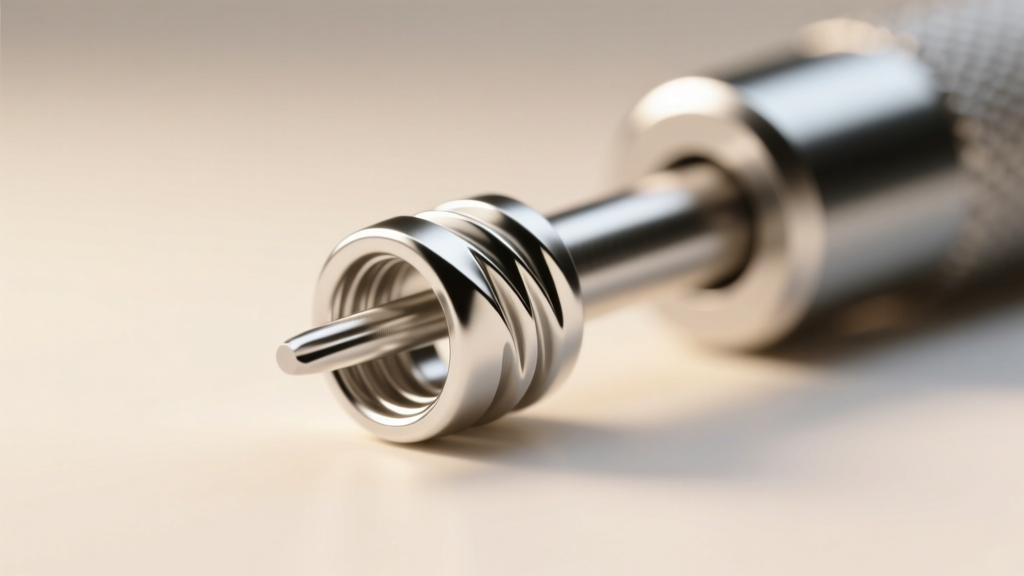
To elevate your DIY pieces to a professional retail standard, use 3mm or 4mm sterling silver crimp covers. These are small, C-shaped metal domes that snap over the folded crimp tube, making it look like a seamless metal bead. Additionally, use sterling silver or gold-filled wire protectors (also known as French wire or bullion) at the clasp loop to prevent the metal clasp from sawing through the nylon coating of your beading wire over time.
Essential Tools for Beading Success
You do not need a massive toolkit to start, but you do need precision instruments. Hardware store pliers will mar your soft metals and fail to close jump rings flush. Your core toolkit should include:
- Chain Nose Pliers (Smooth Jaw): Used for gripping crimps, opening jump rings, and tucking wire ends. Ensure the jaws are completely smooth to avoid leaving teeth marks on your sterling silver findings.
- Flush Cutters: A high-quality pair of flush cutters (brands like Lindstrom or Tronex) will cut beading wire cleanly without leaving a sharp, protruding metal burr that can scratch the wearer's skin.
- Micro-Crimping Tool: This specialized plier features two distinct notches. The first notch rounds the crimp tube into a U-shape, and the second notch folds it in half, creating a secure, compact profile that easily passes through crimp covers.
- Bead Design Board: A flocked velvet board with measurement channels. This allows you to lay out your bead patterns symmetrically and measure the exact finished length before committing to the stringing process.
Where to Source Quality Beading Supplies
While big-box craft stores offer convenience, their beading wire is often limited to 7-strand varieties, and their findings are predominantly base-metal. To source professional-grade supplies, look to dedicated online jewelry suppliers. Fire Mountain Gems remains an industry titan, offering massive inventories of gemstone strands, precision crystals, and bulk sterling silver findings at tiered wholesale pricing. For specialized stringing materials, buying directly from manufacturers or authorized jewelry distributors ensures you are getting authentic, high-tensile nylon-coated wires rather than cheap, brittle imitations. By investing in premium 49-strand wire, sterling silver crimps, and properly sized flush cutters, your beaded jewelry will possess the durability and drape required to compete with high-end boutique brands in 2026 and beyond.