2026 Gift Guide: Jewelry Making With Resin For Every Occasion
Discover the ultimate 2026 gift guide for jewelry making with resin. Learn to craft personalized, occasion-specific keepsakes using expert techniques.

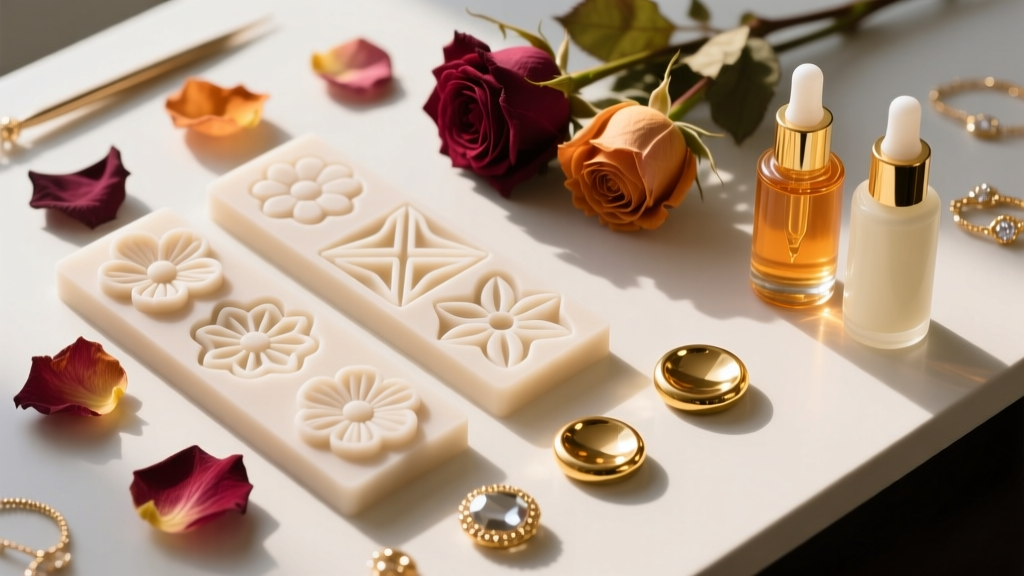
The Rise of Hyper-Personalized Resin Keepsakes
In 2026, the landscape of gift-giving has shifted decisively away from mass-produced trinkets toward hyper-personalized, sentimental keepsakes. At the forefront of this movement is jewelry making with resin, a versatile medium that allows makers to encapsulate memories, preserve organic materials, and craft bespoke wearables. Whether you are designing for a bride, a grieving pet owner, or a milestone birthday, resin offers unparalleled creative freedom. However, the difference between a cloudy, bubble-filled amateur attempt and a professional-grade heirloom lies in material science and meticulous preparation.
This guide breaks down the exact techniques, material grades, and hardware selections required to create occasion-specific resin jewelry gifts that will be cherished for decades.
The Science of Selecting the Right Resin for Gifts
Not all resins are created equal. The chemical composition of your medium dictates its cure time, UV resistance, and suitability for specific inclusions. Choosing the wrong resin for a specific gift type is the most common point of failure for DIY jewelers.
| Resin Type | Cure Time | UV Resistance | Best Gift Application |
|---|---|---|---|
| Deep-Pour Epoxy (1:1 Ratio) | 24-48 Hours | High (with HALS additives) | Thick floral encapsulations, geode pendants |
| Quick-Cure UV Resin | 2-4 Minutes (under 36W lamp) | Moderate (prone to yellowing) | Layering, sealing porous inclusions, small bezel fills |
| Hard-Doming Epoxy | 12-24 Hours | Very High | Surface coating, alcohol ink art, high-gloss finishes |
For high-end gifts, always opt for formulations with Hindered Amine Light Stabilizers (HALS) to prevent the ambering effect over time. Brands like ArtResin and Resin Obsession offer professional-grade, non-toxic epoxies specifically formulated for jewelry applications.
Occasion 1: Weddings & Anniversaries (Preserved Florals)
Floral preservation is a highly requested service for weddings and anniversaries. The goal is to capture the exact hue and delicate structure of bouquet flowers like baby's breath, rose petals, or forget-me-nots. The golden rule of resin florals: never use fresh flowers. The moisture in fresh organic matter will react with the epoxy's hardener, causing amine blush (a cloudy white film) and eventual rot inside the piece.
Drying and Sealing Techniques
To preserve flowers for floral resin encapsulation, use a desiccant method. Submerge the blooms completely in Activa brand silica gel inside an airtight container for 5 to 7 days. This draws out moisture while maintaining the 3D structure of the petal. Once dried, the flowers become incredibly fragile and porous. Before placing them in your bezel or silicone mold, lightly mist them with a clear acrylic sealing spray or paint them with a micro-thin layer of UV resin. This creates a moisture barrier and prevents the epoxy from darkening the petals upon contact.
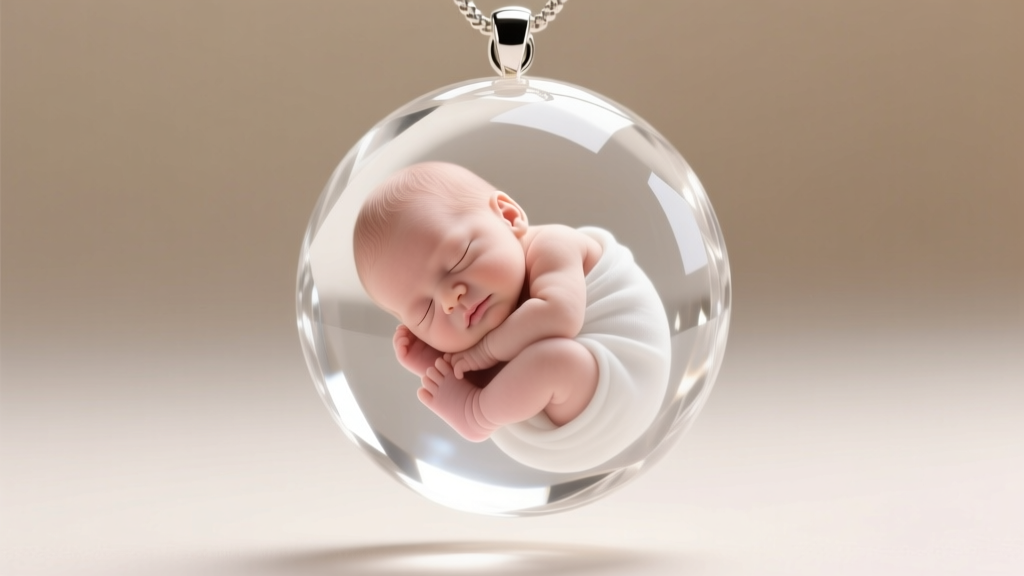
Hardware Selection for Bridal Gifts
Bridal jewelry demands premium findings. Avoid base metals or plated brass, which can tarnish and ruin the sentimental value. Source 14k gold-filled or solid sterling silver bezel trays and pendant bails from reputable suppliers like Rio Grande. A 20mm circular gold-filled bezel tray provides the perfect canvas for a single, perfectly preserved rose petal or a cluster of baby's breath.
Occasion 2: Pet Memorials & Fur Keepsakes
Pet loss is a profoundly emotional experience, and memorial jewelry incorporating a pet's fur, whiskers, or cremation ashes is a deeply comforting gift. However, working with fur presents a unique chemical challenge: micro-bubbles.
The Bubble Trap Phenomenon
Animal hair is covered in microscopic scales and cuticles that trap air. If you drop untreated fur directly into a pool of liquid epoxy, the resin will force the air out of the hair shaft, resulting in a swarm of tiny, stubborn bubbles clinging to the inclusion. According to the experts at Resin Obsession, the solution is a two-step sealing process.
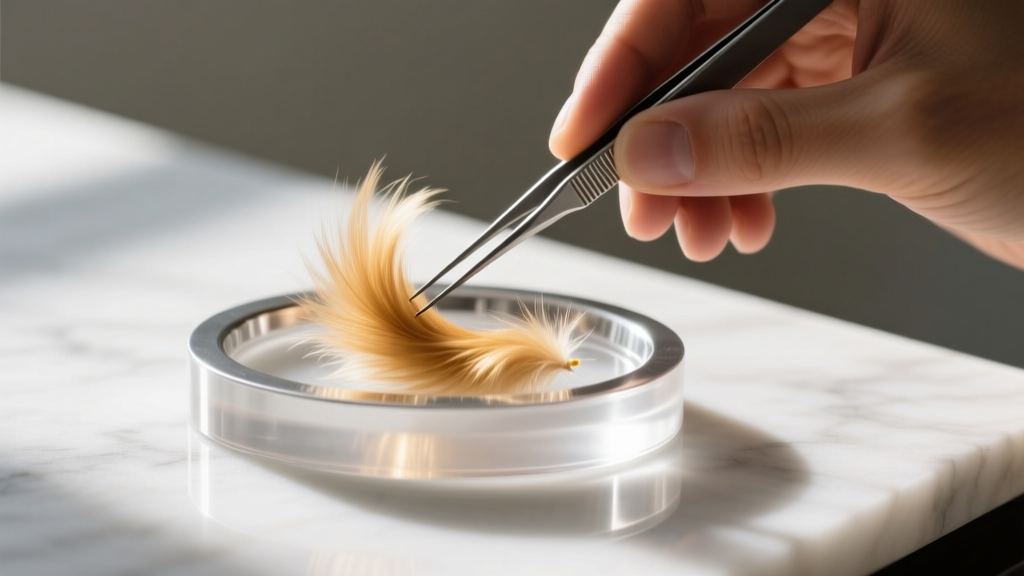
- Prep the Fur: Use fine tweezers to arrange a small, aesthetically pleasing tuft of fur on a silicone mat.
- The UV Seal: Paint a microscopic layer of clear UV resin over the fur. Cure it under a 36W UV lamp for 60 seconds. This locks the air inside the hair shaft.
- The Epoxy Pour: Transfer the sealed fur into your mold or bezel, then pour your slow-cure, hard-doming epoxy over the top. Because the hair is already sealed, no new bubbles will form during the 24-hour curing process.
Working with Cremation Ashes
If the gift involves cremation ashes, always mix the ashes with a tiny drop of isopropyl alcohol and let it evaporate before adding it to the resin. This removes residual moisture and static cling, ensuring the ashes disperse evenly rather than clumping at the bottom of the mold. For a celestial aesthetic, mix a pinch of pearlescent mica powder (like 'Stardust Silver') with the ashes to catch the light.
Occasion 3: Milestone Birthdays (Geode & Alcohol Ink Art)
For 30th, 40th, or 50th birthdays, abstract and vibrant designs often resonate more than literal inclusions. Alcohol ink and resin geode art allow you to create one-of-a-kind, vividly colored pendants that mimic natural gemstones.
Mastering the Ink-and-Resin Reaction
To achieve the coveted 'cellular' or 'geode' effect, you need inks that are specifically formulated to react with epoxy. Jacquard Pinata alcohol inks are the industry standard for this technique. The process requires a delicate balance of surface tension manipulation:
- The Base: Pour a thin, even layer of clear epoxy into a synthetic bezel base.
- The Ink: Drop concentrated alcohol ink directly onto the wet resin. Do not stir.
- The Heat Gun Technique: Use a miniature heat gun (not a hair dryer, which blows dust into the resin) on a low, cool setting. Hover the gun over the ink drops. The heat lowers the surface tension of the resin, causing the ink to bloom outward and create organic, lace-like cells.
- The Veining: Once the cells have settled, use a toothpick dipped in opaque white resin to draw 'veins' through the colored sections, mimicking the quartz lines found in natural agate geodes.
Packaging & Presentation for Resin Gifts
The presentation of a bespoke resin piece is just as critical as the craftsmanship. Resin, while durable, can be susceptible to micro-scratches and prolonged UV degradation if stored improperly. When packaging your 2026 gift guide creations, adhere to these professional standards:
- Anti-Tarnish Storage: Even if the resin itself doesn't tarnish, the metal findings will. Include 3M anti-tarnish strips in every gift box to protect sterling silver and gold-filled components.
- UV-Blocking Boxes: For pieces featuring delicate preserved florals or alcohol inks, use acrylic display boxes with UV-filtering properties to prevent color fading from ambient sunlight.
- Microfiber Polishing Cloths: Include a branded microfiber cloth and a small card instructing the recipient to clean the resin only with a damp, soft cloth—never with chemical jewelry dips or ultrasonic cleaners, which can cloud the epoxy finish.
By mastering the material science behind jewelry making with resin, you elevate your craft from a simple DIY hobby to a premium gifting service. Whether preserving a bridal bouquet or encapsulating a beloved pet's memory, the right techniques ensure your sentimental gifts stand the test of time.


