How to Clean and Maintain Your Favorite Beading Jewelry Ideas
Discover expert care, cleaning, and maintenance tips for your favorite beading jewelry ideas. Protect threads, finishes, and gemstones.

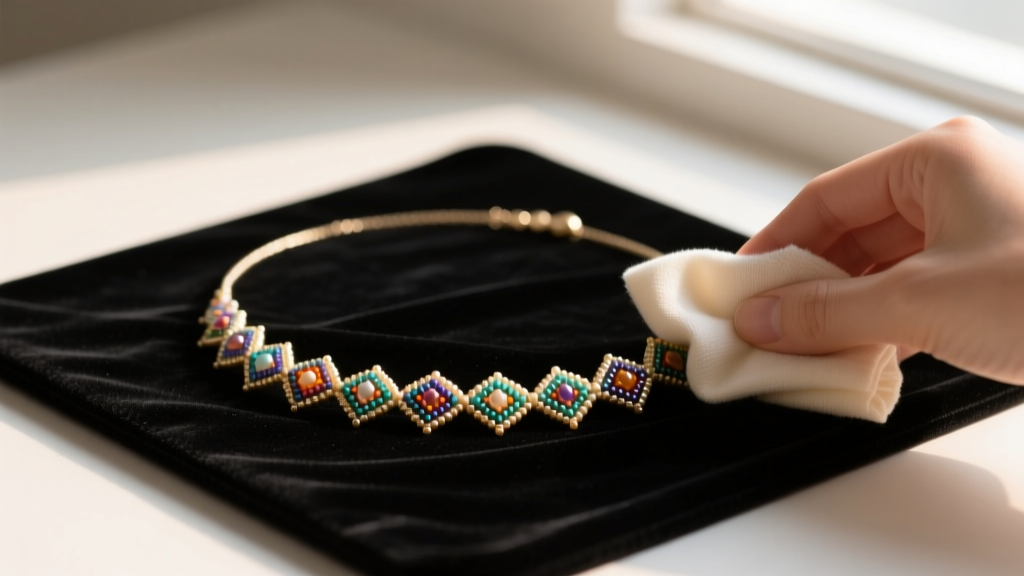
The Hidden Lifespan of Beaded Designs
When exploring new beading jewelry ideas, it is incredibly easy to become captivated by vibrant color palettes, intricate peyote stitch patterns, and the tactile satisfaction of working with high-quality glass and gemstones. However, the true mark of a master beader is not just in the assembly of the piece, but in the knowledge of how to preserve it. A beautifully crafted right-angle weave bracelet or a complex herringbone necklace is only as durable as its weakest structural or material component. As we navigate the jewelry landscape in 2026, the market is flooded with advanced synthetic coatings, hybrid stringing materials, and ethically sourced porous gemstones, all of which demand highly specific maintenance protocols.
Improper cleaning can strip metallic finishes in seconds, degrade high-tensile threads, and fracture delicate organic beads. This comprehensive guide moves beyond generic 'wipe with a damp cloth' advice, diving deep into the chemical and physical realities of beading materials to ensure your creations survive decades of wear.
The Thread Factor: Why Stringing Material Dictates Cleaning
Before you even consider the beads themselves, you must evaluate the thread holding them together. The cleaning agents safe for your glass beads might be fatal to your stringing material.
Gel-Spun Polyethylene vs. Thermally Fused Polyethylene
If your design utilizes Fireline (a gel-spun polyethylene), you are working with a material that boasts incredible tensile strength but is susceptible to certain chemical solvents. Fireline can safely withstand mild, pH-neutral dish soaps and lukewarm water. However, exposure to ammonia-based glass cleaners or alcohol-based jewelry dips will cause the polyethylene fibers to become brittle over time, leading to catastrophic micro-fractures at the stress points of your beadwork.
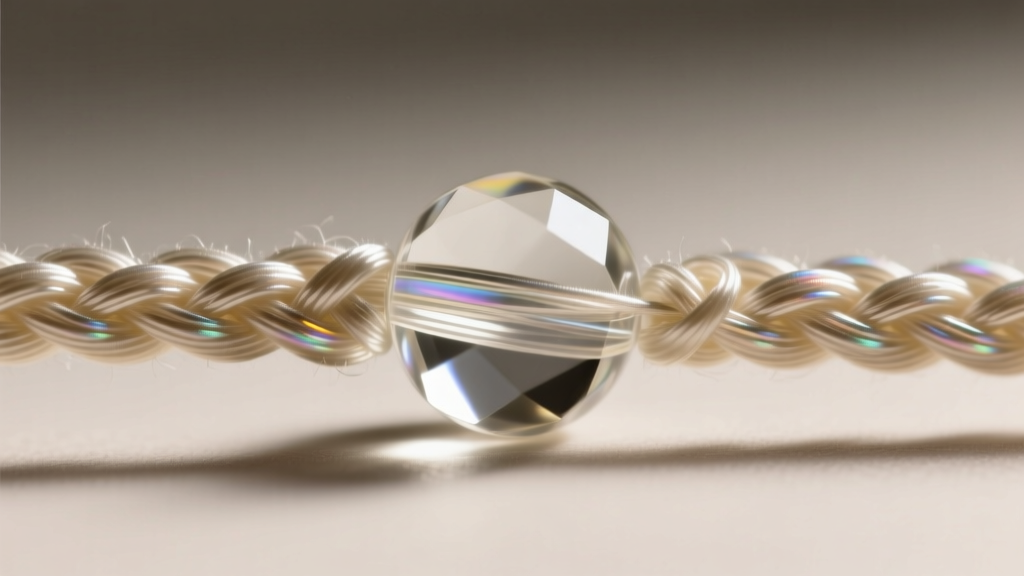
Conversely, WildFire is a thermally fused polyethylene thread coated in a smooth, waterproof exterior. While highly resistant to water and skin oils, the thermal coating can be compromised by ultrasonic cleaners. The high-frequency cavitation bubbles generated by ultrasonic machines create microscopic shockwaves that can delaminate the coating from the core, causing the thread to fray inside the bead holes.
Nylon and Silk Threads
Traditional Nymo (nylon) and pure silk threads require entirely different care. Nylon is hygroscopic and will absorb water, stretching when wet and shrinking as it dries, which can warp the tension of your beadwork. Silk is an organic protein fiber; it will literally dissolve if exposed to harsh alkaline solutions or prolonged soaking. Pieces strung on silk or nylon should only be surface-cleaned using a barely damp microfiber cloth, avoiding the thread holes entirely.
Material-Specific Care: A Beader’s Matrix
Different bead materials react differently to mechanical agitation and chemical solvents. According to the Gemological Institute of America (GIA), understanding the Mohs hardness scale and porosity of your materials is the first step in safe maintenance. Below is a decision matrix for the most common beads used in contemporary beading jewelry ideas.
| Bead Material | Mohs Hardness | Safe Cleaning Method | Fatal Cleaning Mistakes |
|---|---|---|---|
| Swarovski/Preciosa Crystal | 6.0 - 7.0 | Mild soap, warm water, soft brush | Ultrasonic cleaners (strips foil backs) |
| Miyuki/Toho Seed Beads (Standard) | 5.5 - 6.5 | Dry microfiber polishing cloth | Ammonia, alcohol, ultrasonic (strips finish) |
| Turquoise & Lapis Lazuli | 3.0 - 5.5 | Dry, soft brush only | Water, soap, chemicals (causes discoloration) |
| Freshwater Pearls | 2.5 - 4.5 | Damp cloth, wipe immediately after wear | Acids, vinegar, ultrasonic (dissolves nacre) |
| Sterling Silver-Lined Glass | 5.5 (Glass) | Anti-tarnish cloth, dry storage | Wet washing (traps water inside, tarnishes lining) |
Step-by-Step Wet Cleaning Protocol for Glass & Crystal
For non-porous, unfoiled glass beads and durable crystals, a wet wash is the most effective way to remove accumulated sebum, lotions, and environmental dust. Follow this exact protocol to protect both the beads and the structural integrity of your piece.
- Step 1: The Pre-Soak Inspection. Examine the beadwork under a jeweler's loupe. Look for any micro-cracks in the glass or fraying thread. Never submerge compromised beadwork.
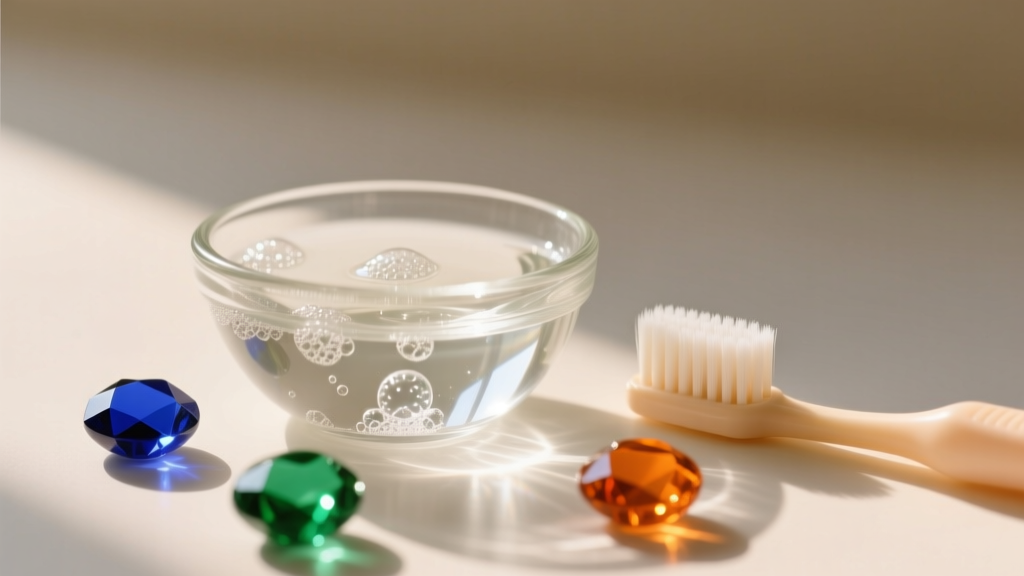
- Step 2: The Solution. Mix three drops of pH-neutral, fragrance-free dish soap (like Dawn Free & Clear) into a bowl of distilled, lukewarm water. Avoid tap water, as dissolved minerals can leave hard water spots on faceted glass.
- Step 3: Agitation. Submerge the jewelry for no more than 3 minutes. Use a soft-bristled baby toothbrush to gently sweep the crevices between the beads. Do not scrub forcefully.
- Step 4: The Rinse and Dry. Rinse under a gentle stream of distilled water. Lay the piece flat on a lint-free towel. Use a hair dryer on the 'cool' setting to blow water out of the bead holes, preventing internal thread rot.
The 'Never Do This' List for Porous & Coated Beads
When executing complex beading jewelry ideas that incorporate specialty finishes, you must understand the chemistry of the bead surface. Manufacturers like Miyuki and Toho offer incredible metallic and luster finishes, but they are not invincible.
Warning: Standard galvanized and dyed beads will lose their color and metallic sheen when exposed to the natural acids in human sweat over time. If you are designing a piece meant for daily wear, you must specifically source beads labeled with permanent finishes, such as Miyuki's Duracoat or Toho's PF (Permanent Finish) series. Even with permanent coatings, avoid all chemical dips.
Furthermore, never use commercial silver polishing cloths on silver-plated or metallic-finished glass beads. These cloths are impregnated with mild abrasives designed to remove tarnish from solid metal; when used on glass coatings, they will act like sandpaper, creating micro-scratches that permanently dull the bead's reflectivity.
Storage Solutions to Prevent Tarnish and Abrasion
Maintenance does not end when the cleaning is done; how you store your beaded jewelry dictates its lifespan. A common mistake among hobbyists is storing finished pieces in standard polyvinyl chloride (PVC) plastic bags or generic craft boxes.
PVC emits trace amounts of hydrogen chloride gas over time, especially in fluctuating temperatures. This off-gassing will rapidly tarnish silver-lined beads, copper wire accents, and metallic seed beads, turning them black or green. According to resources from Fire Mountain Gems, beaders should exclusively use polyethylene (PE) or polypropylene (PP) zip-lock bags for long-term storage. These plastics are chemically inert and will not react with your jewelry components.
Additionally, always include a 3M anti-tarnish strip in your storage containers. These strips absorb airborne sulfur compounds before they can react with the metals in your beadwork. Finally, store pieces flat. Hanging heavy beaded necklaces on standard hooks places continuous gravitational stress on the stringing material, leading to permanent thread stretching and eventual structural failure.
Conclusion
Bringing your most ambitious beading jewelry ideas to life requires immense patience and skill, but preserving them requires scientific mindfulness. By matching your cleaning protocols to the specific Mohs hardness, porosity, and chemical sensitivity of your materials, you ensure that your beadwork remains as vibrant and structurally sound as the day it was finished. Treat your threads with respect, avoid the false convenience of ultrasonic cleaners, and store your creations in chemically inert environments. Your jewelry will reward you with a lifetime of brilliance.


