DIY Permanent Jewelry Cleveland: Step-by-Step Maker Guide
Master the art of permanent jewelry in Cleveland. This step-by-step DIY guide covers argon welding, chain sourcing, and local pop-up strategies.

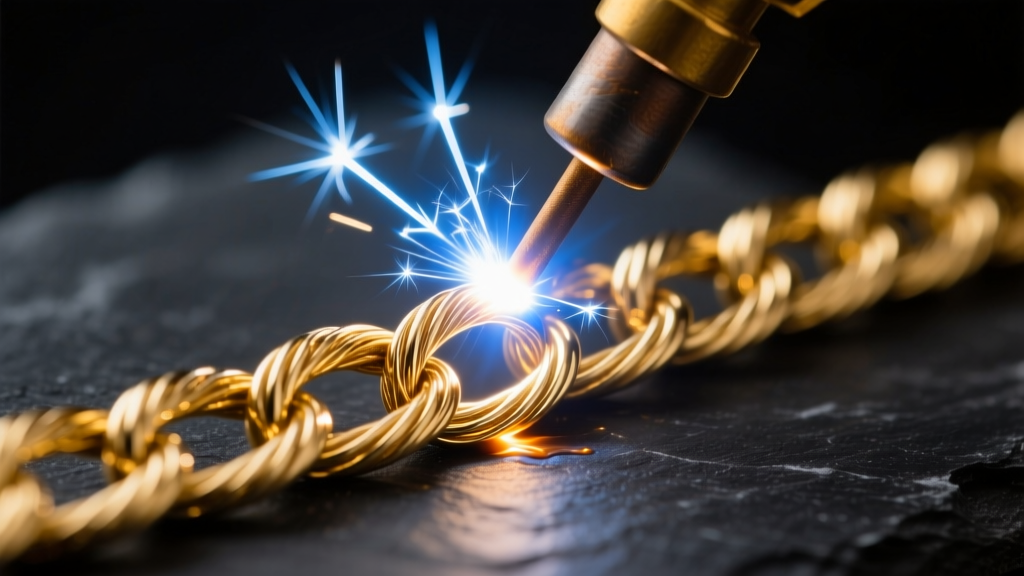
The Cleveland Permanent Jewelry Renaissance
The jewelry industry has seen a massive shift toward personalized, enduring accessories, and the demand for permanent jewelry Cleveland artisans offer has skyrocketed over the last few years. What started as a niche trend in coastal boutiques has evolved into a staple service at bridal showers, corporate events, and artisan markets across Northeast Ohio. For DIY makers and independent jewelers, mastering the micro-welding technique is no longer optional—it is a fundamental business skill.
However, launching a successful mobile welding cart in a city with distinct seasonal shifts and unique market demographics requires more than just a welder and a spool of chain. You need a deep understanding of metallurgy, precise pulse-arc settings, and a strategic approach to local pop-ups. This comprehensive, step-by-step guide will walk you through sourcing the right materials, mastering the argon arc weld, and navigating the vibrant Cleveland maker scene in 2026.
Step 1: Sourcing Equipment and Chains for Ohio Makers
The foundation of any permanent jewelry business is the chain. While it might be tempting to purchase bulk gold-plated brass from overseas marketplaces, these materials will fail under the intense heat of a pulse arc welder. The plating will vaporize, leaving a weak, oxidized joint that will snap within days. According to metallurgical guidelines from the Gemological Institute of America (GIA), you must use materials with consistent melting points throughout their cross-section.
For permanent jewelry, you have two primary options: Solid 14k Gold and 316L Surgical Stainless Steel. Gold-filled chain is highly discouraged for beginners; the brass core and outer gold karat layer melt at different rates, resulting in a brittle weld. When sourcing tools, investing in super-flush cutters from reputable suppliers like Rio Grande is non-negotiable. A standard bevel cutter leaves a V-shaped gap between chain links, which the welder cannot bridge without adding an unsightly bead of metal.
| Material | Core Composition | Weldability | Estimated Wholesale Cost |
|---|---|---|---|
| 14k Solid Yellow Gold | 58.5% Gold, Silver/Copper | Excellent (Smooth, strong joint) | $4.50 - $8.00 / inch |
| 316L Stainless Steel | Iron, Chromium, Nickel, Moly | Good (Requires higher pulse) | $0.40 - $0.90 / inch |
| 14k Gold-Filled | Brass Core, 14k Gold Outer | Poor (Prone to dark, brittle joints) | $1.20 - $2.50 / inch |
| Sterling Silver (925) | 92.5% Silver, 7.5% Copper | Fair (High thermal conductivity) | $1.50 - $3.00 / inch |
Step 2: Mastering the Argon Arc Weld (Technical Guide)
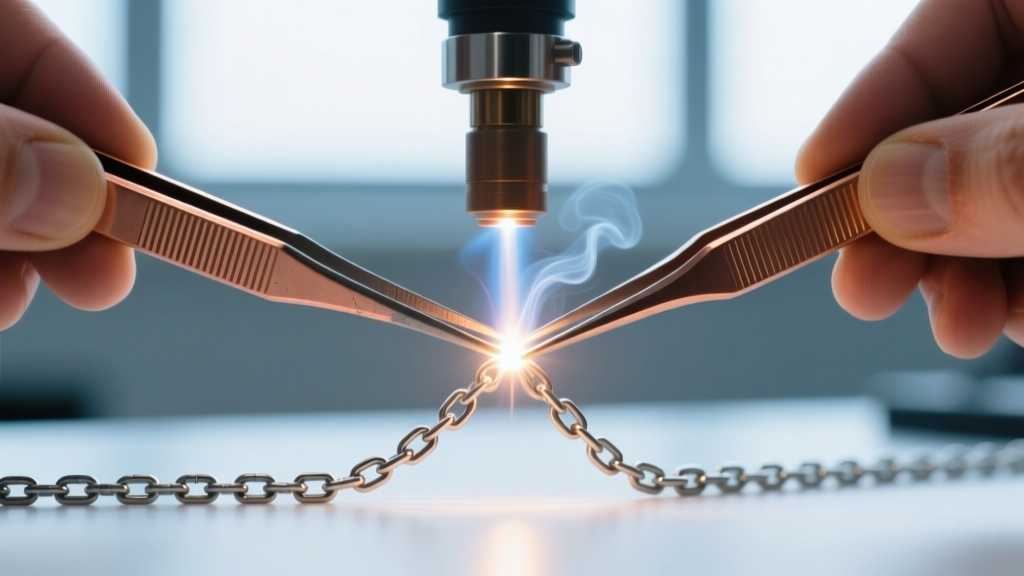
Pulse arc welding (often referred to as micro-TIG welding) uses a brief, high-energy electrical spark to fuse metal. Because the spark occurs in a fraction of a second, the heat-affected zone is microscopic, meaning the client feels no heat on their skin. However, without an inert gas shield, the oxygen in the air will react with the molten metal, creating a black, oxidized crust.
Essential Welding Parameters
To achieve a flawless, invisible weld, you must calibrate your machine based on the specific alloy and chain gauge. Brands like Sunstone Welders provide excellent baseline charts, but real-world application requires slight adjustments based on your local environment.
- Argon Gas Purity: You must use 99.99% pure argon. Do not use welding mixes that contain CO2, as this will instantly oxidize precious metals.
- Flow Rate: Set your flowmeter to 2.5 - 3.5 CFH (Cubic Feet per Hour). Too much gas creates turbulence, pulling ambient oxygen into the weld pool; too little fails to displace the oxygen in time.
- Electrode Gap: Maintain a precise 1.5mm to 2mm gap between the tungsten electrode and the chain link. Use the alignment jig that comes with your welder to ensure consistency.
- Pulse Energy (Orion mPulse equivalent): For a 1.2mm 14k solid gold cable chain, aim for 25-30 Joules. For 1.5mm 316L stainless steel, increase to 35-45 Joules due to the higher melting point and thermal mass.
The Step-by-Step Welding Sequence
- Cut: Use super-flush cutters to snip the chain. Ensure the end links are perfectly flat.
- Align: Use copper or brass tweezers to hold the chain flat against the welding jig. Never use stainless steel tweezers, as the electrical arc will jump to the tweezers, welding them to your chain and ruining the piece.
- Purge: Step on the foot pedal to initiate the argon gas flow. Wait exactly 2 to 3 seconds before firing the spark. This allows the argon to fully displace the oxygen surrounding the weld zone.
- Fire: The machine will automatically pulse. Keep the chain perfectly still for one second post-pulse to allow the microscopic weld pool to solidify.
- Inspect: Use a 10x jeweler's loupe to check the joint. A successful weld will look like a seamless continuation of the link, with no dark soot or spherical beading.
Step 3: Navigating Cleveland's Pop-Up & Market Scene
Once your technique is flawless, the next hurdle is bringing your mobile cart to the public. The permanent jewelry Cleveland market is highly active, but it is deeply influenced by the region's distinct seasons and micro-economies. Setting up at the wrong venue or during the wrong weather pattern can severely impact your foot traffic and weld quality.
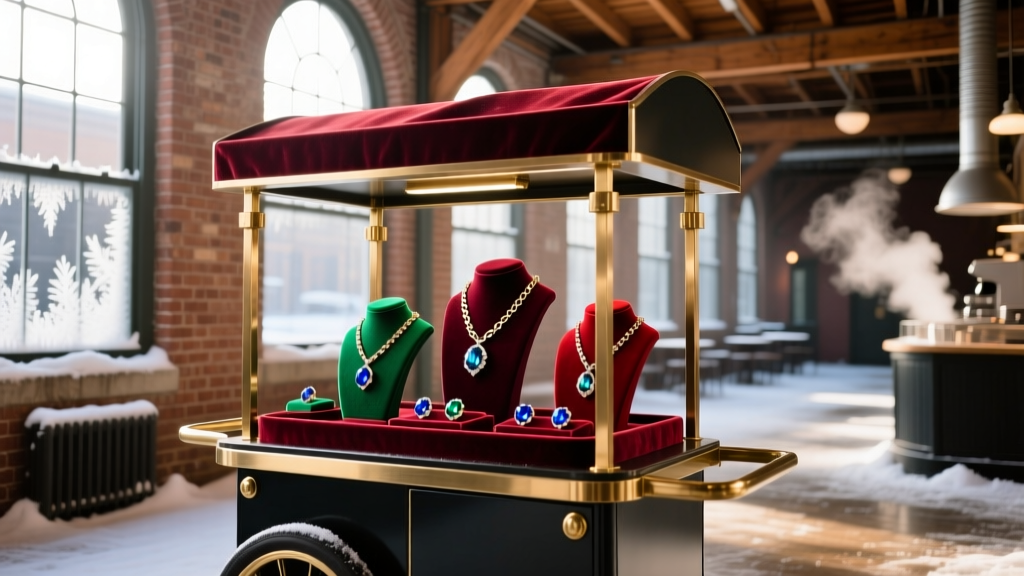
Seasonal Strategies and Venue Selection
Cleveland's famous lake-effect weather isn't just a logistical challenge for travel; it actually affects your welding environment. In the humid summer months, moisture in the air can increase the risk of oxidation if your argon purge time is too short. Conversely, the dry, static-heavy winter air can attract microscopic dust and lint to the chains, leading to carbon inclusions in your weld pool. Always carry an ultrasonic cleaner or 99% isopropyl alcohol to prep chains immediately before welding, regardless of the season.
"Success in the Cleveland maker scene is about pivoting with the seasons. In the summer, outdoor festivals like the Tremont Art Walk and the Cleveland Flea offer massive foot traffic. But from November to March, you must secure indoor, climate-controlled spaces like the 5th Street Arcades or holiday pop-ups at Public Square's Winterfest to maintain both client comfort and equipment stability."
Top Cleveland Venues for Permanent Jewelry
- West Side Market (Ohio City): Incredible weekend foot traffic. Best for stainless steel and mid-tier solid gold chains. Be prepared for strict vendor permitting and early morning load-ins.
- Tremont Art Walk: A highly curated, arts-focused demographic. This crowd appreciates custom charms, heavy 14k gold rope chains, and unique gemstone connectors.
- Bridal & Bachelorette Suites: Partnering with short-term rental hosts in the Flats or downtown Cleveland to offer private, in-suite permanent jewelry parties is a highly lucrative, low-overhead model.
Step 4: Pricing Framework & Ohio Business Logistics
Pricing permanent jewelry requires a balance between material costs, overhead, and perceived value. A standard industry framework is the Cost-Per-Inch + Weld Fee model. For example, if you source a 14k gold cable chain for $5.00 an inch, your retail price should be $12.00 to $15.00 per inch, plus a flat $20 to $30 welding and service fee. This ensures that even if a client has a very small wrist (e.g., 5.5 inches), your time and argon gas consumption are covered by the flat weld fee.
From a legal standpoint, ensure you are registered with the Ohio Secretary of State and possess a vendor's license to collect and remit state and local sales tax (which varies by county, e.g., Cuyahoga County's combined tax rate). Additionally, while permanent jewelry does not pierce the skin, you are operating heavy electrical equipment near the public. Carrying general liability insurance tailored for mobile artisans is critical, especially when operating at high-traffic municipal events.
Final Thoughts for Local Artisans
Building a thriving permanent jewelry business in Cleveland is a rewarding endeavor that blends technical craftsmanship with local community engagement. By refusing to cut corners on your materials, strictly adhering to argon purge protocols, and strategically aligning your pop-up schedule with Cleveland's vibrant seasonal markets, you will establish a reputation for quality that keeps clients coming back for every milestone. Grab your copper tweezers, fire up the argon, and start welding.


