Is a Premium DIY Jewelry Craft Kit Worth It? 2026 Value Guide
We break down the true cost of a DIY jewelry craft kit, comparing budget vs. premium tiers to help you maximize value and avoid cheap tool failures.

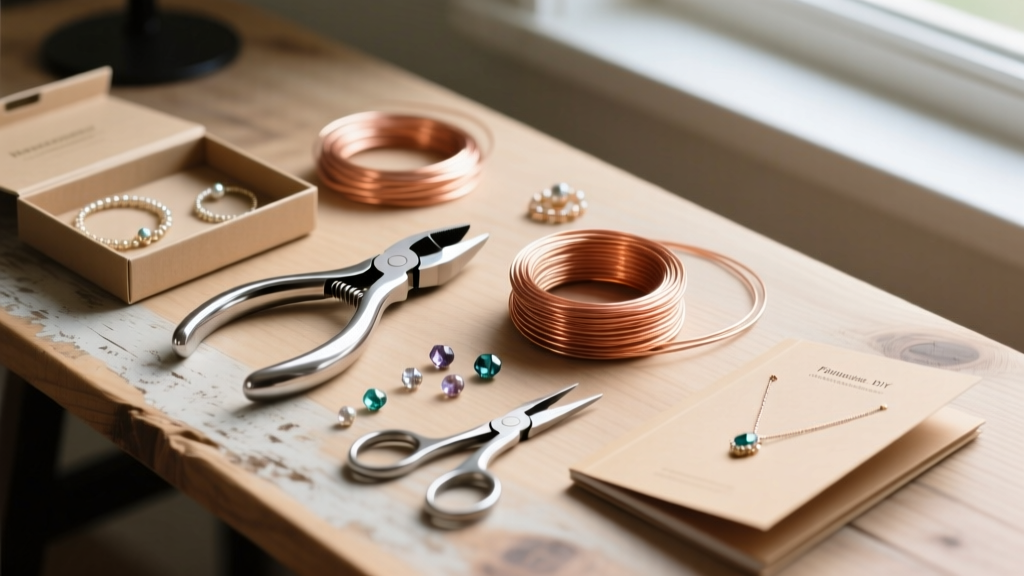
The promise of a complete diy jewelry craft kit is undeniably alluring. Open the box, and you are immediately greeted with an array of colorful beads, spools of wire, and a set of pliers ready to bring your creative visions to life. But as the jewelry-making landscape evolves in 2026, the market has become heavily saturated with ultra-cheap, dropshipped kits that promise the world for under $30. Conversely, curated premium kits from specialized suppliers can easily command $100 to $150.
As a beginner or intermediate maker, how do you evaluate the true return on investment? Is the premium price tag justified, or are you simply paying for branded packaging? In this comprehensive value assessment, we deconstruct the anatomy of jewelry kits, analyze the hidden costs of budget tools, and provide a strategic framework for sourcing your materials to ensure every dollar spent translates directly into wearable, high-quality art.
The Anatomy of a Jewelry Kit: What Are You Actually Paying For?
To assess value, we must first isolate the four core pillars of any standard jewelry-making kit: hand tools, wire, findings, and beads. Budget kits typically allocate the majority of their manufacturing cost toward the sheer volume of beads, using tools and wire as low-cost filler items. Premium kits flip this ratio, investing heavily in ergonomic, hardened steel tools and high-purity metals, while offering a smaller, more curated selection of gemstones and findings.
According to industry wholesalers like Halstead Bead, the markup on pre-packaged retail kits can range from 300% to 500% over raw material costs. Therefore, understanding the baseline quality of each component is essential to determining whether a kit is a genuine value or a cleverly disguised liability.
Component Breakdown: Budget vs. Premium vs. A La Carte
The table below illustrates the stark differences in material grades and pricing tiers you will encounter when shopping for a kit in the current market.
| Component | Budget Kit ($20 - $35) | Premium Kit ($90 - $150) | A La Carte Sourcing Cost |
|---|---|---|---|
| Hand Tools (3-Piece Set) | Stamped carbon steel, PVC grips, soft cutting edges | Forged steel, lap joints, dual-leaf springs, hardened blades | $45 - $85 (e.g., Xuron, Wubbers) |
| Wire (Assorted Gauges) | Copper core with thin color plating (craft wire) | Solid .925 Sterling, pure copper, or 14/20 Gold-Filled | $30 - $70 per ounce/spool |
| Findings (Clasps, Ear Wires) | Base metal alloys, high nickel content, prone to tarnish | Hypoallergenic surgical steel, titanium, or solid brass | $15 - $25 per gross |
| Beads & Gemstones | Dyed howlite, glass pearls, plastic accents | Genuine semi-precious stones, Swarovski/Preciosa crystals | Highly variable ($10 - $100+) |
The Hidden Costs of Budget Kits: Failure Modes and Frustrations
While saving $70 upfront on a budget kit feels like a victory, the hidden costs often manifest in ruined materials, physical hand fatigue, and abandoned projects. Let us examine the specific failure modes associated with cheap kit components.
Tool Steel Quality and Jaw Alignment
The most critical tools in your kit are the flush cutters and chain-nose pliers. Budget kits utilize stamped carbon steel that is rarely heat-treated to a proper Rockwell hardness scale. When you attempt to cut 18-gauge brass or sterling silver wire with a budget cutter (typically under 50 HRC), the blades will dent and roll.
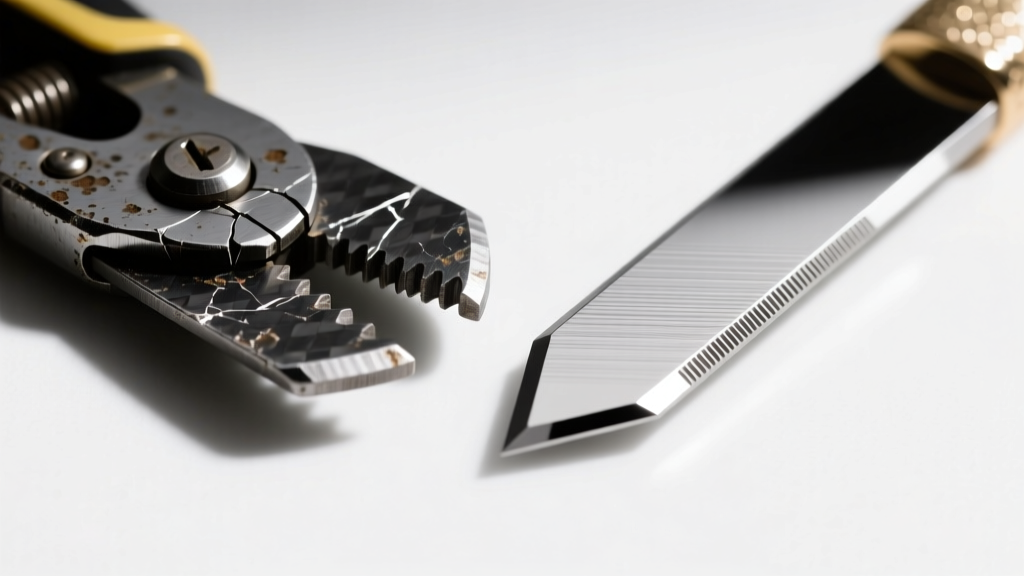
Furthermore, budget chain-nose pliers often suffer from poor jaw alignment. If the teeth do not meet perfectly flush, you will inevitably mar your wire, leaving deep, structural gouges that weaken the metal and ruin the aesthetic of your wire-wrapping. Premium tools from suppliers like Rio Grande feature precision-lapped joints and hardened cutting edges (60+ HRC) that yield a clean, flat cut, eliminating the need for aggressive filing.
Wire Tarnish, Alloy Impurities, and Temper Confusion
Budget kits almost exclusively use "craft wire"—a copper or aluminum core electroplated with a microscopically thin layer of silver or gold-colored enamel. The moment you bend this wire with pliers, the plating flakes and chips, exposing the base metal underneath. Once exposed, the wire tarnishes rapidly and cannot be polished without removing the remaining color.
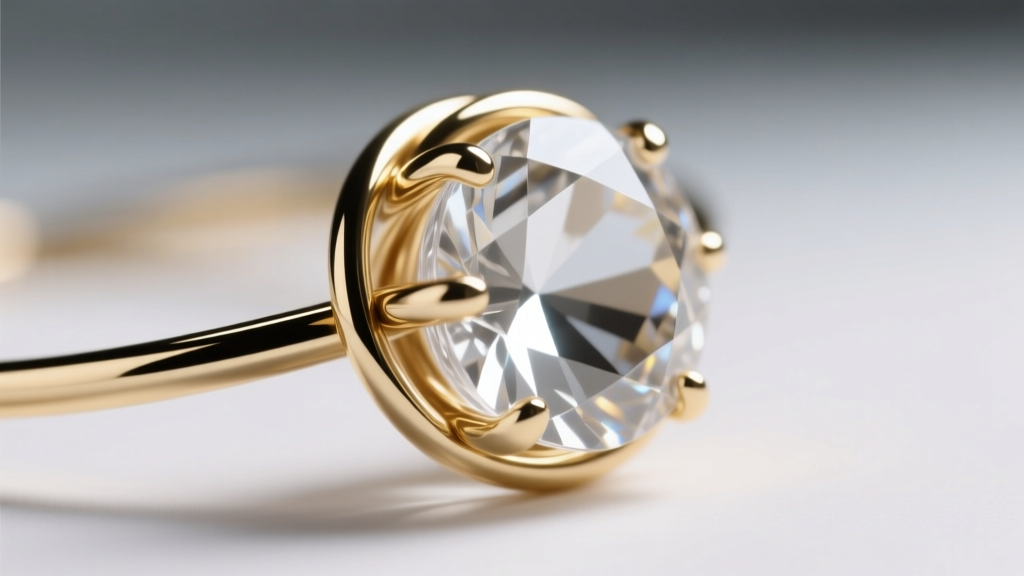
Premium kits supply solid metals or high-quality 14/20 gold-filled wire. More importantly, premium kits specify the temper of the wire. A common beginner mistake is using "dead soft" wire to make French ear wires, only to find they pull out of the earlobe under the weight of a single bead. Proper structural components require "half-hard" wire, a crucial distinction that budget kits completely ignore. For reliable wire and bulk metals, makers frequently turn to Fire Mountain Gems to ensure accurate gauge and temper labeling.
The 2026 Sourcing Strategy: When to Ditch the Kit
If your goal is to build a sustainable hobby or a small Etsy business, the all-in-one box model eventually becomes a bottleneck. Here is a practical decision matrix to help you determine when to buy a kit and when to source a la carte:
- Buy a Budget Kit IF: You are making a one-time craft project with children, testing the waters of basic beading, or creating temporary festival jewelry where longevity and skin-safety are not primary concerns.
- Buy a Premium Tool-Only Kit IF: You are committed to learning wire-wrapping or chainmaille. Invest $80-$100 in a high-quality plier and cutter set, but skip the beads and wire included in bundled boxes.
- Source A La Carte IF: You have a specific design aesthetic (e.g., minimalist gold-filled geometry or raw crystal wrapping). Buying solid .925 sterling wire by the ounce and purchasing findings in bulk packs of 50 will reduce your per-unit cost by up to 60% compared to kit pricing.
Final Verdict: Maximizing Your ROI
Ultimately, the value of a diy jewelry craft kit depends entirely on your end goal. The ultra-cheap, multi-drawer plastic boxes found on mass-market e-commerce sites are essentially toy kits masquerading as professional tools; they will cost you more in the long run through ruined wire and hand cramps.
For the serious beginner in 2026, the smartest financial move is a hybrid approach. Purchase a mid-tier, tool-focused kit from a reputable jewelry supplier to ensure your cutters and pliers are ergonomically sound and properly hardened. Then, take the remaining budget and purchase solid copper wire for practice, upgrading to .925 sterling silver or 14/20 gold-filled wire only when you have mastered your technique. By prioritizing metallurgical integrity and tool precision over sheer volume, you build a foundational workspace that supports your creative growth rather than hindering it.


