What Is Permanent Jewelry? The Ultimate Maker's Buying Guide
Discover what permanent jewelry is and explore our comprehensive buying guide for makers. Learn about welders, chain gauges, and material grades.

The Core Concept: What Is Permanent Jewelry Exactly?
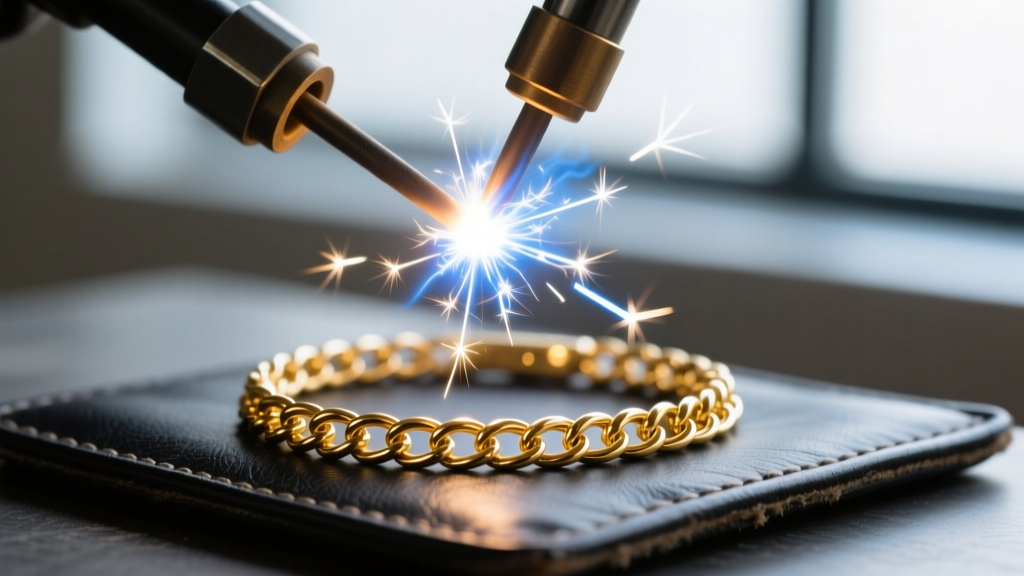
If you have spent any time on social media or walking through boutique districts in 2026, you have likely encountered the term. But what is permanent jewelry? At its core, permanent jewelry refers to custom-fitted, clasp-less chains—most commonly bracelets, anklets, or necklaces—that are welded directly onto the wearer's body. Instead of using traditional lobster clasps or spring rings, a jeweler measures the chain to the client's exact wrist or ankle circumference, cuts it, and uses a specialized micro-welder to fuse the final jump ring shut. The result is a seamless, continuous loop of metal that is meant to be worn indefinitely.
For DIY jewelry makers and aspiring entrepreneurs, the permanent jewelry movement represents a massive shift in how consumers interact with adornment. It transitions jewelry from a simple accessory into an experiential event. However, moving from traditional beading or wire wrapping into permanent jewelry requires a fundamental upgrade in your toolkit, metallurgical knowledge, and safety protocols. This buying guide will break down exactly what to look for when sourcing supplies, choosing a welder, and selecting the right chains for your new venture.
Metals and Metallurgy: What to Look For in Chains
When welding jewelry directly to the skin, material integrity is non-negotiable. Because the piece is not easily removed, it must withstand constant exposure to water, sweat, lotions, and environmental friction without degrading, tarnishing, or causing contact dermatitis.
The Gold Standard: 14k Solid Gold
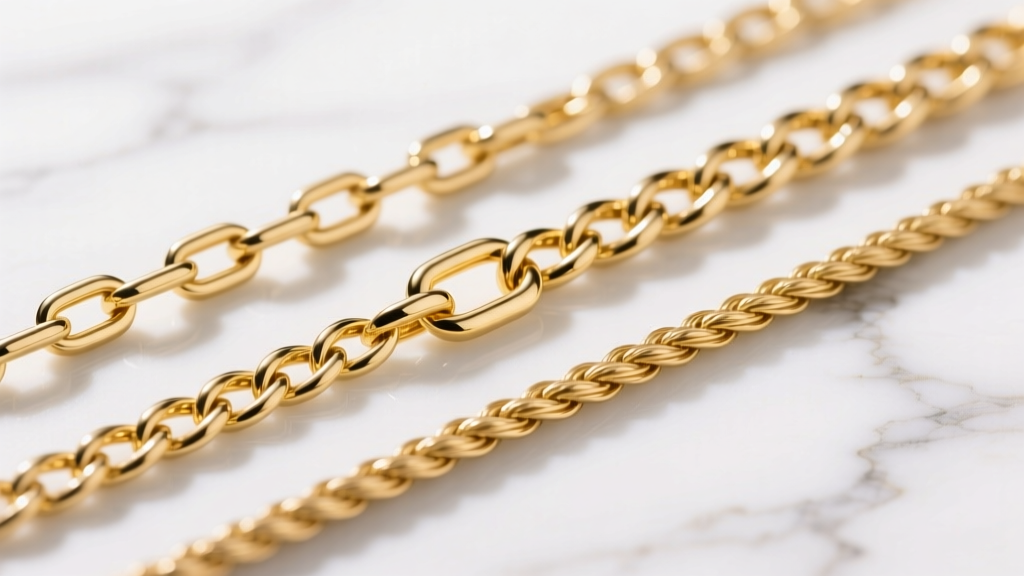
According to industry leaders like Rio Grande, 14k solid gold remains the undisputed champion for permanent jewelry. Comprising 58.5% pure gold alloyed with metals like copper, silver, and zinc, 14k gold offers the perfect balance of tarnish resistance and tensile strength. When sourcing, look for chains in the 1.0mm to 1.5mm width range. Thinner chains (under 0.8mm) can easily snap under the tension of daily wear, while chains over 2.0mm can feel heavy and cumbersome for a permanent bracelet.
Budget Alternatives: Gold-Filled and Sterling Silver
If your target market requires a lower price point, 14k gold-filled (1/20 GF) chains are an acceptable alternative. However, makers must be aware that the welding process melts the outer gold layer, potentially exposing the brass core at the weld joint. This can lead to localized oxidation over time. Sterling silver (925) is another option, but it requires more frequent polishing and can tarnish when exposed to sulfur and moisture. Avoid gold-plated or vermeil chains entirely; the microscopic gold layer will wear off within months, leaving the wearer with a discolored base metal.
Pro Tip: Always source your chains from reputable wholesale jewelers like Stuller or Rio Grande to guarantee the metal purity. Counterfeit chains from unverified online marketplaces often contain nickel, which is a primary culprit for severe allergic reactions.
The Heart of the Operation: Pulse Arc vs. Laser Welders
Understanding what permanent jewelry is also means understanding the technology that makes it possible. You cannot use a traditional soldering torch; the open flame and high heat would burn the client's skin. Instead, the industry relies on micro-welders that deliver highly localized, fractional-second bursts of energy.
| Feature | Pulse Arc Welders (e.g., Orion mPulse) | Laser Welders (e.g., Sunstone Laser) |
|---|---|---|
| Price Range | $2,000 - $4,500 | $6,000 - $12,000+ |
| Learning Curve | Moderate (requires voltage tuning) | Steep (requires focal point precision) |
| Safety Requirements | Standard UV shielding | OD7+ Laser safety glasses, enclosed room |
| Best For | Gold, silver, platinum chains | Titanium, stainless steel, complex repairs |
| Portability | Highly portable for pop-up events | Heavy, best for fixed studio locations |
For 90% of new permanent jewelry businesses, a pulse arc welder is the correct investment. As detailed by Sunstone Welders, pulse arc technology uses an electrical current to create a brief, high-heat spark that fuses the jump ring to the chain link without transferring heat to the surrounding metal. When buying a pulse arc welder, look for models that offer adjustable voltage (typically between 25V and 50V) and adjustable pulse duration. A setting of around 35V to 40V is usually the sweet spot for welding a 20-gauge gold jump ring to a 1.2mm cable chain.
Essential Hand Tools and Jump Ring Specifications
The welder is only as good as the preparation that precedes it. If your jump rings do not sit perfectly flush against the chain links, the electrical arc will scatter, resulting in a weak, brittle weld that will snap within days.
Flush Cutters: The Most Important Hand Tool
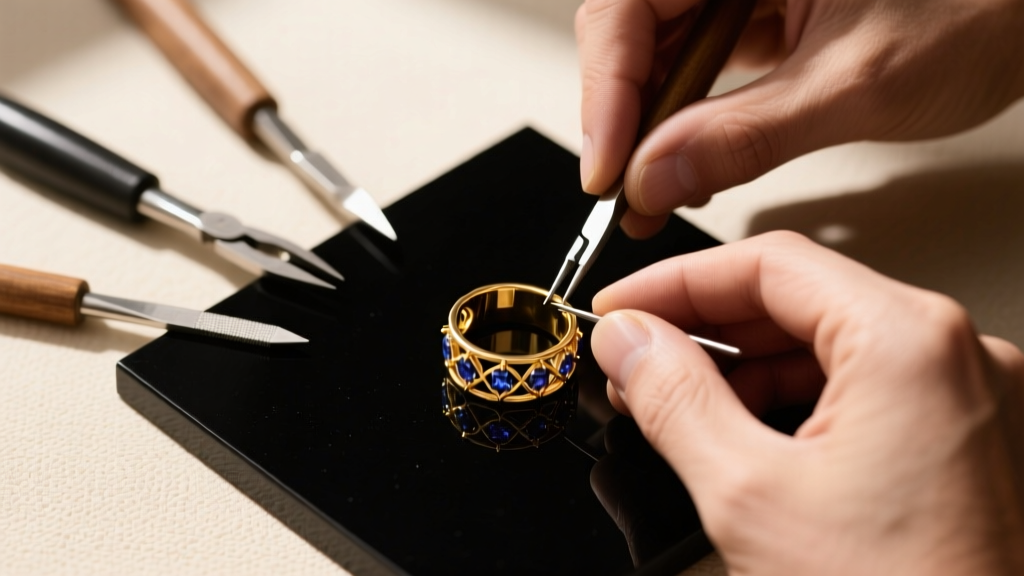
You must invest in high-quality, precision flush cutters. Standard bevel cutters leave a microscopic 'pinch' or point on the end of the wire when cutting a jump ring. This point prevents the ring from closing seamlessly. Brands like Lindstrom or Tronex offer ergonomic, micro-flush cutters that leave a perfectly flat edge, ensuring the jump ring closes with zero visible gaps.
Jump Ring Sizing and Gauge
The jump ring is the literal missing link in permanent jewelry. When buying jump rings, you need to consider both the Outer Diameter (OD) and the wire gauge. For most standard chain bracelets (1.0mm - 1.5mm), a 3.5mm or 4.0mm OD jump ring made from 20-gauge or 22-gauge wire is ideal. The wire must be thick enough to hold the weld without melting away, but thin enough to slide smoothly through the end links of your chosen chain. Always buy dead-soft jump rings; half-hard or hard-tempered rings are difficult to close flush and can spring open during the welding process.
Safety Gear and Workspace Requirements
While permanent jewelry is a safe procedure when done correctly, it involves high-voltage electricity, intense UV light flashes, and microscopic molten metal sparks. Protecting both yourself and your client is a legal and ethical imperative.
- Leather Welding Shields: You must place a specialized leather shield between the client's skin and the welding point. These shields have a small slit to feed the jump ring through while protecting the surrounding skin from UV flash burns and stray sparks.
- Protective Eyewear: Both the maker and the client must wear specialized welding glasses that filter out the specific UV and infrared wavelengths emitted by the pulse arc. Standard sunglasses are entirely insufficient and dangerous.
- Ventilation: While pulse arc welding produces minimal fumes compared to soldering, vaporized metal oxides are still released. A small desktop fume extractor with a HEPA and activated carbon filter is highly recommended for indoor studios.
- Fire Extinguisher: Always keep a Class C (electrical) fire extinguisher within arm's reach of your workstation.
Final Thoughts on Starting Your Permanent Jewelry Journey
The transition into permanent jewelry making is an exciting evolution for any DIY jewelry enthusiast. By understanding the metallurgy of solid gold, investing in a reliable pulse arc welder, and mastering the art of the flush cut, you can offer clients a beautiful, lasting experience. Remember that the barrier to entry is higher than traditional beading due to the equipment costs, but the profit margins and client loyalty associated with permanent jewelry make it one of the most rewarding niches in the modern jewelry industry.


