Handmade Jewelry Business: Pro Tool Buying Guide 2026
Scale your handmade jewelry business with our 2026 buying guide. Discover pro-grade pliers, flex shafts, and metal sourcing tips for higher margins.

Why Hobbyist Tools Fail in a Handmade Jewelry Business
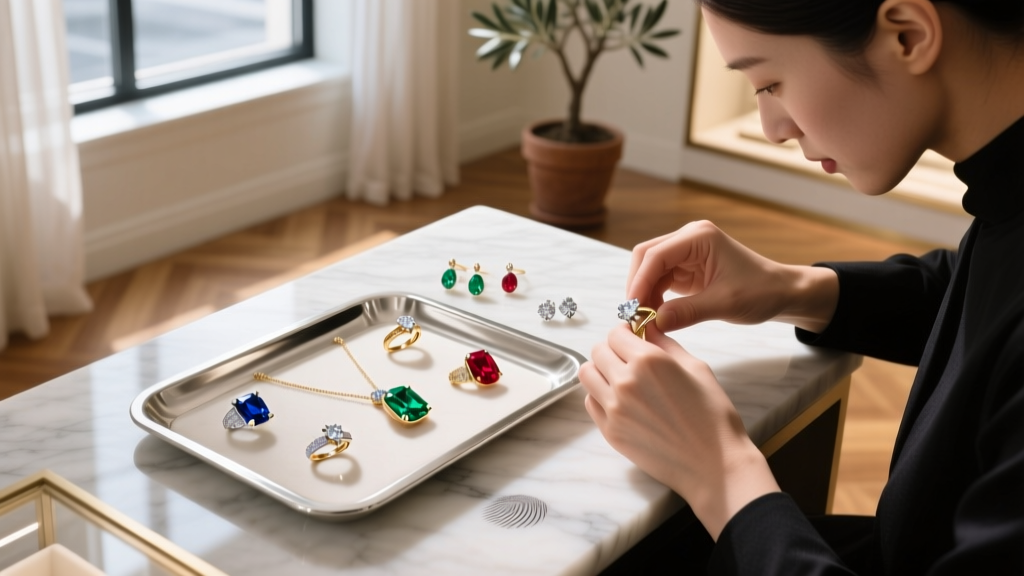
Transitioning from a weekend hobbyist to running a profitable handmade jewelry business requires a fundamental shift in how you approach your bench. Hobbyist tools are engineered for occasional use; professional tools are engineered for repetitive, high-volume production. When you are fulfilling a 50-piece wholesale order, the microscopic differences in tool engineering translate directly into physical fatigue, production speed, and the structural integrity of your final pieces.
The most common failure mode for new business owners is underestimating the cost of hand strain and metal marring. Hardware store needle-nose pliers feature serrated teeth that permanently scar soft metals, forcing you to spend extra hours sanding and polishing every jump ring and wire wrap. Similarly, standard diagonal cutters leave a sharp "pinch point" on the wire end, which can snag on delicate fabrics and result in customer returns. Investing in precision bench tools is not a luxury; it is a mandatory overhead expense that protects your brand reputation and your physical health.
The Core Pliers Set: What to Buy and What to Avoid
Your pliers are an extension of your hands. For a professional setup, you need three core jaw types: chain nose, round nose, and flush cutters. When sourcing these, look for forged steel jaws with a mirror-polished or matte-smooth finish to prevent marring precious metals.
Chain Nose and Round Nose Pliers
For chain nose pliers, the Rio Grande catalog and industry veterans consistently point to the Lindstrom 180 Series or Tronex standard series. Lindstrom pliers feature a patented dual-spring mechanism that requires 30% less hand pressure to close, drastically reducing the risk of carpal tunnel syndrome during long production runs. Expect to pay between $65 and $95 per pair. While this is a steep upfront cost compared to a $15 Amazon multi-pack, the precision alignment of the jaws ensures that when you close a 20-gauge sterling silver jump ring, the ends meet perfectly flush without overlapping or gaping.
Flush Cutters: The Xuron Standard
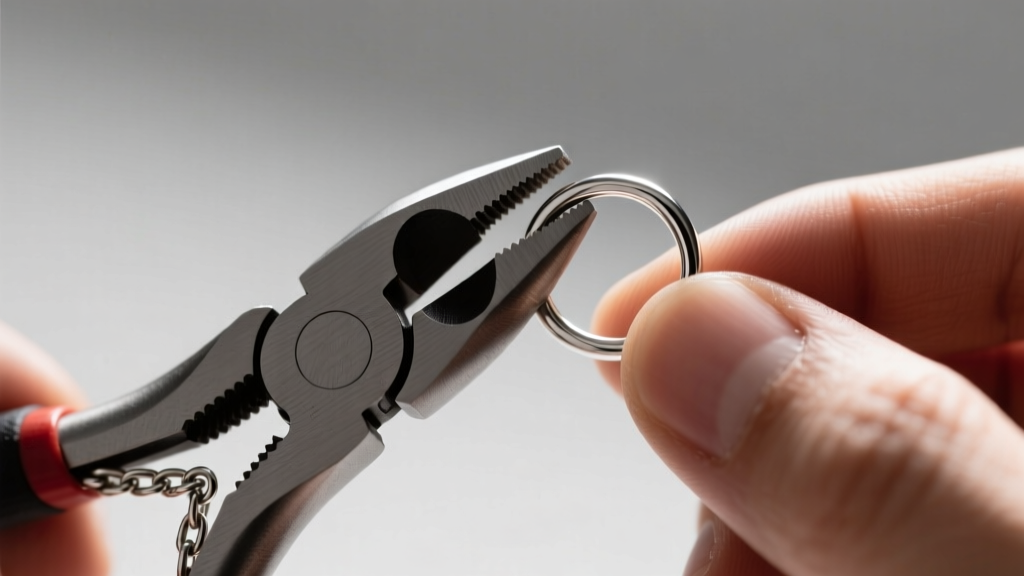
Avoid standard bevel cutters. You need true flush cutters that shear the wire cleanly on one side. The Xuron 410 Micro-Shear is the undisputed industry standard for wire workers. Priced around $25, it features a shear-cutting action that leaves one side of the wire completely flat. Note that flush cutters are delicate; never use them to cut memory wire or steel, as the hardened steel will instantly chip the cutting edge.
Upgrading to a Flex Shaft: The Production Game-Changer
If your handmade jewelry business involves any drilling, stone setting, sanding, or polishing, a rotary tool is non-negotiable. However, the ubiquitous hardware store Dremel is a liability for professional jewelers. Dremels operate at high RPMs but possess very low torque, meaning the bit stalls when pressure is applied. Furthermore, the heavy, bulky handpiece causes severe wrist fatigue.
The professional standard is a hanging micromotor flex shaft. The Foredom SR Motor (1/8 HP, 18,000 RPM) paired with an H.20 or H.30 lightweight handpiece is the workhorse of the industry. Priced between $400 and $450, it delivers massive torque even at low speeds, allowing you to carve wax, drill through 14k gold, and polish intricate filigree without the bit catching or stalling. The foot pedal offers variable speed control, freeing up both hands to manipulate the jewelry piece safely.
Sourcing Metals and Findings for Profit Margins
Retail pricing for raw materials will destroy your profit margins. A successful handmade jewelry business must establish wholesale trade accounts with major refiners and findings manufacturers. Companies like Halstead and Rio Grande offer tiered pricing structures that reward bulk purchasing.
Understanding Wire Temper and Alloys
When buying wire, you must specify the temper (hardness). Dead soft wire is essential for intricate wire weaving and wrapping, as it bends effortlessly but will work-harden as you manipulate it. Half-hard wire is mandatory for structural components like ear wires, clasps, and jump rings, as it holds its shape under tension. Full-hard is rarely used in hand-fabrication due to its brittleness.
Consider upgrading your silver inventory to Argentium Silver. Unlike traditional Sterling (92.5% silver, 7.5% copper), Argentium replaces some copper with germanium. This makes it highly resistant to tarnish and allows for fusion welding without solder, saving hours of bench time and pickling cleanup.
Investment Comparison: Hobbyist vs. Professional Setup
| Tool Category | Hobbyist Pick (Cost) | Professional Pick (Cost) | Business Impact |
|---|---|---|---|
| Flush Cutters | Generic Bevel Cutter ($12) | Xuron 410 Micro-Shear ($25) | Eliminates sharp pinch points; reduces finishing time by 20%. |
| Chain Nose Pliers | Serrated Needle Nose ($15) | Lindstrom 180 Series ($85) | Prevents metal scarring; ergonomic springs prevent hand cramps. |
| Rotary Tool | Cordless Dremel ($60) | Foredom SR Flex Shaft ($420) | High torque at low RPM; lightweight handpiece prevents fatigue. |
| Bench Lighting | Standard Desk Lamp ($30) | OttLite Daylight Lamp ($120) | True color rendering for gemstone selection; reduces eye strain. |
Packaging and Shipping Supplies for Brand Retention
In the e-commerce space, the unboxing experience is your only physical touchpoint with the customer. Cheap plastic baggies scream "amateur" and accelerate metal tarnishing due to trapped humidity and sulfur exposure. To justify premium pricing, your packaging must reflect the quality of your craftsmanship.
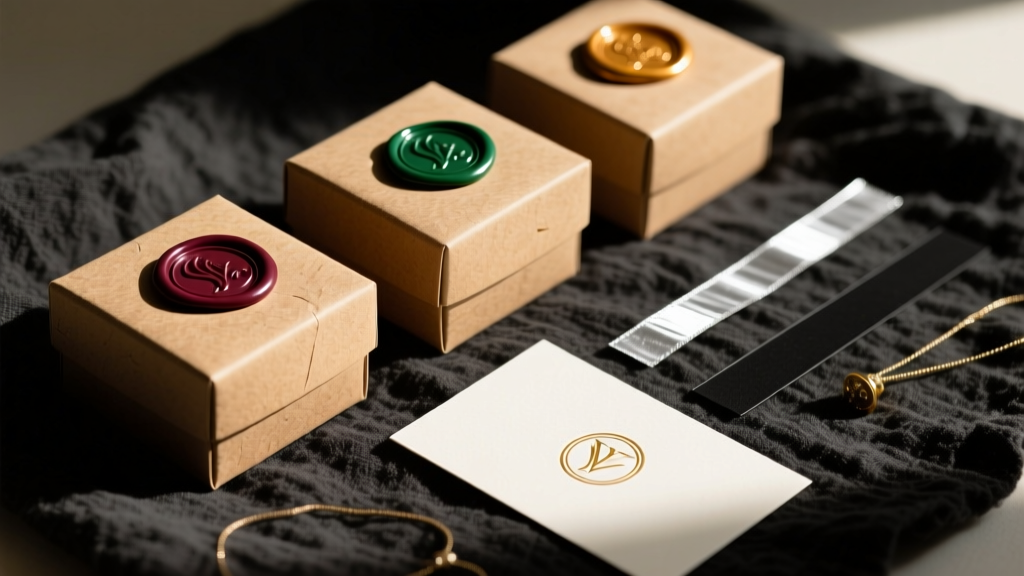
Invest in eco-friendly kraft jewelry boxes with cotton-filled inserts to prevent pieces from shifting during transit. More importantly, every single silver or copper shipment must include a 3M anti-tarnish strip. These small, chemically treated paper tabs absorb sulfur and hydrogen sulfide gases in the enclosed air, preventing the metal from oxidizing while it sits in the customer's mailbox or jewelry box. Sourcing custom-branded wax seals or stamped tissue paper elevates the perceived value of the piece, directly correlating to higher customer retention and organic social media sharing.
Final Checklist Before Launching Your Storefront
Before you open your digital or physical storefront, audit your bench against this professional checklist:
- Calibration: Are your digital scales calibrated for accurate precious metal weighing?
- Safety: Do you have a proper ventilation system or fume extractor for soldering and resin work?
- Inventory Tracking: Are you using SKU software to track raw material costs versus final retail pricing?
- Quality Control: Have you stress-tested your clasps and ear wires for structural failure?
Building a sustainable handmade jewelry business in 2026 requires treating your craft with the same operational rigor as any manufacturing enterprise. By investing in precision tools, understanding metallurgical properties, and prioritizing the customer's unboxing experience, you position your brand to compete on quality rather than engaging in a race to the bottom on price.


