2026 Style Guide: Halloween Charms for Jewelry Making
Discover the top 2026 trends for Halloween charms for jewelry making. Learn material grades, sizing, and dark academia styling tips for spooky pieces.

The Shift: From Novelty to Dark Academia & Subtle Spooky
The landscape of seasonal jewelry has undergone a massive transformation as we move through 2026. Gone are the days when Halloween jewelry was confined to cheap, orange-enameled plastic pumpkins and flimsy zinc-alloy ghosts. Today's consumers and independent jewelers are demanding 'subtle spooky'—pieces that blend seamlessly into the dark academia, gothic romance, and witchy aesthetics that dominate year-round fashion. When sourcing and designing with Halloween charms for jewelry making, the modern artisan must prioritize metallurgical quality, intricate casting details, and versatile styling. The goal is to create a piece in October that the wearer will proudly keep on through the winter solstice.
True seasonal jewelry transcends the calendar month. If a Halloween piece cannot be styled for a December evening, it lacks fundamental design integrity.
This shift requires a complete rethinking of how we select charms, attach hardware, and finish our metals. Below, we break down the exact materials, gauge sizes, and 2026 trend forecasts you need to elevate your spooky jewelry line.
Material Breakdown: What to Buy and What to Avoid
The base metal of your charms dictates not only the price point but the longevity and skin-safety of the final piece. When browsing wholesale catalogs for Halloween charms for jewelry making, you will typically encounter three main metal categories. Understanding their distinct properties is crucial for maintaining your brand's reputation.
| Metal Base | Pros | Cons | Avg Price (Per Pc) |
|---|---|---|---|
| Zinc Alloy (Tibetan Silver) | Extremely cheap, heavy feel, widely available | High nickel/allergy risk, poor fine detail, bends easily | $0.10 - $0.30 |
| Cast Brass (Nickel-Free) | Takes oxidation beautifully, durable, great detail | Requires sealing or polishing, can tarnish | $0.80 - $2.50 |
| Sterling Silver (925) | Premium value, hypoallergenic, crisp cast lines | High upfront cost, requires anti-tarnish storage | $4.00 - $12.00 |
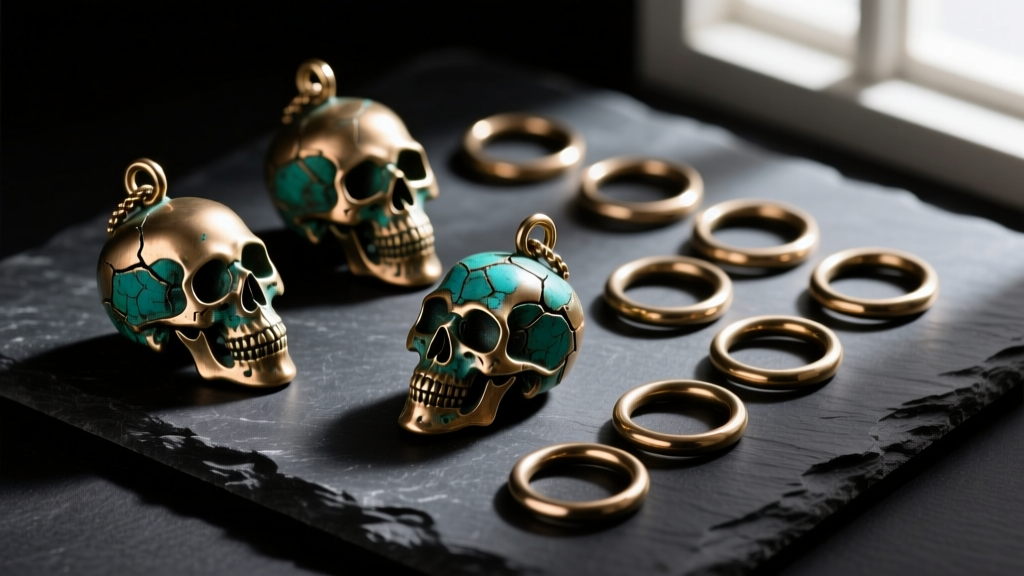
For 2026, we strongly advise abandoning zinc alloy for any piece intended to touch the skin directly. Instead, invest in nickel-free cast brass. Brass is the undisputed king of the dark academia aesthetic because it responds exceptionally well to Liver of Sulfur (LOS) patina solutions. By diluting LOS in warm water and dipping your brass raven or skull charms, you can achieve a deep, oxidized black finish in the crevices that highlights the 3D relief, then lightly polish the high points with a brass brush for a vintage, antique look.
Sizing & Hardware: Gauge Sizes and Jump Ring Mechanics
A common failure point in DIY jewelry making is mismatching the charm's loop size with the connecting jump ring. If the jump ring is too thick, it will warp the charm loop; if it is too thin, the charm will slide off or cause excessive friction wear on the chain. According to technical guides from Halstead, understanding Aspect Ratio (AR) and gauge sizing is non-negotiable for professional assembly.
- Standard Charm Loops: Most commercial charms feature a loop with an inner diameter (ID) of 1.5mm to 2.0mm.
- Optimal Jump Ring Size: Use a 3mm or 4mm OD (outer diameter) jump ring to connect the charm to the chain.
- Wire Gauge Thickness: For 3mm and 4mm jump rings, 20-gauge (0.81mm) wire is the industry standard. It provides enough tensile strength to hold a heavy brass charm without pulling open.
- Heavy Pendants: If your Halloween charm is a large, solid geode slice or a heavy 3D skull exceeding 15 grams, upgrade to a 18-gauge (1.02mm) jump ring, or better yet, use a soldered closed ring or a seamless split ring to guarantee it never detaches.
Always use nylon-jaw pliers when opening and closing your jump rings to avoid marring the metal finish, especially if you are working with pre-oxidized or gold-plated spooky charms.
2026 Trend Forecast: The Top 4 Charm Aesthetics
What exactly are the top-performing Halloween charms for jewelry making this year? Market analysis shows a distinct move away from literal horror tropes toward romanticized, historical, and natural 'spooky' elements.
1. Oxidized Botanical & Anatomical
Forget cartoon witches; 2026 is all about apothecary realism. Charms shaped like belladonna sprigs, hemlock leaves, anatomical hearts, and articulated raven skulls are dominating the market. These are best executed in oxidized sterling silver or antiqued brass. The trend relies heavily on texture—matte, brushed finishes that look like they were unearthed from a Victorian garden.
2. Hard Enamel Celestial & Tarot
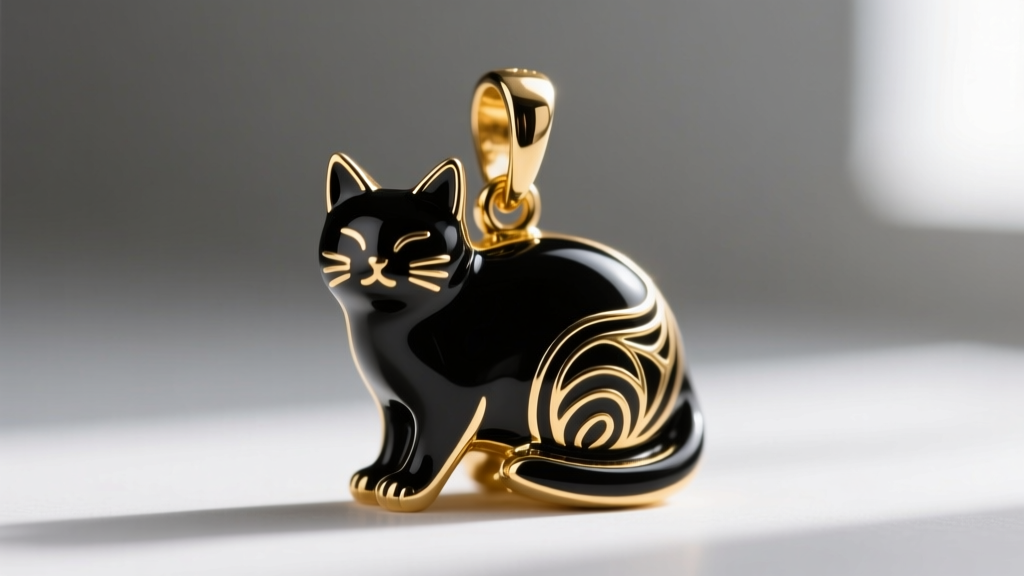
Enamel work has seen a massive resurgence, specifically hard enamel (cloisonné) where the enamel is polished flush with the metal lines. For Halloween, the color palette has shifted from orange and black to deep midnight blues, rich purples, and metallic gold bases. Tarot card charms (especially The Moon and Death), crescent moons with embedded cubic zirconia stars, and evil eye motifs are highly sought after for layering necklaces and charm bracelets.
3. Raw Crystal & Geode 'Witchy' Drops
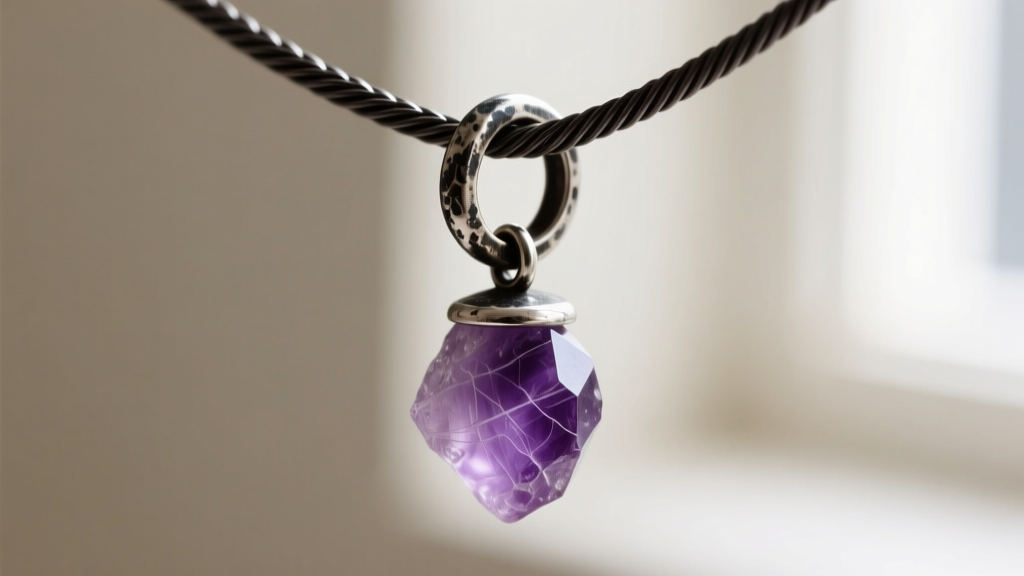
The 'witchy' aesthetic relies heavily on the metaphysical properties of raw stones. Charms that feature wire-wrapped raw amethyst points, black tourmaline slices, or labradorite cabochons set in darkened bezel cups are incredibly popular. When sourcing these, ensure the wire wrapping is done with 24-gauge dead-soft tarnish-resistant wire to secure the stone without scratching its natural inclusions.
4. Micro-Resin Gothic Miniatures
For a more playful but highly detailed approach, micro-resin charms are trending on platforms like Etsy and TikTok. These are tiny, hyper-realistic 3D printed or cast resin pieces—think a 10mm realistic tarantula, a miniature glowing potion bottle, or a tiny gothic coffin. Because resin is lightweight, these can be used in high quantities on statement earrings without causing earlobe fatigue.
Sourcing & Pricing: Wholesale vs. Artisan Casters
Where you source your Halloween charms for jewelry making will define your profit margins and brand identity. Mass-market suppliers like Fire Mountain Gems offer excellent bulk pricing on basic enamel and alloy charms, which is ideal for craft fairs and entry-level price points. However, if you are building a premium brand, you must look toward artisan casters and specialized findings suppliers like Rio Grande for high-quality sterling silver and brass components.
Pro-Tip: Avoid buying 'Tibetan Silver' lots from overseas marketplaces if you cannot verify the metal composition. Many of these contain dangerous levels of lead and cadmium. Always request a certificate of compliance or stick to domestic, reputable jewelry supply houses that adhere to strict safety standards for wearable metals.
Assembly Pro-Tips: Preventing Tarnish and Tangling
When designing multi-charm pieces, such as a Halloween charm bracelet or a layered necklace, tangling and premature tarnishing are your biggest enemies. To combat tarnish on brass and silver charms, apply a micro-crystalline wax or a specialized jewelry sealant like ProtectaClear after you have achieved your desired oxidation level. This locks in the dark, spooky patina and prevents the oils from the wearer's skin from reacting with the copper in the brass.
For necklaces featuring multiple charms, utilize a 'ladder' chain design or stagger the jump ring lengths by at least 1.5 inches between each charm. This prevents the heavy metal pieces from clustering together, clinking, and scratching one another during wear. By mastering these technical details and aligning your designs with the sophisticated 2026 dark academia trends, your Halloween jewelry will transition from a seasonal novelty to a staple in your customers' everyday wardrobes.


