How Much Does a Jewelry Designer Make? 2026 DIY & Trend Analysis
Discover how much a jewelry designer makes in 2026. We analyze DIY income tiers, high-margin trends, and pricing strategies for artisan makers.

The Financial Reality of DIY Jewelry in 2026
When aspiring artisans first type "how much does jewelry designer make" into search engines, they are usually met with vague, outdated salary averages that fail to capture the modern maker economy. According to the U.S. Bureau of Labor Statistics, the median pay for traditional jewelers and precious metal workers hovers around $47,450 annually. However, this metric primarily reflects bench jewelers and retail repair technicians, not the independent DIY designers leveraging direct-to-consumer (DTC) e-commerce and bespoke trend forecasting.
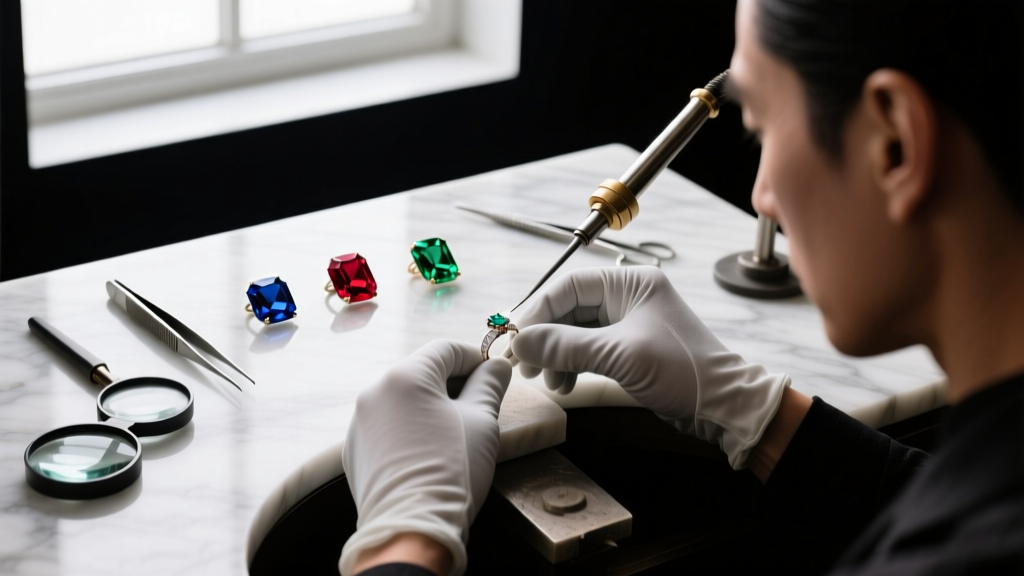
In 2026, the independent jewelry design landscape has bifurcated. On one end, mass-market crafters are struggling with rising platform fees and saturated dropshipping markets. On the other end, hyper-specialized artisans—those mastering techniques like pulse-arc welded permanent jewelry, anodized titanium wire wrapping, and lab-grown diamond bezel setting—are commanding premium margins. The question is no longer just about what you make, but how you position your materials and techniques within current luxury and demi-fine trends.
Income Tiers: From Etsy Hobbyist to Bespoke Artisan
To understand the true earning potential, we must segment the DIY jewelry market into distinct operational tiers. Your income is directly correlated to your material grades, production speed, and brand positioning.
| Designer Tier | Avg. Annual Income | Gross Margins | Primary Materials & Techniques |
|---|---|---|---|
| Tier 1: Hobbyist / Crafter | $5,000 - $18,000 | 25% - 40% | Brass, copper, glass beads, basic stringing |
| Tier 2: Part-Time Pro | $25,000 - $55,000 | 45% - 60% | 14k Gold-Filled, 925 Sterling, wire wrapping |
| Tier 3: Full-Time Bespoke | $75,000 - $150,000+ | 65% - 80% | Grade 5 Titanium, Lab-Grown Diamonds, Cast Metals |
Tier 1: The Wire-Wrapping & Beading Hobbyist
Makers in this tier typically rely on accessible materials like raw copper, brass, and semi-precious tumbled stones. While the barrier to entry is low, the market is heavily saturated. A common failure mode here is underpricing labor. If you spend 45 minutes wire-wrapping a 20-gauge copper pendant and sell it for $25, you are effectively paying for the privilege of making it. To break out of this tier, designers must upgrade their material grades and storytelling.
Tier 2 & 3: The Permanent Jewelry & Custom Metalsmith
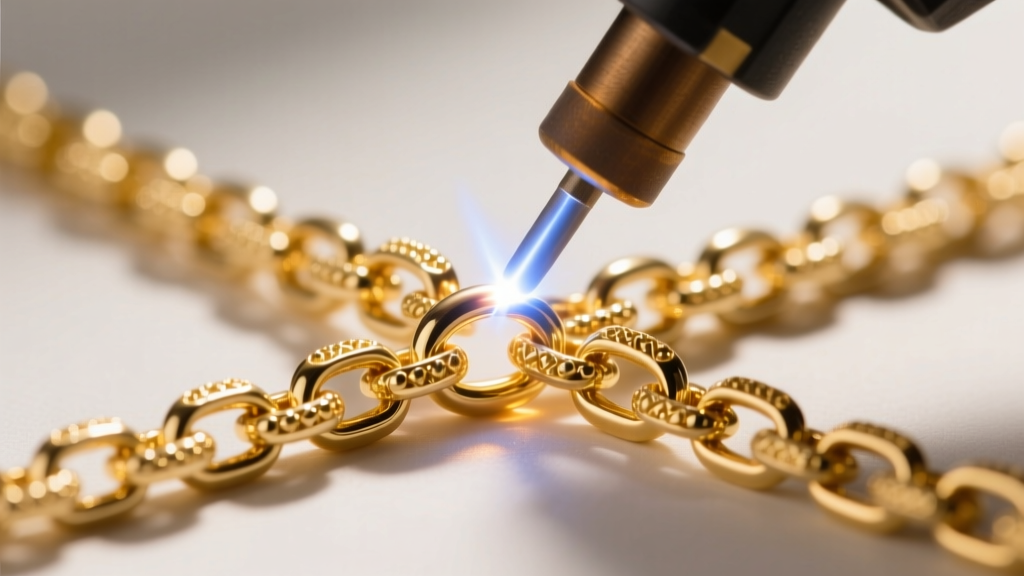
The explosion of permanent jewelry has created a lucrative pathway for Tier 2 and Tier 3 designers. By investing in a pulse arc welder (such as the Sunstone PUK or Orion mPulse), designers can offer welded 14k solid gold or gold-filled chains directly onto the client's wrist. A single welding appointment takes roughly 10 minutes and commands $75 to $150 per chain, yielding an exceptionally high hourly effective rate compared to traditional bench work.
2026 Trend Analysis: What Styles Actually Yield High Margins?
According to market insights from the Gemological Institute of America (GIA), consumer preferences in 2026 are heavily skewed toward "quiet luxury" and sustainable, hyper-personalized adornments. If you want to maximize your income as an independent designer, align your DIY projects with these high-margin trends:
- Anodized Niobium and Titanium Wire Wrapping: Traditional silver and gold wire wrapping is classic, but 2026 has seen a massive surge in demand for aerospace-grade titanium and niobium. By using a simple anodizing kit, you can electrochemically color 22-gauge niobium wire in vibrant, fade-resistant hues. The material cost per piece is under $4, but the perceived artisan value allows for retail prices of $85 to $140.
- Mixed-Metal Permanent Jewelry: The days of单一 yellow gold chains are fading. High-end studios are now welding mixed-metal chains—alternating 14k yellow gold and white gold-filled links—creating a custom, high-contrast look that justifies a 30% premium over standard welded bracelets.
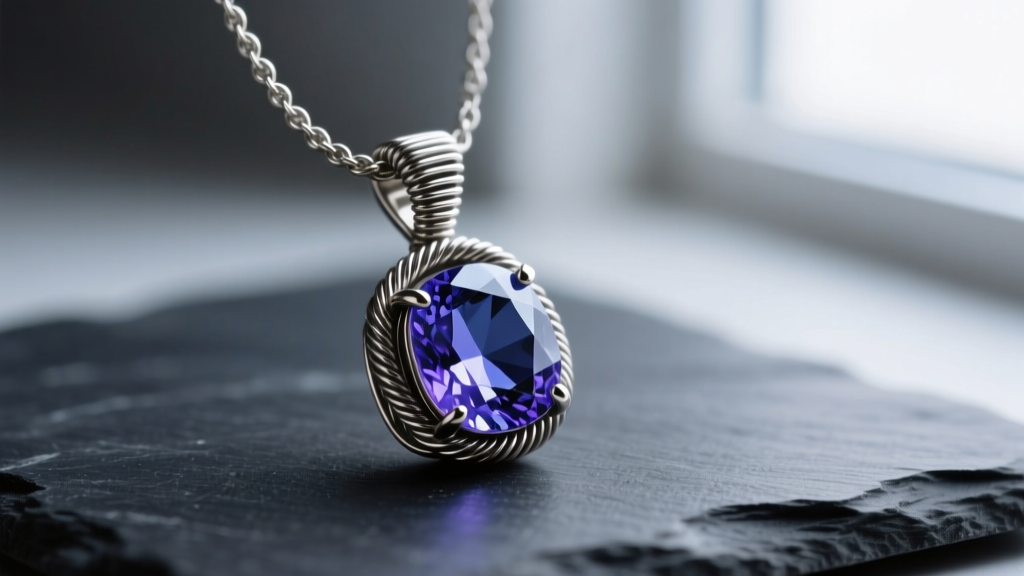
- Raw Lab-Grown Sapphire and Diamond Accents: Consumers are highly educated on lab-grown stones. Sourcing raw, uncut lab-grown sapphires and setting them in heavy 18k gold vermeil bezels offers a striking, organic aesthetic. Because the stones are lab-grown, your material costs remain controlled while the retail value mimics fine jewelry.
Material Sourcing & Cost Breakdown: Protecting Your Margins
Understanding the exact specifications of your materials is what separates a $30,000-a-year crafter from a $100,000-a-year brand. Misrepresenting or misunderstanding metal grades leads to high return rates and brand damage.
14k Gold-Filled (1/20 14k GF): This is the gold standard for demi-fine DIY jewelry. By law, gold-filled wire must contain at least 5% (1/20th) 14k gold by weight, mechanically bonded to a brass core. It will not flake or rub off like plated wire. Sourcing dead-soft 20-gauge 14k GF wire from reputable US mills costs roughly $0.45 per inch, making it highly profitable for woven bracelets and ring shanks.
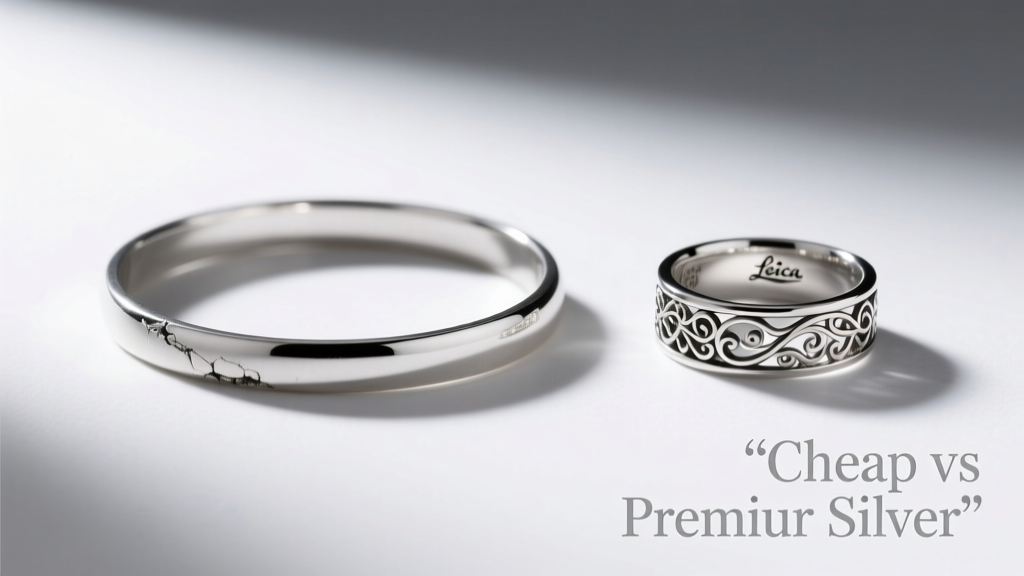
18k Gold Vermeil vs. Gold Plated: Never use standard gold-plated brass for high-end collections. Vermeil requires a base of 925 sterling silver with a minimum of 2.5 microns of 18k gold plating. However, a common failure mode in 2026 is friction wear on vermeil chains. To combat this, top designers are applying a clear, jewelry-grade e-coating to the interior of vermeil rings and bangles to extend the lifespan of the plating by up to three years.
Pricing Framework: The 4x Multiplier Rule
To ensure you are actually generating a living wage, you must abandon "competitor-based pricing" and adopt a strict mathematical framework. The industry standard for independent jewelry designers is the 4x Multiplier Rule.
Step 1: Calculate True Cost of Goods Sold (COGS)
Add your exact material cost (down to the clasp and jump rings) plus packaging. Let's say a 14k gold-filled woven necklace costs $18 in materials.
Step 2: Add Labor at a Professional Rate
Your time is worth a minimum of $35 to $65 per hour, depending on your skill level. If the necklace takes 45 minutes to weave and finish, your labor cost is $26.25. (Total Base Cost = $44.25).
Step 3: The Wholesale Multiplier (x2)
Multiply your Total Base Cost by 2 to get your Wholesale Price. ($44.25 x 2 = $88.50). This covers your overhead, marketing, and business profit margin.
Step 4: The Retail Multiplier (x2)
Multiply the Wholesale Price by 2 to get your Direct-to-Consumer Retail Price. ($88.50 x 2 = $177.00). This ensures that if you ever decide to wholesale to a boutique, your business remains profitable without needing to restructure your entire supply chain.
Strategic Positioning for Maximum Earnings
Ultimately, how much a jewelry designer makes in the DIY space is dictated by their willingness to treat their craft as a specialized manufacturing business rather than a casual hobby. By mastering advanced techniques like pulse-arc welding, upgrading to aerospace-grade wire, and implementing rigid pricing frameworks, independent makers in 2026 are shattering the traditional income ceilings of the jewelry industry. Focus on high-margin, low-volume bespoke releases, and let the quality of your metallurgy dictate your market value.