How to Make Metal Jewelry: 2026 Trend Analysis & Guide
Discover how to make metal jewelry aligned with 2026 trends. Explore neo-brutalism, mixed-metal inlays, gauge sizes, and recycled silver sourcing.

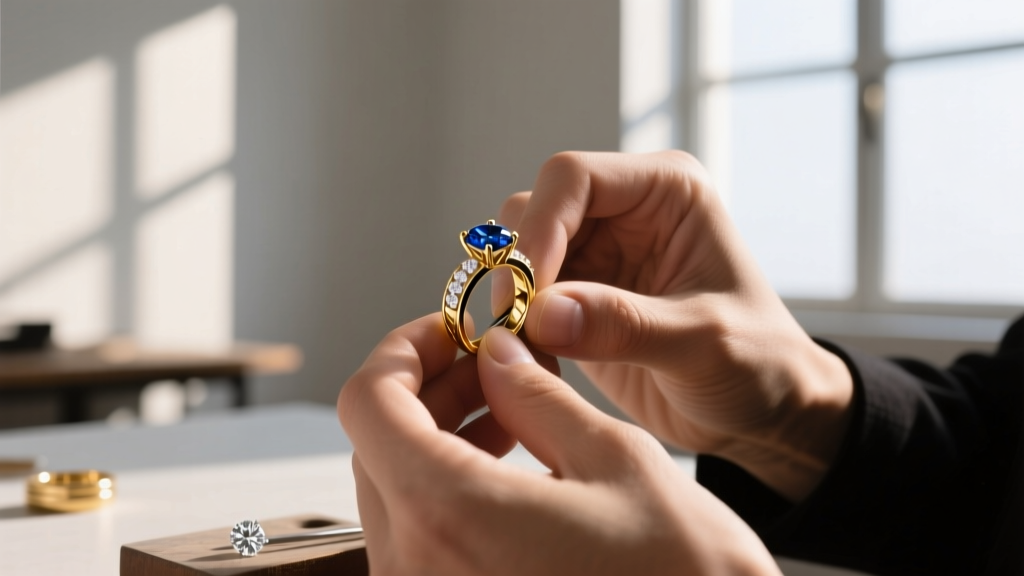
The 2026 Metal Jewelry Trend Landscape
The transition from the delicate, minimalist wire-wrapping trends of the early 2020s to the bold, sculptural aesthetics of 2026 has fundamentally shifted the DIY jewelry making landscape. Today’s collectors and wearers are gravitating toward pieces with substantial weight, organic textures, and mixed-metal contrasts. If you are researching how to make metal jewelry that resonates with contemporary buyers, you must move beyond basic beading and embrace traditional metalsmithing techniques adapted for modern aesthetics. Fabricating jewelry from raw sheet and wire requires an understanding of metallurgy, precise temperature control, and structural engineering on a micro-scale.
This guide breaks down the dominant metal jewelry trends of 2026—Neo-Brutalism, Mixed-Metal Sweat Soldering, and Eco-Conscious Sourcing—providing the exact gauges, temperatures, and tooling required to execute these styles professionally from your home bench.
Trend 1: Neo-Brutalism and Heavy Gauge Textures
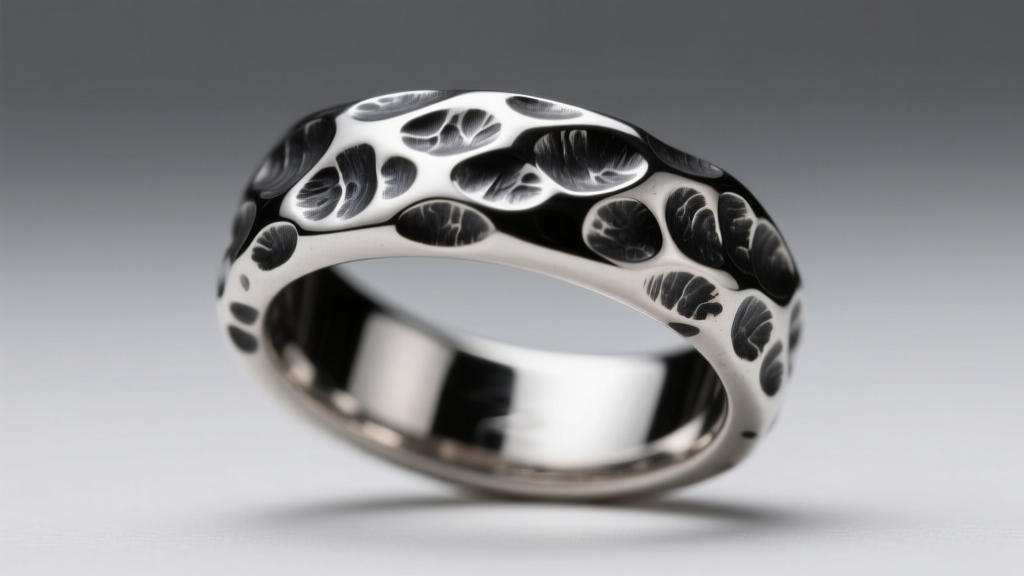
Neo-Brutalism in jewelry is defined by raw, unpolished edges, deep hammer textures, and oxidized finishes that highlight the natural malleability of metal. Unlike the high-polish, flawless finishes of traditional fine jewelry, brutalist pieces celebrate the marks of the maker and the organic flow of the material.
Gauge Selection and Structural Integrity
To achieve the substantial, architectural feel required for this trend, you must work with heavier gauges. Standard 24-gauge (0.5mm) sheet is far too flimsy. Instead, stock your bench with 16-gauge (1.3mm) and 14-gauge (1.6mm) sterling silver or brass sheet metal. For rings, 14-gauge provides the necessary rigidity to prevent the band from warping during daily wear, while 16-gauge is ideal for heavy statement pendants and cuff bracelets.
Texturing and Patina Techniques
The hallmark of brutalist metalwork is the surface texture. Utilize a Fretz HMR-23 or similar planishing hammer to create overlapping, organic dimples. Before hammering, the metal must be properly annealed to prevent work-hardening and cracking. For sterling silver, heat the metal with a butane or oxy-propane torch until it glows a dull cherry red (approximately 1100°F), then quench in water. After texturing, apply a Liver of Sulfur solution (mixed at 1 part liver to 40 parts warm water) to oxidize the piece, turning it pitch black. Finally, use 400-grit sandpaper or a Scotch-Brite pad to lightly buff the high points, leaving the deep hammer marks dark and the raised areas bright, creating striking visual depth.
Trend 2: Mixed-Metal Sweat Soldering
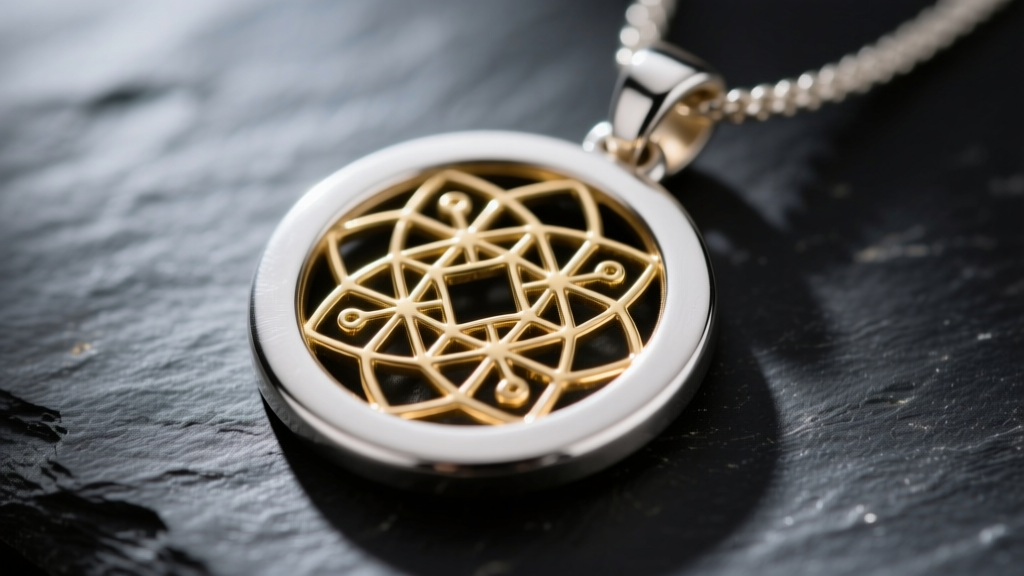
The juxtaposition of warm brass or copper against cool sterling silver is a defining color palette for 2026. However, mechanically riveting these metals can look clunky. The preferred technique for seamless mixed-metal inlays and overlays is sweat soldering. This method allows you to bond two sheets of metal completely flat, without visible solder seams on the top surface.
The Mechanics of Sweat Soldering
Sweat soldering involves pre-flowing solder onto the back of the smaller top piece (the inlay), and then using heat to re-melt that solder, bonding it to the larger base piece. According to metallurgical guidelines from Ganoksin, the key to success lies in flux management and heat distribution.
- Preparation: Cut your base piece (e.g., 20-gauge sterling silver) and your inlay (e.g., 22-gauge brass). Sand both mating surfaces with 400-grit paper until perfectly flat, then clean in an ultrasonic cleaner or with pumice powder.
- Pre-flowing: Apply a thin layer of Handy Flux to the back of the brass inlay. Place small paillons (chips) of Hard Silver Solder (flow point 1425°F) on the fluxed area. Heat evenly with a torch until the solder flashes and flows across the entire back of the brass. Quench and pickle in a warm citric acid solution.
- The Sweat: Flux the top of the silver base and place the pre-soldered brass piece on top. Here is the critical step: do not heat from the top. Apply your torch flame to the bottom of the silver base. The heat will conduct through the silver, melting the pre-applied solder on the brass interface. When you see the solder flash around the edges of the brass, remove the heat immediately to prevent the brass from sinking into the silver.
Material Sourcing: The Shift to Certified Recycled Metals
In 2026, sustainability is no longer a niche selling point; it is a baseline consumer expectation. The DIY metalsmith community has aggressively pivoted toward certified recycled precious metals. Sourcing recycled sterling silver and recycled brass reduces the environmental impact of mining and provides a compelling narrative for your brand.
Major suppliers like Rio Grande now offer extensive lines of eco-friendly sheet and wire. Recycled 925 sterling silver sheet typically carries a premium of only $0.50 to $1.00 per ounce over standard spot-backed silver, a marginal cost increase that vastly improves your brand's market positioning. When ordering, always request the supplier's SCS Global Services or similar recycling certification to verify the metal's chain of custody.
2026 Trend Fabrication Matrix
To help you plan your bench time and material budget, reference the matrix below detailing the technical requirements for this year's top metal jewelry trends.
| 2026 Trend | Primary Material | Gauge Requirement | Key Technique | Avg. Material Cost (Per Ozt) |
|---|---|---|---|---|
| Neo-Brutalism | Recycled 925 Silver | 16g - 14g | Heavy Hammering / Oxidation | $32.00 - $38.00 |
| Mixed-Metal Inlay | Brass over Silver | 22g (Top) / 20g (Base) | Sweat Soldering | $12.00 (Brass) / $35.00 (Silver) |
| Architectural Wire | 14k Gold-Filled | 12g - 10g | Forge Welding / Tumbling | $85.00 - $110.00 |
| Eco-Casting | Recycled Bronze | N/A (Cast) | Lost Wax / Sand Casting | $4.00 - $6.00 |
Essential Tool Upgrades for 2026 Styles
Executing heavy-gauge fabrication and precise sweat soldering requires upgrading from beginner craft tools to professional bench equipment. If you are serious about how to make metal jewelry that withstands retail scrutiny, invest in the following:
- Smith Little Torch with Acetylene/Oxygen: While butane torches are fine for simple jump rings, sweat soldering heavy 16-gauge sheets requires the pinpoint, high-heat control of a Smith Little Torch. The #3 or #4 welding tip provides the broad, soft flame needed to heat a base plate evenly without melting the delicate inlay.
- Pepe Rolling Mill (Flat and Wire Rollers): Buying heavy gauge sheet is expensive. A manual rolling mill allows you to buy thicker, cheaper ingots or scrap, anneal them, and roll them down to exact custom gauges. Pro Tip: Never reduce the metal thickness by more than 25% in a single pass, or you risk cracking the crystalline structure of the alloy.
- Thermo-Loc or Pitch Bowl: For brutalist textures, holding heavy metal securely is vital. A traditional pitch bowl filled with jeweler's pitch (a mixture of pine resin, plaster, and oil) allows you to sink and dome heavy gauges safely while hammering, absorbing the shock and protecting your wrists.
Conclusion
Mastering how to make metal jewelry in 2026 requires a synthesis of old-world metalsmithing techniques and a sharp eye for contemporary, tactile aesthetics. By embracing heavy gauges, perfecting the sweat soldering process for mixed-metal contrasts, and committing to sustainable material sourcing, you elevate your craft from simple hobbyist assembly to true artisan fabrication. Set up your bench, fire up your torch, and start hammering out the future of jewelry design.


