Essential Jewelry Makers Tools for Beginner Wire Wrapping
Discover the essential jewelry makers tools for beginners. Learn which pliers, cutters, and brands to buy for wire wrapping without wasting money.

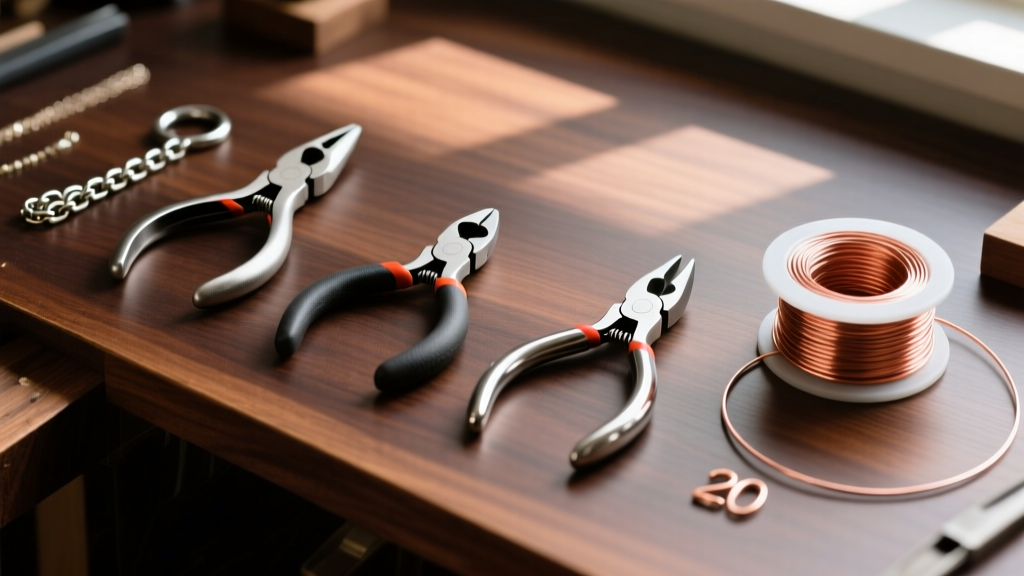
The Core Trio: Essential Jewelry Makers Tools
Stepping into the world of DIY jewelry making can feel overwhelming, especially when you are faced with hundreds of specialized gadgets. However, if you are focusing on beginner-friendly wire wrapping and basic assembly, you do not need a massive arsenal. In 2026, the market is flooded with ultra-cheap, poorly tempered tool sets from unknown online marketplaces. These budget kits often feature misaligned jaws and stiff springs that cause hand fatigue and mar your expensive wire. To build a reliable foundation, you only need to invest in three high-quality, core jewelry makers tools: chain nose pliers, round nose pliers, and precision flush cutters.
1. Chain Nose Pliers: Your Primary Gripper
Chain nose pliers are the workhorses of your bench. Unlike standard hardware store needle-nose pliers, jewelry-specific chain nose pliers feature a smooth, flat inner jaw with absolutely no teeth. Teeth will leave permanent, unsightly gouges in soft metals like dead-soft sterling silver or 20-gauge copper wire. The jaws taper to a fine point, allowing you to reach into tight spaces, close jump rings flush, and grip wire securely without slipping. For beginners, the Xuron 491 Chain Nose Pliers (typically priced around $18 to $22) offer an exceptional balance of ergonomic comfort and precision machining.
2. Round Nose Pliers: The Loop Creator
Whenever you need to create a loop, a curve, or a wrapped bail, round nose pliers are mandatory. Their conical, tapered jaws allow you to form loops of varying diameters depending on where you place the wire along the jaw. Using the very tip yields a tight, small loop perfect for 24-gauge headpins, while gripping closer to the base creates wider loops for heavy jump rings or clasp attachments. A crucial tip for beginners is to mark your jaws with a fine-tip permanent marker at specific intervals; this ensures that every loop you make on a pair of earrings is perfectly symmetrical. The Beadalon Round Nose Pliers provide a great entry point, though serious hobbyists often upgrade to Lindstrom for smoother action.
3. Flush Cutters: Achieving the Perfect Snip
A standard pair of hardware wire cutters will crush and pinch your jewelry wire, leaving a sharp, dangerous burr. Micro-shear flush cutters are engineered with a single bevel that slices through the wire, leaving one side completely flat and the other slightly pinched. The Xuron 2175 Maxi-Shear Flush Cutter is widely considered the gold standard for beginners, capable of cleanly snipping soft wire up to 18-gauge without damaging the blade edge. Always remember to orient the flat side of the blade toward the part of the wire you intend to keep, ensuring a flush finish that won't snag on clothing or skin.
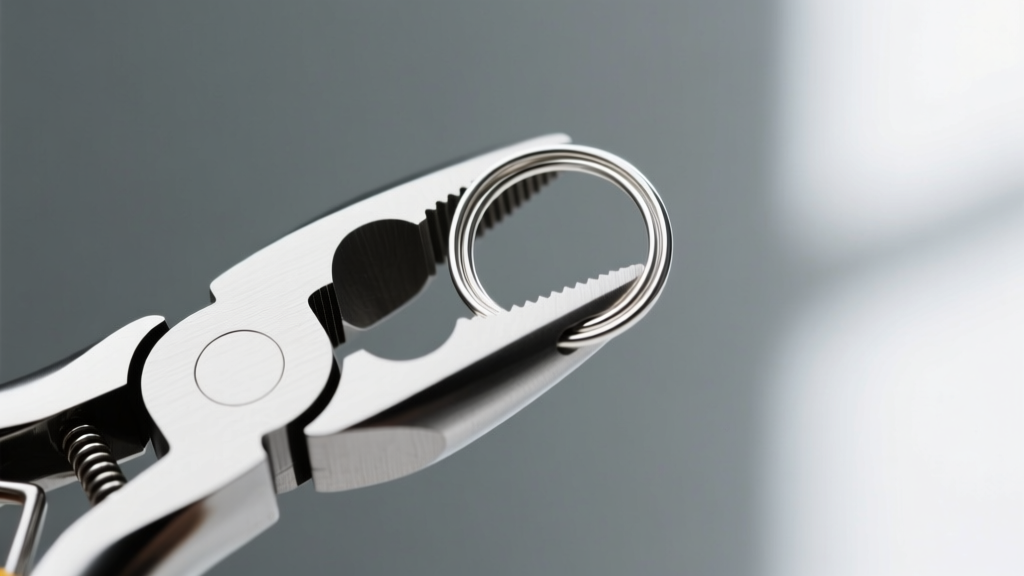
Tool Comparison Chart: What to Buy First
Use this quick-reference table to guide your first trip to the jewelry supply store or your online checkout. According to master wire artists featured on Wire-Sculpture, starting with mid-tier, ergonomically designed tools prevents the development of bad habits caused by fighting with stiff, heavy equipment.
| Tool Type | Primary Use | Avoid Using For | Recommended Beginner Model | Est. Price |
|---|---|---|---|---|
| Chain Nose Pliers | Gripping, bending, closing jump rings | Cutting wire or prying open thick rings | Xuron 491 or Wubbers 5901 | $18 - $25 |
| Round Nose Pliers | Creating loops, curves, and wrapped bails | Bending sharp 90-degree angles | Beadalon or Lindstrom RX | $20 - $45 |
| Flush Cutters | Snipping soft wire (28g to 18g) | Cutting memory wire, steel, or thick clasps | Xuron 2175 Maxi-Shear | $18 - $22 |
| Nylon Jaw Pliers | Straightening coiled wire, work-hardening | Gripping tiny jump rings or precise bends | Wubbers Nylon Jaw Pliers | $15 - $20 |
Common Beginner Mistakes and Failure Modes
Even with the best jewelry makers tools at your disposal, poor technique can ruin your materials and damage your equipment. Here are the most common failure modes beginners encounter during their first year of wire wrapping:
- Cutting Memory Wire with Flush Cutters: Memory wire is hardened high-carbon steel. Snipping it with standard flush cutters will instantly chip or dent the delicate micro-shear blades, rendering them useless for soft wire. Always use dedicated, heavy-duty memory wire shears.
- Using Round Nose Pliers for Bending: While round nose pliers are great for loops, using them to bend sharp angles will leave deep, crescent-shaped divots in your wire. Always use chain nose or flat nose pliers for sharp, angular bends.
- Over-Tightening the Leaf Spring: Many budget tools come with a dual-leaf spring that is overly stiff. This causes severe hand cramping during long sessions. You can carefully snip the outer leaf spring or bend it slightly outward to reduce the resistance, making the tool much easier to squeeze.
- Ignoring Wire Temper: Tools interact differently with 'dead soft' versus 'half hard' wire. Dead soft wire (like 20-gauge copper) is easily marred if your pliers have even microscopic burrs on the jaws. Always inspect and polish your plier jaws with fine-grit sandpaper or a polishing cloth before working with precious metals.
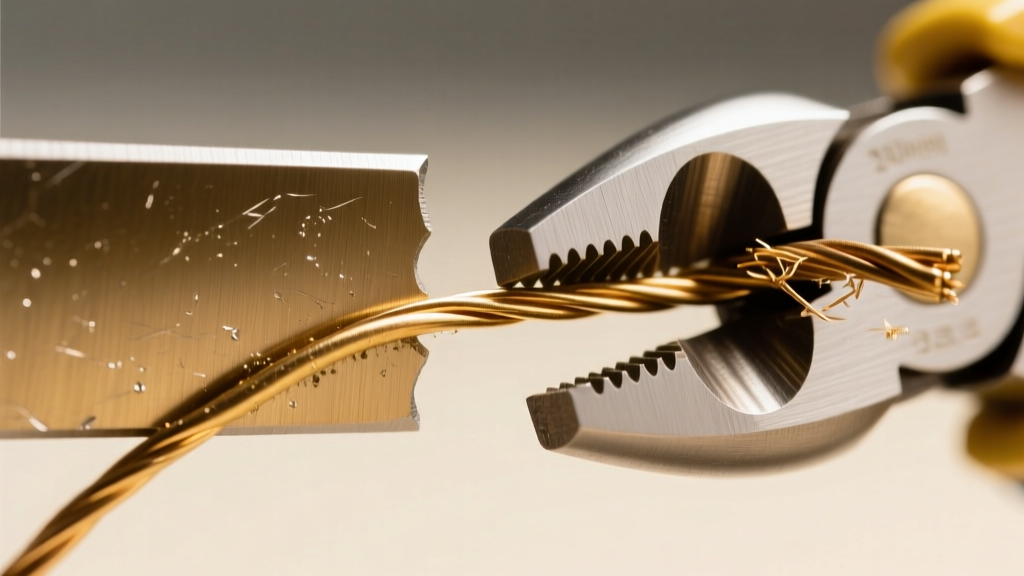
Upgrading Your Kit: Lap Joints vs. Box Joints
As you progress from simple beaded earrings to complex wire-wrapped pendants, you will notice a distinct difference in how premium tools feel. This comes down to the joint mechanism that connects the two halves of the plier. Entry-level and mid-tier tools (like standard Xuron or Beadalon models) typically use a lap joint. In a lap joint, two pieces of steel overlap and are riveted together. While perfectly fine for beginners, lap joints can develop a slight lateral 'wobble' over time, which can be frustrating when trying to close a microscopic 3mm jump ring perfectly flush.
Premium brands like Rio Grande's professional lines, Swanstrom, and Lindstrom utilize a box joint. A box joint features a slot cut into one side of the plier, with the other side passing through it, secured by a precision pin. This completely eliminates lateral wobble, ensuring the jaws meet with microscopic perfection every single time. While box joint tools can cost upwards of $60 to $90 per pair, they are a worthwhile investment once you transition to working with expensive gold-filled wire or platinum, where a single slip or misaligned jaw can cost you dollars in scrapped materials.
Tool Maintenance: Protecting Your Investment
Your jewelry makers tools are precision instruments that require basic maintenance to ensure longevity. The pivot joint is highly susceptible to rust, especially if you live in a humid climate or if you naturally have acidic skin oils. After every work session, make it a habit to wipe down the jaws and the pivot joint with a clean microfiber cloth.
Once a month, apply a single, tiny drop of synthetic tool oil (like 3-in-One or sewing machine oil) directly into the joint. Open and close the pliers a dozen times to work the oil into the mechanism, then wipe away any excess. Never store your tools loosely in a damp basement or garage; keep them in a dedicated, dry tool roll or a lined wooden box. Finally, avoid dropping your pliers onto concrete or tile floors. A hard impact can easily bend the pivot pin, permanently misaligning the jaws and turning a $50 precision tool into scrap metal. By treating your tools with respect, they will easily last a lifetime of jewelry making.


