How to Make Enamel Jewelry: Vitreous vs. Cold Resin Guide
Discover how to make enamel jewelry by comparing vitreous glass and cold resin. Learn base metal properties, firing temps, and failure modes.

The Core Dilemma: Vitreous Enamel vs. Cold Enamel Resin
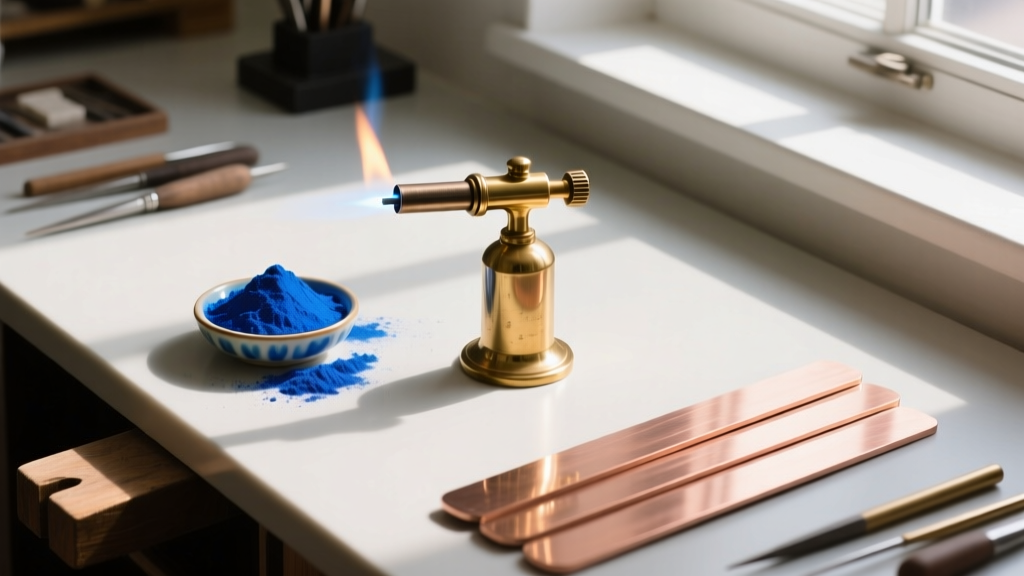
When learning how to make enamel jewelry, the first critical decision is choosing your medium. The term "enamel" is frequently hijacked by marketing to describe both traditional vitreous glass and modern cold enamel (epoxy resin). From a material science perspective, they share almost nothing in common. Vitreous enamel is a silicate glass fused to metal at extreme temperatures, while cold enamel is a two-part thermosetting polymer. Understanding their distinct physical properties is the foundation of professional jewelry design in 2026.
| Property | Vitreous (Glass) Enamel | Cold Enamel (Epoxy Resin) |
|---|---|---|
| Composition | Frit (pulverized silica, soda, borax, metal oxides) | Bisphenol-A epoxy resin + polyamine hardener |
| Fusing / Curing Temp | 1380°F – 1500°F (750°C – 815°C) | Room Temp (75°F) or Low Heat (150°F) |
| Compatible Metals | Fine Silver (.999), Copper (C110), Gold, Steel | Sterling Silver, Brass, Bronze, Base Metals |
| Mohs Hardness | 5.5 – 6.5 (Highly scratch-resistant) | 2.0 – 3.0 (Prone to micro-scratches) |
| UV Stability | 100% UV Stable (Will never fade) | Variable (Requires UV stabilizers; yellows over time) |
| Setup Cost | High (Kiln, acid baths, specialized tools) | Low (Resin, silicone molds, basic hand tools) |
Base Metal Properties: What Holds Your Enamel Best?
Vitreous glass does not simply sit on top of metal; it chemically bonds to it. This requires a substrate that can withstand extreme thermal shock without warping, oxidizing, or releasing gases. According to Ganoksin's technical articles on enameling metals, the Coefficient of Thermal Expansion (CTE) is the most vital metric. If the metal expands and contracts at a vastly different rate than the glass, the enamel will crack or pop off upon cooling.
Why Sterling Silver Fails in Kiln Enameling
Beginners often attempt to enamel standard sterling silver (.925) and end up with mottled, dark, and poorly adhered glass. Sterling contains 7.5% copper. When heated to 1450°F, this copper migrates to the surface and oxidizes, forming a layer of black cupric oxide (firescale). Glass cannot bond to firescale. To enamel sterling, you must perform depletion gilding (repeatedly pickling and heating to strip surface copper) or use a specialized lead-free flux. For reliable results, stick to Fine Silver (.999) or Electrolytic Tough Pitch Copper (C110).
Thermal Dynamics: Torch-Fired vs. Kiln-Fired Vitreous Enamel
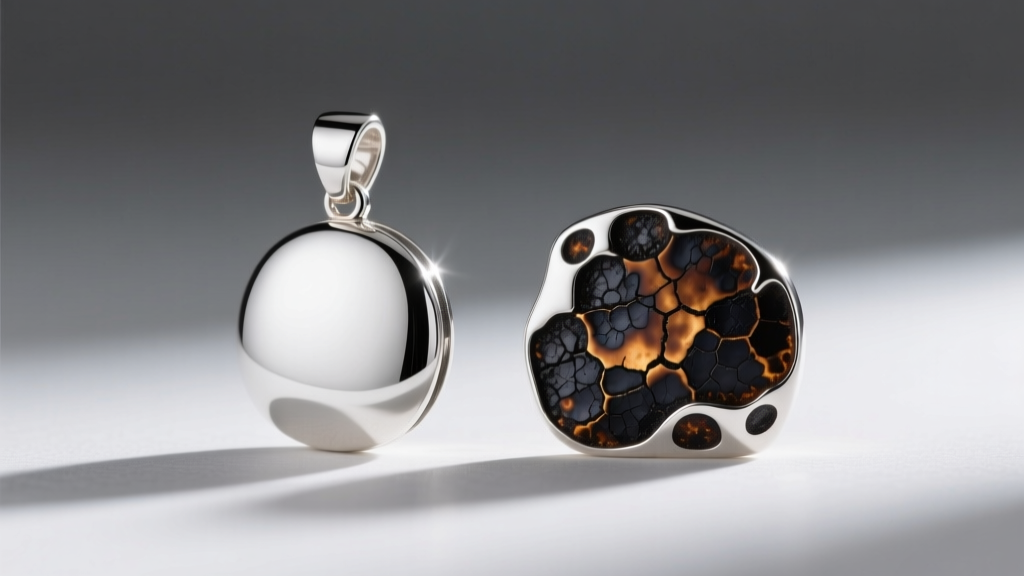
If you opt for traditional glass, your heating method dictates your design limitations. Torch-firing is excellent for small, domed pieces like beads or cabochons, utilizing a butane/propane mix to reach fusing temperatures in seconds. However, torch-firing introduces uneven heat distribution, which can cause localized thermal shock.
Kiln-firing, utilizing a digital programmable kiln (such as the Paragon SC-2 series), allows for precise ramping. Modern 2026 kiln controllers allow you to hold the piece at 1200°F to burn off organic binders (like Klyr-Fire) before ramping up to 1450°F for the final fuse. For transparent enamels, kiln-firing is mandatory to prevent the trapping of air bubbles that cloud the glass.
Step-by-Step Material Prep for Vitreous Enameling
Surface contamination is the enemy of glass adhesion. A single fingerprint can cause the enamel to crawl or blister. Follow this strict preparation protocol:
- Cutting and Annealing: Cut your C110 copper or .999 fine silver blank. Anneal it to relieve internal stresses that could cause warping in the kiln.
- Pickling: Submerge the heated metal in a warm citric acid bath (or a 10% sulfuric acid solution) to strip all surface oxides. Never use steel tongs; iron contamination will cause black spots in your final enamel. Use copper or plastic tweezers.
- Counter-Enameling: Glass shrinks as it cools, pulling on the metal. If you only enamel the front, the metal will dome or warp. You must apply a layer of enamel (counter-enamel) to the back to equalize the surface tension.
- Sifting: Apply the enamel frit using a 80-mesh or 100-mesh sieve for an even, controlled layer approximately 0.5mm thick.
For comprehensive sifting techniques and safety protocols, refer to the Thompson Enamel resource library, which remains the industry standard for vitreous material handling.
Troubleshooting Crazing, Shivering, and Pinholes
Even experienced jewelers encounter structural failures. Understanding the physics behind these defects is crucial for adjusting your material choices.
The Golden Rule of Enamel Stress: Crazing means the glass is under tension (metal shrank more than the glass). Shivering means the glass is under compression (glass shrank more than the metal). Adjust your enamel's expansion coefficient accordingly.
1. Crazing (Hairline Cracks)
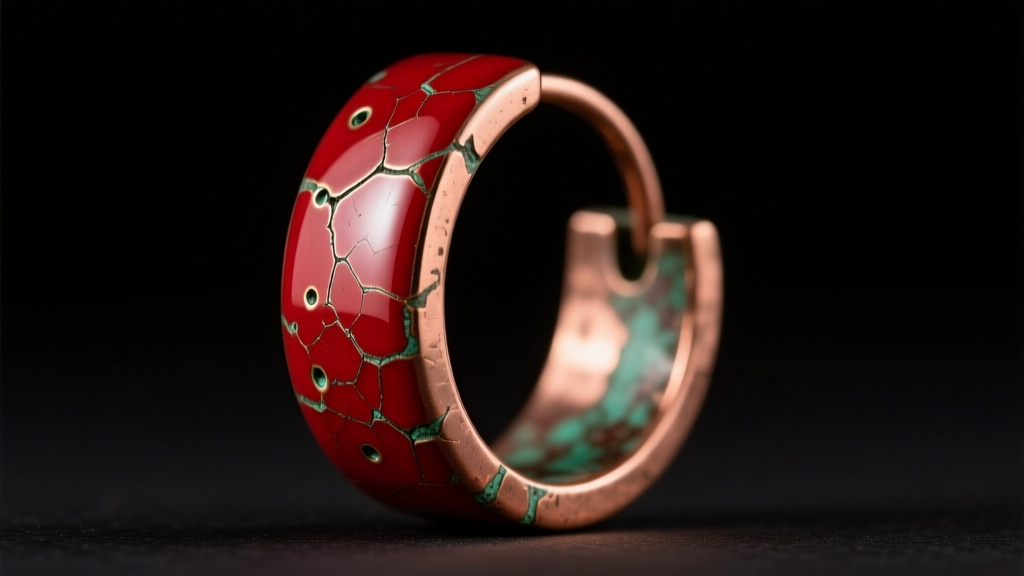
Crazing appears as a spiderweb of fine cracks. This occurs when the base metal contracts faster than the glass during the cooling phase, putting the glass under extreme tensile stress. The Fix: Cool the piece slower by placing it in a vermiculite bowl, or switch to an enamel brand with a slightly higher expansion rate.
2. Shivering (Flaking and Peeling)
Shivering is the opposite of crazing. The enamel compresses and eventually pops off the metal, sometimes taking a layer of silver or copper with it. The Fix: Use a lower expansion enamel, or increase the thickness of your base metal to resist the compressive forces.
3. Pinholes and Blisters
Pinholes are tiny craters that form when gases escape through the molten glass. This is almost always caused by trapped moisture, organic binders, or dirt. The Fix: Implement a "burn-out" step. Fire the bare metal blank at 1200°F for two minutes before applying any enamel to incinerate surface organics.
Final Verdict: Choosing Your Enamel Path
Deciding how to make enamel jewelry ultimately depends on your target market and studio capabilities. If you are producing heirloom-quality, fine jewelry that must withstand decades of daily wear and UV exposure, invest in a kiln and master vitreous enameling on fine silver. The learning curve is steep, and the material science is unforgiving, but the results are permanent and luminous.
Conversely, if you are designing trend-driven, mixed-metal fashion jewelry utilizing brass or bronze, cold enamel resins offer unparalleled versatility. Modern 2026 resin formulations with advanced UV inhibitors can mimic the depth of glass without the need for extreme heat. By matching the material properties to your design intent, you ensure your jewelry is not just beautiful, but structurally sound.
For further reading on setting enameled pieces without cracking the glass, consult Rio Grande's enameling guides on bezel construction and post-firing stone setting techniques.