How to Make Jewelry to Sell: 2026 Occasion Gift Guide
Discover how to make jewelry to sell by targeting high-demand gift occasions. Learn material grades, pricing, and production tips for 2026.

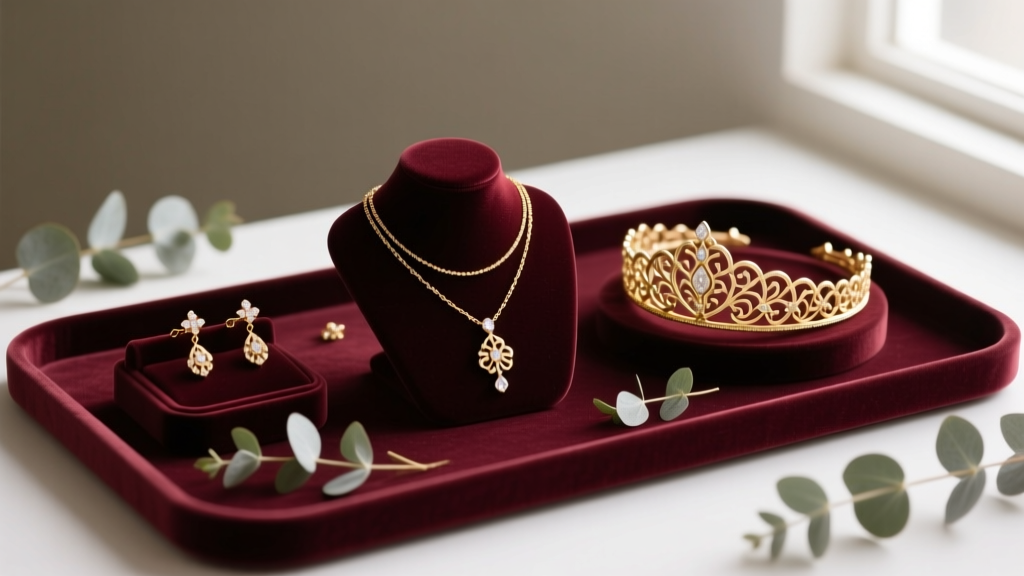
Learning how to make jewelry to sell profitably requires more than just mastering wire wrapping or bead stringing; it demands a deep understanding of consumer psychology, specifically the emotional drivers behind gift-giving. As we navigate the 2026 retail landscape, buyers are increasingly moving away from generic, mass-produced trinkets. Instead, they are seeking occasion-specific, meaningful pieces that feel bespoke yet remain accessible. Whether you are stocking your Etsy shop or preparing for local artisan markets, aligning your production schedule with high-demand gifting occasions is the most reliable way to scale your handmade jewelry business.
This comprehensive guide breaks down the technical specifications, material grades, and pricing strategies you need to design jewelry specifically for weddings, graduations, and seasonal holidays. By matching your technical output to the buyer's emotional intent, you transform your craft into a highly lucrative, occasion-driven enterprise.
The Economics of Occasion-Based Jewelry Sales
When consumers purchase jewelry as a gift, their price sensitivity drops significantly, but their expectations for durability and presentation skyrocket. According to recent market analyses featured in the Etsy Seller Handbook, occasion-based searches (e.g., 'bridesmaid gifts', 'graduation keepsakes') convert at a much higher rate than generic jewelry searches. However, this also means your pieces must withstand the rigors of shipping, unboxing, and long-term storage without tarnishing or breaking.
To succeed, you must upgrade your baseline materials. The days of using cheap brass or low-grade plated wire for gift jewelry are over. In 2026, informed buyers actively check product descriptions for metal purity. Understanding the difference between 14/20 gold-filled and heavy gold vermeil, or knowing when to deploy Argentium silver over standard sterling, is what separates amateur hobbyists from professional jewelers.
Bridal and Wedding Party: High-Margin Heirlooms
The wedding market remains the most lucrative sector for independent jewelers. Bridesmaids, mothers of the bride, and even the brides themselves are seeking elegant, cohesive, yet personalized pieces. The key technical challenge here is creating delicate-looking jewelry that possesses high structural integrity.
Material Selection: 14/20 Gold-Filled Wire
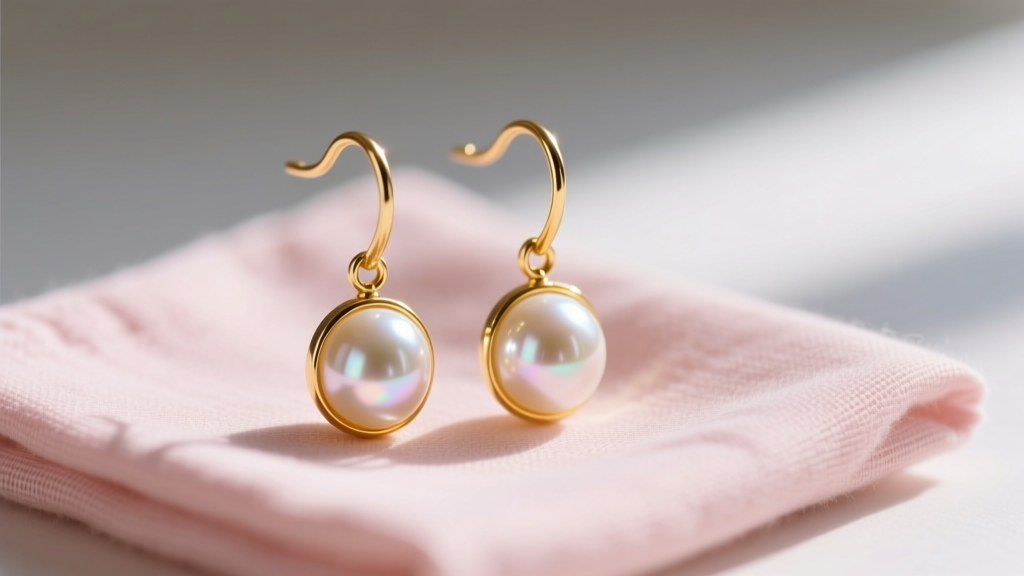
For bridal jewelry, 14/20 gold-filled wire is your best investment. Unlike gold-plated wire, which has a microscopic layer of gold that flakes off over time, 14/20 gold-filled wire contains a solid layer of 14k gold that makes up exactly 5% (or 1/20) of the total weight of the metal. This ensures the piece will not tarnish or rub off, even with frequent wear during wedding events.
Technical Execution: Wire Hardness and Gauges
When sourcing wire from reputable suppliers like Rio Grande, you must pay attention to 'hardness'. For bridal ear wires and delicate jump rings, always use half-hard wire. Dead soft wire is too malleable and will easily bend out of shape when the wearer puts it on, leading to returns and negative reviews. Use 20-gauge half-hard wire for standard ear wires, and 22-gauge half-hard for intricate wire-wrapping around delicate freshwater pearls or briolettes.
Pricing Strategy for Bridal Sets
Bridal jewelry should be priced using a premium multiplier due to the emotional weight and custom packaging required. If your Cost of Goods Sold (COGS) for a set of gold-filled pearl drop earrings is $8, your wholesale price should be $32, and your direct-to-consumer retail price should sit comfortably between $65 and $85, positioning it as an affordable luxury gift.
Graduation and Milestones: Tarnish-Resistant Sentiment
Graduation gifts, milestone birthdays, and anniversary keepsakes often involve personalized elements like initial stamping or birthstones. The primary failure mode in this category is tarnish. A graduation necklace gifted in May might not be worn until a special event in November; if it turns black in the box, the gifter is embarrassed, and your brand reputation suffers.
The Argentium Silver Advantage
Standard 925 sterling silver contains 7.5% copper, which reacts with sulfur in the air to create tarnish. For milestone gifts, upgrade to Argentium Silver (935 or 960). Argentium replaces some of the copper with germanium, which forms a transparent, self-regenerating oxide layer that makes the metal highly tarnish-resistant. It costs roughly 15-20% more than sterling, but the reduction in customer complaints and the ability to market it as 'tarnish-resistant' easily justifies the margin.
Stamping Blank Specifications
If you are metal stamping initials or dates, the gauge of your blank is critical. Avoid 24-gauge blanks for keychains or heavy pendants; they will warp and bend under the force of a brass stamping hammer. Use 22-gauge or 20-gauge blanks for structural stability. Always anneal your wire or blanks if you need to bend them after stamping to prevent stress fractures.
Strategic Production Matrix for 2026
To streamline your workflow, use this matrix to plan your seasonal production runs. This ensures you are allocating your time and capital to the right materials for the right occasions.
| Occasion | Recommended Metal | Wire Gauge / Hardness | Target Retail Price | Production Focus |
|---|---|---|---|---|
| Bridal / Bridesmaids | 14/20 Gold-Filled, Niobium | 20g Half-Hard (Ear wires) | $65 - $95 | Delicate wire wrapping, pearls |
| Graduation / Milestones | Argentium Silver 935 | 22g Dead Soft (Stamping) | $45 - $75 | Metal stamping, birthstones |
| Holiday / Seasonal | 316L Stainless, Brass | 18g Half-Hard (Jump rings) | $25 - $45 | Modular assembly, chainmail |
| Valentine's / Romance | Rose Gold-Filled, Copper | 24g Dead Soft (Weaving) | $50 - $80 | Intricate woven wire, garnets |
Holiday Gifting: Scaling with Modular Design
The winter holiday season demands volume. Learning how to make jewelry to sell in high quantities without sacrificing quality requires a modular design approach. Instead of building each piece from scratch, create standardized components that can be mixed and matched.
Mastering the Jump Ring
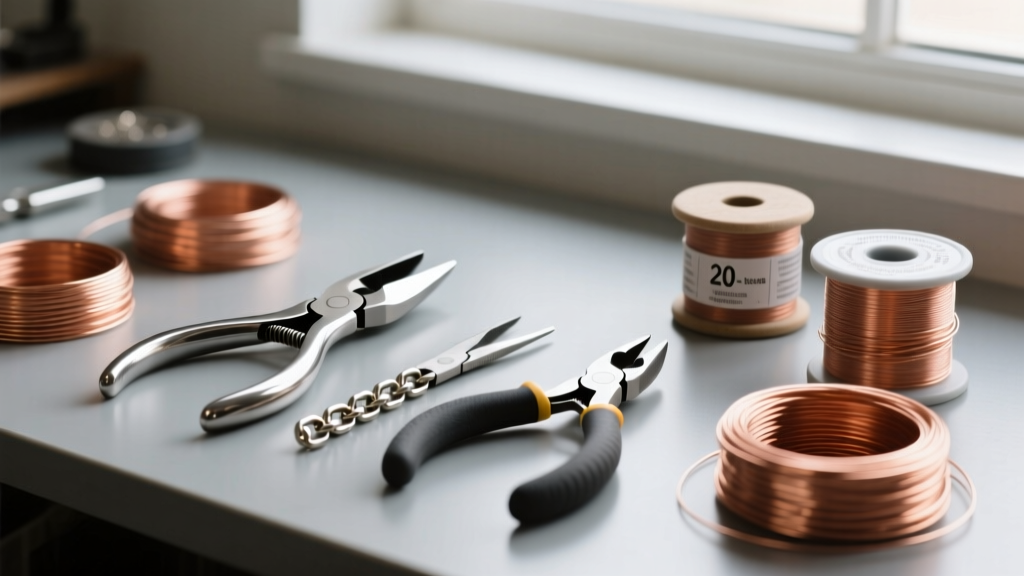
The most common point of failure in high-volume holiday jewelry is the jump ring. When connecting charms to chains or assembling chainmaille bracelets, never use jump rings that are too thin. A standard 5mm outer diameter (OD) jump ring should be made from 18-gauge or 19-gauge wire. Thinner gauges (like 22g) will easily pull apart under the tension of a heavy pendant. Furthermore, always use two pairs of pliers to open jump rings with a twisting motion (torsion) rather than pulling them apart sideways (shear), which permanently distorts the circle and weakens the metal.
Work Hardening for Durability
Any wire that you bend into a clasp, ear wire, or structural frame must be work-hardened. You can achieve this by tumbling your finished pieces in a rotary tumbler with stainless steel shot and a drop of burnishing compound for 45 minutes. This not only hardens the wire to prevent bending but also gives gold-filled and silver components a brilliant, professional polish that mimics high-end retail finishes.
Packaging and Presentation for Retail Readiness
In the occasion-gift market, the unboxing experience is 50% of the product's perceived value. A beautifully crafted Argentium silver necklace tossed into a cheap plastic ziplock bag will feel like a $10 item. Conversely, that same necklace presented in a rigid setup box with a velvet insert feels like a $75 heirloom.
- Anti-Tarnish Protection: Always include a 3M anti-tarnish strip or use Pacific Silvercloth pouches for silver items. This is a non-negotiable step for gift jewelry that may sit in a drawer for months before being worn.
- Rigid Boxes: Invest in two-piece rigid boxes (base and lid) rather than flimsy folding cartons. The tactile weight of the box subconsciously signals quality to the gift recipient.
- Polishing Cloths: Include a small, branded microfiber or treated polishing cloth. It adds less than $0.50 to your COGS but drastically elevates the perceived care and professionalism of your brand.
Troubleshooting Common Production Failures
Even experienced makers encounter technical hurdles when scaling production. Here are two common failure modes and their solutions:
1. Bead Drilling Incompatibility
You source beautiful gemstone briolettes for a bridal line, but your 20-gauge wire won't fit through the hole. Solution: Always keep a set of diamond-coated bead reamers on your bench. Alternatively, design a 'wrapped loop' using 24-gauge dead soft wire to attach the briolette to the main 20-gauge structural frame, ensuring a secure, professional connection without risking cracked stones.
2. Clasp Slippage on Chain Necklaces
Lobster clasps frequently slip off if the jump ring on the opposite end of the chain is too small or poorly soldered. Solution: Use a custom-soldered closed ring or a heavy-duty 16-gauge jump ring for the catch end. If you do not have a torch for soldering, use a tightly wrapped wire-guard or a crimp cover to secure a thick, structural ring that the lobster clasp can easily and securely grip.
By treating your jewelry making not just as an art, but as a strategic response to consumer gifting needs, you position your brand for sustainable growth. Master your materials, respect the engineering of your wire, and package your work with the reverence that occasion-gifters demand.