2026 Gift Guide: Making Jewelry Out of Ashes for Loved Ones
Learn the art of making jewelry out of ashes. This 2026 gift guide covers resin techniques, safety protocols, and occasion matching for memorial gifts.

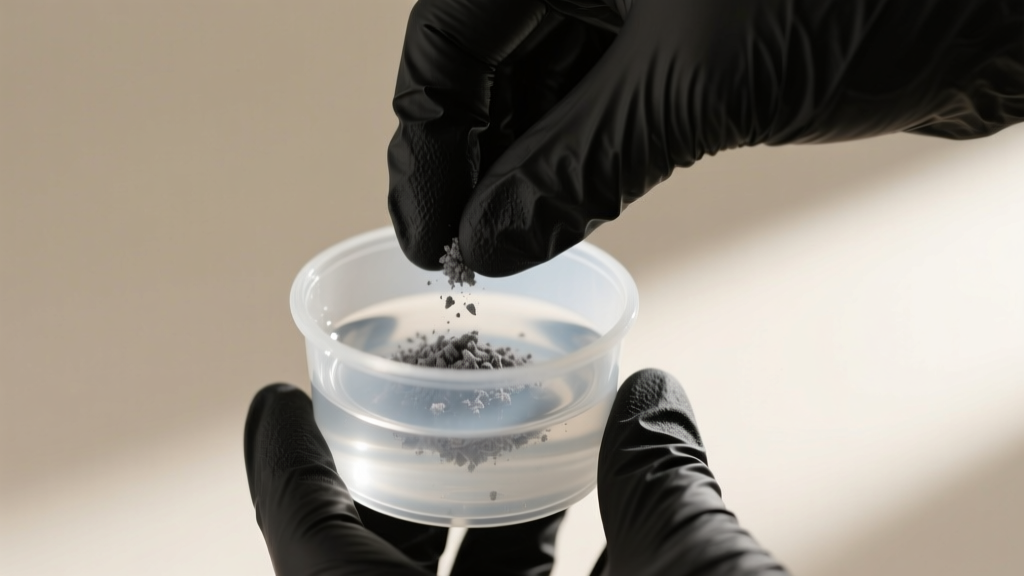
In the landscape of modern bereavement and remembrance, the act of making jewelry out of ashes has evolved from a niche service into a profoundly meaningful DIY practice. As we navigate 2026, the desire to keep loved ones—both human and animal—close has driven a surge in artisanal memorial jewelry. According to the Cremation Association of North America (CANA), cremation rates continue to climb, and families are increasingly seeking tangible, personalized ways to honor those they have lost. Gifting a piece of memorial jewelry is not merely about presenting an accessory; it is about offering a physical anchor for grief, love, and memory.
However, working with cremains requires a delicate balance of emotional sensitivity and rigorous material science. This comprehensive guide will walk you through the technical protocols, safety requirements, and occasion-matching strategies necessary to craft and gift memorial jewelry with the respect and expertise it demands.
The Chemistry of Cremains: What You Are Actually Working With
Before opening a single vial, a DIY jeweler must understand the material they are handling. Cremated remains are not simply 'ash' in the way a campfire leaves behind carbon. They are primarily composed of calcium phosphate, with trace amounts of sodium, potassium, and silica. It is the silica content that poses the most significant technical and health challenge for the jewelry maker.
Silica dust, when inhaled, can cause severe respiratory issues over time. Therefore, treating cremains with the same safety protocols as lapidary dust or glass fusing powder is non-negotiable. Furthermore, the alkaline nature of calcium phosphate can sometimes interfere with the curing process of certain cheap resins, causing a cloudy or 'milky' reaction if the ashes are not properly prepared and sealed. Understanding this chemistry is the first step in ensuring the final piece is both safe to create and visually stunning.
Essential Safety & Preparation Protocol
Preparing the ashes for encapsulation is arguably the most critical phase of the process. Raw cremains are often coarse, containing bone fragments that will not suspend properly in resin or fit into delicate glass vials. Follow this strict preparation protocol:
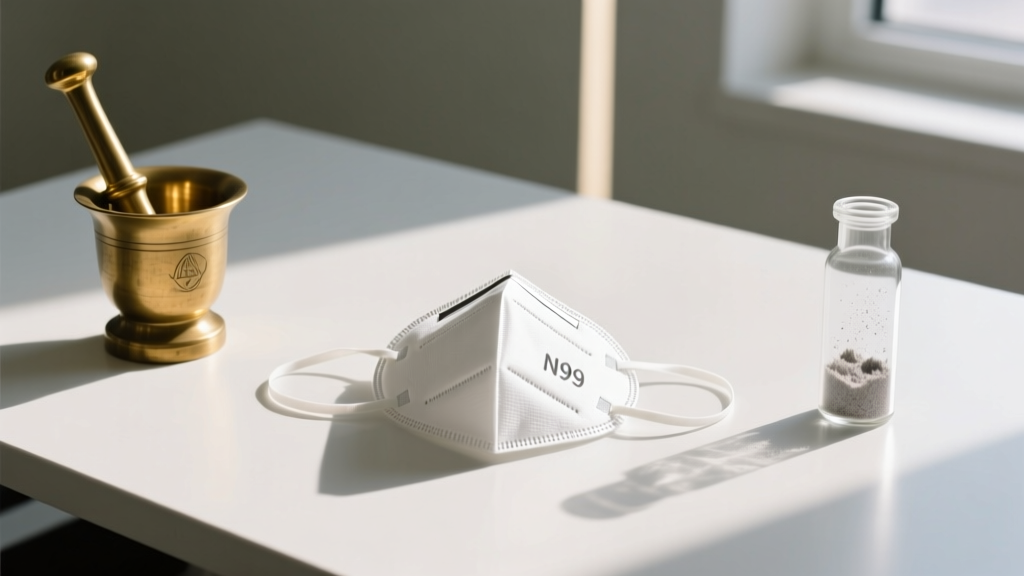
- Respiratory Protection: Always wear a properly fitted P100 or N95 respirator. Refer to the NIOSH silica guidelines for proper handling of fine particulate matter. Work in a well-ventilated area or use a localized dust extraction system.
- Crushing and Grinding: Use a dedicated brass or agate mortar and pestle. Never use plastic, as it can create static that causes the fine dust to cling and scatter. Gently grind the coarse fragments into a fine powder.
- Sifting: Pass the ground material through a 100-mesh stainless steel sieve. This yields a soft, snow-like consistency that will suspend beautifully in resin without sinking heavily to the bottom of the bezel.
- Storage: Store the sifted ashes in an airtight glass vial with a silicone gasket to prevent moisture absorption, which can ruin resin cures later on.
Resin Selection & Encapsulation Techniques
When making jewelry out of ashes, the encapsulation medium dictates the longevity of the piece. While UV resin offers a quick cure time, it is generally unsuitable for memorial pieces due to its tendency to yellow and shrink over time. For heirloom-quality gifts, a high-grade, non-toxic epoxy resin with built-in UV stabilizers and HALS (Hindered Amine Light Stabilizers) is mandatory. Brands like ArtResin are industry standards; their ArtResin FAQ provides excellent data on long-term clarity and non-toxic curing profiles.
The Layering Method: Preventing the 'Sink' Effect
A common failure mode for beginners is the 'sink' effect, where the ashes settle at the very bottom of the bezel, leaving a layer of clear resin on top and a dense, muddy layer at the base. To achieve a beautiful, three-dimensional suspension, use the layering method:
- The Base Layer: Pour a thin layer of pure, unadulterated resin into your sterling silver or gold-filled bezel tray. Allow it to cure to a tacky, gel-like state (usually 4-6 hours, depending on ambient temperature).
- The Ash Layer: Mix your sifted ashes into a small batch of resin. The golden rule for volume ratios is 5% to 8% ash-to-resin. Exceeding 10% compromises the structural integrity of the epoxy, leading to cracking. Using a fine micro-spatula, place small dabs of the ash-resin mixture onto the tacky base layer.
- The Dome Layer: Once the ash layer is fully cured, pour a final layer of clear resin to create a domed, glass-like finish. Use a butane torch or a heat gun on a low setting to pop any micro-bubbles that rise to the surface.
Occasion & Recipient Matching Matrix
Memorial jewelry is a deeply intimate gift. Matching the style, material, and presentation to the specific occasion and recipient is vital to ensure the gift is received as a comfort rather than an overwhelming reminder of loss.
| Occasion | Recipient Profile | Recommended Jewelry Type | Material & Design Choice |
|---|---|---|---|
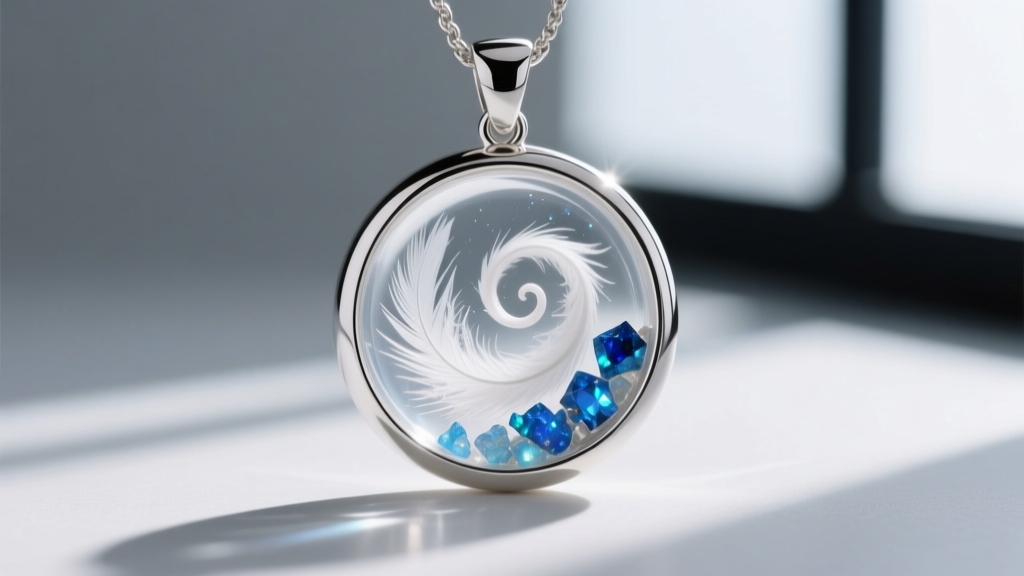
| First Holiday After Passing | Immediate Family (Spouse/Parent) | Pendant Necklace | Sterling silver bezel with subtle ash swirl and crushed birthstone; worn close to the heart. |
| Pet Loss Anniversary | Close Friend or Sibling | Adjustable Ring or Cuff | Gold-filled wire wrap incorporating a small glass vial of ashes; durable for daily wear. |
| End-of-Life Celebration | Adult Children of the Deceased | Matching Bracelet Set | Minimalist resin studs or small bar pendants; allows siblings to share a unified, subtle tribute. |
| Personal Healing / Self-Gift | The Creator / Griever | Statement Ring or Orb | Large silicone mold casting with high ash concentration, layered with metallic leafing. |
Alternative Mediums: Kiln-Fired Glass & Silver Clay
While epoxy resin is the most accessible medium for DIYers, advanced makers in 2026 are increasingly exploring alternative encapsulation methods for a more premium gifting tier. Kiln-fired glass fusing involves encapsulating the ashes between layers of dichroic or clear fusible glass, firing it in a kiln at approximately 1450°F. The extreme heat alters the chemical composition of the ashes, often turning them a brilliant, opaque white or soft yellow, which contrasts beautifully against colored glass frit.
Another exceptional method is using Precious Metal Clay (PMC). By creating a hollow cavity in silver clay, inserting a pinch of ashes, and sealing it before torch-firing, the organic binders burn away, leaving a solid silver piece with the ashes permanently sealed inside a metal core. This method is ideal for recipients who work with their hands and require jewelry that can withstand the wear-and-tear that resin cannot.
Gifting Etiquette: Presentation & Documentation
When you are making jewelry out of ashes as a gift, the presentation is just as critical as the craftsmanship. You are handing someone a physical manifestation of their grief and love. Never hand over the piece in a standard, generic jewelry box without context.
'The weight of a memorial gift lies not in the carat or the metal, but in the intention of its creation. Always provide a narrative alongside the piece.'
Include a Certificate of Authenticity and Origin. This document should detail the date the piece was created, the specific materials used (e.g., '14k gold-filled bezel, ArtResin epoxy, 100-mesh sifted cremains'), and care instructions. Advise the recipient to remove resin-based pieces before swimming in chlorinated pools, applying heavy lotions, or exposing the jewelry to prolonged, direct UV sunlight to prevent premature yellowing. By providing this documentation, you elevate the piece from a simple craft project to a respected, archival family heirloom.


