Rio Grande Jewelry Supplies: 2026 Budget & Value Guide
Is the premium worth it? Our 2026 budget assessment of Rio Grande jewelry supplies breaks down real costs, tool durability, and metal purity.

The Dilemma of the Modern Jeweler's Bench
For anyone transitioning from a casual hobbyist to a serious jewelry maker, the question of where to source materials is a critical bottleneck. In 2026, the market is flooded with ultra-cheap marketplaces offering seemingly identical tools and metals at a fraction of the cost of industry giants. Yet, professional jewelers and advanced DIYers consistently return to Rio Grande jewelry supplies. But is this loyalty justified by actual value, or is it merely brand inertia? When you are operating on a strict budget, dropping $80 on a pair of flush cutters or paying a premium per troy ounce for precious metals requires a rigorous cost-benefit analysis.
This comprehensive budget and value assessment dissects the real-world economics of buying from Rio Grande versus generic alternatives. We will examine metallurgical consistency, tool fatigue, hidden failure costs, and strategic purchasing frameworks to help you decide exactly where your money should go.
The Hidden Tax of 'Cheap' Jewelry Supplies
When sourcing from unverified third-party sellers on massive e-commerce platforms, the initial savings are immediately apparent. A spool of '925 sterling silver' wire might cost 40% less than comparable Rio Grande jewelry supplies. However, the hidden tax of cheap materials manifests in failure modes that drain both your time and your wallet.
- Alloy Inconsistency: Generic sterling wire often suffers from improper annealing or zinc depletion. When you attempt to wire-wrap or forge a cheap ring shank, the metal may micro-fracture or snap entirely due to uneven grain structure.
- Nickel Contamination: Budget 'white gold' or 'silver-plated' findings frequently contain undeclared nickel. This leads to severe allergic reactions for your clients, resulting in returns and reputational damage.
- Tool Pinching: Cheap flush cutters do not meet at the blade edge perfectly. They leave a 'pinch' or a sharp burr on your wire, forcing you to spend extra time filing and sanding every single cut.
'Time spent fixing a bad cut or re-soldering a pitted joint is time you are not making jewelry. The true cost of a tool is its cost per flawless cut, not its sticker price.' — Master Bench Jeweler
Rio Grande Jewelry Supplies: 2026 Pricing Breakdown
To accurately assess value, we must compare exact categories. Below is a 2026 market comparison between Rio Grande and generic marketplace averages for essential bench items. Note that precious metal prices fluctuate with the spot market, but the premiums and manufacturing tolerances remain consistent.
| Item Category | Rio Grande Cost (Approx.) | Generic Marketplace Cost | Value Verdict & Failure Risk |
|---|---|---|---|
| 20ga Dead Soft .925 Wire (1 ozt) | $42.00 + Spot | $22.00 - $28.00 | Rio. Generic wire often lacks true dead-soft annealing, causing work-hardening cracks during tight wraps. |
| Tronex 5250 Flush Cutters | $78.50 | $12.00 - $18.00 | Rio. Tronex blades are heat-treated for longevity. Generic cutters dull within 50 cuts and leave sharp burrs. |
| Hard Silver Solder (1 dwt) | $14.50 | $7.00 - $9.00 | Rio. Generic solder often contains cadmium or has erratic flow temperatures, leading to pitted, brittle joints. |
| Argentium 935 Wire (1 ozt) | $48.00 + Spot | Rarely Available | Rio. Rio is a verified distributor of genuine Argentium, ensuring the germanium content is accurate for firescale resistance. |
Where the Premium is Non-Negotiable
Not all supplies warrant the Rio Grande premium, but certain categories demand absolute precision. When working with heat and structural integrity, cutting corners is financially disastrous.
Solder Grade Specifics and Flow Temperatures
Silver soldering requires a precise cascade of melting temperatures to build complex pieces without melting previous joints. According to metallurgical guidelines from Ganoksin, using improperly formulated solder can result in joints that fail during the pickling process or polish out unevenly. Rio Grande's cadmium-free solders offer reliable, tightly controlled flow points:
- Hard Solder: Flows at 1425°F (774°C). Used for the primary structural seams, such as sizing a ring band or closing a heavy bezel.
- Medium Solder: Flows at 1390°F (754°C). Ideal for secondary joints, like attaching a bail to a pendant or setting a jump ring.
- Easy Solder: Flows at 1325°F (718°C). Reserved for final, delicate attachments or repairing minor gaps where high heat would risk melting the piece.
Cheap solders often have overlapping flow temperatures, meaning your 'medium' solder might melt at the exact same time as your 'hard' solder, causing your entire piece to collapse into a molten lump on the soldering block.
Precision Hand Tools
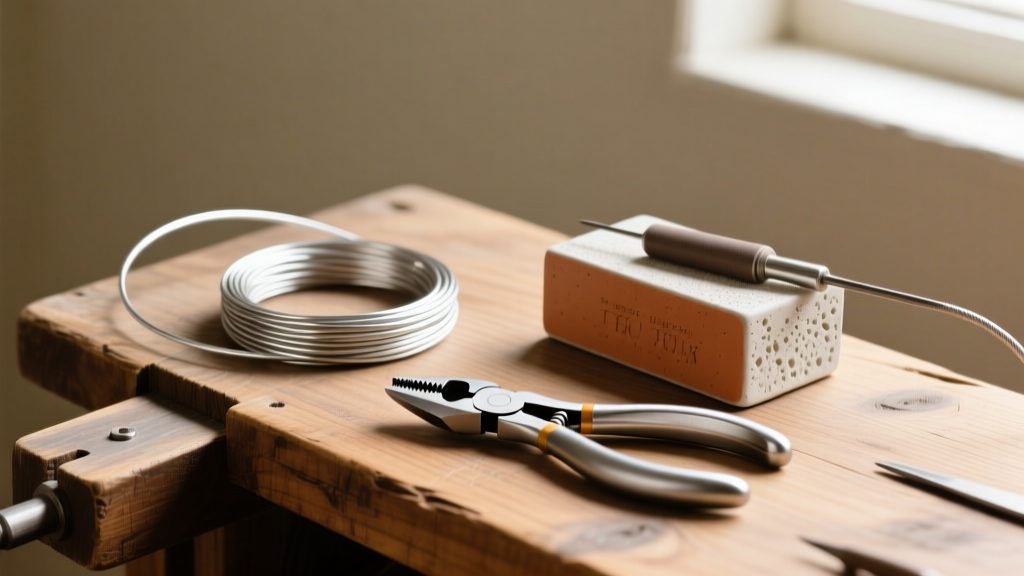
When evaluating the Rio Grande tool catalog, focus on brands like Tronex, Lindstrom, and GRS. A $78 pair of Tronex 5250 heavy-duty flush cutters will easily last a decade of daily use. The steel is hardened to a specific Rockwell scale that prevents the cutting edges from rolling over when snipping 16-gauge or 18-gauge wire. Generic cutters use soft steel that deforms, eventually tearing the wire rather than shearing it cleanly.
When to Bypass Rio Grande (Budget Hacks)
A smart budget assessment also involves knowing when *not* to buy from premium suppliers. You can significantly reduce your overhead by sourcing consumables and non-critical items elsewhere.
Consumables and Chemicals
Rio Grande sells excellent pickling compounds like Sparex #2, but it is essentially just sodium bisulfate. For a fraction of the cost, you can buy bulk sodium bisulfate from pool supply stores (sold as 'pH Down') or use a simple food-grade citric acid solution. Both work excellently for removing oxidation and flux residue after soldering, saving you $20 to $30 per batch.
Tumbling Media and Polishing
Stainless steel shot for rotary tumblers is heavily marked up by jewelry-specific suppliers. You can purchase identical stainless steel pin and ball media from industrial finishing suppliers or automotive detailing wholesalers for up to 50% less. The metal does not know the difference; it only responds to the friction and burnishing action.
Maximizing Tier Pricing and Scrap Credit
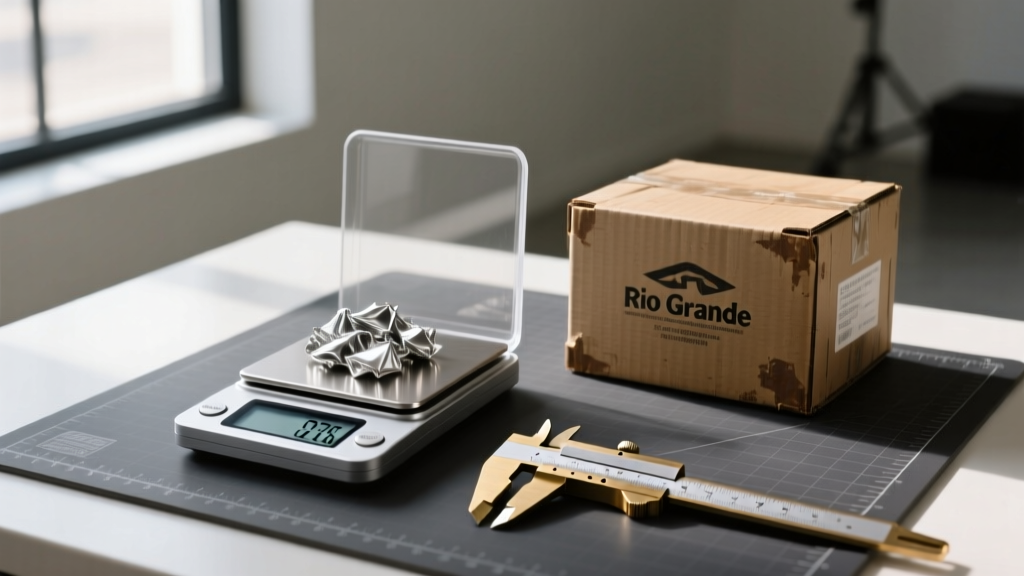
If you commit to buying precious metals from Rio Grande, you must understand their pricing structure to maximize your budget. They operate on a tiered pricing model based on the total troy ounce (ozt) weight of your order.
The Tier System
Buying a single 1-ounce spool of wire places you in the lowest, most expensive tier. By consolidating your orders and buying in the 5-9.9 ozt or 10-19.9 ozt tiers, the price per ounce drops significantly. For high-volume production jewelers, buying a 50-ounce coil of dead soft wire and cutting it down to size on the bench can reduce material costs by over 15%.
The Scrap Credit Program
One of the most underutilized budget strategies is Rio Grande's scrap credit program. As you file, sand, and cut precious metals, you accumulate filings and clippings. Instead of throwing this away or selling it to a local pawn shop for pennies on the dollar, you can send your clean, sorted silver and gold scrap back to Rio. They refine it and apply the exact melt value as a credit to your account, effectively subsidizing your next wire or solder purchase. This closed-loop system is a massive financial advantage for high-volume fabricators.
Final Verdict: Is the Investment Worth It?
For the beginner making their first few beaded bracelets or simple wire-wrapped pendants, the premium of Rio Grande jewelry supplies might be overkill. Generic copper wire and basic Amazon tools are sufficient for learning the physical mechanics of the craft. However, the moment you introduce heat, precious metals, and client expectations into your workflow, the value proposition flips entirely.
In 2026, the true cost of jewelry making is not just the raw materials; it is the cost of your time, your reputation, and your bench frustration. Rio Grande justifies its premium through guaranteed alloy purity, precise solder formulations, and tools that actually perform as engineered. By strategically mixing Rio's premium metals and tools with budget-friendly consumables, you can build a highly efficient, professional-grade bench without bankrupting your studio.