How Long Does Permanent Jewelry Last? 2026 Durability Guide
Discover how long permanent jewelry lasts in 2026. We analyze material grades, weld integrity, and gauge sizes to determine true lifespan and trends.

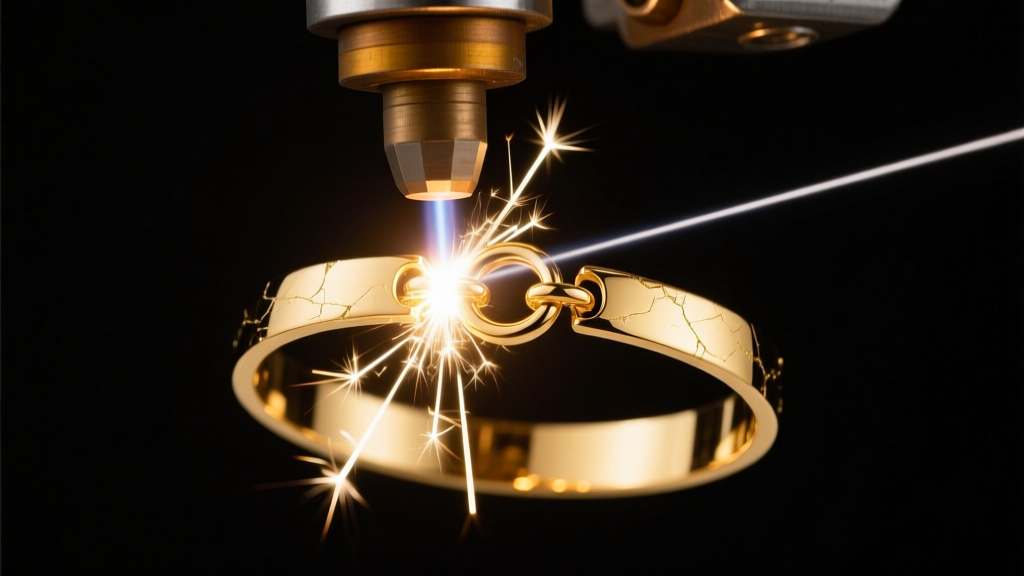
The Evolution of Permanence: 2026 Trend Overview
When the permanent jewelry trend first exploded, it was largely viewed as a fleeting festival fad or a temporary symbol of friendship. However, as we navigate the jewelry landscape in 2026, the cultural perception has fundamentally shifted. Consumers are no longer asking for a temporary accessory; they are investing in modern heirlooms. This shift brings up the most critical question for both wearers and DIY makers: how long does permanent jewelry last? The answer is not a simple number of years. It is a complex equation involving metallurgy, welding technology, gauge thickness, and lifestyle habits.
According to market analyses from leading jewelry suppliers like Rio Grande, the demand for high-karat, durable chain findings has surged by over 40% since 2023, signaling a consumer pivot toward 'buy it for life' (BIFL) accessories. In this comprehensive style and trend analysis, we will deconstruct the actual lifespan of permanent jewelry, examining the material science and structural integrity that dictate whether your welded bracelet will last six months or six decades.
Material Science: What Dictates the Lifespan?
The base metal is the primary determinant of longevity. In 2026, the market has bifurcated into two distinct tiers: 'fast-fashion' permanent jewelry and 'heirloom-grade' permanent jewelry. Understanding the Vickers hardness (HV) and tensile strength of these materials is essential for any maker or consumer.
14k vs. 18k Solid Gold: The Gold Standard
For permanent jewelry intended to last a lifetime (20+ years), solid gold is the undisputed champion. However, not all gold is created equal. 14k gold (58.3% pure gold) is alloyed with metals like silver, copper, and zinc. This specific alloy mix gives 14k gold a Vickers hardness of approximately 120-150 HV, making it highly resistant to stretching, scratching, and deformation. A well-welded 14k gold chain can easily last 30 to 50 years with minimal degradation.
Conversely, 18k gold (75% pure gold) is significantly softer, with a hardness rating closer to 100-120 HV. While it offers a richer, more saturated yellow hue that is highly trending in 2026 luxury markets, it is more prone to micro-scratches and chain stretch over time. An 18k permanent bracelet subjected to daily manual labor or gym wear may begin to show structural elongation within 5 to 10 years. According to the Gemological Institute of America (GIA), the higher the pure gold content, the more susceptible the metal is to mechanical wear and tear.
The Gold-Filled and Sterling Silver Reality
Gold-filled jewelry (typically stamped 1/20 14k GF) consists of a brass core mechanically bonded to a thin outer layer of 14k gold. While heavily marketed in pop-up permanent jewelry tents due to its accessible price point ($25 to $45 per bracelet), its lifespan is inherently limited. The friction of daily wear, combined with the acidic pH of human sweat, will eventually wear through the gold layer. Once the brass core is exposed, the chain will tarnish rapidly and turn the skin green. The realistic lifespan of a gold-filled permanent bracelet is 1 to 3 years before it requires replacement.
Sterling silver (.925) presents a different set of challenges. While it is a solid metal and will not flake like gold-filled alternatives, silver is highly susceptible to oxidation and has a lower tensile strength than work-hardened gold. Silver chains are notorious for snapping at the weld point if subjected to sudden kinetic force. Furthermore, silver requires regular polishing to maintain its aesthetic, making it a high-maintenance option for 'permanent' wear.
The Weakest Link: Weld Integrity and Gauge Sizes
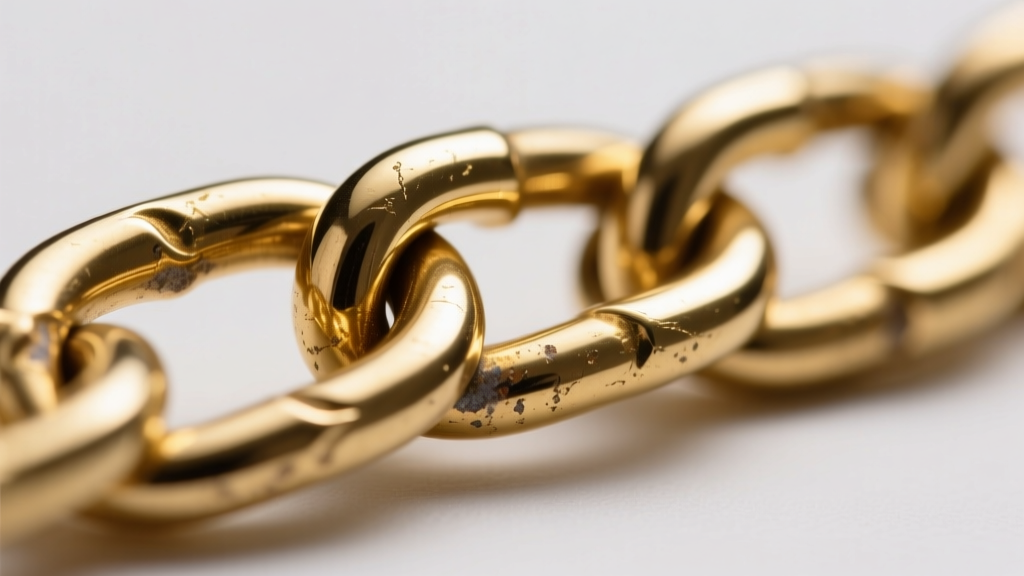
Even the most durable 14k gold chain will fail if the weld is compromised. The jump ring used to close the loop is the structural bottleneck of any permanent jewelry piece. In 2026, the industry standard has moved away from simple soldering toward advanced micro-welding techniques, but the physics of the weld pool remain heavily dependent on wire gauge.
| Wire Gauge | Millimeter Thickness | Best Use Case | Expected Weld Lifespan |
|---|---|---|---|
| 16 Gauge | 1.29 mm | Heavy Curb / Cuban Chains | Lifetime (30+ Years) |
| 18 Gauge | 1.02 mm | Standard Cable / Rope Chains | Lifetime (20-30 Years) |
| 20 Gauge | 0.81 mm | Delicate / Minimalist Chains | 5-15 Years (Snag Risk) |
| 22 Gauge | 0.64 mm | Ultra-Fine Layering Pieces | 1-5 Years (High Breakage) |
The 18-gauge (1.02mm) jump ring remains the sweet spot for DIY makers and professional studios alike. It provides enough metal mass to create a stable, penetrating weld pool without looking bulky on delicate chains. When using 20-gauge or 22-gauge wire, the welder must use extremely low pulse settings; otherwise, the intense heat will vaporize the thin wire, creating a brittle, porous weld that will snap under minimal tension.
Laser vs. Argon Arc Welding
The technology used to fuse the jump ring drastically impacts longevity. Pulse arc welders (like the popular Orion models) use an electrical arc to melt the metal. While excellent for 14k gold, pulse arc welding can struggle with highly reflective metals like sterling silver or 18k gold, often resulting in shallow penetration. Laser welders, which have become more accessible to boutique studios by 2026, use focused light to achieve deep, precise penetration with a minimal heat-affected zone (HAZ). A laser-welded jump ring on a sterling silver chain will possess significantly higher tensile strength and fatigue resistance than an arc-welded counterpart.
Lifestyle Factors and Hidden Failure Modes
Assuming the material is solid gold and the weld is flawless, environmental and lifestyle factors become the primary variables in answering how long permanent jewelry lasts. The most insidious of these is a phenomenon known as Chlorine Stress Corrosion Cracking (CSCC).
Chlorine Stress Corrosion Cracking occurs when the alloy metals in karat gold (specifically copper and silver) react with chlorine. This creates microscopic fissures along the grain boundaries of the metal, leading to sudden, catastrophic chain failure without any prior visible stretching or warning.
Wearers who frequently enter chlorinated swimming pools or hot tubs without removing their permanent jewelry (which, by definition, is not meant to be removed) are at a high risk for CSCC. Over a period of 2 to 5 years, the cumulative exposure will degrade the structural integrity of the jump ring and the chain links, causing the piece to snap unexpectedly.
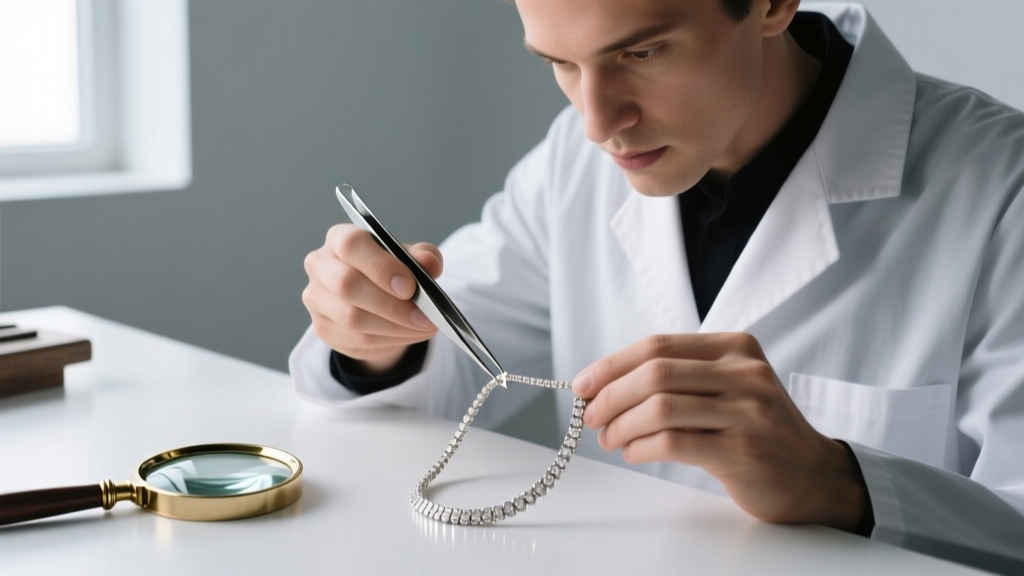
Beyond chemical exposure, mechanical snagging remains the number one cause of permanent jewelry failure. Delicate 20-gauge and 22-gauge chains, which are heavily trending for their 'barely there' aesthetic, simply do not possess the tensile strength to withstand the kinetic energy of a sweater catching on a link. When a chain snags, the force is usually concentrated at the weld point or the two links immediately adjacent to it. Makers in 2026 are increasingly advising clients that choosing a micro-chain means accepting a 'breakage warranty' mindset, where repairs are an expected part of the ownership experience.
The Rise of the Repair Economy
Because no jewelry is truly indestructible, the 2026 trend analysis reveals a massive boom in the 'repair economy.' Top-tier permanent jewelry studios no longer just sell the initial weld; they sell lifetime maintenance packages. Understanding how long permanent jewelry lasts means accepting that 'permanent' refers to the intent of the wearer, not the invincibility of the metal.
For DIY makers entering this space, investing in a high-quality argon gas shield and a precision laser welder is non-negotiable if you want to offer repair services. Being able to re-weld a snapped 18-gauge 14k gold chain without melting the surrounding links requires immense technical skill and the right equipment. Ultimately, the lifespan of permanent jewelry is a partnership between the maker's technical execution and the wearer's environmental awareness. Choose 14k solid gold, stick to 18-gauge findings, avoid hot tubs, and your permanent jewelry will comfortably outlast the trends that birthed it.


