Most Profitable Jewelry to Make and Sell: 2026 Guide
Discover the most profitable jewelry to make and sell in 2026. Our buying guide covers high-margin materials, essential tools, and pricing strategies.

The landscape of independent jewelry design has shifted dramatically. With precious metal prices reaching historic highs in 2026, the traditional approach of sourcing solid gold or sterling silver for entry-level collections is squeezing indie makers' profit margins. When evaluating the best jewelry to make and sell, you must look beyond aesthetics and focus on material science, production efficiency, and perceived value. This buying guide breaks down exactly what to source, what tools to invest in, and how to structure your pricing for maximum profitability.
The Economics: Calculating True Margins
Before sourcing a single bead or wire spool, you must establish a pricing framework. The most common failure mode for new makers is underpricing based on a simple multiplier. In 2026, a sustainable pricing formula for the jewelry to make and sell market is: (Materials + Labor + Overhead) x 2 = Wholesale Price. Wholesale x 2 = Retail Price.
Overhead includes packaging, booth fees, Etsy transaction fees (currently 6.5% plus listing fees), and marketing. If your material cost is $4.00 and you spend 15 minutes making a piece (valuing your labor at $20/hour, or $5.00), your base cost is $9.00. Add $1.50 for packaging and overhead, and your true cost is $10.50. Your wholesale price should be $21.00, and your retail price $42.00. Selling this piece for $18.00 guarantees a slow business death.
High-Margin Materials to Source in 2026
To hit those retail price points while keeping material costs low, you need materials that offer the look and durability of fine jewelry without the solid-gold price tag. According to the Federal Trade Commission, strict guidelines govern how jewelry metals are labeled, making it vital to source correctly to avoid legal pitfalls.
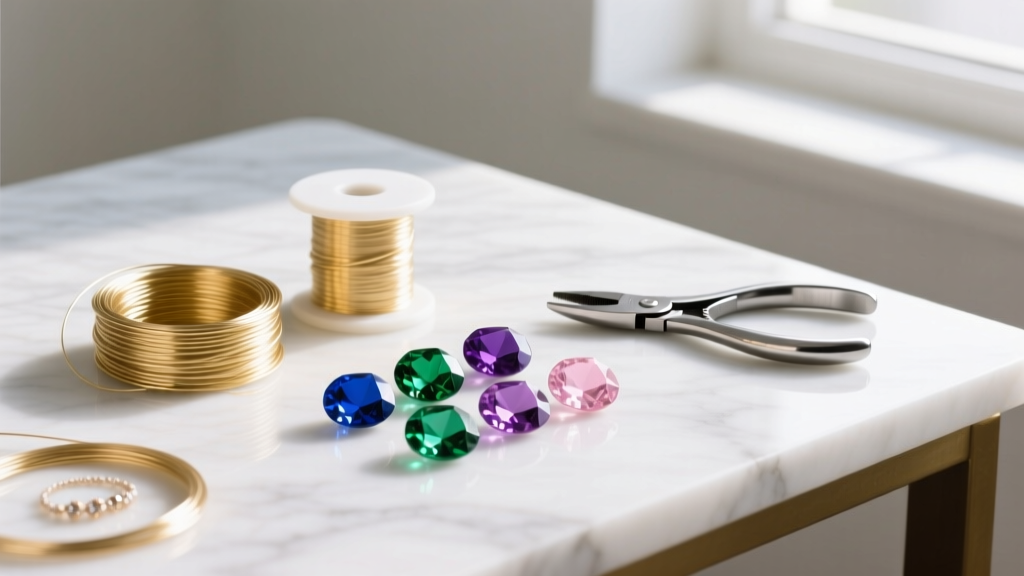
1/20 14k Gold-Filled (GF) Wire and Findings
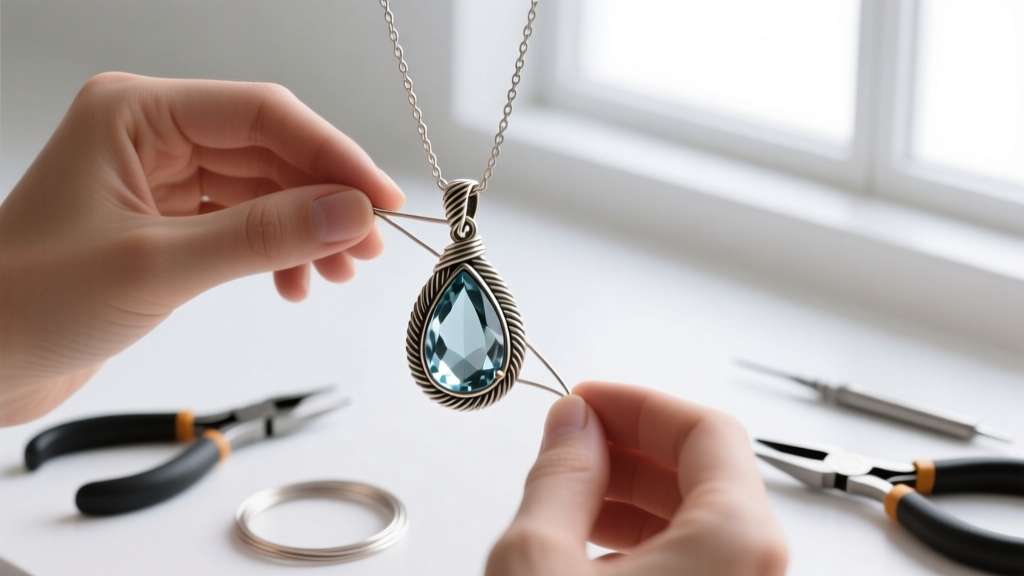
Gold-filled is the undisputed king of profitable indie jewelry. Unlike gold-plated items (which feature a microscopic flash of gold that rubs off in weeks), gold-filled wire consists of a brass or copper core mechanically bonded with a thick outer layer of 14k gold. By industry standards, the gold must constitute at least 1/20th (5%) of the total weight of the item. As noted by wholesale experts at Halstead Bead, 14/20 gold-filled wire can be forged, hammered, and lightly soldered without exposing the core, making it ideal for wire-wrapped pendants and permanent jewelry.
Niobium for Hypoallergenic Ear Wires
Allergies to nickel and copper are a primary driver of customer returns. Niobium is a highly reactive, hypoallergenic metal that can be anodized into vibrant colors using a simple battery setup. Sourcing 20-gauge niobium wire for ear wires costs roughly $0.45 per pair but allows you to market your pieces as '100% Nickel-Free and Hypoallergenic,' a massive selling point that justifies a $35+ retail price for simple gemstone drops.
| Material Category | Avg. Cost Per Unit | Target Retail Price | Gross Margin % |
|---|---|---|---|
| 14k Gold-Filled Wire (20g, 1ft) | $2.50 | $38.00 | 93% |
| Anodized Niobium Ear Wires | $0.45 | $14.00 | 96% |
| Sterling Silver Cable Chain (18in) | $4.10 | $45.00 | 90% |
| Recycled Glass Beads (Strand) | $6.00 | $52.00 | 88% |
Essential Tooling for Production-Level Output
When scaling the jewelry to make and sell, hand fatigue and material marring are your biggest bottlenecks. Cheap hardware-store pliers will dent your gold-filled wire and cause carpal tunnel syndrome during production runs.
Ergonomic Precision Pliers
Invest in Lapidary-grade or precision electronics pliers. Brands like Lindstrom and Tronex offer ergonomic handles and perfectly aligned, smooth jaws. A Tronex 542 (chain nose) and a Lindstrom 8141 (flush cutter) will cost around $120 combined, but they will last a decade and eliminate the 'tool marks' that amateur makers leave on their wire wraps, instantly elevating your perceived quality.
Pulse Arc Welders for Permanent Jewelry
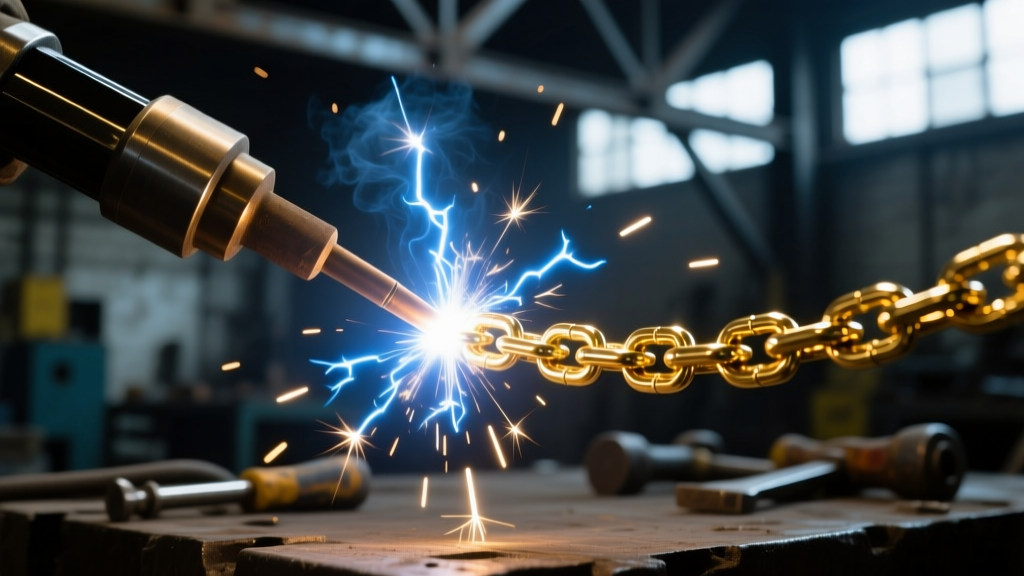
Permanent jewelry remains a massive trend in 2026, offering high hourly margins. Instead of using a butane torch (which requires flux, pickle, and solder, and risks melting delicate chains), professional makers use pulse arc welders. The Orion mPulse series by Sunstone Welders uses a microscopic electrical spark to fuse metal link-to-link in milliseconds. While the initial investment is roughly $1,200, a single weekend pop-up event welding $50 bracelets can pay for the machine in 48 hours.
Sizing & Inventory Risk: The Hidden Costs
One of the most critical aspects of choosing what jewelry to make and sell is managing inventory risk. Rings and fitted bracelets carry high 'dead stock' risk because you must stock 15+ sizes to serve the general public.
Pro-Tip: In 2026, the most profitable makers design around adjustability. Use 2-inch gold-filled extender chains on necklaces and bracelets, and focus heavily on wrap rings or tension bands that can accommodate a 2-size variance. This reduces your required SKU count by up to 70%, freeing up capital for marketing.
If you must sell rings, source high-quality plastic ring sizers to mail to customers before shipping custom pieces, or invest in a digital ring-sizing app integration for your Shopify store to reduce return rates, which currently average 12% for online jewelry sales.
Sourcing Red Flags & Material Failures
Not all wholesale suppliers are created equal. When buying materials to support your jewelry to make and sell business, watch out for these common supplier traps:
- The 'Gold Plated' Bait-and-Switch: Some overseas suppliers label items as 'gold-filled' when they are merely heavily plated. Always request a cross-section certificate or test the specific gravity and acid reactivity of your first batch. If the gold layer is less than 1/20th of the weight, it is not legally gold-filled in the US.
- Brass-Core vs. Copper-Core GF: For wire wrapping, copper-core gold-filled is vastly superior. Brass-core is stiffer and prone to snapping when bent at sharp 90-degree angles during intricate weaving.
- Lead in Pewter Charms: Always demand a RoHS compliance certificate from charm manufacturers. Selling jewelry with lead content above state and federal limits can result in catastrophic fines.
Packaging Sourcing: Elevating the Unboxing
The unboxing experience is the only physical touchpoint your online customer has with your brand. Sourcing cheap, tarnish-prone velvet pouches from mass marketplaces will result in tarnished metal reaching the customer and negative reviews.
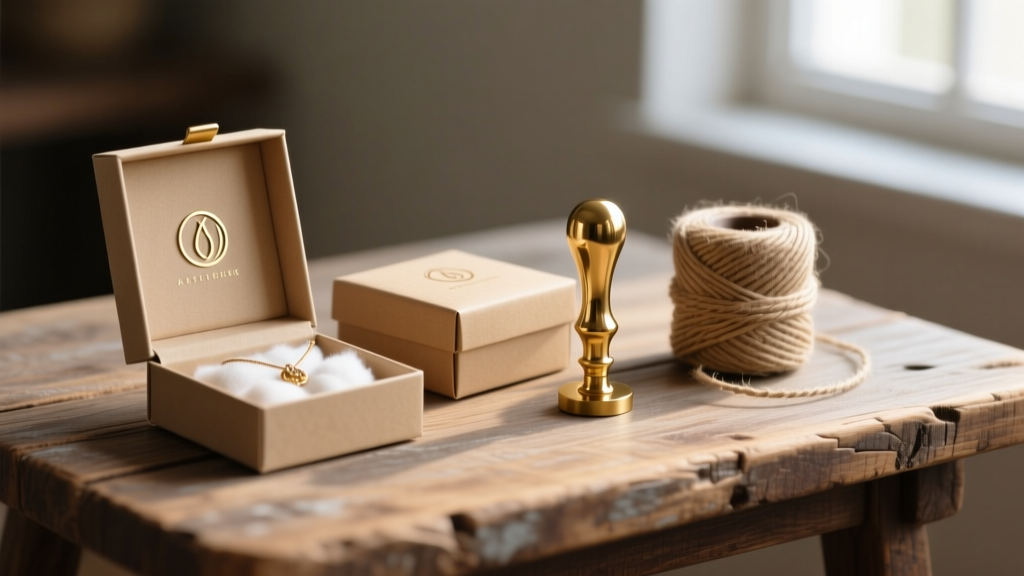
Instead, source anti-tarnish treated cotton inserts. Companies like Pacific Jewelry Display offer treated flannel that absorbs sulfur in the air, keeping silver and copper alloys bright during transit and storage. Pair this with eco-friendly kraft boxes and a custom brass logo stamp. The cost difference is pennies per unit, but the perceived value increases the retail price justification by at least 20%.
Building Your 2026 Supply Chain
The most successful makers in 2026 treat their craft as a lean manufacturing business. By focusing on high-margin materials like 14/20 gold-filled wire and niobium, investing in ergonomic tooling to protect your hands, and designing for adjustability to minimize dead stock, you create a resilient business model. The best jewelry to make and sell isn't just the prettiest piece; it's the piece that balances exquisite craftsmanship with unshakeable profit margins. Audit your current suppliers, drop the materials that cause customer complaints, and double down on the premium alternatives that justify your expertise and your prices.