How to Make Silverware Jewelry: A Budget & Value Guide
Learn how to make silverware jewelry on a budget. We break down tool costs, silverplate vs. sterling values, and ROI for DIY upcycled spoon rings.

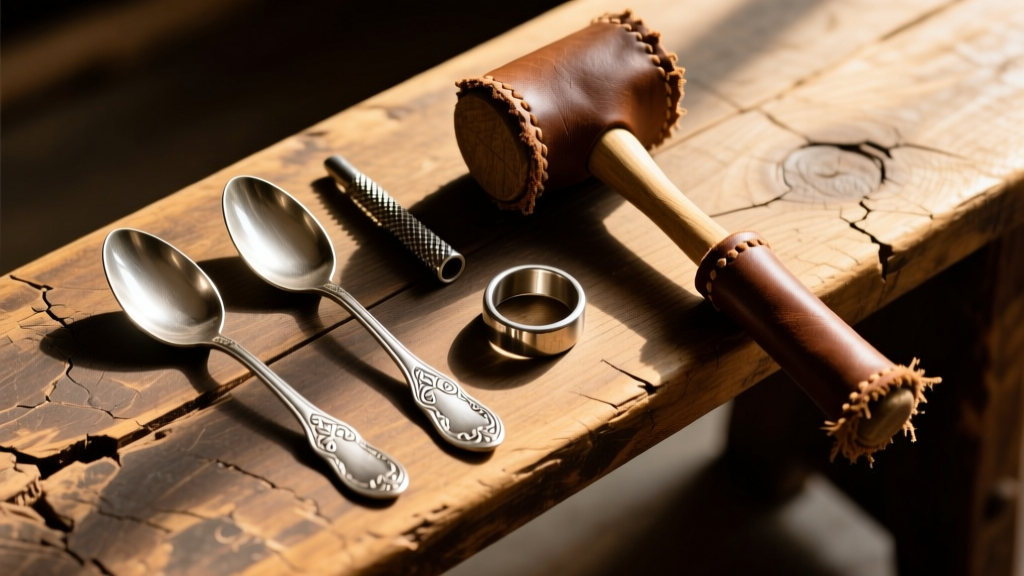
The True Cost of Upcycling: Is Silverware Jewelry Profitable?
When learning how to make silverware jewelry, the romanticized vision of bending vintage spoons into rings often clashes with the economic reality of metalworking. Upcycling flatware is frequently pitched as a virtually free jewelry-making method, but the truth is far more nuanced. While the raw materials can be sourced cheaply, the hidden costs of tooling, metal refinement, and labor can quickly erode your profit margins. In this comprehensive budget and value assessment, we will dissect the actual costs of transforming thrifted flatware into wearable art, helping you determine if this niche is a viable business model or simply an expensive hobby.
The fundamental financial question every upcycling jeweler must ask is whether the time and resources spent processing low-grade silverplate yield a comparable return to working with dedicated jewelry-grade sterling silver wire. To answer this, we must evaluate material sourcing, tooling investments, and the hidden consumables that dictate your final cost per piece.
Sourcing Materials: Thrift Store Silverware vs. Scrap Sterling
The foundation of your budget relies entirely on your ability to identify and source the right flatware. Not all silverware is created equal, and mistaking silverplate for solid sterling is the most common financial error beginners make. According to the Online Encyclopedia of Silver Marks, understanding hallmarks is non-negotiable for maintaining healthy profit margins.
- Sterling Silver (925): Composed of 92.5% pure silver. It is highly malleable, takes a brilliant polish, and commands premium retail prices. However, sourcing sterling flatware at thrift stores is increasingly rare in 2026, with individual spoons often priced between $15 and $45 by knowledgeable sellers.
- Silverplate (EPNS, IS, Rogers Bros): A base metal (usually brass, copper, or nickel silver) coated with a microscopic layer of silver. While incredibly cheap to source (often $1 to $3 per piece), silverplate is notoriously difficult to forge. Bending it exposes the base metal, leading to skin discoloration and a severely limited resale value.
| Material Type | Common Markings | Avg Thrift Cost | Forgeability | Retail Resale Value |
|---|---|---|---|---|
| Sterling Silver | 925, Sterling, Lion Passant | $15.00 - $45.00 | Excellent (Requires Annealing) | $65.00 - $150.00+ |
| Silverplate (EPNS) | EPNS, IS, A1, Rogers | $1.00 - $4.00 | Poor (Plating cracks/flakes) | $15.00 - $35.00 |
| Stainless Steel | 18/10, Stainless | $0.50 - $2.00 | Extremely Poor (Requires heavy machinery) | $10.00 - $20.00 |
From a pure ROI perspective, sterling silver offers the best return on investment despite the higher upfront cost. Silverplate should only be used for flat, non-bent pendants or earrings where the plating integrity remains intact.
Essential Tooling: Budget vs. Professional Setups
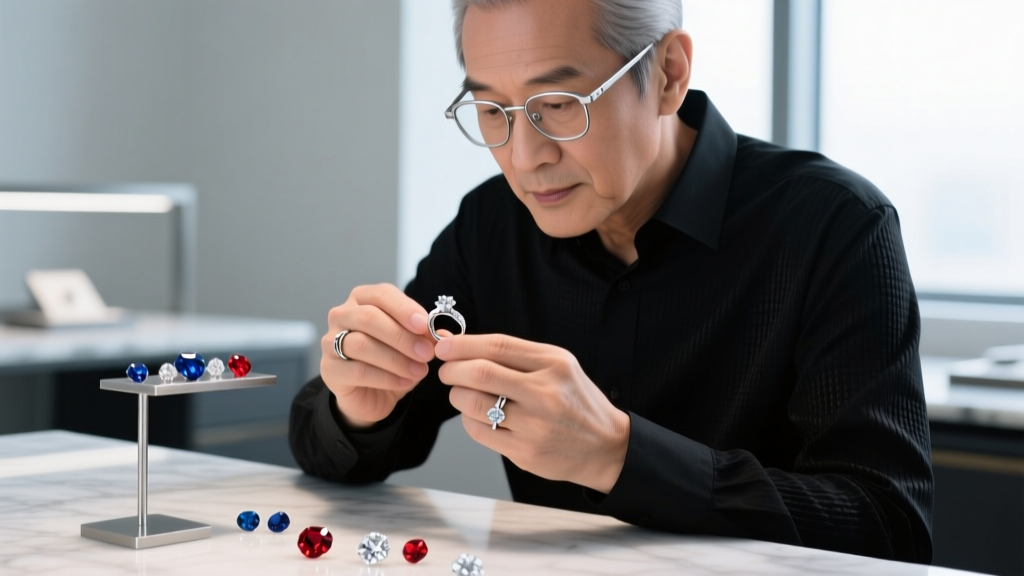
You cannot bend thick spoon handles with standard jewelry pliers. Flatware requires heavy-duty forming tools, and your initial capital expenditure will heavily impact your first-year profitability. While you can source budget tools from discount hardware suppliers, investing in professional-grade steel from reputable suppliers like Rio Grande ensures your tools won't mar the silver or warp under pressure.
The Budget Setup ($85 - $120)
- Steel Ring Mandrel: $25. Essential for shaping spoon rings. Ensure it is graduated and made of hardened steel.
- Rawhide Mallet: $18. Never use a steel hammer on silverware; it will permanently dent and stretch the metal unevenly. Rawhide or heavy nylon is mandatory.
- Jeweler's Saw Frame & Blades: $20. A standard 3-inch frame with 2/0 or 3/0 saw blades is required to cleanly cut through thick spoon handles without generating excessive heat.
- Half-Round Pliers: $25. Used for initial bending and shaping the shank of the ring before moving to the mandrel.
- Butane Torch: $30. A standard hardware store torch is sufficient for annealing small sterling pieces.
The Professional Upgrade ($350+)
Once you scale, you will need a rotary tumbler for hands-free polishing ($120-$180), a flex shaft with polishing mops ($150+), and specialized forming dies. The jump from budget to professional tooling is where many hobbyists abandon the craft, as the overhead suddenly outweighs the revenue of $25 spoon rings.
The Hidden Costs: Annealing, Polishing, and Patina
The most overlooked aspect of silverware jewelry making is the consumable cost of finishing. Raw, cut silverware is sharp, oxidized, and work-hardened. To make it wearable, you must account for the following hidden expenses:
1. Annealing Consumables: Sterling silver work-hardens rapidly when bent. If you attempt to wrap a thick sterling spoon handle around a mandrel without annealing, it will snap or crack. Annealing requires heating the metal to approximately 1100°F (593°C) until it glows a dull cherry red in dim light, then quenching it in water. This process consumes butane fuel and requires a safe, fire-proof workspace. Warning: Never anneal silverplate. The intense heat will cause the thin silver layer to blister, flake, and permanently ruin the piece.
2. Polishing Compounds: Cut spoon handles leave sharp, oxidized edges. You will need Tripoli compound for cutting and smoothing ($12 per bar), followed by Zam or Rouge for the final high-shine polish ($15 per bar). If you are hand-polishing, expect to spend $20 annually on micro-mesh pads and polishing cloths.
3. Patina Chemicals: To highlight the vintage stamped motifs on antique spoons, jewelers use Liver of Sulfur ($18 per jar) to artificially oxidize the recesses. This chemical degrades over time and must be replaced every 6 to 12 months, adding a recurring line item to your budget.
Pricing Your Upcycled Creations for the 2026 Market
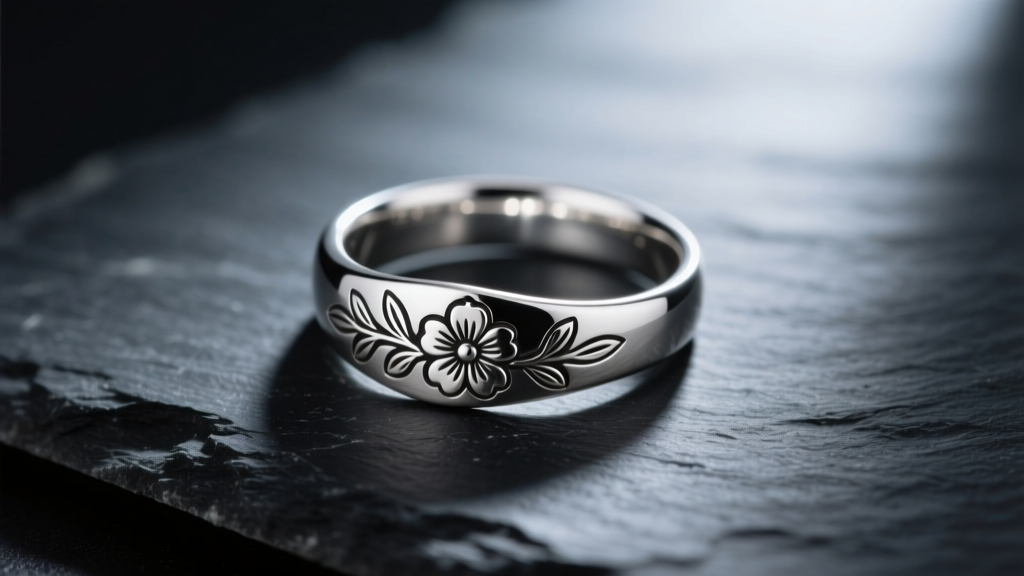
Pricing upcycled jewelry requires a departure from traditional material-based formulas. The standard jewelry pricing model (Materials x 3 + Labor) fails here because the raw material cost of a $2 thrifted spoon is negligible, but the labor intensity is exceptionally high. Cutting, filing, sanding, annealing, and polishing a single heavy-gauge spoon ring can easily take 45 to 90 minutes.
In the current 2026 market, consumers are paying for the narrative and the aesthetic, not the melt value of the metal. Therefore, value-based pricing is the only sustainable model for silverware jewelry.
- Silverplate Spoon Rings: Price between $28 and $45. The lower price point reflects the base metal core, but the vintage appeal keeps them moving at craft fairs.
- Sterling Silver Spoon Rings: Price between $75 and $140. Emphasize the "925" stamp, the specific decade of the antique hallmark, and the solid silver value in your marketing.
- Complex Pendants (Cut and Pierced): If you are using a jeweler's saw to cut intricate shapes from fork tines or spoon bowls, your pricing should reflect the hourly labor rate of a metalsmith, typically starting at $85 and scaling up to $250+ for custom, highly detailed work.
Final Verdict: Budget Assessment
So, is learning how to make silverware jewelry a financially sound endeavor? If your goal is to mass-produce cheap silverplate rings, the margins are too thin to justify the physical toll and consumable costs. However, if you specialize in sourcing, restoring, and forging high-quality antique sterling silver flatware into bespoke, narrative-driven jewelry, the profit margins are exceptional. By mastering the identification of hallmarks, investing in proper annealing and polishing workflows, and utilizing value-based pricing, upcycled silverware jewelry remains one of the most profitable and creatively rewarding niches in the DIY metalsmithing space.


