2026 Trends: Best DIY Jewelry Stand Ideas for Makers
Discover 2026's top DIY jewelry stand trends. Learn to build modular concrete, brass, and bentwood displays with exact dimensions and structural tips.

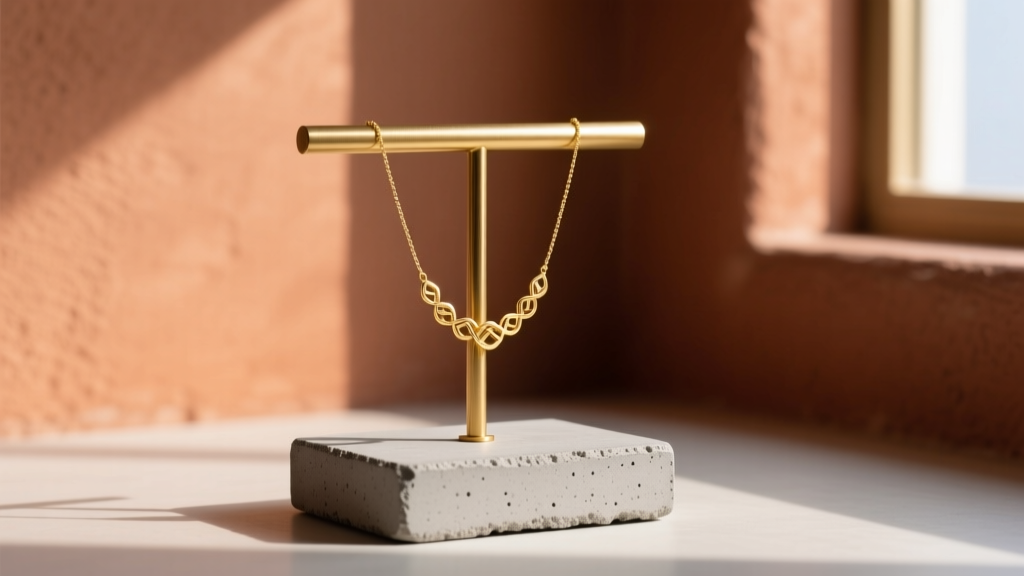
The landscape of jewelry merchandising and studio organization has undergone a massive aesthetic and functional shift as we move through 2026. Gone are the days when makers relied on flimsy, mass-produced acrylic towers or generic velvet busts. Today, the market demands tactile, artisanal, and highly photogenic displays that reflect the craftsmanship of the pieces they hold. For independent jewelry designers, building a custom diy jewelry stand is no longer just a cost-saving measure; it is a critical branding exercise. Whether you are selling at high-end craft fairs, curating a boutique wholesale pitch, or filming TikTok and Reels content, your display architecture speaks volumes before a customer even touches your work.
The 2026 Shift: From Mass-Produced Acrylic to Artisanal DIY Displays
In recent years, the maker community has heavily favored sustainable, raw, and modular materials. The modern diy jewelry stand must serve a dual purpose: it must be structurally engineered to hold the weight of heavy beaded or wire-wrapped pieces without tipping, and it must act as a visually striking backdrop for social media content. According to market trend analyses on Etsy's maker supply data, searches for "brutalist jewelry display" and "modular terrazzo stand" have surged by over 140% since late 2024. Makers are moving away from glued-together popsicle sticks and hot-glue hacks, opting instead for architectural materials like Jesmonite, poured concrete, and steam-bent hardwoods.
Top 3 DIY Jewelry Stand Trends Dominating Maker Studios
1. Brutalist Concrete & Brass Modular Stands
The brutalist trend emphasizes raw, unpolished textures contrasted with high-shine metals. A popular iteration of this diy jewelry stand involves casting a high-density concrete base and inserting precision-cut solid brass rods. The visual weight of the concrete provides an exceptionally low center of gravity, making it ideal for displaying heavy, multi-strand gemstone necklaces or large resin pendants that would easily topple a standard wooden T-bar.
2. Sustainable Bentwood & Rattan T-Bar Displays
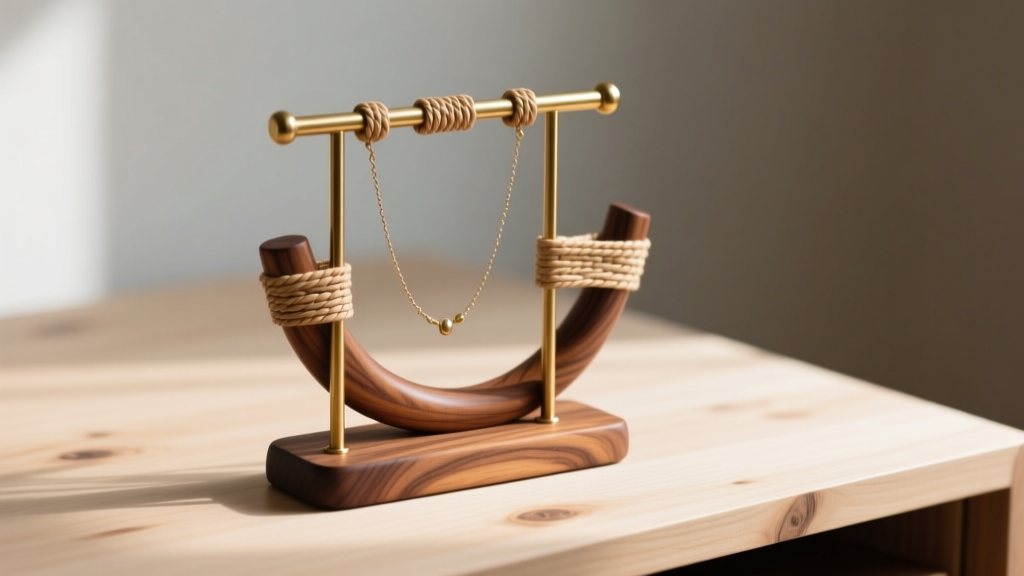
For makers focusing on eco-conscious or bohemian jewelry lines, steam-bent wood is the 2026 material of choice. By using 1/8-inch walnut or cherry veneer and securing the joints with natural rattan reed or artificial sinew, artisans are creating lightweight, flexible, and entirely biodegradable displays. These stands are highly portable for traveling craft fairs and offer a warm, organic contrast to cool metals like sterling silver and titanium.
3. The "Content-Ready" Terrazzo Backdrop Stand
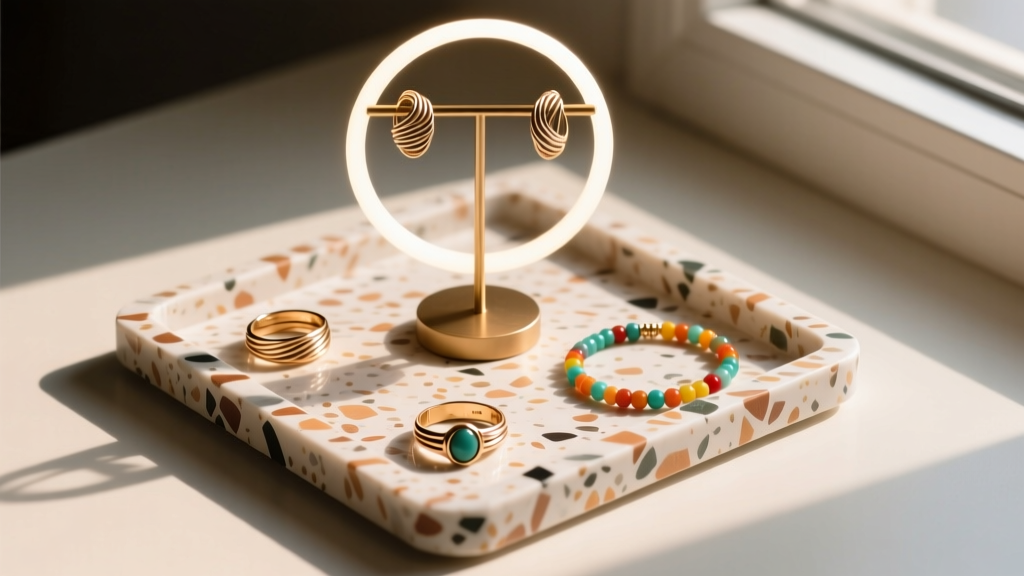
With vertical video dominating e-commerce, the newest diy jewelry stand designs incorporate integrated backdrop plates. Using eco-friendly acrylic resins like Jesmonite AC100, makers are pouring custom terrazzo bases with integrated vertical backdrop slabs. These slabs are specifically sized to frame a smartphone's 9:16 aspect ratio, effectively turning the jewelry stand into a self-contained content creation studio.
Material & Structural Breakdown: Building for Weight and Aesthetics
When engineering your own display, understanding material density and shear strength is crucial. A common failure mode in amateur DIY stands is the snapping of the vertical rod under the asymmetric weight of a heavy beaded necklace. Below is a structural comparison of the top three trending materials for 2026.
| Material | Weight Capacity (Vertical Rod) | Est. Cost Per Stand | Curing / Build Time | Best Jewelry Type |
|---|---|---|---|---|
| Poured Concrete + Solid Brass | Up to 4.5 lbs | $18 - $25 | 48 hours (cure) | Heavy gemstone necklaces, chainmail |
| Jesmonite AC100 Terrazzo | Up to 2.5 lbs | $22 - $35 | 45 mins (demold) | Resin earrings, wire-wrapped rings |
| Steam-Bent Walnut + Rattan | Up to 1.2 lbs | $12 - $18 | 4 hours (bending) | Delicate gold-filled chains, pearls |
Step-by-Step: Constructing the Trending Brass & Concrete DIY Jewelry Stand
To build a structurally sound, high-end brutalist stand, you must move beyond standard craft store supplies. Here is the exact blueprint used by professional merchandisers.
"The secret to a premium concrete finish isn't the mix itself, but the mold preparation and vibration. Trapped air bubbles will ruin the aesthetic of a high-end jewelry display."
Materials & Tools Required:
- Base Mix: Quikrete Countertop Mix (specifically formulated for high compressive strength and smooth finishes, unlike standard gravel concrete).
- Vertical Hardware: 1/4-inch (6.35mm) diameter solid brass rods, easily sourced from industrial suppliers like McMaster-Carr. Do not use hollow brass tubing; it will bend under the weight of heavy chains.
- Mold: 4x4x2 inch silicone cube mold.
- Adhesive: Loctite Epoxy Metal/Concrete (5-minute set, 3500 PSI shear strength).
- Tools: 1/4-inch diamond-tipped drill bit, orbital sander (220-grit), clamps.
The Build Process:
- Pour the Base: Mix the Quikrete Countertop Mix to a thick, peanut-butter-like consistency. Pour into the silicone mold. Tap the mold vigorously against the workbench for 3 full minutes to force trapped air bubbles to the surface. Let cure for 48 hours.
- Prep the Brass: Cut your solid brass rod into one 10-inch vertical piece and one 6-inch horizontal crossbar. Use a jeweler's saw or a fine-toothed hacksaw to ensure clean, flush cuts. File the edges smooth.
- Drill the Mounting Hole: Once the concrete is fully cured and demolded, mark the exact center of the top face. Using a diamond-tipped masonry bit and a drill press (to ensure a perfectly vertical 90-degree angle), drill a 1/4-inch hole exactly 1.5 inches deep. Pro-tip: Use a spray bottle of water while drilling to keep the diamond bit cool and prevent the concrete from micro-fracturing.
- Epoxy and Assemble: Inject the Loctite Epoxy into the hole. Insert the 10-inch vertical brass rod, wiping away any excess epoxy that squeezes out. Let it set for 10 minutes. Finally, use a small dab of cyanoacrylate (super glue) or a micro-weld to attach the 6-inch crossbar to the top of the vertical rod, forming a perfect 'T'.
- Seal the Concrete: Concrete is naturally porous and can absorb oils from your hands or the jewelry. Seal the base with a matte, water-based polyurethane sealer to protect the finish while maintaining the raw, brutalist look.
Styling for Social Media: Lighting and Angles for DIY Stands
A beautifully engineered diy jewelry stand is only half the battle; how you light and style it dictates your conversion rates on platforms like Instagram and TikTok. In 2026, the "flat, even lighting" trend has been replaced by directional, moody lighting that emphasizes the texture of both the jewelry and the stand itself.
When photographing heavy beaded necklaces on a concrete and brass stand, use a single key light positioned at a 45-degree angle from the top left. This casts a subtle, defined shadow from the brass T-bar onto the concrete base, highlighting the matte texture of the stone and the high-polish reflection of the brass. Ensure your lighting setup boasts a CRI (Color Rendering Index) of 95 or higher. Standard LED ring lights often have a CRI of 80, which will muddy the true colors of gemstones like lapis lazuli or malachite, making them look dull and unsellable on camera.
Sourcing Guide: Where to Buy Components in 2026
To maintain healthy profit margins while producing high-end displays, avoid buying pre-packaged "jewelry making kits" from big-box craft stores. The markup on small quantities of hardware is immense. Instead, source your raw materials from industrial and specialized suppliers:
- Metals & Rods: Industrial suppliers like McMaster-Carr or OnlineMetals offer solid brass, copper, and stainless steel rods by the foot for a fraction of the cost of craft store spools.
- Casting Resins & Aggregates: For terrazzo and backdrop stands, purchase Jesmonite AC100 directly from authorized composite distributors rather than third-party marketplace resellers to ensure you are getting fresh, unexpired base powders.
- Wood Veneers: Specialty woodworking sites like Rockler or Woodcraft sell flexible 1/16-inch and 1/8-inch hardwood veneers specifically graded for steam bending, which will not splinter or snap like standard craft basswood.
By treating your diy jewelry stand as a serious piece of studio engineering rather than a quick weekend craft, you elevate the perceived value of your entire jewelry collection. In a saturated 2026 market, the maker who controls their visual merchandising from the raw materials up is the one who captures the premium buyer.


