Long-Term Care After Making Bead and Wire Jewelry Pieces
Learn expert cleaning and maintenance tips for making bead and wire jewelry. Protect your copper, silver, and gemstone creations from tarnish and wear.

The Hidden Vulnerabilities in Handcrafted Wire and Bead Designs
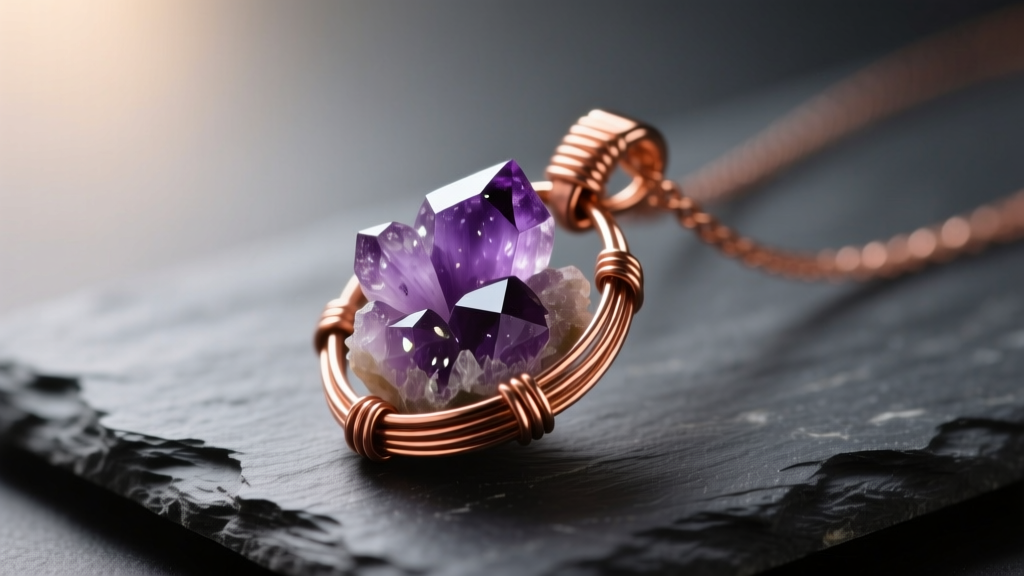
The journey of making bead and wire jewelry is deeply rewarding, but the completion of a piece is only the beginning of its lifecycle. Handcrafted wire-wrapped pendants, beaded bracelets, and woven rings face unique environmental and mechanical stressors that mass-produced cast jewelry simply does not. Unlike solid cast metals, wire jewelry relies on tension, friction, and work-hardened structural integrity. When you weave 24-gauge dead soft wire around a 20-gauge half-hard frame, you create microscopic crevices that trap skin oils, lotions, and environmental sulfur. Furthermore, the mechanical stress applied during cleaning can easily snap over-hardened woven wires or loosen delicate bead settings. Understanding the specific vulnerabilities of your materials is the first step in preserving the structural and aesthetic integrity of your handcrafted pieces for decades.
Material-Specific Cleaning Protocols
Different base metals react uniquely to cleaning agents, moisture, and friction. Using the wrong chemical solution can strip intentional patinas or cause irreversible pitting.
Copper and Brass Wire Maintenance
Copper and brass are highly reactive metals. When exposed to the acids in human sweat and the oxygen in the air, they develop a dark oxidation layer. If you have intentionally applied a darkening agent like Liver of Sulfur (potassium sulfide) to create contrast in your wire weaves, you must avoid acidic cleaners like lemon juice, vinegar, or commercial brass dips. These acids will strip the dark recesses you worked so hard to achieve. Instead, use a high-quality treated polishing cloth, such as a Sunshine Cloth, which contains micro-abrasives and anti-tarnish agents. Gently rub only the high points of the wire weave to restore the metallic shine while leaving the recesses dark. For unpatinated, raw copper that has developed an unwanted green verdigris, a mild paste of baking soda and water applied with a soft-bristled toothbrush will neutralize the acids and lift the tarnish without damaging the metal's surface.
Sterling Silver and Argentium Tarnish Control
Sterling silver (92.5% silver, 7.5% copper) tarnishes primarily due to the copper content reacting with hydrogen sulfide in the air. A popular and highly effective method for heavy tarnish removal is the electrochemical aluminum foil bath. Line a glass bowl with aluminum foil, add boiling water, a tablespoon of baking soda, and a teaspoon of salt. Submerging the silver piece creates a redox reaction that transfers the sulfur from the silver to the aluminum. However, this method should only be used on silver pieces without porous gemstones or intentional oxidized details. For routine maintenance of Argentium silver—which contains germanium for superior tarnish resistance—a simple wash in lukewarm water with a single drop of mild, phosphate-free dish soap (like Dawn) is sufficient. Always dry silver immediately with a microfiber cloth to prevent water spots.
Protecting Gemstones and Delicate Beads During Cleaning
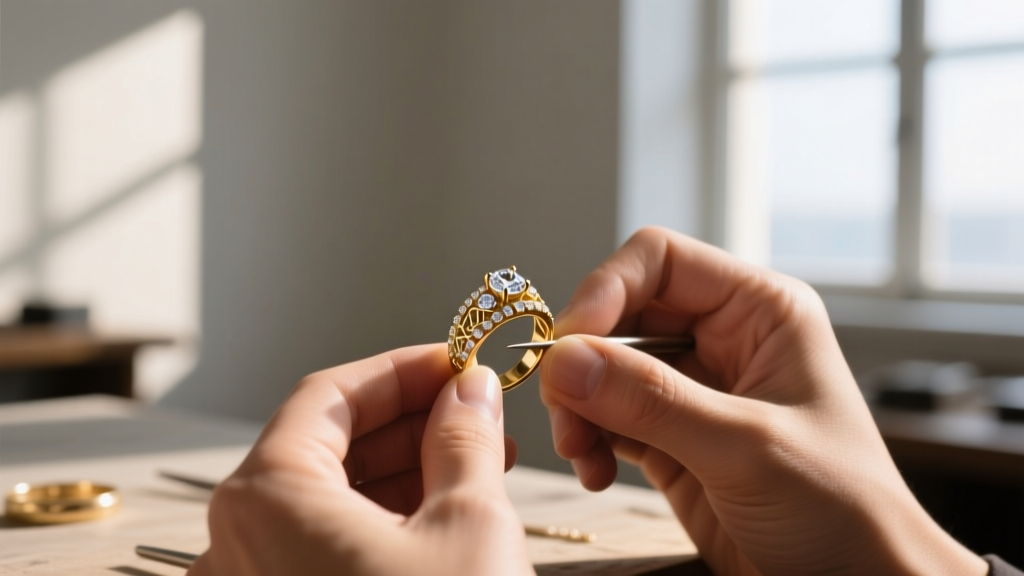
When making bead and wire jewelry, the gemstones you select dictate your cleaning limitations. The Mohs Hardness Scale and the stone's porosity are the two most critical factors to consider. Ultrasonic cleaners, which use high-frequency sound waves to create microscopic cavitation bubbles, are fantastic for cleaning bare diamond or sapphire rings but are catastrophic for wire-wrapped jewelry and delicate beads. The vibrations can shatter brittle stones, strip delicate pearl nacre, and literally shake your wire wraps loose.
According to the Gemological Institute of America (GIA), porous and fracture-filled gemstones require specialized, gentle care. Below is a decision framework for cleaning common beading materials:
| Gemstone Material | Mohs Hardness | Porosity / Sensitivity | Recommended Cleaning Method |
|---|---|---|---|
| Turquoise & Lapis Lazuli | 5.0 - 6.0 | Highly porous; sensitive to chemicals, heat, and prolonged water exposure. | Dry wipe only with a soft microfiber cloth. Never use soaps or ultrasonics. |
| Opal & Pearl | 5.5 - 6.5 / 2.5 - 4.5 | Contains water (opal); organic and acid-sensitive (pearl). | Damp cloth wipe. Avoid all chemical dips and sudden temperature changes. |
| Amethyst & Citrine | 7.0 | Low porosity; sensitive to prolonged direct UV light (can fade). | Warm soapy water and a soft baby toothbrush. Rinse in distilled water. |
| Garnet & Peridot | 6.5 - 7.5 / 6.5 - 7.0 | Peridot is sensitive to acids and thermal shock; Garnet is generally stable. | Mild soapy water. Avoid harsh acids and ultrasonic cleaners for Peridot. |
Mechanical Integrity: Checking Wire Wraps and Crimps
Cleaning is the perfect opportunity to perform a structural audit of your jewelry. The physical act of wiping and scrubbing can catch on microscopic burrs left by flush cutters. When making bead and wire jewelry, finishing your wire ends is crucial; a 20-gauge or 22-gauge wire end that hasn't been filed with a cup burr or smoothed with a nail buffing block acts like a tiny hook. If this hook catches on your polishing cloth, it can unravel hours of intricate 24-gauge weaving.
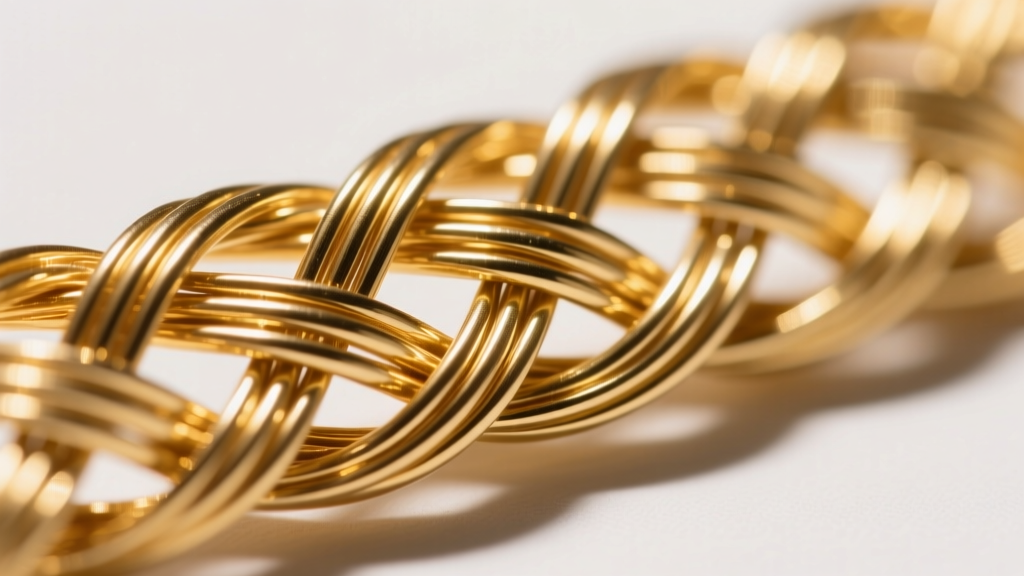
Before applying any liquid or cloth to a piece, inspect the structural anchor points under a 10x jeweler's loupe. Look for the following failure modes:
- Crimp Bead Fatigue: If you used 2x2mm sterling silver crimp beads to secure beading wire, check for micro-fractures along the fold. Sterling silver work-hardens and becomes brittle over time. If a crimp shows a visible crack, cut it out and re-crimp using a fresh sterling silver or gold-filled crimp tube.
- Wire Wrap Loosening: Check the base of your briolette wraps. If the 24-gauge or 26-gauge neck wire has shifted, use nylon jaw pliers to gently squeeze the wrap back into place. Never use metal chain-nose pliers for this, as they will mar the wire and leave permanent tool marks.
- Jump Ring Gaps: Ensure that the split in your jump rings remains perfectly flush. If the gap has opened, use two pairs of pliers to twist the ring closed laterally, rather than pulling it apart outward, which distorts the circular shape.
Proper Storage Solutions to Prevent Tangling and Oxidation
How you store your handcrafted pieces is just as important as how you clean them. Storing wire jewelry in standard cardboard boxes or open-air display dishes exposes the metals to ambient humidity and sulfur compounds off-gassed by wood and paper products. Furthermore, tossing multiple wire-wrapped pendants into a single drawer guarantees a tangled nightmare that can bend delicate wire frames and scratch softer beads.
Expert Tip: Always store your silver and copper creations in sealed, airtight polyethylene ziplock bags along with a 3M Anti-Tarnish strip. These strips absorb sulfur gases and hydrogen sulfide from the trapped air, effectively halting the oxidation process for up to 12 months. Replace the strips annually or when the indicator window turns dark brown.
For pieces featuring highly sensitive organic beads like pearls or amber, include a small silica gel desiccant packet in the storage bag to control moisture levels, but ensure the packet does not directly touch the pearls, as excessive drying can cause the nacre to craze and crack. By combining meticulous material-specific cleaning with rigorous structural inspections and airtight storage, your handcrafted wire and bead jewelry will maintain its professional brilliance and structural durability for generations. For further insights into metal properties and tool maintenance, resources like Rio Grande offer extensive technical guides for serious jewelry makers.


