Trend Analysis: Good Quality Chains for Jewelry Making
Discover 2026 trends for good quality chains for jewelry making. Compare metal grades, link styles, and sourcing tips for DIY layering.

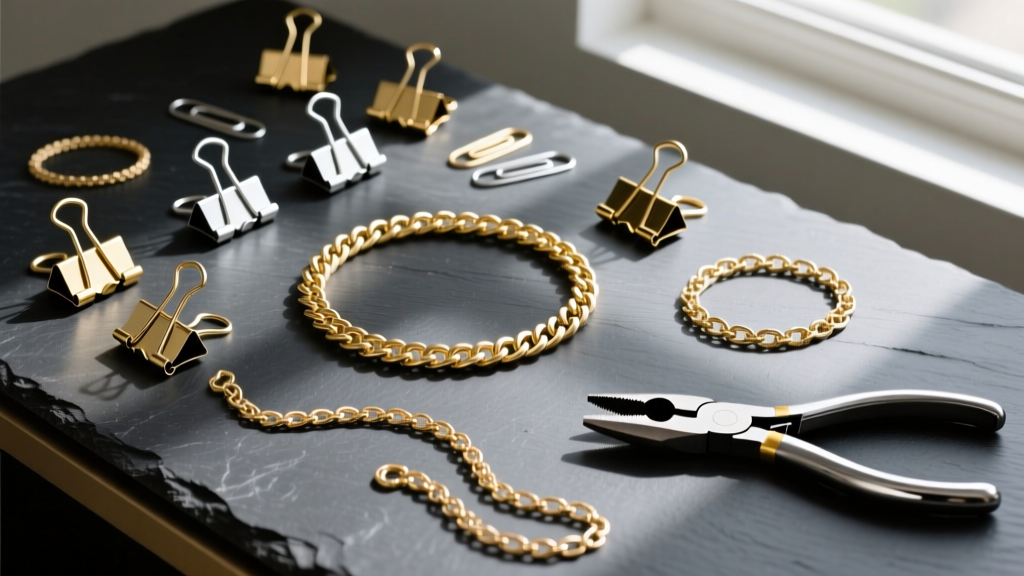
The landscape of DIY jewelry making has shifted dramatically as we move through 2026. While the minimalist, ultra-delicate cable chains of the early 2020s had their moment, today's independent designers and hobbyists are gravitating toward textural, mixed-link, and mixed-metal aesthetics. When sourcing good quality chains for jewelry making, the focus is no longer just on finding a basic connector; the chain itself is now the focal point of the design. Whether you are building a layered necklace stack or crafting a heavy-duty charm bracelet, understanding the metallurgy, structural integrity, and current style trends of chain links is essential for creating pieces that look high-end and withstand daily wear.
The 2026 Chain Aesthetic: Beyond Basic Cable
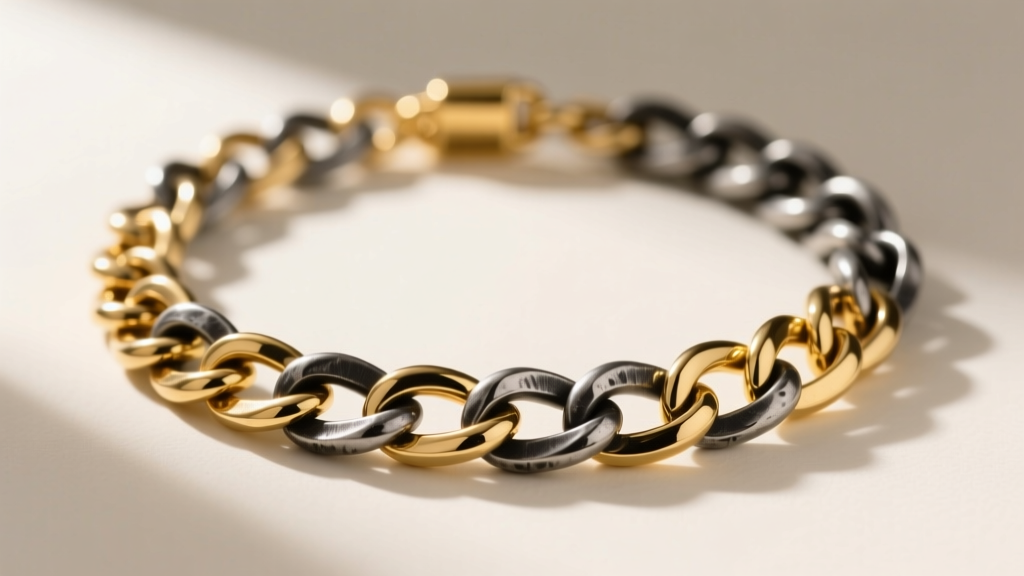
In 2026, the "curated neck" has replaced the curated ear as the primary canvas for self-expression. DIY makers are moving away from uniform, machine-stamped cable chains and embracing asymmetry. The prevailing trend involves combining two or three distinct link styles—such as pairing a chunky, flat curb chain with an elongated paperclip chain—in a single layered piece. Furthermore, mixed-metal layering (combining yellow gold tones with oxidized silver or darkened stainless steel) is dominating boutique markets. To execute this trend successfully, makers must source chains that share similar visual weight and tensile strength, even if their link geometries differ wildly.
Material Grades: What Defines "Good Quality"?
Not all chains are created equal. A common pitfall for beginner jewelry makers is purchasing "gold-plated" or generic "stainless steel" chains from unverified marketplaces, only to have them tarnish, snap, or cause skin irritation within weeks. True quality in 2026 is defined by specific metallurgical grades and plating thicknesses. Below is a breakdown of the industry-standard materials you should be sourcing for professional-grade DIY jewelry.
| Material Grade | Composition / Specs | Tarnish Resistance | Avg. Price (Per Foot) | Best Application |
|---|---|---|---|---|
| 14/20 Gold-Filled | 5% 14k gold alloy bonded to brass core | High (Years) | $4.50 - $9.00 | High-end layered necklaces, bridal |
| 316L Surgical Steel | Low-carbon stainless with molybdenum | Very High | $0.80 - $2.50 | Everyday wear, waterproof jewelry |
| Argentium 935 Silver | 93.5% silver, germanium alloyed | Extreme (Tarnish-resistant) | $12.00 - $22.00 | Fine jewelry, heirloom pieces |
| PVD Coated 304 Steel | Titanium nitride vacuum coating | Moderate to High | $1.50 - $4.00 | Trendy, chunky statement pieces |
For makers focused on the mid-to-high-end market, Halstead Bead and Rio Grande remain the gold standards for sourcing verified 14/20 gold-filled and Argentium silver chains. These suppliers provide assay certificates and exact wire-gauge specifications, ensuring your inventory meets professional benchmarks.
Top Trending Chain Links for DIY Layering
If you are building your chain inventory for the year, these three link styles are currently seeing the highest demand in the DIY and indie-maker space. Pay close attention to the recommended wire gauges (AWG) and millimeter dimensions to ensure your jump rings and clasps integrate seamlessly.
1. The Elongated Paperclip
The paperclip chain remains a powerhouse, but the 2026 iteration is slightly thicker and more substantial. Look for links measuring approximately 3.5mm x 9.0mm with a wire thickness of 1.2mm (approx. 16-18 AWG). This gauge is thick enough to prevent the links from pulling apart under the weight of a 15-gram pendant, yet delicate enough to layer over a t-shirt or under a blazer.
2. The Flat Curb
Curb chains are experiencing a massive revival, particularly in mixed-metal stacks. The interlocking, flat-lying links provide a brilliant, reflective surface. For modern layering, opt for a medium-weight curb (4.0mm x 5.5mm). Because curb links are diamond-cut and flattened, they catch the light beautifully but require laser-soldered links to maintain structural integrity when subjected to lateral tension.
3. The Mariner (Anchor) Link
Featuring a central bar across an oval link, the Mariner chain offers a nautical, utilitarian edge that contrasts perfectly with delicate gemstone beads. A 5.0mm x 7.0mm Mariner chain in 316L stainless steel is currently the go-to choice for makers creating "permanent jewelry" or waterproof charm bracelets, as the central bar provides an excellent anchor point for soldering custom charms.
Soldered vs. Unsoldered: The Structural Integrity Debate
When sourcing good quality chains for jewelry making, one of the most critical decisions you will make is whether to buy soldered or unsoldered chain. This choice dictates the failure rate of your finished pieces.
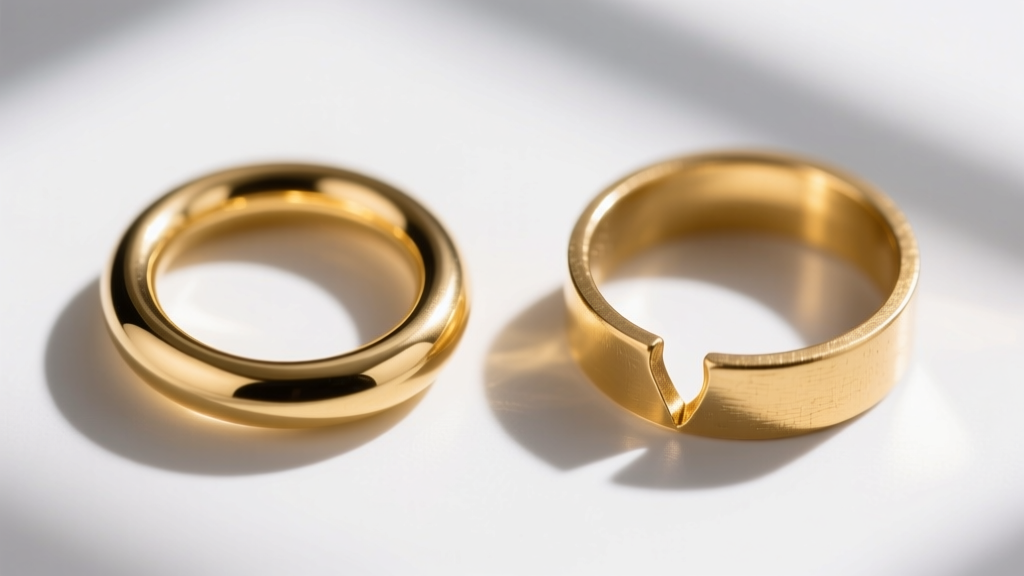
- Unsoldered Chains: These chains feature links with a visible cut or seam. They are highly flexible, easier to cut with standard flush cutters, and allow you to easily open individual links to attach charms without needing jump rings. However, under heavy tension (e.g., a heavy pendant on a thin 22-gauge chain), unsoldered links will pull open, resulting in lost jewelry and broken customer trust.
- Soldered Chains: Every single link is fused shut (via laser or torch). Soldered chains are mandatory for heavy pendants, anklets, and permanent jewelry applications. The trade-off is that you cannot open the links directly; you must use high-quality, properly gauged jump rings to attach your findings.
Expert Rule of Thumb: If your pendant weighs more than 10 grams, or if the chain wire gauge is thinner than 20 AWG, you must use a soldered chain or reinforce the attachment point with a soldered, heavy-gauge jump ring. According to stress-testing data shared by Fire Mountain Gems, an unsoldered 22-gauge brass link will yield (pull open) at roughly 3.5 lbs of tension, whereas a laser-soldered link of the same gauge can withstand over 12 lbs before the wire itself snaps.
Sourcing & Pricing Strategy for Independent Makers
Buying chain by the spool is cost-effective, but it requires a significant upfront investment and proper storage to prevent tangling and kinking. For makers just starting to experiment with 2026 trends, purchasing "by the foot" from specialized wholesalers is the most strategic approach. It allows you to test market reception to a new mixed-metal curb stack without committing to 100 feet of inventory.
When evaluating suppliers, look beyond the per-foot price. Factor in the cost of shipping, the minimum order quantities (MOQs), and the consistency of the dye lots. A slightly more expensive gold-filled chain from a reputable US-based mill will save you money in the long run by eliminating customer returns due to premature plating wear or brass bleed-through.
Final Thoughts on Building a Chain Inventory
The definition of good quality chains for jewelry making has evolved. In 2026, quality is a synthesis of metallurgical transparency, structural engineering (soldered vs. unsoldered), and aesthetic versatility. By stocking your studio with verified 14/20 gold-filled paperclips, 316L stainless steel curbs, and Argentium silver figaros, you equip yourself to tackle any design brief. Remember that the chain is the literal backbone of your jewelry; investing in superior links ensures your DIY creations transition seamlessly from hobbyist crafts to professional, retail-ready wearables.


