Troubleshooting Pliers for Jewelry: Fixing Grip, Marring, and Alignment
Learn how to troubleshoot common issues with pliers for jewelry, including slipping grips, marring soft metals, and jaw misalignment fixes.

The Hidden Costs of Faulty Tools in Jewelry Making
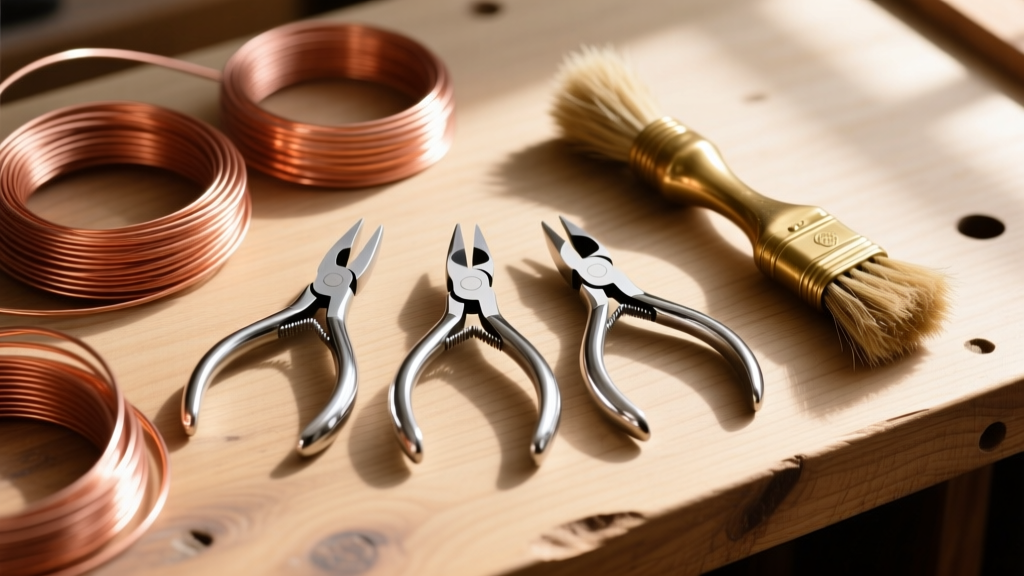
When you invest in premium pliers for jewelry, you expect precision, durability, and a flawless finish on your wirework and findings. However, even high-end Swedish carbon steel or American-machined stainless tools degrade over time. A slipping grip can ruin a complex wire-wrapped bail, while micro-marring on the jaws can leave permanent scratches on dead-soft precious metals. In the professional jewelry studio, tool failure is rarely catastrophic; it is usually a slow decline in performance. Understanding the metallurgy of your tools and the physics of their pivot joints is essential for maintaining a professional-grade workflow. This guide dives deep into the three most common mechanical failures in jewelry pliers and provides actionable, expert-level troubleshooting frameworks to restore them to factory condition.
Problem 1: Marring and Scratching Soft Metals
The most frequent complaint among wire wrappers and metalsmiths is the transfer of marks onto soft materials. When working with dead-soft 20AWG copper, fine silver (.999), or high-karat gold, the jaws of your pliers can easily dent, scratch, or chemically stain the metal.
The Carbon Transfer Phenomenon
Many jewelers are unaware that high-carbon steel pliers can leave dark, stubborn smudges on fine silver and pure copper. This is not dirt; it is microscopic carbon transfer from the tool's steel alloy reacting with the softer, highly reactive jewelry metal under high pressure. If you are working with precious metals, you must either switch to high-grade stainless steel pliers or apply a physical barrier to your carbon steel tools.
The Nylon Jaw Solution vs. DIY Coatings
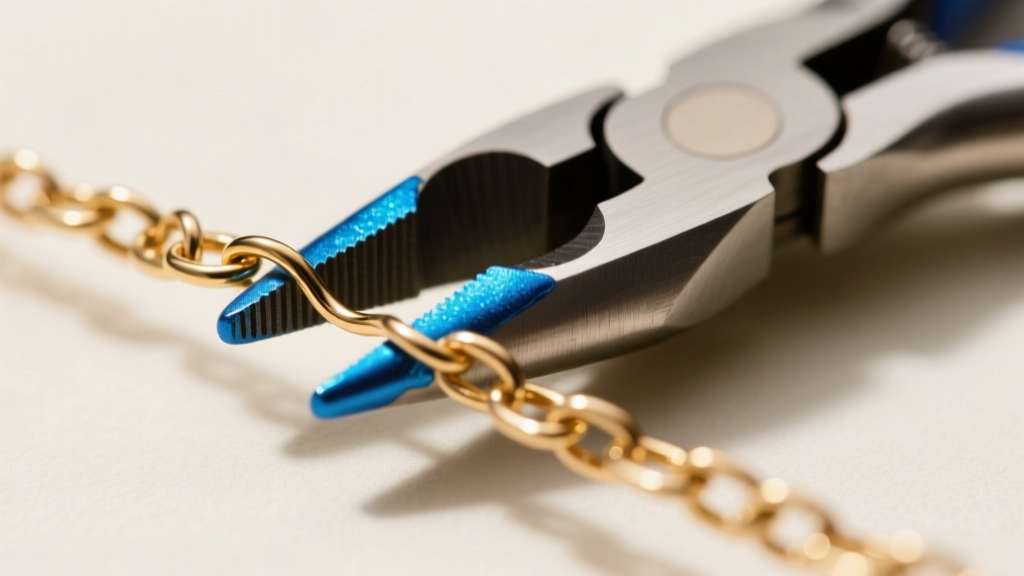
To prevent marring, jewelers typically rely on two methods: peel-off tool dip or nylon jaw inserts. While nylon jaw pliers (like those from Wubbers) are excellent, the nylon inserts can sometimes be too thick for intricate micro-macrame or tight jump ring closures, reducing your tactile feedback. Peel-off tool dip (often referred to generically as 'Tool Magic') provides a thinner barrier. For optimal protection without sacrificing grip, apply a Shore A 60 hardness polyurethane coating. Allow it to cure for a full 24 hours before use. If the coating begins to tear, do not patch it; peel the entire layer off and re-dip the jaws to maintain an even, lump-free surface.
Problem 2: Slipping Grips on Hardened Wire
While marring is a problem for soft metals, slipping is the enemy of hardened wire. When manipulating half-hard 18AWG sterling silver, spring-hard beryllium copper, or memory wire (Nitinol), smooth-jawed pliers will inevitably slip, leading to lost tension and ruined workpieces. Conversely, using serrated jaws on soft wire will destroy the finish. Selecting and maintaining the correct jaw texture is a critical troubleshooting skill.
Serration Wear and Tension Adjustments
Serrated jaws are designed to bite into hard metals, but the teeth wear down over time, especially when used on titanium or stainless steel wire. A common amateur mistake is attempting to re-serrate the jaws with a metal file. This destroys the factory heat treatment, softening the steel and causing the jaws to warp under pressure. If your serrated pliers are slipping, the tool has reached the end of its functional lifespan and must be replaced. For smooth jaws slipping on hardened wire, wrap the wire in a single layer of blue painter's tape before gripping. The tape provides enough friction to hold the wire securely without marring the metal underneath.
| Wire Material & Temper | Recommended Jaw Type | Failure Mode if Incorrect |
|---|---|---|
| Dead-Soft Copper / Fine Silver | Smooth Stainless or Nylon | Carbon transfer, deep jaw serration marks |
| Half-Hard Sterling Silver | Smooth Carbon Steel (with tool dip) | Slipping during tight loop formation |
| Spring-Hard Beryllium Copper | Serrated Carbon Steel | Tool slipping, loss of leverage, wrist strain |
| Memory Wire (Nitinol) | Heavy-Duty Serrated (Memory Wire Pliers) | Catastrophic jaw misalignment, pivot screw shearing |
Problem 3: Jaw Misalignment and Spring Fatigue
If you hold your closed pliers up to a bright light and see a gap between the jaws, your tool suffers from jaw misalignment. This issue prevents you from gripping flush, making it nearly impossible to close jump rings perfectly or create sharp, 90-degree bends in square wire. Misalignment is usually caused by a warped lap joint or a loosened pivot screw.
Calibrating the Pivot Joint
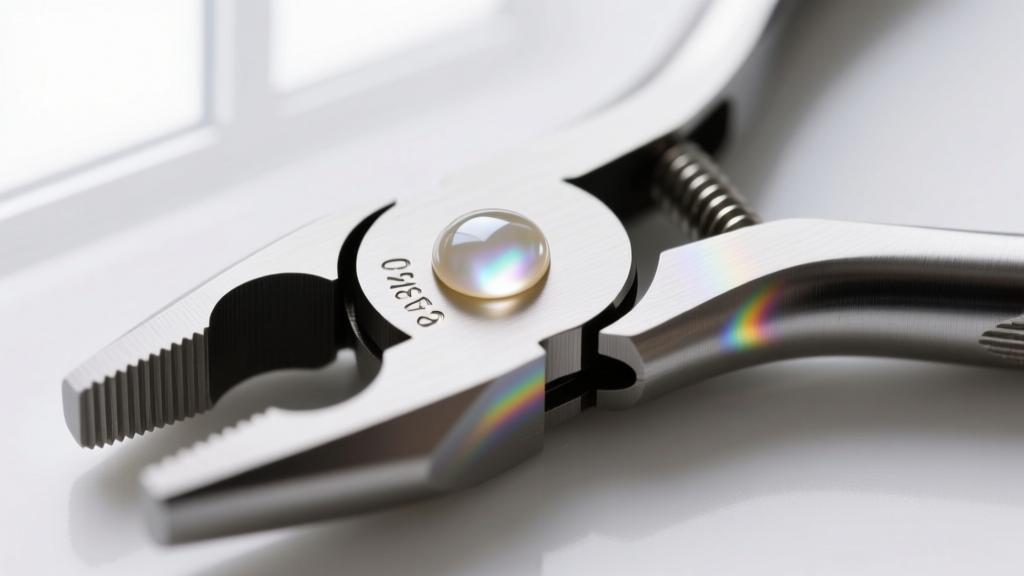
Most jewelry pliers utilize a lap joint, where two halves of forged steel overlap and are secured by a rivet or screw. Over time, lateral torque (twisting the pliers while gripping thick wire) stretches the metal around the pivot hole. To troubleshoot a loose lap joint on screw-pivot models (like premium Tronex or Lindstrom tools), use a precision flathead screwdriver to tighten the tension screw until the jaws meet flush, then back it off by exactly one-eighth of a turn to restore smooth action. For riveted pliers, place the tool in a bench vise equipped with soft brass jaws. Gently tap the side of the misaligned steel half with a rawhide mallet to shift the metal back into alignment. Never use a steel hammer, as it will shatter the hardened carbon steel.
Maintenance Matrix: Extending Tool Lifespan
Proactive maintenance is the ultimate troubleshooting strategy. According to experts at Ganoksin, a well-maintained pair of carbon steel pliers can last a lifetime. Implement this weekly maintenance protocol to prevent mechanical degradation:
- Ultrasonic Debris Removal: Wire clippings and polishing compound buildup inside the pivot joint cause grinding. Submerge the jaws in an ultrasonic cleaner with a mild degreaser for 3 minutes weekly to dislodge microscopic metal shavings.
- Synthetic Lubrication: Apply a single drop of low-viscosity synthetic sewing machine oil to the pivot joint. Avoid heavy greases or standard 3-in-One oil, which attract dust and form an abrasive paste over time.
- Corrosion Inhibition: Carbon steel will flash-rust if exposed to the humidity of a studio or the sulfur compounds used in liver of sulfur patinas. Store your pliers in a drawer lined with VCI (Vapor Corrosion Inhibitor) paper, or wipe them down with a silicone-impregnated polishing cloth after every use.
- Spring Replacement: If your pliers use an external leaf spring or internal coil spring that has lost its tension, do not attempt to bend the metal back into shape. Order OEM replacement springs from the manufacturer to restore factory-level opening resistance.
Conclusion
Troubleshooting your pliers for jewelry is not just about saving money; it is about protecting the integrity of your craftsmanship. By understanding the interaction between tool metallurgy and wire hardness, applying the correct protective coatings, and rigorously maintaining the pivot joints, you eliminate the mechanical variables that lead to flawed jewelry. Treat your tools as precision instruments, and they will reward you with flawless execution on every project.


