Permanent Jewelry Boston: DIY Welding & Sourcing Guide 2026
Master permanent jewelry in Boston with our 2026 DIY guide. Learn micro-welding techniques, local sourcing, and metallurgical tips for pop-ups.

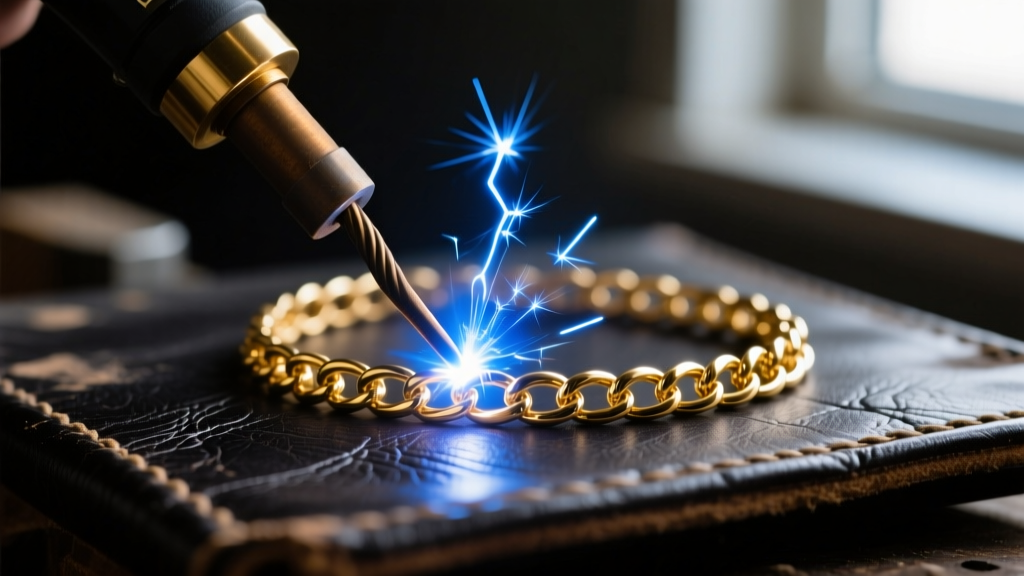
The Rise of DIY Permanent Jewelry in Boston's Maker Scene
The permanent jewelry movement has firmly rooted itself in New England, transforming from a fleeting trend into a staple of the local artisan economy. For DIY jewelers and independent makers in the Boston area, 2026 presents a unique opportunity to capitalize on high-foot-traffic venues like the SoWa Open Market, the Seaport Flea, and various Harvard Square craft fairs. However, transitioning from traditional beading or wire wrapping to permanent jewelry requires a fundamental shift in both metallurgical understanding and technical equipment. This deep dive explores the exact specifications, sourcing strategies, and micro-welding techniques required to build a successful, high-quality permanent jewelry business in Boston.
Technical Deep Dive: Micro-TIG vs. Pulse Arc Welding
When entering the permanent jewelry space, the most critical investment is your welder. While some beginners attempt to use cheap MIG or standard TIG setups, professional permanent jewelry relies almost exclusively on Pulse Arc Welding (often referred to in the industry as micro-TIG or capacitive discharge welding). Pulse arc welders deliver a highly controlled, localized burst of electrical energy that melts the metal at the jump ring seam without transferring heat to the surrounding chain links or the client's skin.
Choosing the Right Welder for Your Studio
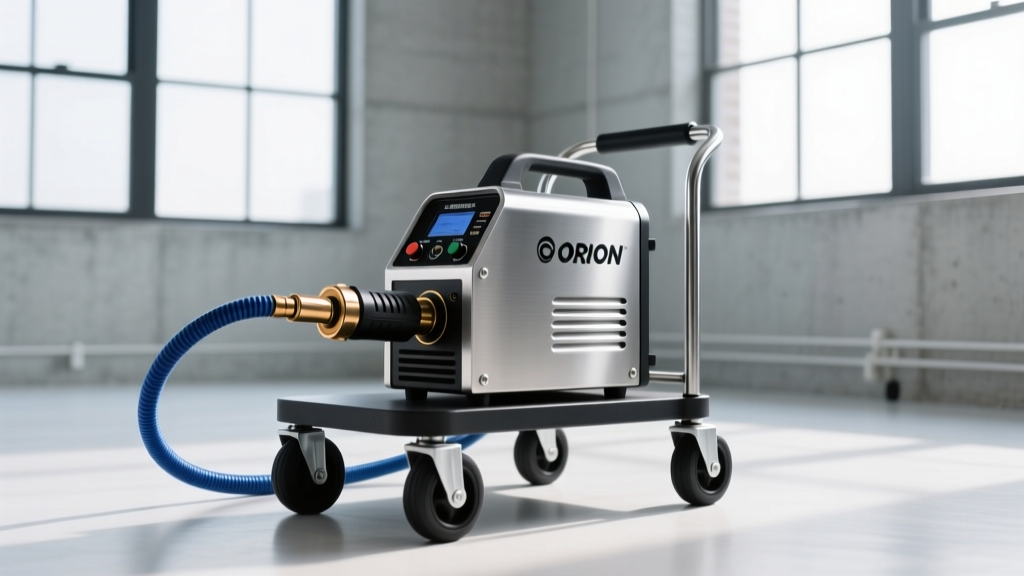
For Boston-based makers operating out of small home studios or mobile pop-up carts, footprint and power efficiency are paramount. The two industry-leading brands are Sunstone Welders and Orion. Below is a technical comparison of the most popular entry-to-mid-level models used by permanent jewelry artisans.
| Feature | Orion mPulse | Sunstone Peppe |
|---|---|---|
| Price Range (2026) | $1,200 - $1,500 | $2,400 - $2,800 |
| Pulse Range | 5 - 40 Watt-Seconds | 1 - 50 Watt-Seconds |
| Argon Compatibility | Yes (Manual flow) | Yes (Auto post-flow) |
| Best For | Beginners, low-volume pop-ups | High-volume studios, varied alloys |
For those just starting out at local Boston markets, the Orion mPulse is a workhorse. However, if you plan to weld alternative metals like platinum or titanium, the Sunstone Peppe's finer pulse control and automated argon post-flow are essential for preventing oxidation.
Material Sourcing: Navigating Chains and Findings
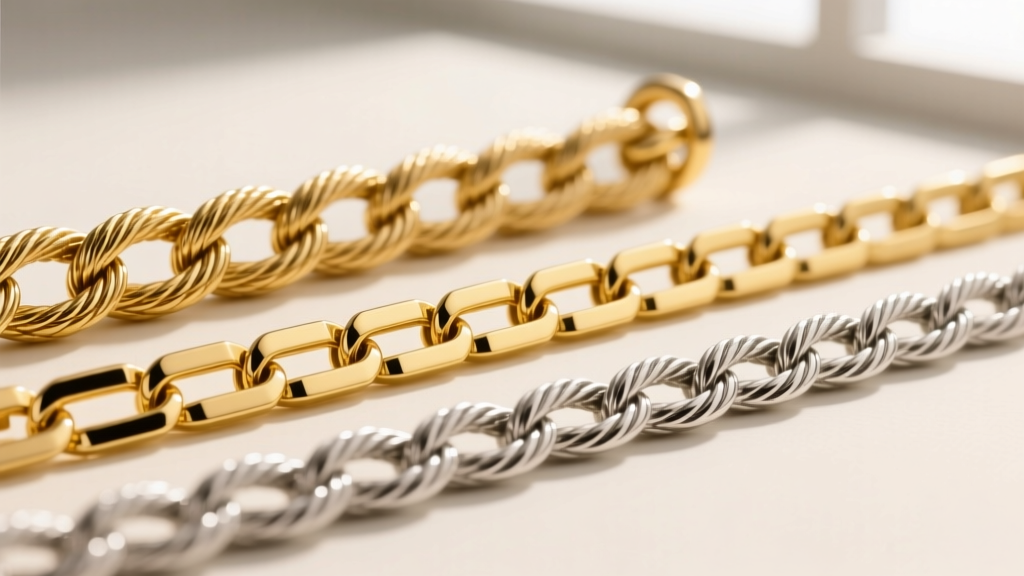
Sourcing high-quality chain is where many DIY permanent jewelry businesses fail. Buying pre-made jewelry chains from standard craft stores will result in high return rates and broken welds. You must source chains specifically manufactured for welding, which means avoiding chains with excessive solder at the link joints or heavy rhodium plating that can cause porosity during the weld.
The Gold-Filled vs. Solid Gold Dilemma
While solid 14k gold is the gold standard for permanent jewelry, its high cost (often exceeding $60 per foot for delicate chains) can alienate budget-conscious clients at outdoor markets. This leads many makers to 14k Gold Filled (1/20 14k GF). However, welding gold-filled chain requires extreme precision.
- Solid 14k Yellow Gold: Welds beautifully at 20-25 Watt-Seconds. The copper and silver alloys melt evenly with the gold, creating a seamless, strong joint.
- 14k Gold Filled: Requires a much lower pulse (10-14 Watt-Seconds). If the pulse is too high, you will burn through the outer gold layer, exposing the brass core. This not only creates a brittle, dark weld but will cause the chain to tarnish and turn the client's skin green over time.
- Sterling Silver: Highly conductive and prone to sinking heat. Requires a higher pulse (25-30 Ws) and absolutely mandates the use of 99.999% pure argon gas to prevent the copper in the sterling alloy from oxidizing into a black, crusty mess.
For wholesale sourcing accessible to Boston makers, Stuller and Halstead Bead remain the most reliable suppliers. Both offer continuous chain spools specifically vetted for pulse arc welding. Locally, while shops like The Bead Shop in Cambridge are excellent for traditional beading supplies, they do not carry the specialized continuous spools required for permanent jewelry.
The Anatomy of a Perfect Jump Ring
The weld is only as strong as the jump ring connecting it. For permanent jewelry, you must use saw-cut jump rings, not machine-cut. Machine-cut rings are pinched off the coil, leaving a V-shaped notch at the seam. When welded, this notch creates a void, resulting in a weak joint that will snap under tension. Saw-cut rings are sliced perfectly flat, allowing the two ends to meet flush, creating a seamless, structurally sound weld.
'The biggest mistake I see new makers make is using standard 18-gauge jump rings on delicate 1.2mm chains. The mass of the jump ring is too large, and the welder sinks all the heat into the ring rather than fusing the seam. Match your jump ring wire thickness to the wire thickness of your chain links for optimal thermal transfer.' — Master Jeweler & Welding Instructor
For a standard 1.2mm cable chain, a 22-gauge (0.64mm) jump ring with a 3.0mm outer diameter is the ideal specification. Always use flush cutters to gently close the ring before welding; never twist the ring open, as this misaligns the flat saw-cut edges.
Boston Pop-Up Logistics: Power and Gas
Taking your permanent jewelry setup to Boston's outdoor markets requires careful logistical planning, particularly regarding power and gas transport.
Clean Power for Sensitive Electronics
Pulse arc welders contain sensitive logic boards and capacitors. Plugging them into a standard, noisy contractor generator can fry the internal motherboard. If you are vending at SoWa or the Seaport Flea without access to grid power, you must use an inverter generator that produces a clean sine wave. The Honda EU2200i is the industry standard for mobile jewelers, providing 2200 watts of ultra-clean power, which is more than enough to run a 110V welder and a small LED task light simultaneously.
Argon Gas Transport in Massachusetts
Argon gas is non-flammable but is stored under high pressure. When transporting your argon cylinder in your vehicle to Boston markets, ensure the tank is secured upright to prevent the valve from snapping off in the event of a sudden stop. Furthermore, New England's high summer humidity can introduce moisture into your weld zone if your gas flow is too low. Set your argon flow meter to roughly 5-7 Cubic Feet per Hour (CFH) and ensure your post-flow is set to at least 2 seconds to allow the weld pool to cool in a shielded environment.
Troubleshooting Common Weld Failures
Even with the best equipment, DIY makers will encounter weld failures. Here is how to troubleshoot the most common issues on the bench:
- The 'Brittle' Weld: The joint looks fused but snaps when flexed. This is usually caused by a dirty jump ring seam. Clean your jump rings in an ultrasonic cleaner or wipe them with isopropyl alcohol before welding. Oils from your fingers will carbonize during the weld, creating a brittle inclusion.
- The 'Blowout':strong> The jump ring melts into a tiny ball, destroying the adjacent chain link. Your pulse energy (Watt-Seconds) is too high for the mass of the metal. Drop the setting by 3-5 Ws and test on a scrap piece of the exact same chain.
- Dark Oxidation (Silver/Gold): The weld spot turns black or dark purple. Your argon shield is failing. Check your hose for micro-leaks, ensure your nozzle is within 2mm of the weld point, and increase your post-flow time.
Final Thoughts for New England Artisans
Mastering permanent jewelry is a marriage of metallurgy, precision, and customer experience. By investing in a proper pulse arc welder, sourcing saw-cut findings and continuous chain from reputable wholesalers, and understanding the unique power requirements of Boston's mobile maker markets, you can build a highly profitable and respected DIY jewelry brand. The barrier to entry is technical, but the reward for achieving a flawless, seamless weld is a loyal clientele that will wear your craftsmanship every single day.


