Maintenance Tips for Jewelry Making with Wire Creations
Discover expert cleaning, storage, and maintenance tips for your wire-wrapped jewelry. Protect metals, preserve patinas, and prevent tarnish.

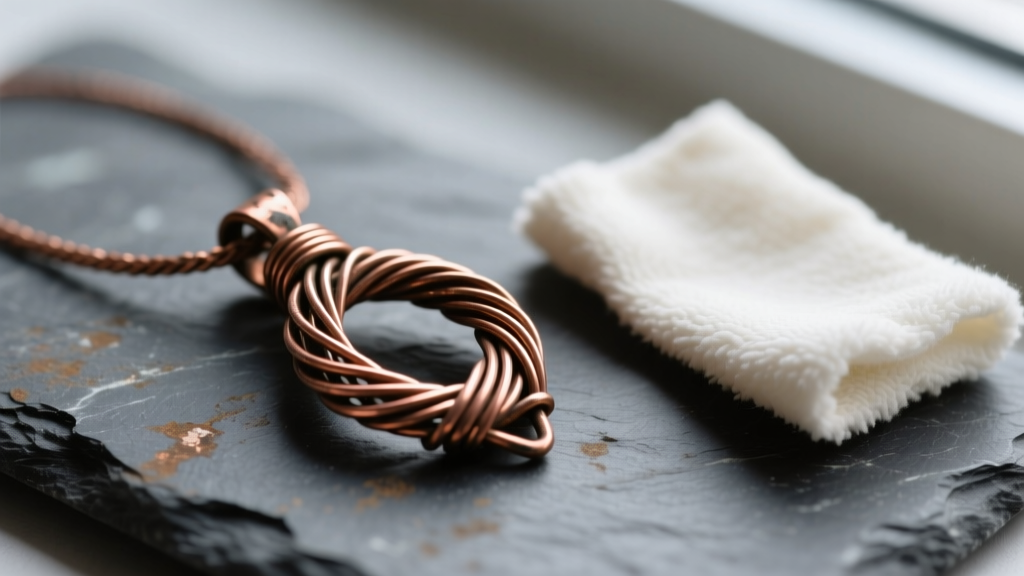
The art of jewelry making with wire is a delicate balance of tension, geometry, and metallurgy. Unlike cast jewelry, wire-wrapped and wire-formed pieces rely on the physical manipulation of metal—bending, coiling, and weaving—to hold gemstones and create structural integrity. However, this unique construction method also introduces specific vulnerabilities. Exposed surface areas, work-hardened stress points, and intricate crevices make wire jewelry highly susceptible to environmental degradation, tarnish, and mechanical fatigue.
Whether you are crafting 26-gauge micro-macramé weaves or heavy 16-gauge structural bangles, understanding post-creation care is just as critical as mastering the initial wrap. In this comprehensive guide, we explore the metallurgical realities of wire jewelry maintenance, offering actionable, expert-level protocols to preserve your creations for decades.
The Hidden Hazards of Wire Jewelry Wear
When you engage in jewelry making with wire, you inevitably alter the metal's crystalline structure through a process called work-hardening. As you bend dead-soft sterling silver or copper wire, the metal's grain structure compresses and aligns, increasing its tensile strength but simultaneously introducing micro-stresses. These stress points are highly reactive.
Human sweat, which typically ranges from a pH of 4.5 to 7.0, contains lactic acid, urea, and chlorides. When these compounds settle into the microscopic fissures of a work-hardened wire weave, they accelerate galvanic corrosion. Furthermore, everyday cosmetics—such as lotions, perfumes, and hairsprays—leave behind a waxy film that traps moisture against the metal, creating an ideal environment for rapid oxidation. Understanding these hazards is the first step in developing a robust maintenance routine.
Metal-Specific Cleaning Protocols
There is no universal "jewelry cleaner." The chemical composition of your wire dictates the cleaning methodology. Using the wrong agent can strip intentional patinas, dissolve metal layers, or fracture delicate weaves.
Sterling Silver and the Electrochemical Reduction Method
Traditional silver polishes rely on mild abrasives to physically remove the tarnished layer (silver sulfide). Over time, this physically strips away microscopic layers of your sterling silver wire, eventually thinning delicate 24-gauge or 28-gauge weaves. Instead, utilize an electrochemical reduction bath.
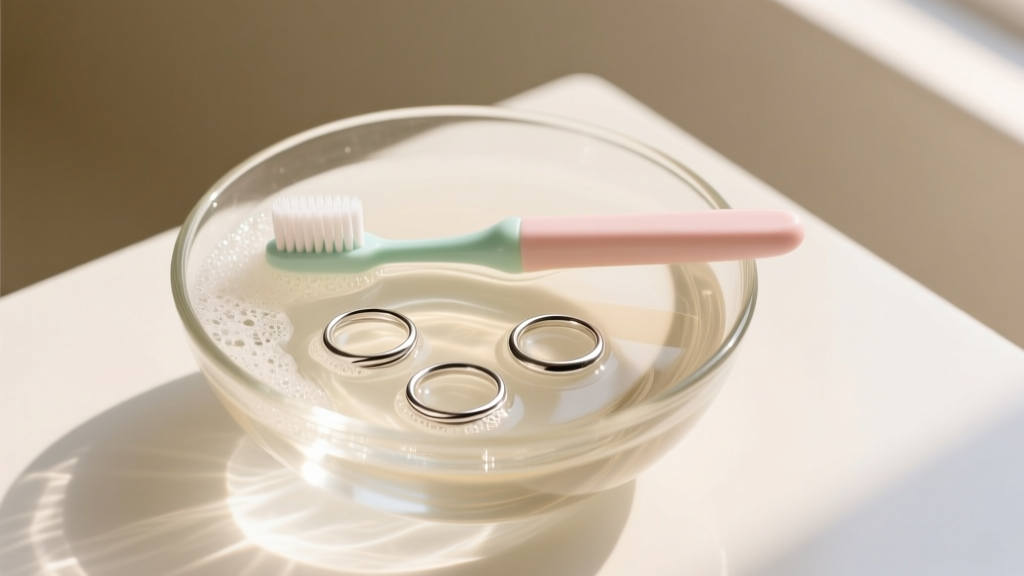
Line a glass bowl with aluminum foil (shiny side up). Place your silver wire jewelry inside, ensuring it touches the foil. Add one tablespoon of baking soda and one teaspoon of non-iodized salt. Pour boiling water over the pieces. The aluminum, being more reactive than silver, sacrifices its electrons to the silver sulfide, converting it back into pure silver while the sulfur bonds to the aluminum. This removes tarnish without removing any silver metal. Note: Avoid this method if you have applied a deliberate liver of sulfur patina to your wire weave, as it will strip the dark antiquing as well.
Copper and Brass: Acidic Brightening
Copper wire is beloved for its warmth and malleability, but it oxidizes rapidly, turning dull brown or green. To restore bright copper wire, create a paste using equal parts lemon juice and fine sea salt. Gently rub the paste onto the wire using a soft baby toothbrush, focusing on the crevices of your weaves. The citric acid dissolves the copper oxide, while the salt acts as a gentle, non-scratching abrasive. Rinse thoroughly with distilled water and immediately neutralize the acid with a baking soda wash to prevent future verdigris.
Gold-Filled (14/20 GF): The Danger of Polishing
Gold-filled wire is a staple in jewelry making with wire due to its affordability and durability. However, 14/20 GF wire consists of a brass core with a gold layer that makes up exactly 5% (1/20th) of the total weight. On a 20-gauge round wire, this outer gold layer is only about 3 to 5 microns thick. Never use polishing compounds, rouge, or abrasive tumbling media on gold-filled wire. You will cut straight through the gold layer, exposing the brass core and permanently ruining the piece. Clean GF wire using only warm water, a drop of mild dish soap (like Dawn), and a microfiber cloth.
Cleaning Agent Compatibility Chart
Refer to this matrix before applying any chemical or mechanical cleaning method to your wire projects.
| Wire Metal | Safe Cleaning Method | Methods to Avoid |
|---|---|---|
| Sterling Silver (.925) | Aluminum foil/baking soda bath, mild soap | Abrasive pastes, chlorine bleach |
| Copper / Brass | Lemon juice + salt, commercial copper dips | Ammonia-based cleaners (causes stress corrosion cracking) |
| 14/20 Gold-Filled | Mild dish soap, warm water, microfiber | Polishing compounds, ultrasonic cleaners, harsh dips |
| Anodized Titanium / Niobium | Warm soapy water, soft cloth | Ultrasonic cleaners (can strip anodized color layers) |
| Argentium Silver | Mild soap, occasional polishing cloth | Pickle solutions containing copper (causes plating) |
Restoring Structural Integrity: Polishing Without Bending
One of the greatest challenges in maintaining wire jewelry is polishing the metal without warping the intricate tension wraps. If you attempt to vigorously buff a 22-gauge wire-wrapped pendant with a polishing cloth, the friction and pressure can easily pull the prongs out of alignment or stretch the bail.
For intricate wire weaves, a rotary tumbler is the safest option for burnishing. Fill a barrel with mixed stainless steel shot (pins, balls, and diagonals), add a few drops of burnishing compound or mild dish soap, and cover with water. Tumble for 30 to 45 minutes. The steel shot gently hammers the surface of the wire on a microscopic level, compressing the metal's surface, increasing its shine, and actually adding a slight amount of work-hardening to the outer layer without bending the overall shape of the piece.
"Never use commercial silver dips containing thiourea on wire-wrapped pieces featuring porous stones like turquoise, malachite, or opals. The chemicals will permanently alter the stone's matrix and weaken the wire's structural integrity over time." - Gemological Institute of America (GIA)
According to metallurgical guidelines provided by Rio Grande, tumbling is highly effective for work-hardening and polishing, but it should be avoided for wire gauges thinner than 26-gauge, as the impact of the steel shot can cause micro-dents or warp delicate lace-like weaves.
Archival Storage Solutions for Wire Artists
How you store your wire jewelry when it is not being worn dictates its lifespan. The primary enemy of silver and copper is sulfur and moisture in the air. However, the packaging materials you choose can sometimes be more damaging than the environment itself.
The PVC Danger
Never store wire jewelry in polyvinyl chloride (PVC) plastics, including some cheap zip-top bags, vinyl ring rolls, or plastic pages in binders. PVC contains plasticizers and chlorine compounds that off-gas hydrogen chloride gas over time. In the presence of ambient humidity, this gas forms hydrochloric acid, which will cause rapid, deep, and sometimes irreversible black tarnish on sterling silver and severe pitting on copper.
Proper Archival Packaging
To protect your wire creations, implement the following storage protocols:
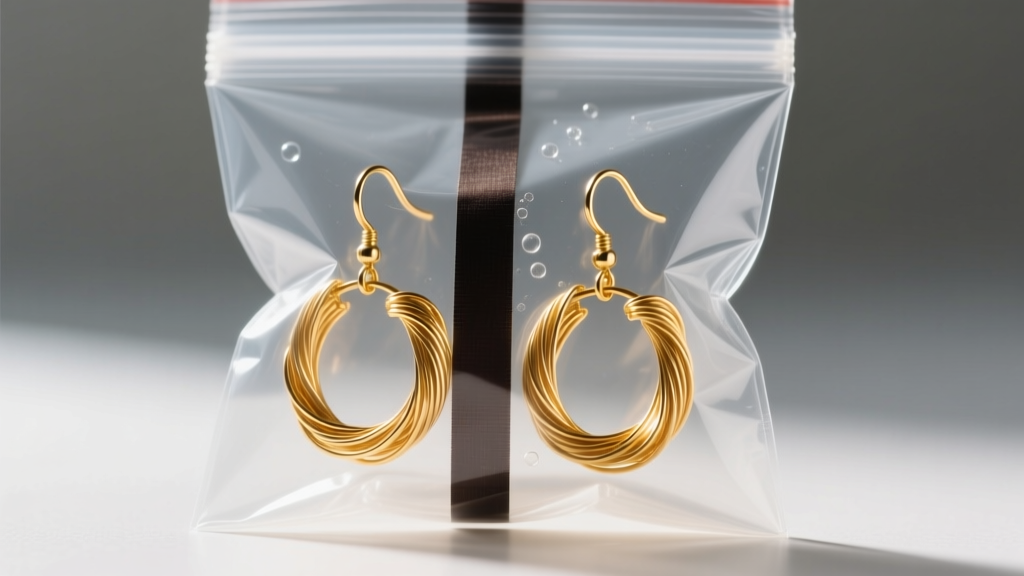
- 2 mil Polyethylene (PE) Bags: Standard for lightweight pieces and simple wire rings. PE is chemically inert and will not off-gas.
- 4 mil Polyethylene Bags: Required for heavy gauge wire, structural cuffs, or pieces with sharp, protruding prongs that could puncture thinner plastic.
- 3M Anti-Tarnish Strips: Place one strip inside every sealed PE bag. These strips utilize copper-based particles to absorb sulfur compounds and hydrogen sulfide from the air. Replace them every 6 months.
- Silica Gel Packets: Include a small, indicating silica gel packet in your storage bins to control ambient humidity, keeping it below 40% to prevent moisture-assisted oxidation.
Troubleshooting Common Wire Jewelry Disasters
Even with meticulous care, wire jewelry can present unique maintenance challenges. Here is how to troubleshoot the most common issues faced by wire artists and their clients.
The "Green Skin" Phenomenon
Copper and brass wire will inevitably react with the acids in human skin, creating copper chloride, which manifests as a harmless but unsightly green stain. If a client complains of green skin from a copper wire ring, do not suggest coating the wire in clear nail polish; it will eventually chip, peel, and trap moisture against the metal, accelerating localized corrosion. Instead, recommend the client remove the jewelry before washing hands or applying lotion, or suggest upgrading the piece to Argentium Silver or Niobium, which are highly hypoallergenic and do not produce copper chlorides.
Snapped Wire Prongs
If a wire prong holding a cabochon snaps, it is usually due to metal fatigue from repeated bending during the initial making process, exacerbated by environmental stress corrosion. Do not attempt to simply bend a new piece of wire around the broken stub. Use a laser welder if available, or carefully unweave the adjacent coils to integrate a new, continuous piece of half-hard wire to re-secure the stone, ensuring the new wire follows the natural tension lines of the original design.
Conclusion
Mastering jewelry making with wire extends far beyond the initial twist and wrap. By understanding the chemical reactivity of your chosen metals, utilizing non-destructive electrochemical cleaning methods, and implementing strict archival storage protocols, you ensure that your wire-wrapped creations remain as structurally sound and visually stunning as the day they were finished. Proper maintenance is the hallmark of a true professional wire artist.


