Guide to Fast Fix Jewelry and Watch Repairs at MainPlace Mall
Expert guide to Fast Fix Jewelry and Watch Repairs at MainPlace Mall. Learn pricing, service limits, and what to look for before handing over valuables.

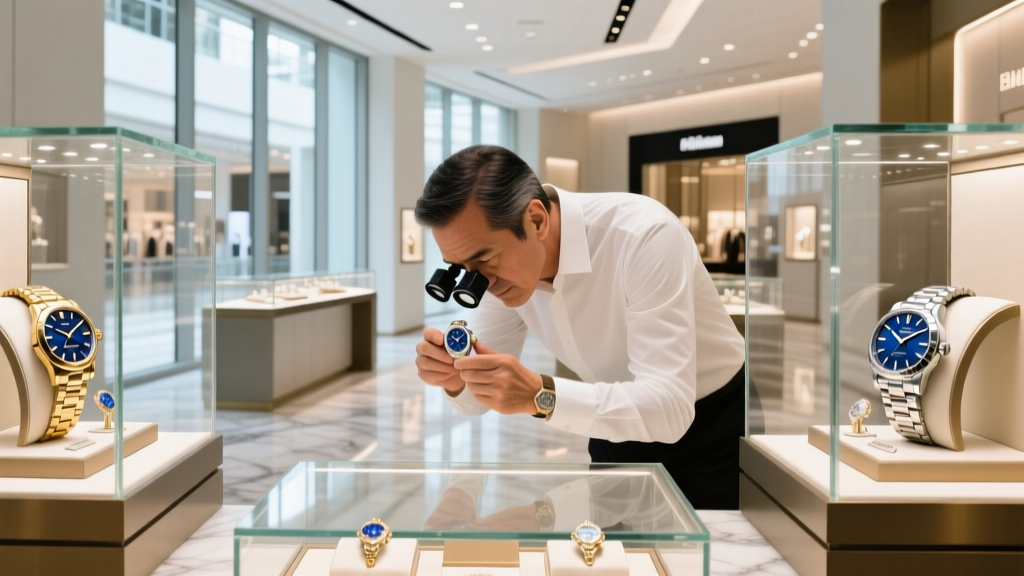
When your favorite everyday jewelry breaks or your watch stops ticking, the convenience of a mall-based repair shop is undeniable. The Fast Fix Jewelry and Watch Repairs at MainPlace Mall in Santa Ana, California, is one of the highest-traffic repair kiosks in Orange County. However, convenience should never come at the cost of your valuables' integrity. As consumers increasingly seek transparency in 2026, understanding the capabilities, limitations, and pricing structures of high-volume mall jewelers is essential. This comprehensive buying guide breaks down exactly what to look for, what services they excel at, and when you should pivot to an independent master bench jeweler.
The Mall Kiosk Reality: Franchise vs. Independent Bench Jewelers
Fast Fix is a nationwide franchise. This means the quality of your repair is entirely dependent on the specific technician working the bench on the day you visit. Unlike an independent, family-owned jewelry store where a single master jeweler oversees every project, mall kiosks often employ a rotating staff of jewelers with varying levels of certification. When evaluating Fast Fix Jewelry and Watch Repairs at MainPlace Mall, your first step should be a polite inquiry about the bench jeweler's credentials. Look for mentions of GIA (Gemological Institute of America) training or AWCI (American Watchmakers-Clockmakers Institute) certifications. While many mall jewelers are highly skilled tradespeople who prefer the fast-paced environment of a kiosk, verifying their experience with your specific metal or movement type is a crucial buying step.
Ring Sizing and Metallurgy Limitations
Ring sizing is the bread and butter of any mall jewelry repair shop, but not all metals are created equal. A reputable jeweler at MainPlace Mall will immediately assess your ring's metallurgy before quoting a price or taking the job.
What They Can Size Effectively
Standard 14k and 18k yellow, white, and rose gold rings are easily sized using traditional oxy-gas torch soldering or laser welding. A typical sizing job involves cutting the shank, adding or removing metal, and soldering the joint. For white gold, the ring will require rhodium plating afterward to mask the solder seam and restore the bright white finish, which usually adds $35 to $55 to the total bill. Platinum rings (950 Pt) require specialized laser welding; using a traditional torch on platinum can melt nearby diamond settings and ruin the metal's finish due to its extremely high melting point (3,215°F).
What They Cannot (or Should Not) Size
If you bring in a Tungsten Carbide, Titanium, or Cobalt Chrome ring, expect to be turned away. These alternative metals are incredibly hard and brittle; they cannot be cut and soldered using standard jeweler's equipment. Furthermore, eternity bands (rings with gemstones encircling the entire shank) and tension-set rings pose massive structural risks during sizing. A skilled jeweler will advise you that attempting to size these often results in shattered stones or compromised structural integrity, and will recommend ordering a new ring in the correct size instead.
Pricing Transparency and Turnaround Matrix
One of the primary advantages of using Fast Fix Jewelry and Watch Repairs at MainPlace Mall is the speed of service. However, high-volume locations often utilize standardized pricing matrices. Below is an estimated guide to what you can expect to pay in 2026 for common repairs, along with typical turnaround times.
| Repair Service | Estimated Price Range (2026) | Typical Turnaround Time | Technical Notes |
|---|---|---|---|
| Watch Battery (Standard Quartz) | $20 - $35 | 15 - 30 Minutes | Includes OEM Renata or Murata cell; excludes pressure testing. |
| Watch Water Resistance Gasket | $45 - $75 | 1 - 2 Days | Requires replacing nitrile O-rings and applying silicone grease. |
| Gold Chain Soldering (Standard) | $40 - $65 | 2 - 5 Days | Pricing varies by chain thickness and link complexity (e.g., box vs. rope). |
| Platinum Laser Welding | $85 - $150+ | 3 - 7 Days | Requires Nd:YAG laser to prevent heat damage to surrounding stones. |
| Ring Sizing (14k/18k Gold) | $55 - $95 | 2 - 5 Days | Price increases if the ring requires sizing beads or a Euro-shank. |
| Prong Retipping (Per Stone) | $25 - $45 | 3 - 7 Days | Stones must be removed if they are heat-sensitive (e.g., emeralds, opals). |
Chain Soldering and Laser Welding Precision
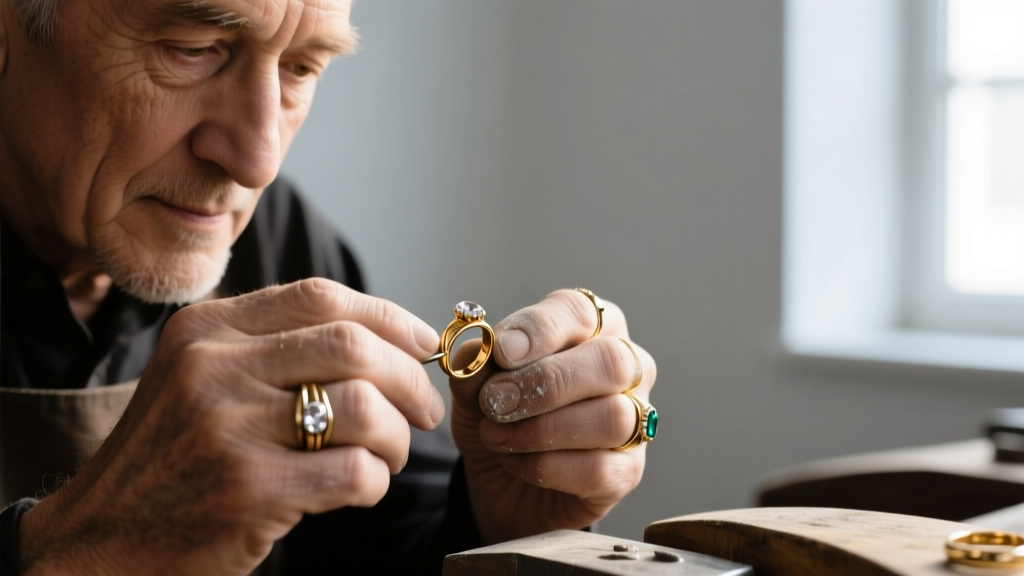
Hollow chains, such as large rope or box chains, are notoriously difficult to repair without leaving a visible, weak seam. When evaluating the kiosk at MainPlace Mall, look through the glass to see if they utilize a modern laser welding station. Laser welders concentrate intense heat into a microscopic point, allowing the jeweler to fuse metals without heating the entire piece. This is critical for hollow chains, as traditional torch heat can cause the thin gold walls to collapse or melt. If your chain is a delicate 1mm or 1.5mm Italian snake chain, ask the jeweler specifically how they plan to prevent the surrounding links from fusing together. If they cannot articulate a laser-welding strategy, it is safer to take the piece elsewhere.
Watch Repair: Batteries, Gaskets, and Pressure Testing
Watch repair at a mall kiosk goes far beyond simply popping the caseback and swapping a cell. According to the American Watchmakers-Clockmakers Institute (AWCI), any time a watch case is opened, its water resistance is compromised. When you purchase a battery replacement at Fast Fix, you must verify what brand of battery they are installing. Reputable jewelers use OEM-grade Swiss Renata or Japanese Murata (Sony) batteries, which offer stable voltage outputs and prevent leakage that can destroy a quartz movement's circuit board.
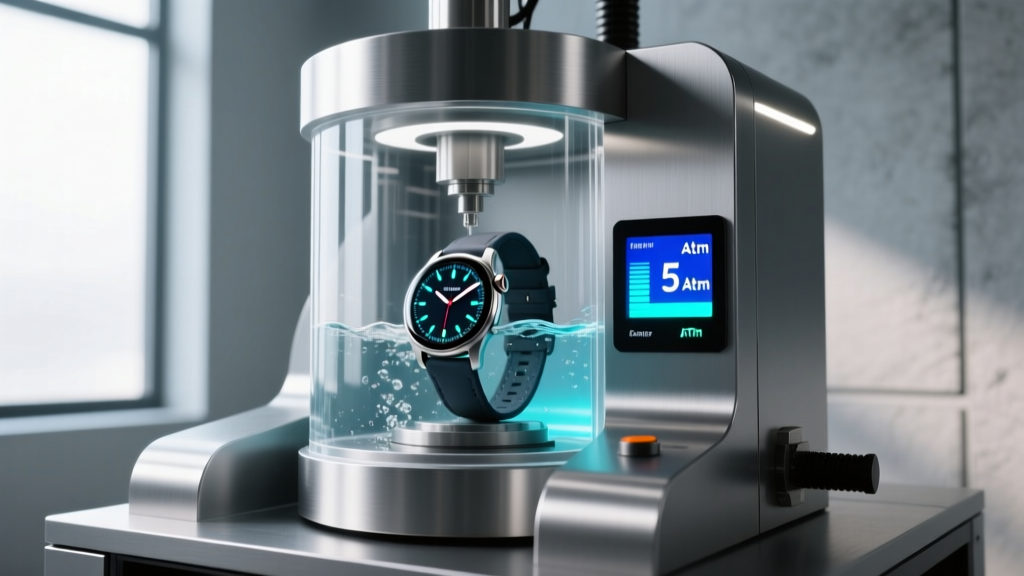
Furthermore, if your watch is rated for 5 ATM (50 meters) or higher, a simple battery swap is insufficient. You must ask if the technician will replace the caseback and crown nitrile O-rings, lubricate them with high-viscosity silicone grease, and perform a dry pressure test. A dry pressure test uses a machine to measure case deformation under simulated atmospheric pressure, ensuring the seals are intact without risking water damage to the dial. If the MainPlace Mall location does not have a functional pressure tester on-site, your watch should not be worn near water afterward.
Gemstone Heat Sensitivity and Stone Setting Risks
The most catastrophic failures in jewelry repair occur when a bench jeweler applies heat to a ring without first removing heat-sensitive gemstones. While diamonds, rubies, and sapphires can generally withstand the heat of a jeweler's torch during prong retipping or sizing, many popular colored stones cannot. The Gemological Institute of America (GIA) explicitly warns that emeralds are almost always fracture-filled with oils or resins to improve clarity. Applying a torch to an emerald will cause the filler to boil, resulting in permanent clouding, cracking, or total destruction of the stone.
Similarly, opals contain up to 20% water; heat will cause them to "craze" (develop a network of fine cracks) or shatter entirely. Tanzanite, topaz, and pearls are also highly susceptible to thermal shock. When buying repair services at MainPlace Mall, explicitly point out any colored gemstones and ask the jeweler, "Will you be removing these stones before applying heat, or using a laser to avoid heat transfer?" Their answer will immediately reveal their level of expertise and care.
When to Walk Away and Seek an Independent Master Jeweler
While Fast Fix Jewelry and Watch Repairs at MainPlace Mall is an excellent resource for quick watch batteries, basic chain solders, and standard gold ring sizings, they are not equipped for high horology or complex antique restoration. You should bypass the mall kiosk and seek an independent, specialized master jeweler if:
- You own a luxury mechanical watch: Brands like Rolex, Omega, Patek Philippe, and Grand Seiko require OEM parts, specialized movement lubricants, and clean-room environments that a mall kiosk cannot provide.
- The piece is a fragile antique: Victorian or Art Deco pieces often feature brittle, high-karat gold and historic diamond cuts (like Old Mine cuts) that require specialized, low-heat restoration techniques.
- Complex stone setting is required: Invisible settings, pavé settings with stones smaller than 1.5mm, or heavy channel rebuilding require microscopic precision and specialized burs that high-volume kiosks often lack.
Final Verdict: Maximizing Value at MainPlace Mall
Fast Fix Jewelry and Watch Repairs at MainPlace Mall offers undeniable convenience and competitive pricing for everyday jewelry maintenance. By understanding the metallurgical limits of your pieces, demanding OEM watch parts, and verifying their protocols for heat-sensitive gemstones, you can confidently utilize their services. Treat your interaction as a professional consultation: ask about their tools, observe their workspace, and trust your instincts. If a technician is transparent about their limitations and pricing, you have found a reliable partner for your everyday jewelry care.


