Prep Heirlooms for Repair: The Alex's Repair & Jewelry Method
Learn how to document, clean, and prepare heirloom jewelry for professional restoration using the proven intake methods of Alex's Repair & Jewelry.

Why Proper Preparation Matters for Master Jewelers
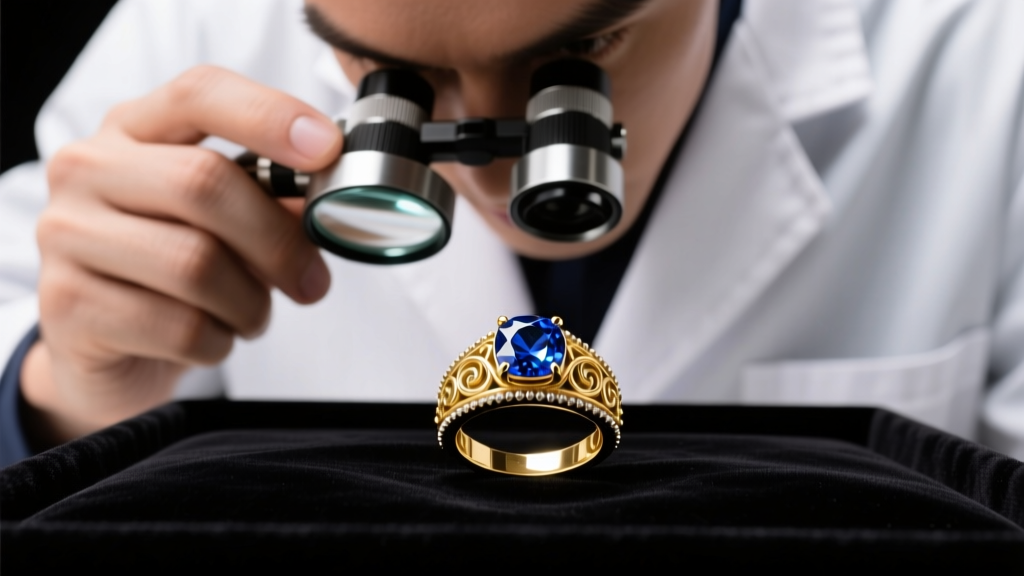
Handing over a multi-generational heirloom for restoration is an exercise in trust. Whether you are resizing a fragile Edwardian platinum ring, retipping worn prongs on a vintage diamond cluster, or replacing a fatigued clasp on a heavy gold chain, the margin for error is zero. High-end restoration requires more than just a skilled bench jeweler; it demands a rigorous pre-repair protocol. When evaluating a master workshop, the intake standards seen at Alex's Repair & Jewelry serve as an industry benchmark for protecting both the client's assets and the craftsman's liability. This step-by-step guide will walk you through the exact gemological and metallurgical preparation methods used by top-tier restoration houses before a single torch is lit or laser is fired.
Step 1: The Macro-Photography Documentation Protocol
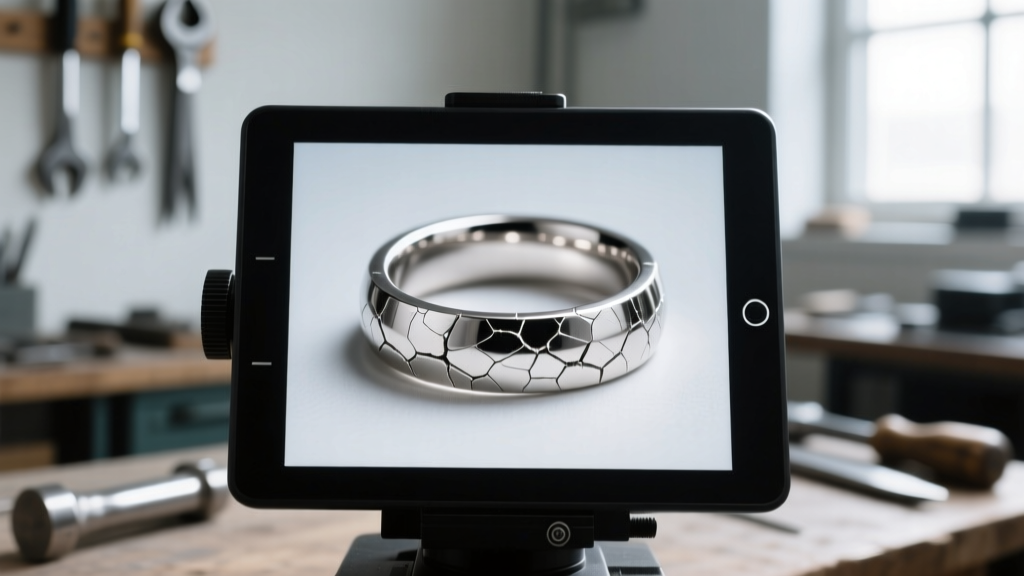
Before any chemical cleaning or physical manipulation occurs, the piece must be forensically documented. Standard smartphone photos are insufficient for capturing microscopic stress fractures, porosity in cast shanks, or girdle abrasion on older European-cut diamonds. Master jewelers utilize 30x to 60x digital macro-photography to create a baseline condition report.
What to Document at 30x Magnification
- Prong Integrity: Look for 'mushrooming' at the prong tips or microscopic stress lines at the gallery wire junction. Platinum prongs (usually 900 or 950 grade) tend to bend and work-harden, while 14k white gold prongs are more prone to sheer snapping due to nickel or palladium alloy fatigue.
- Stone Inclusions Near the Girdle: Fractures reaching the girdle (feathers) are highly susceptible to thermal shock during soldering. These must be mapped so the jeweler knows to use heat-sink compounds or opt for laser welding.
- Shank Porosity: Cast gold bands often harbor subsurface gas bubbles. If a ring is stretched without addressing porosity, the shank can tear. Documenting these pinholes ensures the jeweler will laser-fill them with matching karat wire before sizing.
Step 2: Ultrasonic Cleaning and Stone Stability Checks
Dirt, oils, and lotions obscure structural flaws. However, blindly dropping an heirloom into an ultrasonic cleaner is a catastrophic mistake. According to the Gemological Institute of America (GIA), ultrasonic waves (typically operating at 40kHz) can shatter fracture-filled diamonds, strip the cedar oil from emeralds, and craze the surface of organic gems like pearls and coral.
The Safe Cleaning Matrix
Top-tier shops like Alex's Repair & Jewelry employ a triage system for cleaning based on material hardness and treatment history:
- Safe for Ultrasonic (40kHz): Untreated diamonds, sapphires, and rubies set in secure platinum or high-karat gold settings.
- Steam Only (No Ultrasonic): Emeralds, tanzanite, and opals. Steam must be applied from a safe distance to avoid thermal shock, which occurs when rapid temperature changes cause internal crystalline stress.
- Warm Water & Mild Surfactant Only: Pearls, amber, coral, and any stone with a Mohs hardness below 6.5 or known fracture-filling treatments.
Step 3: Creating a Gemological Intake Map
Once the piece is clean and documented, a comprehensive intake map is generated. This is not merely a receipt; it is a metallurgical blueprint. According to the American Gem Society (AGS), detailed appraisals and intake documents are critical for insurance and repair accuracy. The intake map dictates the exact solder grades, wire gauges, and welding techniques the bench jeweler will use.
| Component | Material Specification | Repair Protocol & Metallurgical Notes |
|---|---|---|
| Ring Shank | 18k Yellow Gold (Cast) | Cut and solder using 'Hard' grade 18k solder (Melting point: ~816°C). Check for porosity before stretching. |
| Prongs (6-Prong Crown) | Platinum 950/Ruthenium | Laser weld 20-gauge Platinum wire. Avoid torch soldering near the diamond girdle to prevent burning the stone. |
| Gallery Wire | 14k White Gold (Nickel) | Test for structural fatigue. If Vickers hardness indicates extreme brittleness, replace entire gallery rather than retipping. |
Step 4: Secure Packaging and Chain-of-Custody
If you are mailing your heirloom to a specialized restoration center rather than walking it into a local bench, the chain-of-custody protocol is vital. High-value pieces must be sealed in tamper-evident, serialized bags. The jewelry should first be placed in an anti-tarnish polyethylene bag to prevent sulfur oxidation during transit, especially for sterling silver or low-karat gold alloys.
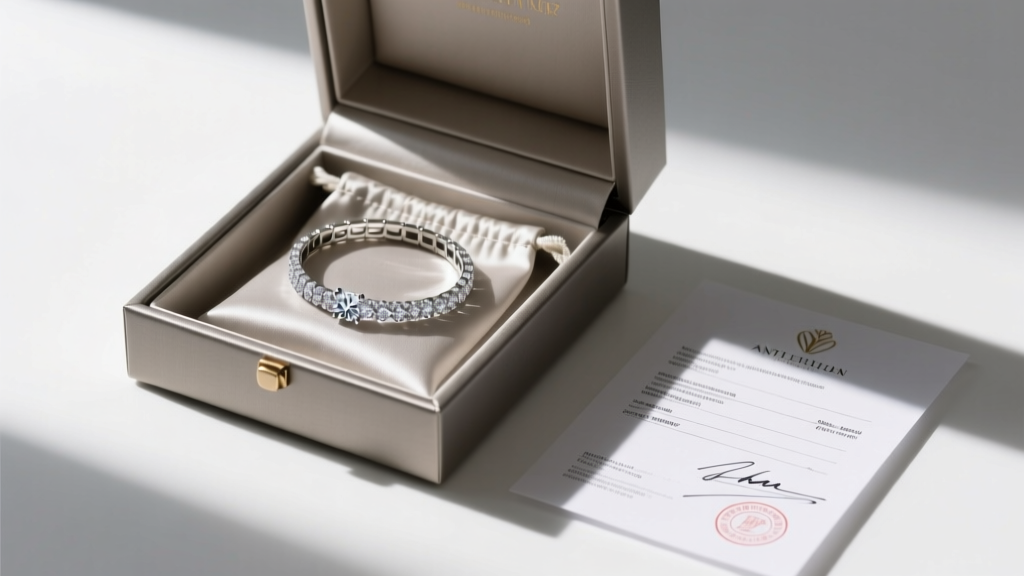
Always use a crush-proof, double-walled corrugated shipping box. The inner anti-tarnish bag should be suspended in bubble wrap or biodegradable packing peanuts so it does not shift. Finally, insure the package through a third-party parcel insurance service (like Shipsurance or Parcel Pro) that specifically covers jewelry in transit, as standard carrier liability often excludes precious gems and heirlooms.
The Alex's Repair & Jewelry Standard: Laser vs. Torch
What separates a standard mall jeweler from a master restoration house like Alex's Repair & Jewelry is the investment in precision technology. Traditional oxy-acetylene or oxy-propane torches flood the entire piece with heat. While fine for simple 14k gold chain soldering, torches are dangerous for heat-sensitive stones. Master jewelers utilize Nd:YAG or fiber laser welders, which focus a concentrated beam of light to melt metal in a localized area less than 0.5mm wide. This allows a jeweler to retip a prong holding a tanzanite or emerald without ever removing the stone from the setting, eliminating the risk of mechanical damage during stone extraction.
Pro-Tip from the Bench: When having white gold prongs retipped, request 18k palladium white gold instead of standard nickel-based white gold. Palladium alloys do not require rhodium plating to appear bright white, meaning your prongs won't turn yellow as they wear down over the next decade.
Conclusion
Preparing an heirloom for repair is a meticulous process that bridges the gap between gemology and metallurgy. By adopting the macro-documentation, selective cleaning, and detailed intake mapping methods championed by elite workshops like Alex's Repair & Jewelry, you ensure your family's treasures are handled with the exactitude they deserve. Always consult with a certified gemologist appraiser or a Jewelers of America affiliated professional before authorizing structural changes to antique or vintage pieces.


